Battle of Britain Ends
On October 31, 1940, the Battle of Britain came to an end. For nearly four months, RAF pilots and ground crews had fought to prevent Germany from gaining the air superiority needed to invade.


On October 31, 1940, the Battle of Britain came to an end. For nearly four months, RAF pilots and ground crews had fought to prevent Germany from gaining the air superiority needed to invade.
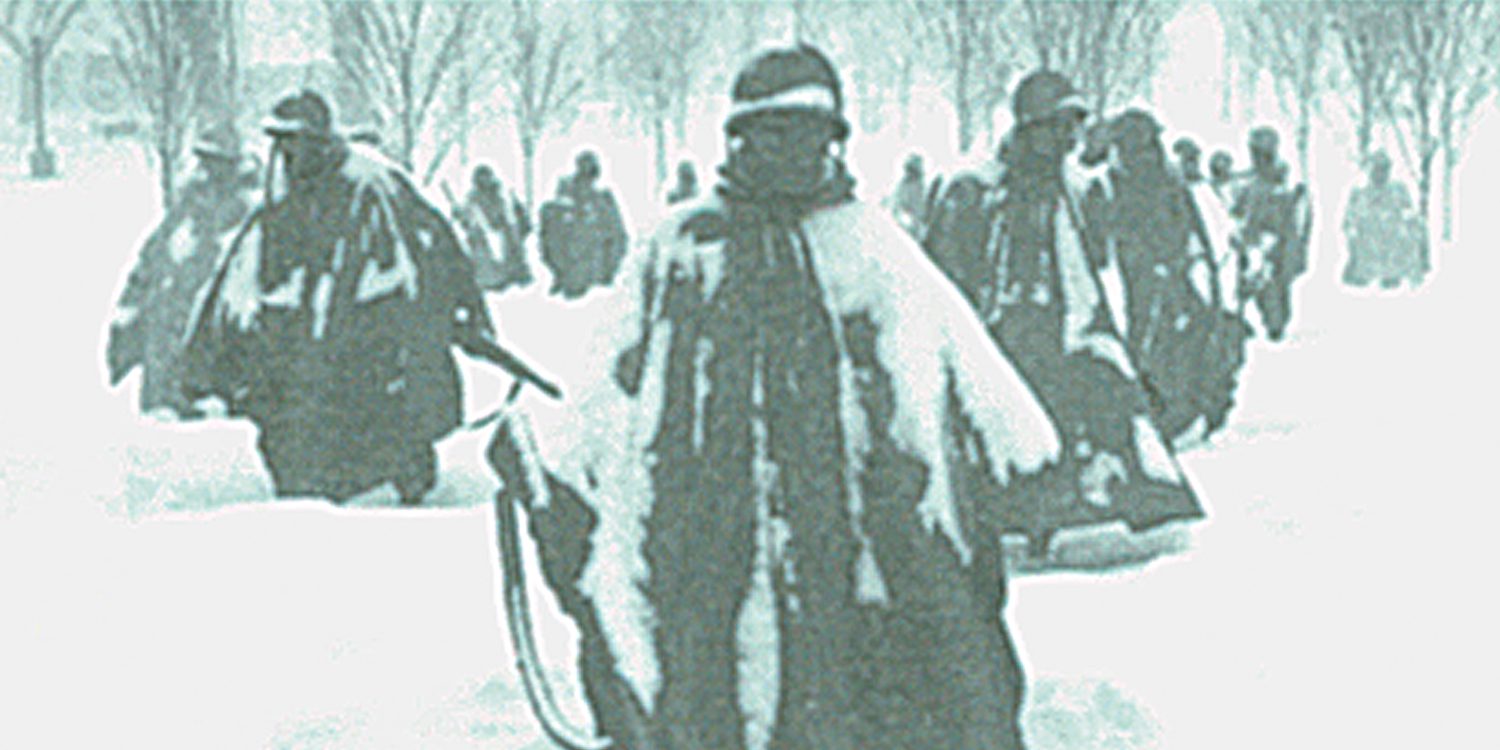
The Korean War Veterans Memorial was officially dedicated on July 27, 1995, the 42nd anniversary of the armistice that ended the Korean War. This stamp was issued eight years later and led to a federal court case!
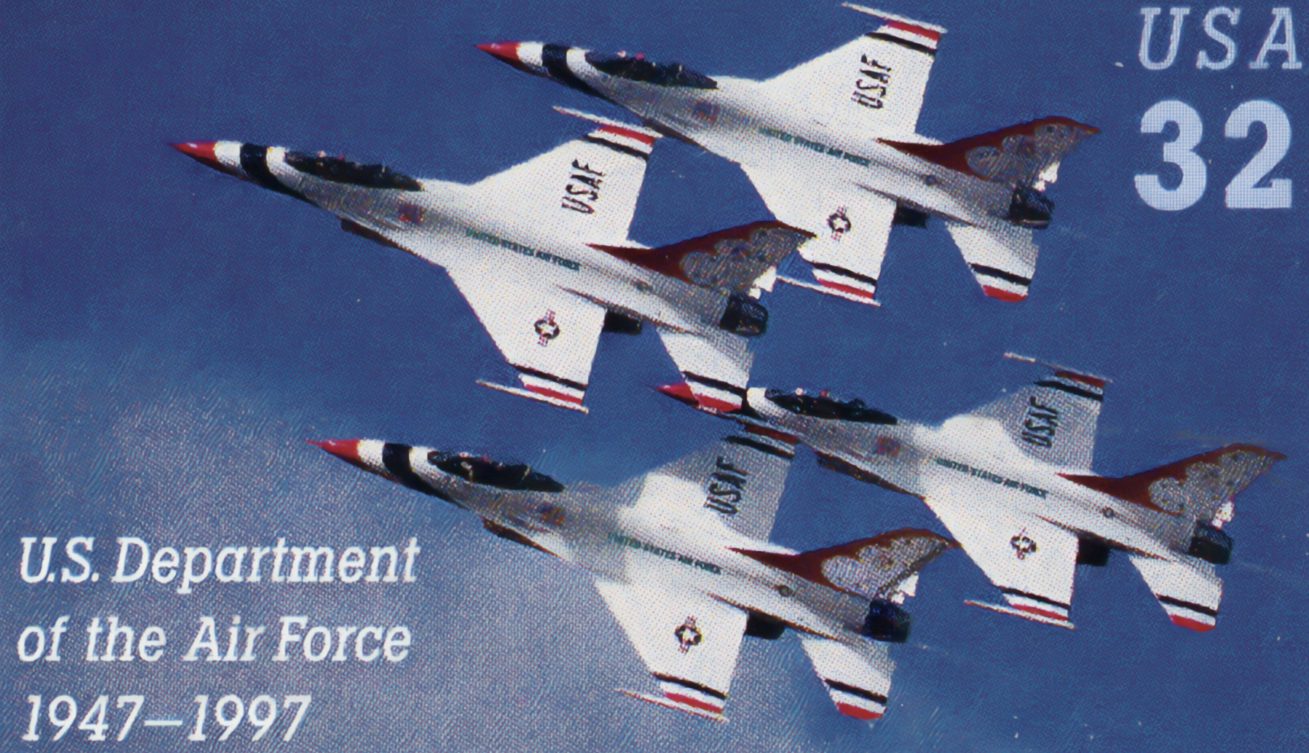
Staff Sergeant Esther McGowin Blake raised her right hand in the very first minute women were allowed to join the US Air Force on July 8, 1948. Her enlistment did not make the Air Force equal overnight, but it marked a clear first step toward a permanent place for women in the nation’s newest military branch.

On June 4, 1940, over 338,000 Allied troops were evacuated from the beaches of Dunkirk after being cut off and surrounded there for weeks.
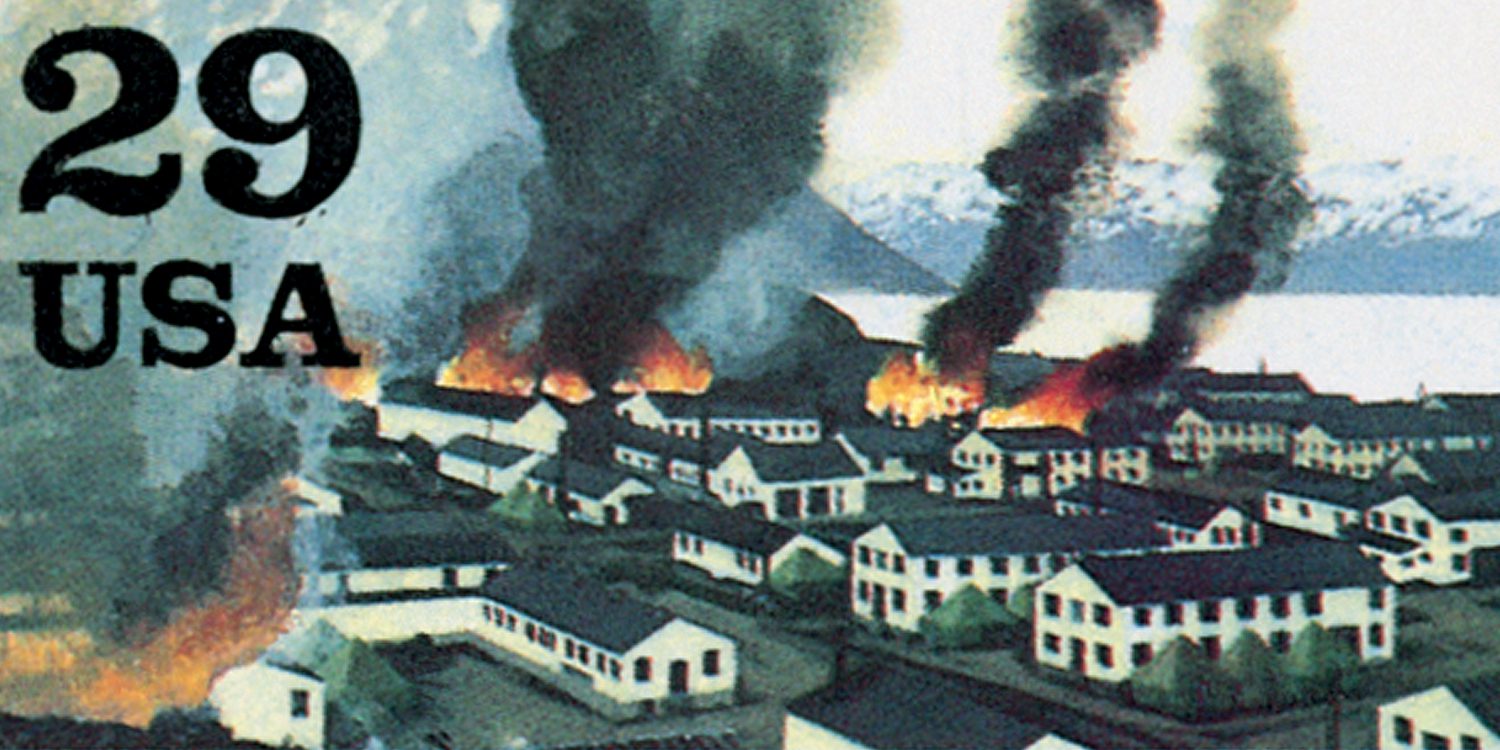
On June 3, 1942, Japanese forces kicked of the 14-month Aleutian Islands Campaign. The campaign’s two Japanese invasions were the only ones on US soil during the war.

On June 1, 1792, Kentucky became America’s 15th state and the first state west of the Appalachian Mountains. Its admission marked a new stage in the nation’s growth, as settlers pushed through mountain passes into a region long valued for its rivers, forests, wildlife, and rich farmland.
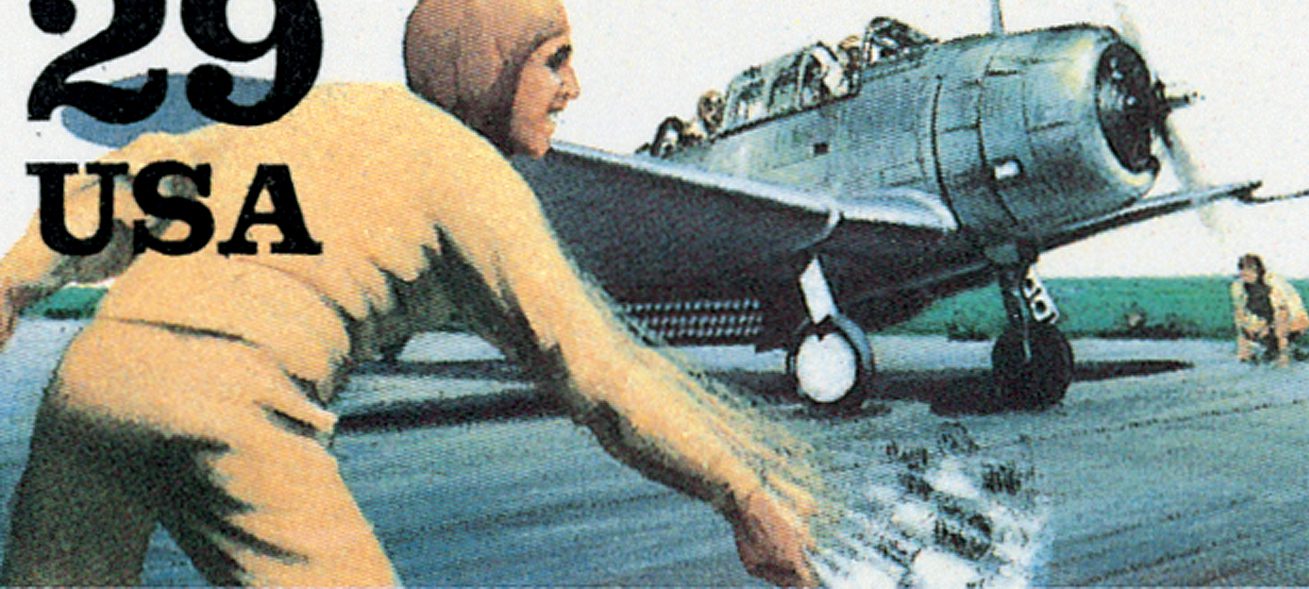
On May 4, 1942, the World War II Battle of the Coral Sea began. It became the first naval battle fought mainly by aircraft carriers, with opposing fleets striking each other by air while their ships never came into direct sight.
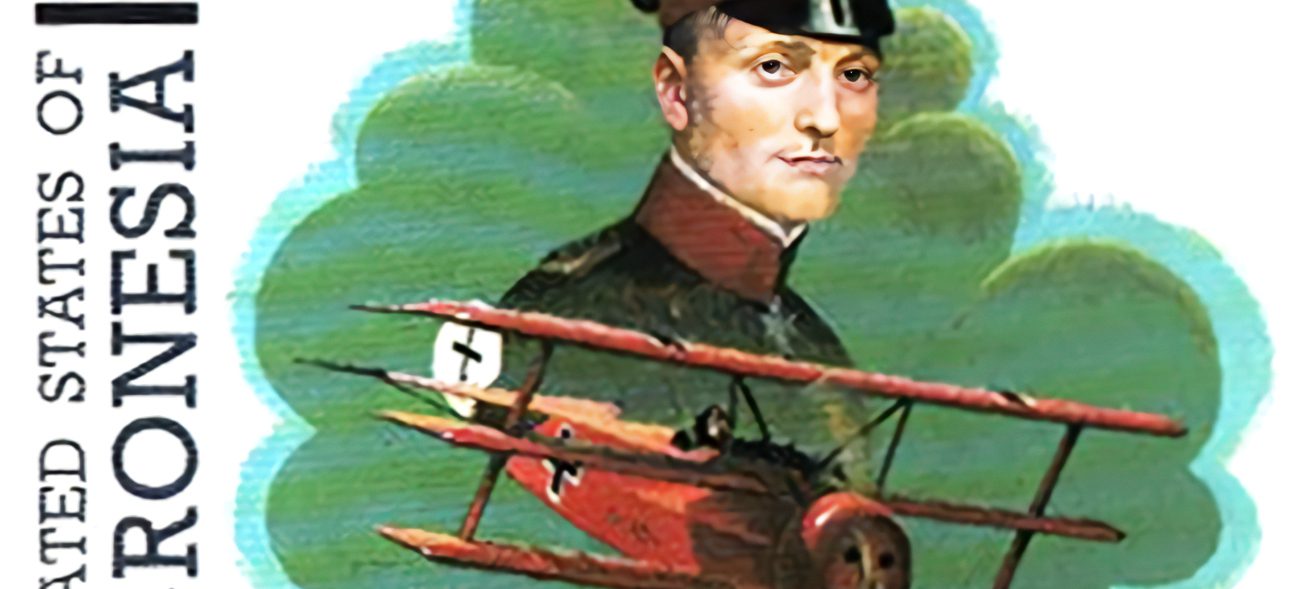
On April 20, 1918, Manfred von Richthofen—known around the world as the Red Baron—shot down his 80th enemy aircraft, setting a record for World War I. Within a day, his remarkable career would come to an abrupt end, cementing his place as the war’s most recognized flying ace.
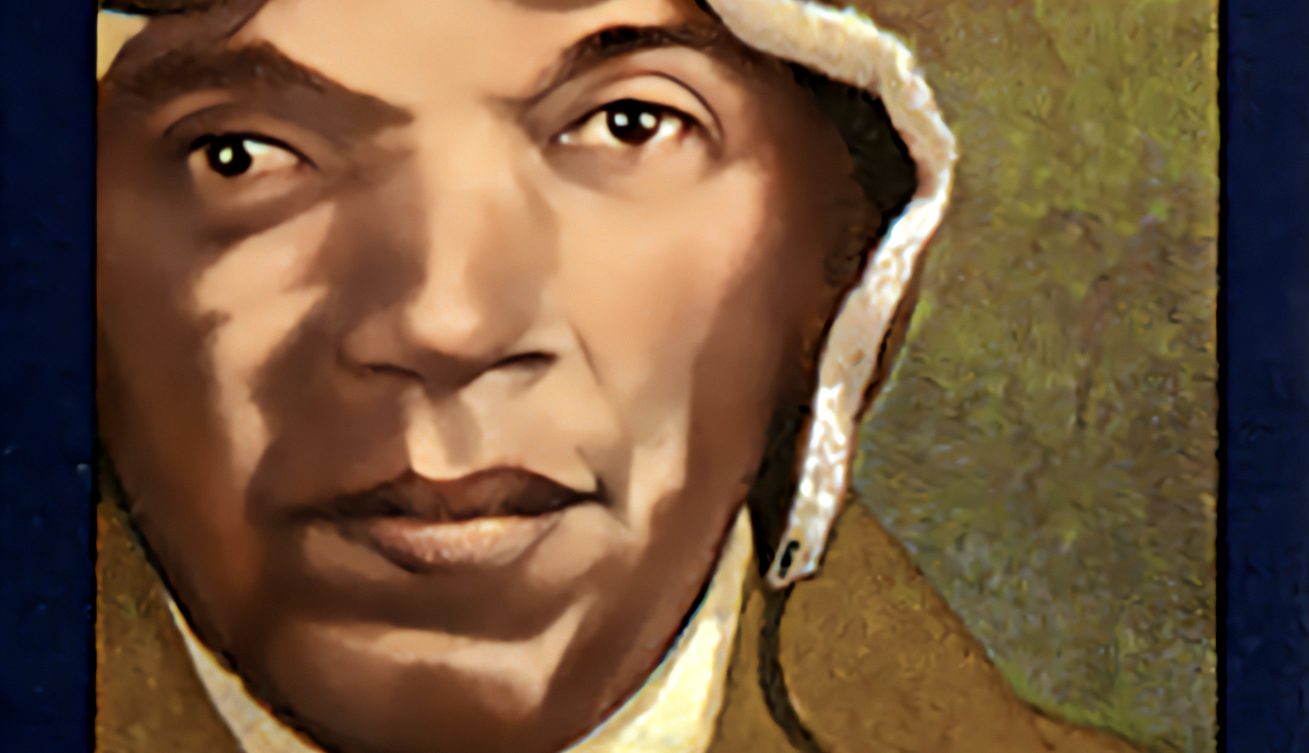
On March 19, 1941, the War Department ordered the creation of the 99th Pursuit Squadron, better known as the Tuskegee Airmen. What began as a reluctant experiment soon became one of the most disciplined and effective fighter programs of World War II.