Largest Land Run in Oklahoma
On September 16, 1893, some 100,000 people raced to claim 6 million acres of land in former Indian Territory in Oklahoma. It was the largest land run into Oklahoma and resulted in the establishment of 40,000 homesteads.
On September 7, 1813, a newspaper referred to the United States as “Uncle Sam.” The name reportedly came from Troy, New York’s Uncle Sam Wilson, and has since become one of America’s most enduring national symbols.
The Marsh-Billings-Rockefeller National Historical Park was established in Vermont on August 26, 1992. It’s the first national park in the country created to honor the history of conservation.
Phoebe Yates Levy Pember was born on August 18, 1823, in Charleston, South Carolina. During the Civil War, she directed the care and dietary needs of over 15,000 soldiers at Richmond’s Chimborazo, one of the CSA’s largest hospitals. She later recounted her experiences in her memoir, A Southern Woman’s Story.
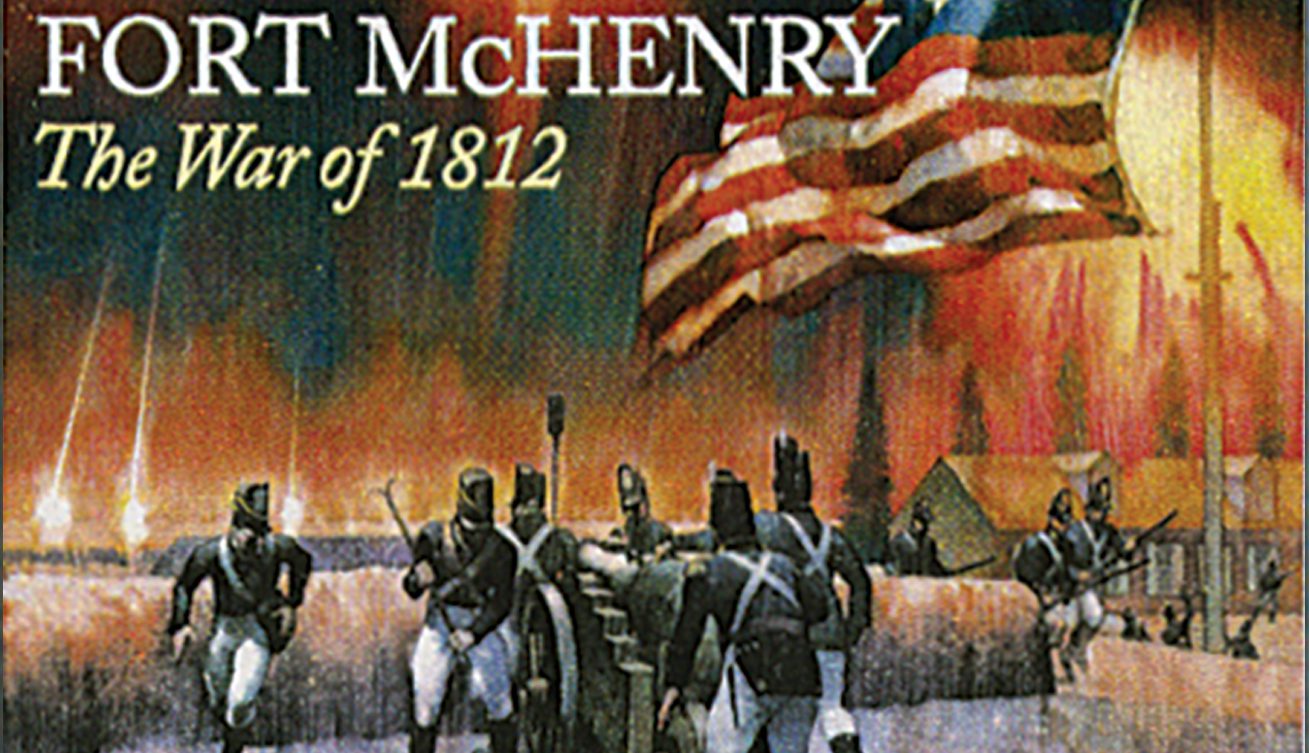
On August 11, 1939, Congress established Fort McHenry National Monument and Historic Shrine. The monument honors and preserves this historic fort where our national anthem was born. It’s also the only place in the National Park system to be designated a Historic Shrine.
Inventor Elias Howe Jr was born on July 9, 1819, in Spencer, Massachusetts. Howe is best remembered for patenting the modern lockstitch sewing machine.
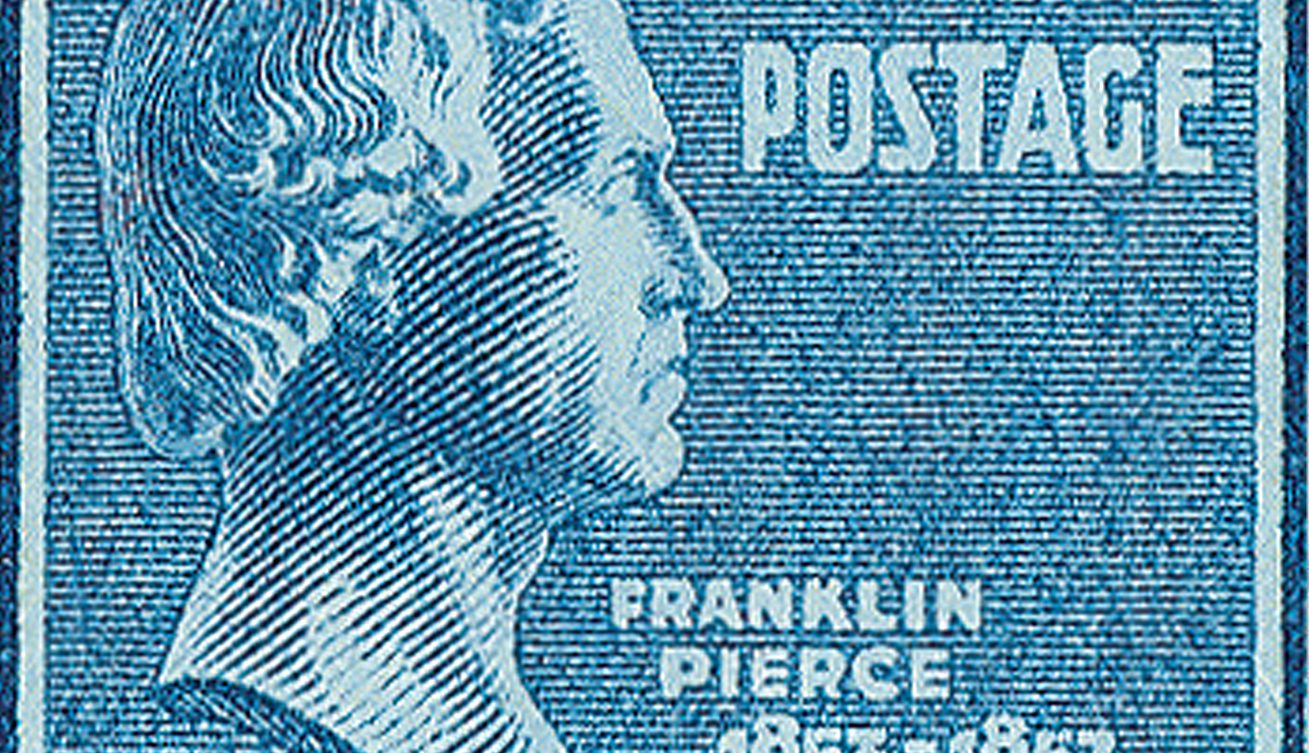
On May 30, 1854, President Franklin Pierce signed the Kansas-Nebraska Act into law. The act had been created to settle tensions over slavery and open new lands for development, but instead only proved to create more division and move America closer to Civil War.
James Butler “Wild Bill” Hickok was born on May 27, 1837, in Homer, Illinois (present-day Troy Grove). A soldier, scout, lawman, gambler, showman, expert marksman, and gunfighter, he was a legend in his own time.
On May 2, 1749, the House of Burgesses approved the creation of a town that would become Alexandria, Virginia. George Washington helped plan the town’s street systems and Alexandria was part of the US capital for several years.