Birth of the Space Shuttle Program
On January 5, 1972, President Richard Nixon signed legislation authorizing the creation of America’s first space shuttle, the “world’s first reusable spacecraft.”
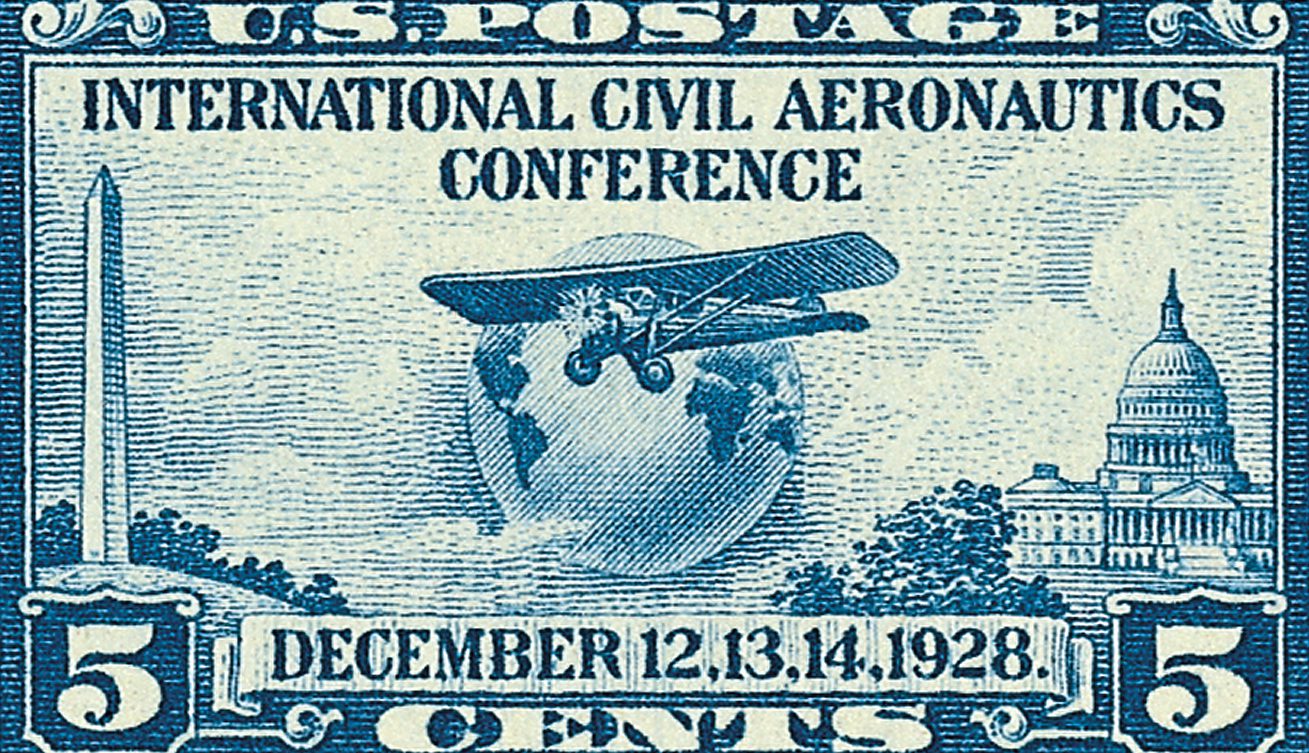
A quarter-century after the Wright brothers first left the ground at Kitty Hawk, the world’s aviation leaders gathered in Washington, DC, to decide just how far—and how fast—human flight could go next. On December 12, 1928, the International Civil Aeronautics Conference opened with a bold mission: to celebrate the past, assess the present, and imagine a future where airplanes would shrink oceans, reshape economies, and bring nations closer together.
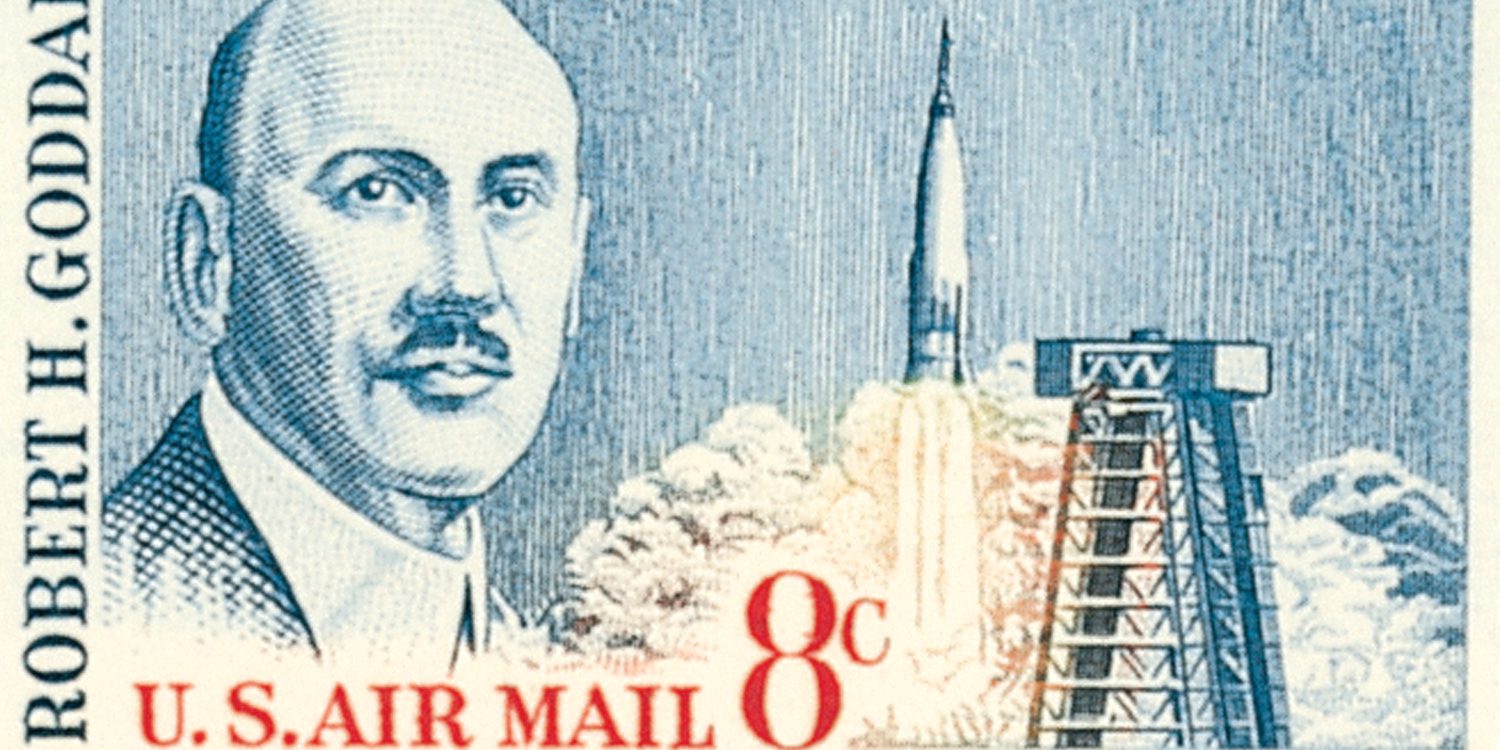
Robert Hutchings Goddard, often called the “Father of Modern Rocketry,” was born on October 5, 1882, in Worcester, Massachusetts. From an early age, Goddard showed a restless curiosity about the world around him, asking questions and performing experiments that hinted at the groundbreaking discoveries he would one day make.
Baseball legend Theodore Samuel Williams was born on August 30, 1918, in San Diego, California. One of the game’s all-time great hitters, he holds the record for career on-base percentage.
On August 19, 1940, the B-25 Mitchell bomber made its first flight. One of the most famous medium bombers of World War II, its combination…
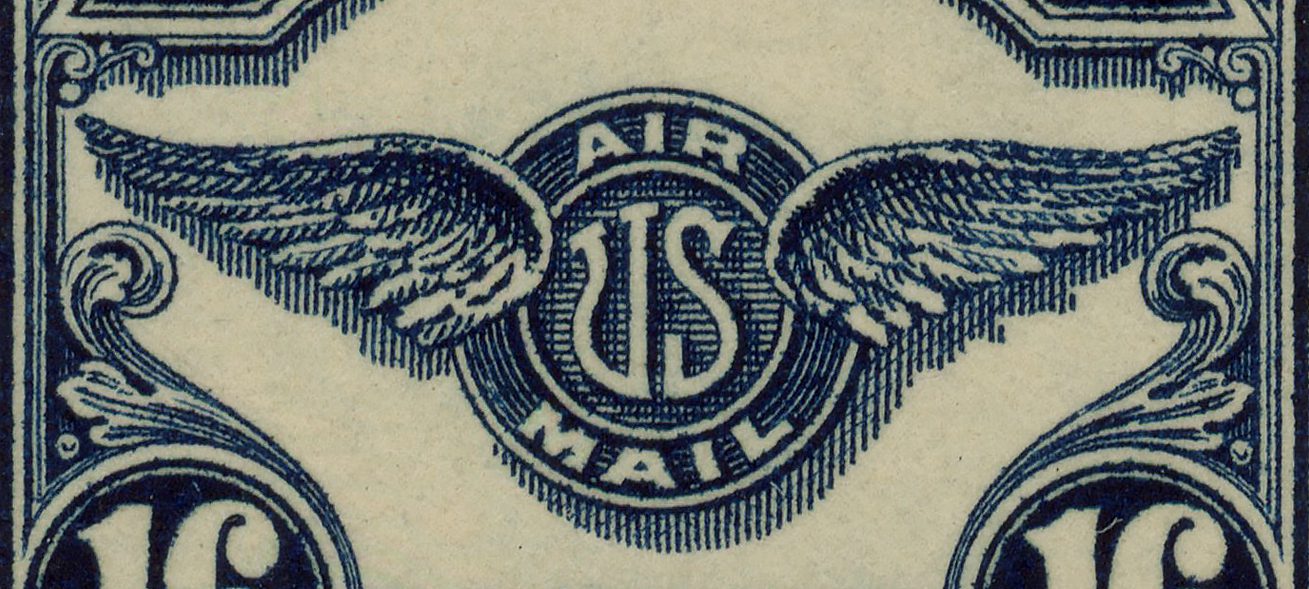
On August 17, 1923, the US Post Office issued its fifth Airmail stamp, #C5. Picturing the Air Service emblem, it was also the first US…
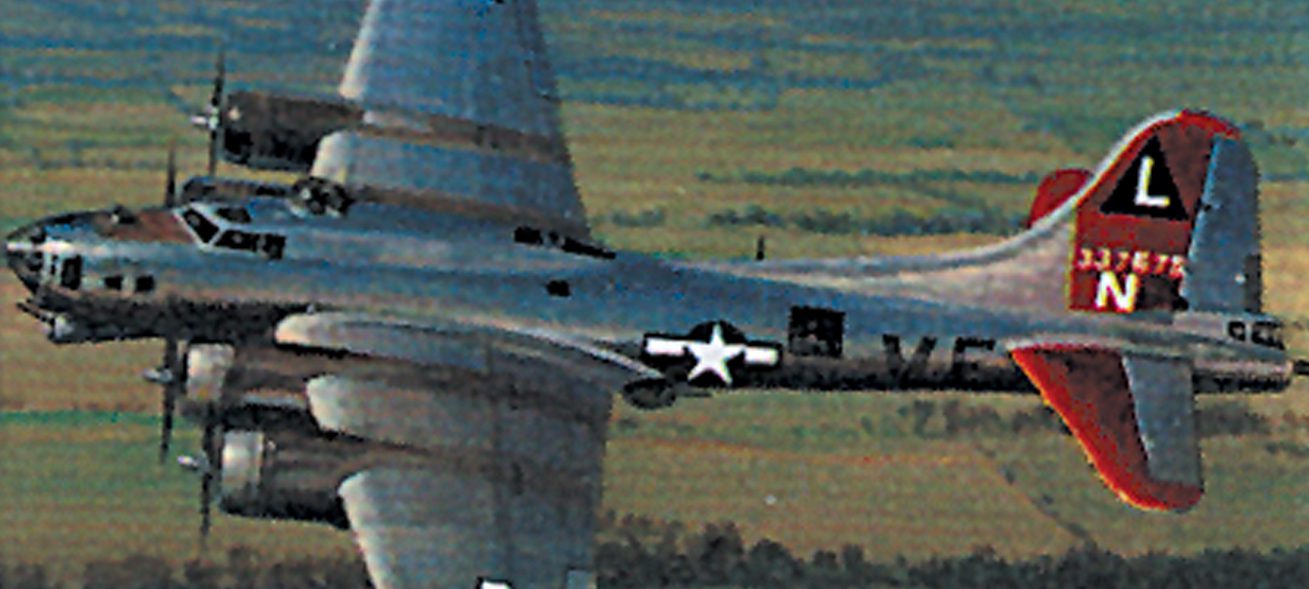
On July 28, 1935, Boeing’s Model 299, as it was called at the time, embarked on its first flight from a Seattle airfield. The plane would go on to be one of the most famous used during World War II.
Ferdinand Adolf Heinrich August Graf von Zeppelin was born on July 8, 1838, in Konstanz, Grand Duchy of Baden (now part of Germany). He developed the airships that bear his name and would later travel the world.
On June 13, 2002, the USPS issued the final sheet in the Classic Collection Series. The popular series ran for 6 years and included 11 stamp sheets, including one of the most famous stamp errors of modern history.