First Commissioned Female Airmail Pilot
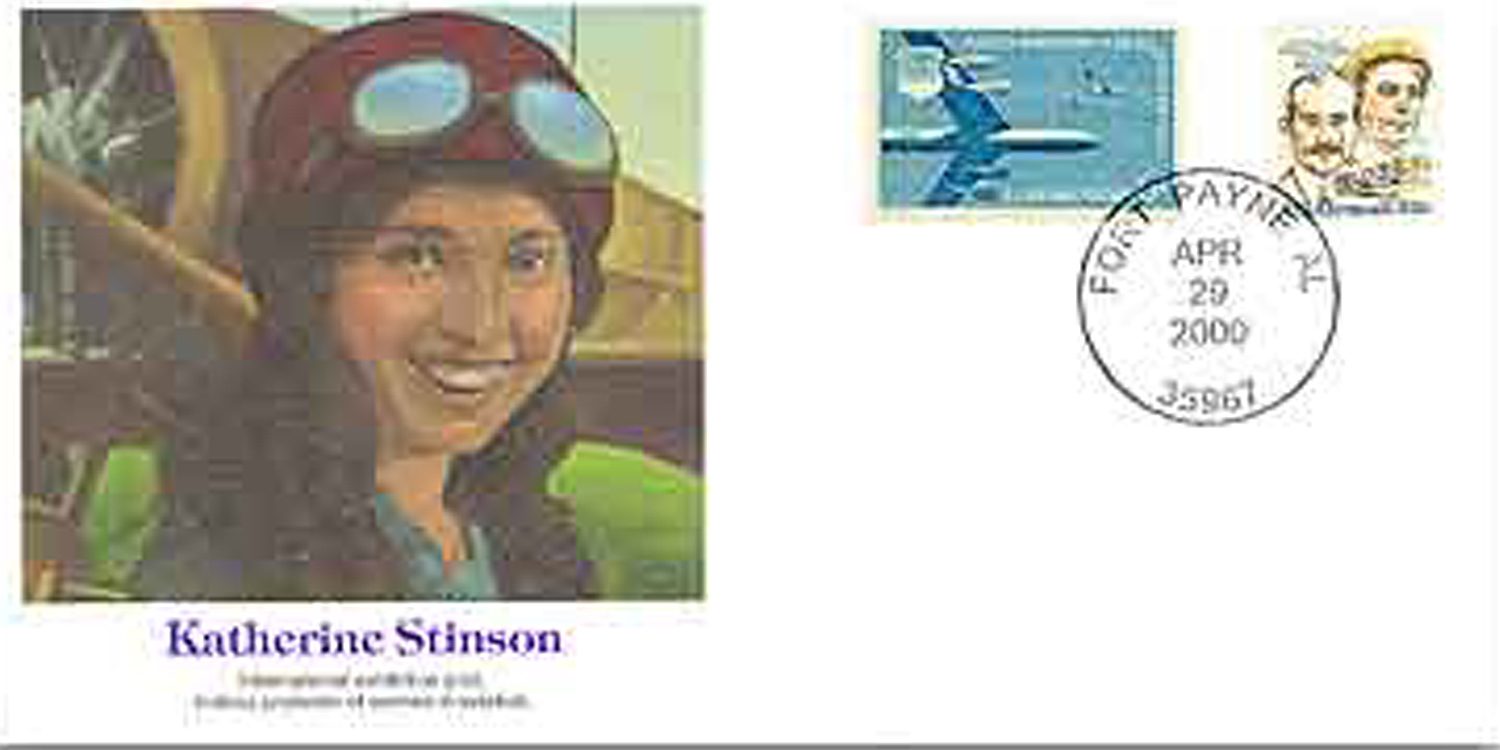
On May 23, 1918, Katherine Stinson became the first woman hired by the post office to deliver airmail in the US. She had several other notable firsts and records in her short flying career.
On May 20, 1932, Amelia Earhart completed the first solo flight across the Atlantic by a female, five years to day after Charles Lindbergh first made the same trip.
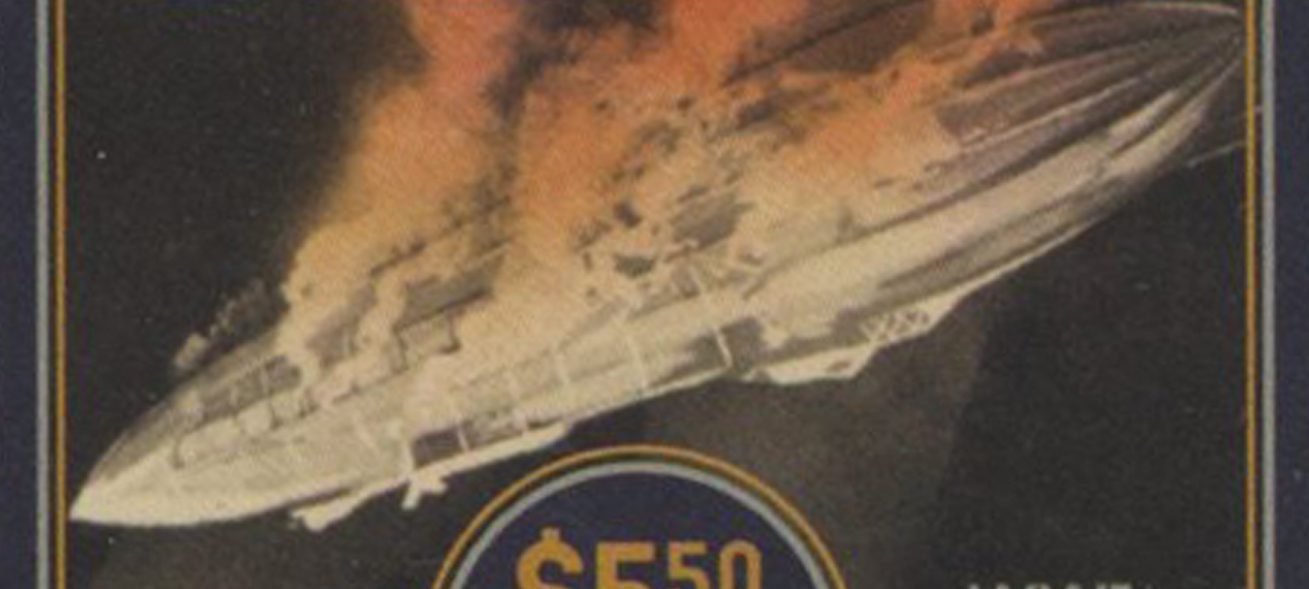
On May 6, 1937, the Hindenburg caught fire while preparing to land in Lakehurst, New Jersey, and was destroyed in less than a minute. The disaster killed 35 people aboard the airship and one worker on the ground, ending a famous chapter in passenger airship travel.
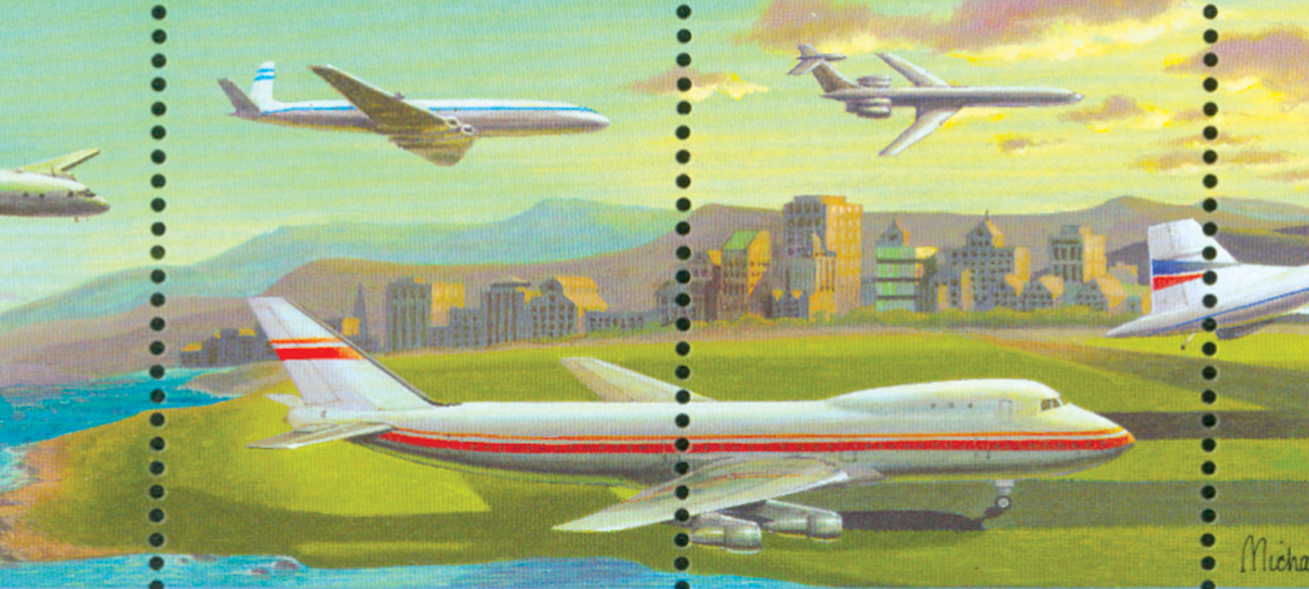
On May 2, 1952, the world’s first commercial jet airliner, the de Havilland Comet 1, began its maiden airline service from London to Johannesburg. The flight opened a new chapter in passenger travel, showing that jet power could move paying customers faster and higher than piston-engine airliners. Commercial aviation entered the jet age.
On April 20, 1918, Manfred von Richthofen—known around the world as the Red Baron—shot down his 80th enemy aircraft, setting a record for World War I. Within a day, his remarkable career would come to an abrupt end, cementing his place as the war’s most recognized flying ace.
On April 15, 1926, Charles Lindbergh made his first airmail flight, launching a new contract route between Chicago and St. Louis. Just over a year later, that same young pilot would become world famous—but on this morning, he was focused on carrying the mail safely and on schedule.
On March 19, 1941, the War Department ordered the creation of the 99th Pursuit Squadron, better known as the Tuskegee Airmen. What began as a reluctant experiment soon became one of the most disciplined and effective fighter programs of World War II.
On January 7, 1785, the sky briefly became part of the postal system. In a daring balloon flight watched by astonished crowds, mail was carried through the air for the first time, marking a bold experiment in communication and transportation that captured the imagination of the world.
On January 5, 1972, President Richard Nixon signed legislation authorizing the creation of America’s first space shuttle, the “world’s first reusable spacecraft.”