US Naval Academy Opened
Decades after America’s first ships took to the oceans to defend its interests, the US Naval Academy was opened on October 10, 1845. USNA graduates have participated in every major US conflict since the Mexican-American War.


Decades after America’s first ships took to the oceans to defend its interests, the US Naval Academy was opened on October 10, 1845. USNA graduates have participated in every major US conflict since the Mexican-American War.

On September 6, 1757, Marie-Joseph Paul Yves Roch Gilbert du Motier de Lafayette, better known as the Marquis de Lafayette was born in Chavaniac, in Haute Loire, France to a wealthy family. He became known as the “Hero to two worlds” after joining in the American Revolution.

On September 5, 1781, French forces won a decisive victory at the Battle of the Virginia Capes. The eventual siege of Yorktown was a success due to the joint efforts of the French fleet and the French and American troops on land.

On August 20, 1794, General “Mad Anthony” Wayne led American troops to victory at the Battle of Fallen Timbers. The win enabled the Treaty of Greenville and the US acquisition of the Ohio Territory.

On July 16, 1790, the District of Columbia was established with George Washington’s signing of the Residence Act. It would be 10 years before the national government officially relocated there.

On July 1, 1847, America’s first postage stamps were issued. While the use of stamps wasn’t mandatory until 1856, this was a historic philatelic milestone.

Revolutionary heroine Sybil Ludington was born on April 5, 1761 in Kent, New York. Her daring late-night ride mustered troops to help defend American territory.

On April 2, 1792, Congress passed the Coinage Act (also known as the Mint Act), which, among other things, created the United States Mint. The US Mint building in Philadelphia was the first federal building created under the Constitution.
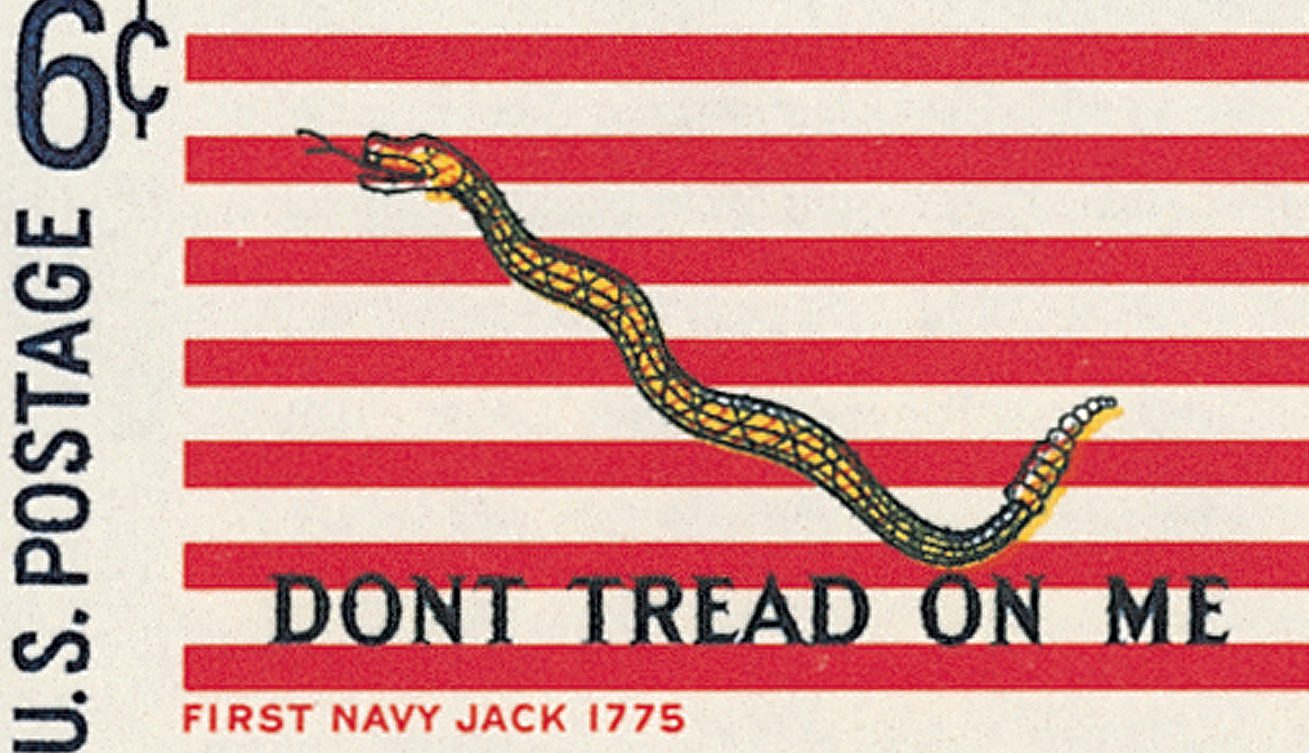
On March 27, 1794, Congress passed the Naval Act, creating America’s permanent naval force. Since then, it has become one of the largest and most powerful navies in the world.