Battle of San Jacinto
On April 21, 1836, Texan soldiers led a swift attack on an unsuspecting Mexican force at the Battle of San Jacinto. It was the final, decisive battle of the Texas Revolution.

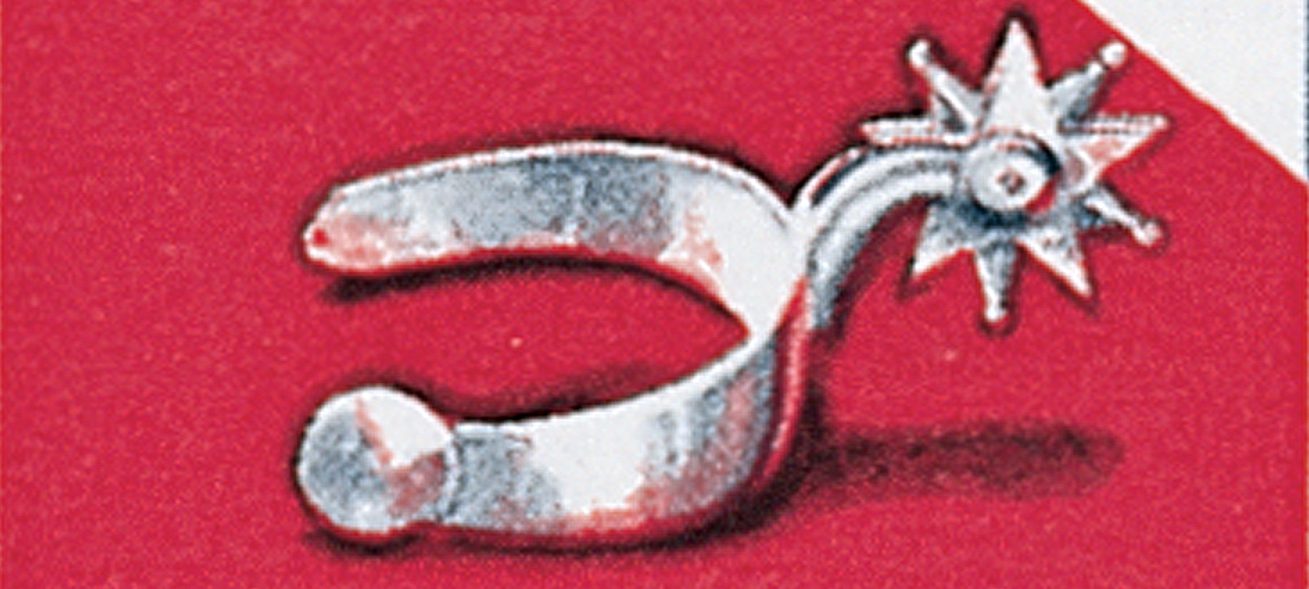
On April 21, 1836, Texan soldiers led a swift attack on an unsuspecting Mexican force at the Battle of San Jacinto. It was the final, decisive battle of the Texas Revolution.
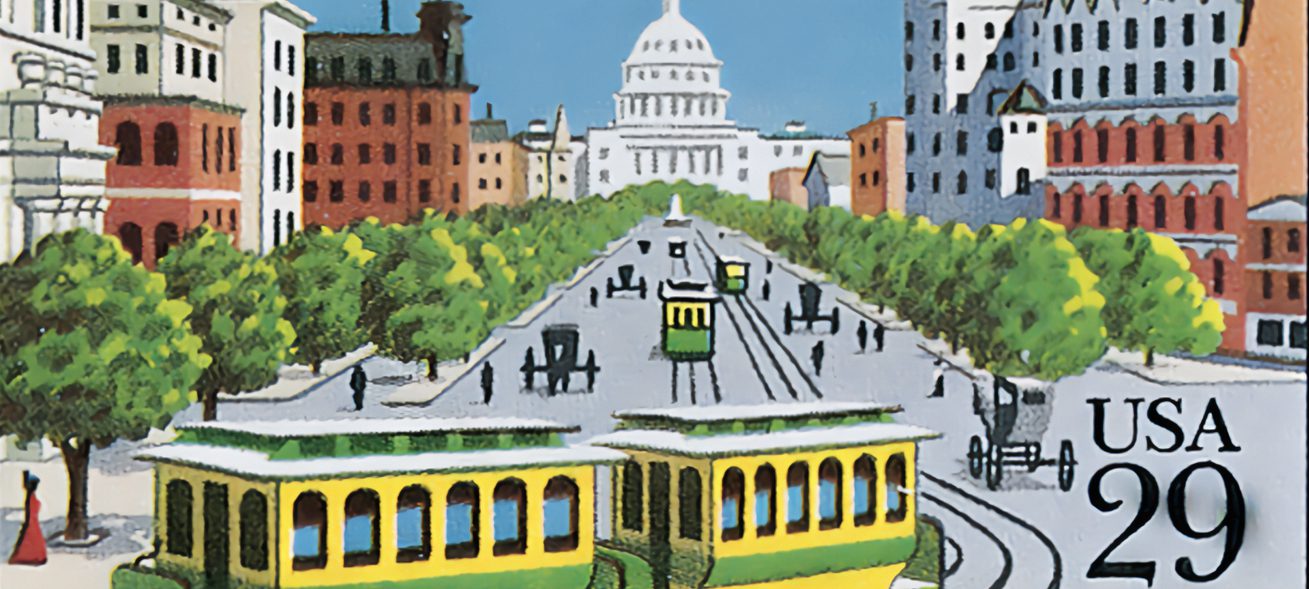
On April 16, 1862, President Abraham Lincoln signed the District of Columbia Compensated Emancipation Act. The act freed over 3,100 people enslaved in the US capital nine months before the Emancipation Proclamation would free all enslaved people in the US.

On April 8, 1918, Charlie Chaplin and Douglas Fairbanks held a war bond drive on Wall Street to bolster support for the war effort.
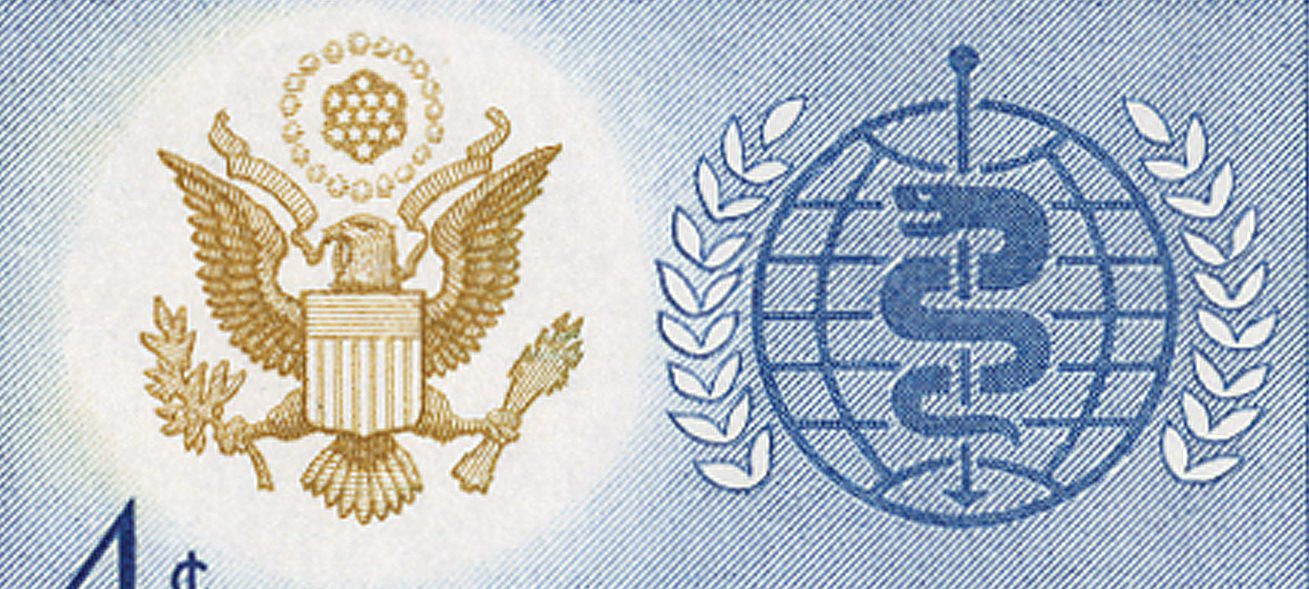
On April 7, 1948, the World Health Organization (WHO) was officially created as a specialized agency of the United Nations. The WHO coordinates international efforts to combat outbreaks of infectious diseases and conduct research and education.
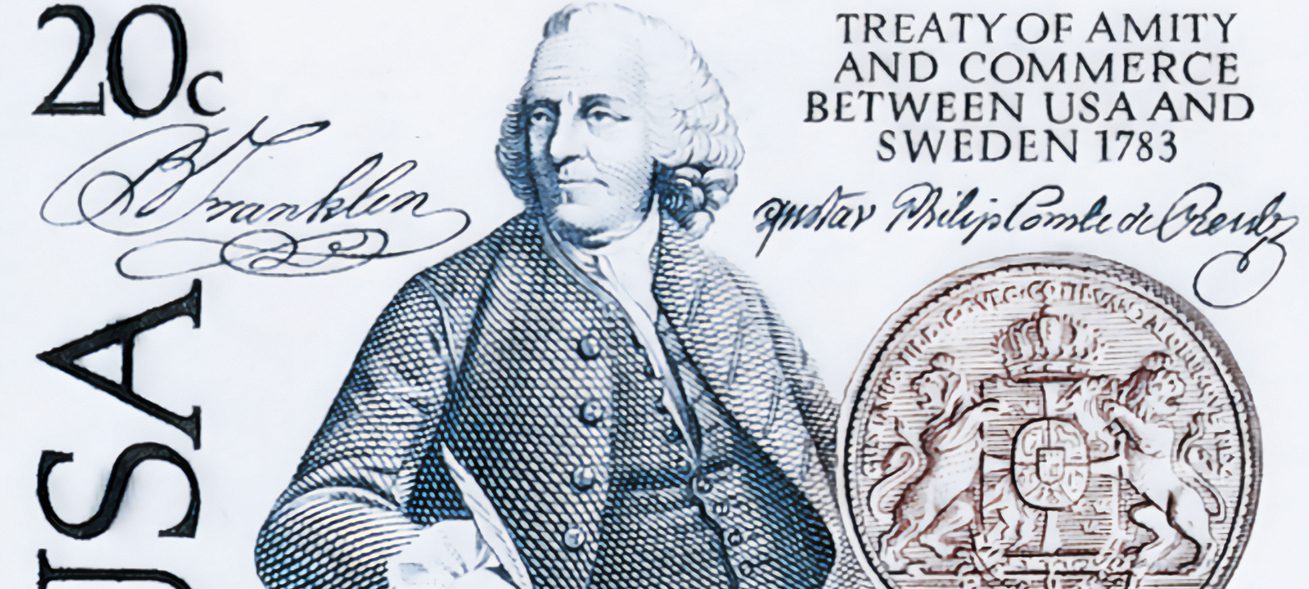
On April 3, 1783, the US signed the Treaty of Amity and Commerce with Sweden, the first such treaty between the US and a country that wasn’t an ally in the Revolutionary War.
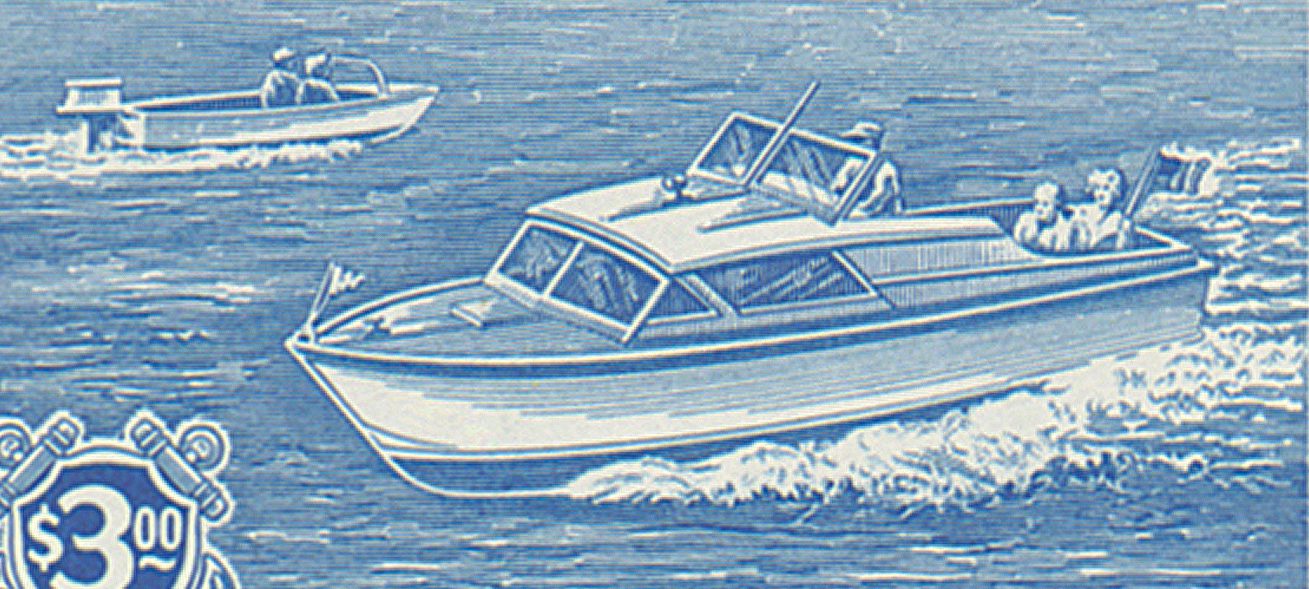
On April 1, 1960, the US issued two boat stamps for use on motorboat applications. The stamps were part of an effort to promote boating safety in collaboration with the Coast Guard.

On March 30, 1867, US Secretary of State William Seward purchased Alaska from Russia in what many at the time called “Seward’s Folly.”
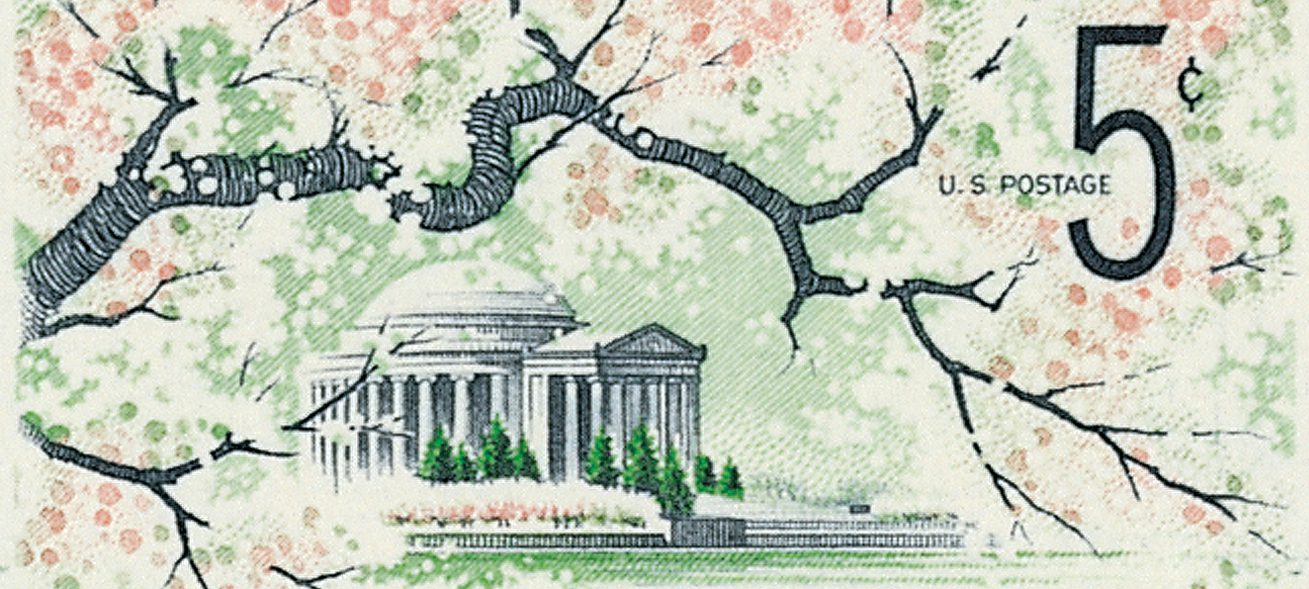
On March 27, 1912, US First Lady Helen Taft and wife of the Japanese ambassador Viscountess Chinda Iwa planted two Yoshina cherry trees on the northern bank of the Potomac River. The plantings were in celebration of the Japanese gift of 3,020 cherry trees to the US government.
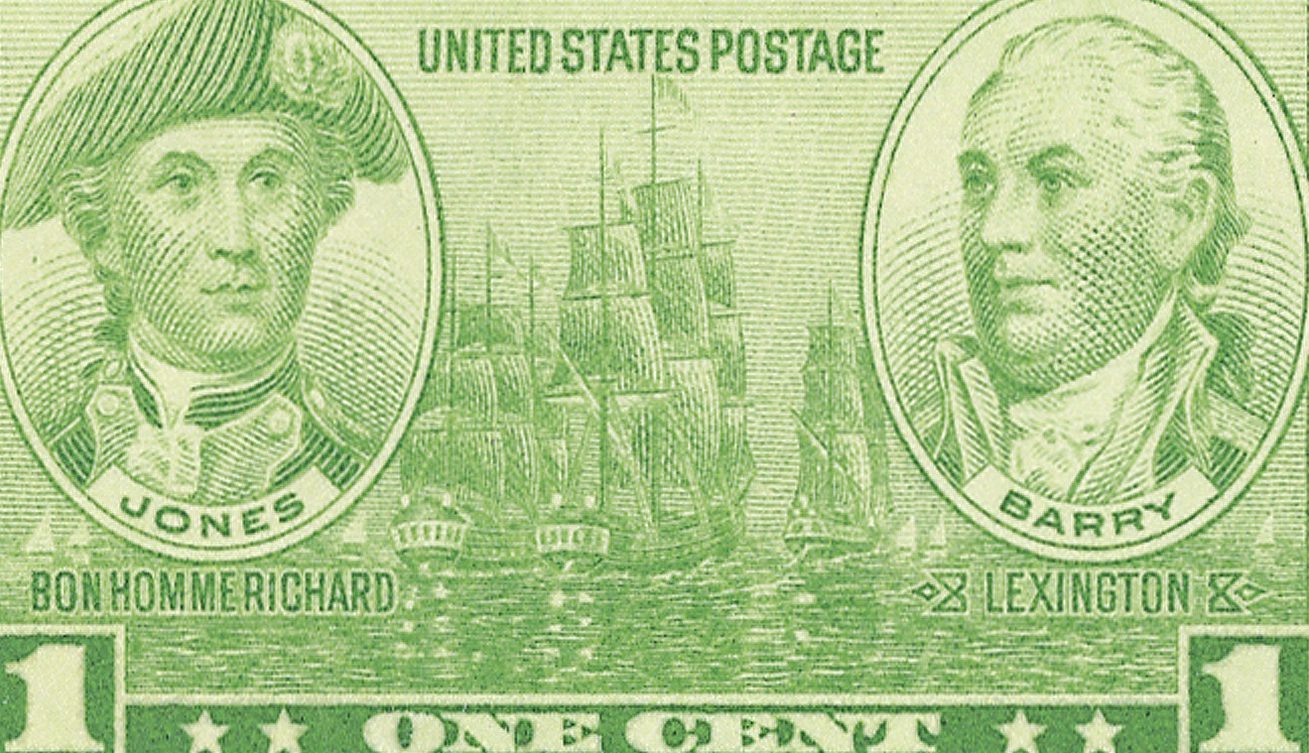
Naval officer John Barry was born on March 25, 1745, in Tacumshane, Ireland. A hero of the Revolutionary War, he’s been called the “Father of the American Navy.”