Start of the Electrical Age
On September 4, 1882, Thomas Edison began providing electricity to a portion of New York City, an event often considered the start of the electrical age.

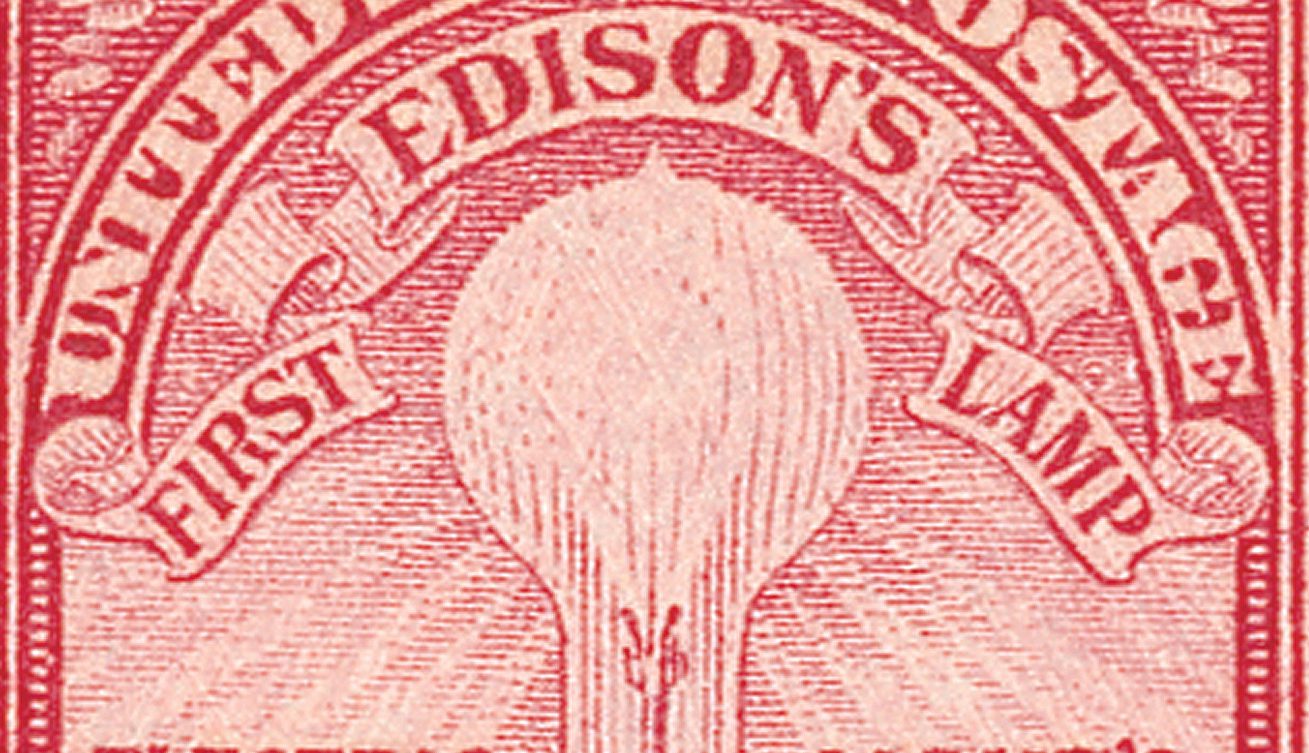
On September 4, 1882, Thomas Edison began providing electricity to a portion of New York City, an event often considered the start of the electrical age.
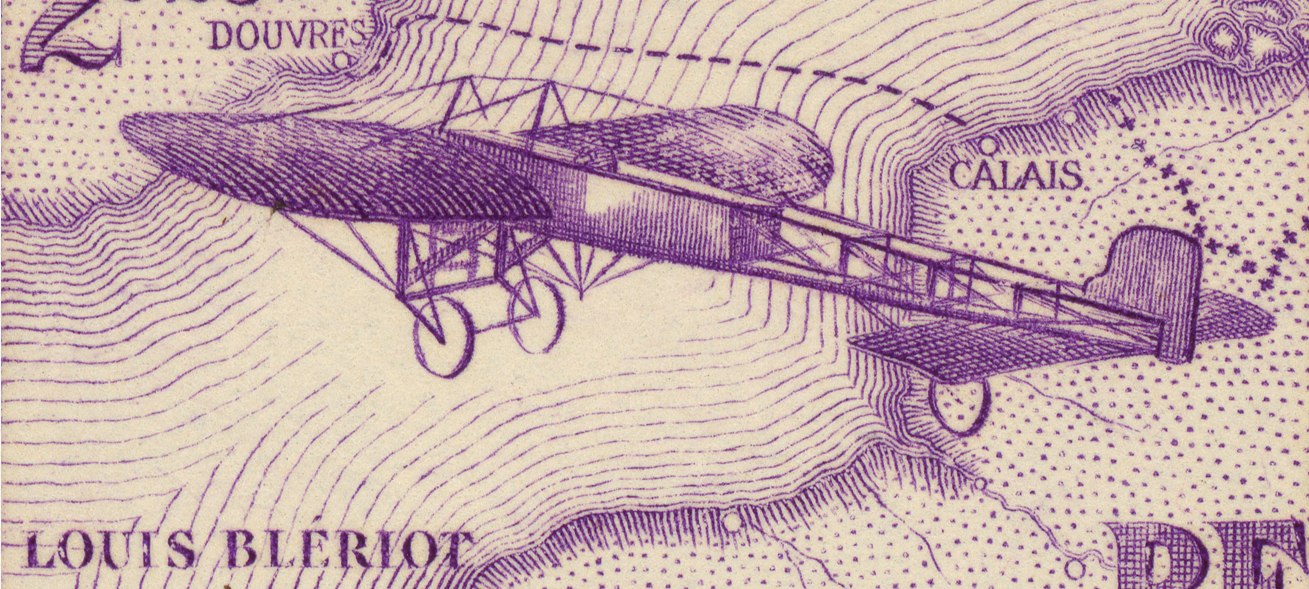
On July 25, 1909, Louis Blériot became the first person to fly an airplane across the English Channel. Flying a small monoplane from near Calais to Dover, the French aviator completed the dangerous journey in just 36 minutes and 30 seconds.
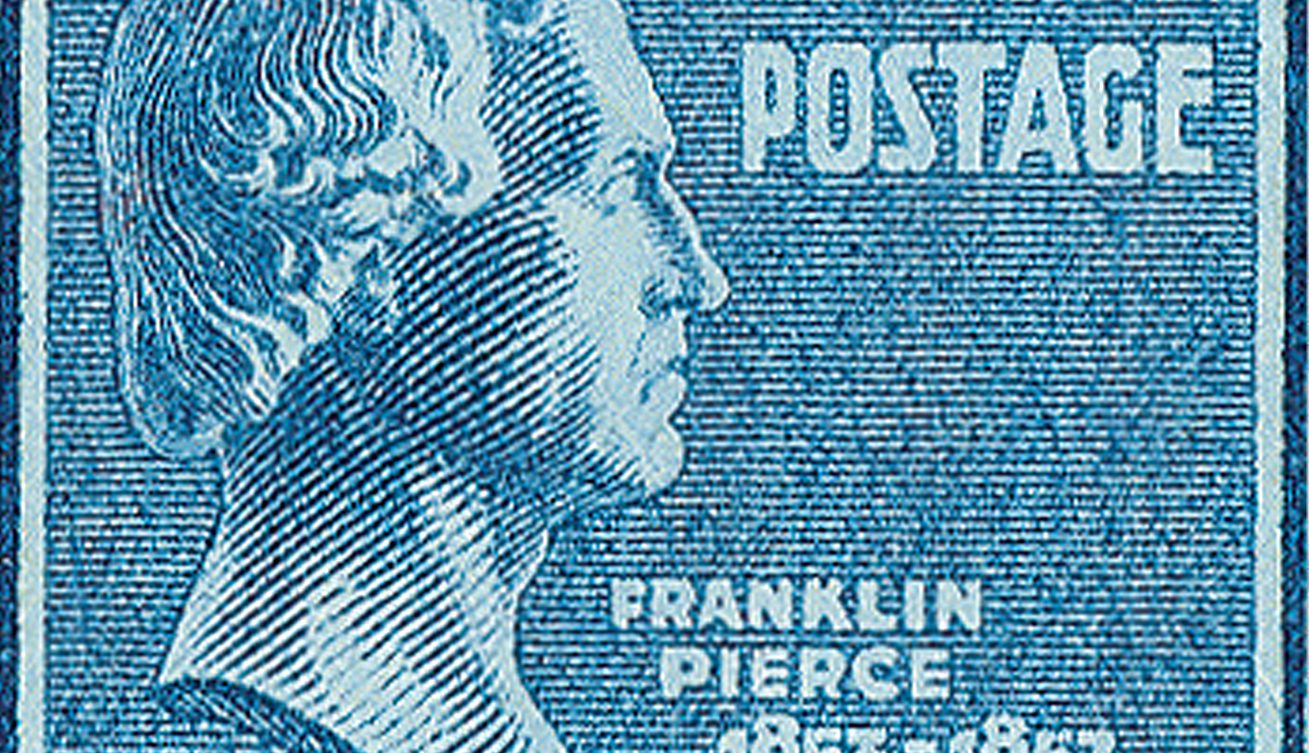
On July 14, 1853, President Franklin Pierce opened a glass-and-iron palace in New York City filled with machinery, art, and manufactured goods from around the world. The Exhibition of the Industry of All Nations became the first major world’s fair in the United States and tested whether New York could rival London as a center of industry and culture.

The father of American musical comedy, George Michael Cohan was born on July 3, 1878, in Providence, Rhode Island. He later became so closely associated with patriotic music that many Americans believed he had been born on the Fourth of July, a story Cohan himself enjoyed encouraging.

On April 10, 1790, President George Washington signed the Patent Act of 1790 into law, creating a formal system to protect new inventions in the young United States. In just a few paragraphs, the new nation set rules that would shape American innovation for generations.

On April 2, 1872, telegraph inventor Samuel Morse died, closing the life of a man whose work helped make near-instant communication possible. His system turned electricity into language, allowing messages to travel across vast distances in seconds rather than days.

On March 27, 1884, the first long-distance telephone call between New York and Boston proved that voices could travel hundreds of miles over a wire. That single connection helped shift the telephone from a local novelty into a system capable of linking entire regions.
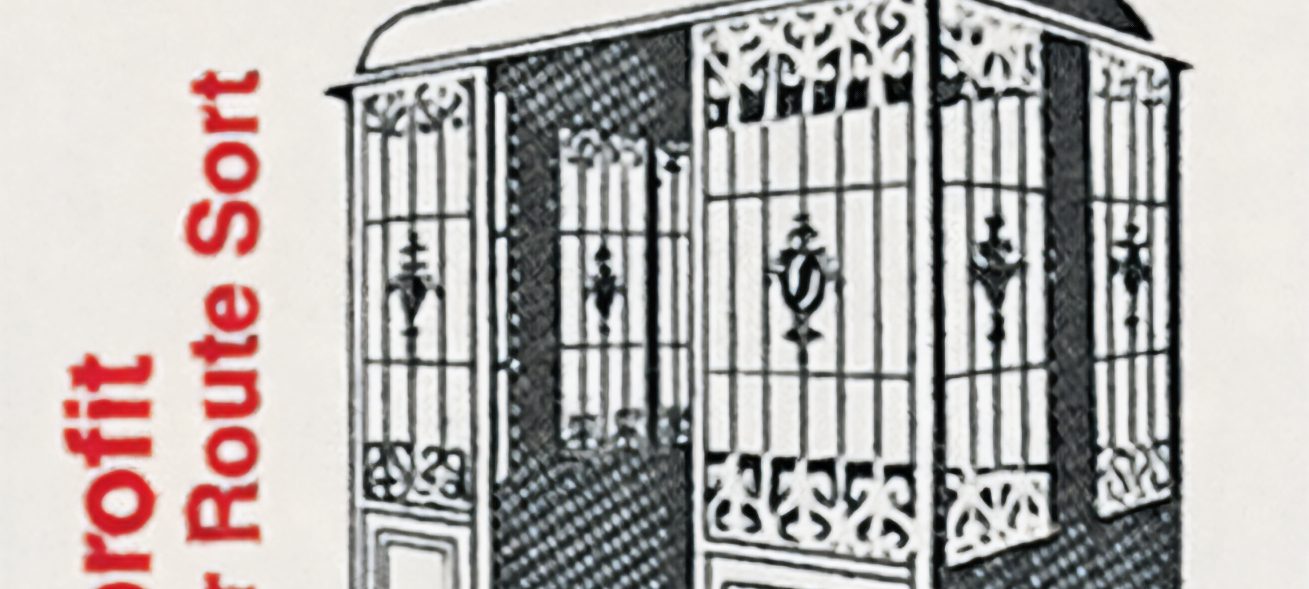
On March 23, 1857, the first commercial safety elevator was installed in New York City by the Otis Company. This new design solved a long-standing danger and made it practical for people—not just cargo—to move safely between floors in tall buildings.

On March 14, 1794, Eli Whitney received a patent for his cotton gin nearly five months after submitting his application. The machine would dramatically speed up cotton processing and reshape the economy of the American South.