Pitcairn Islands Stamps Fund the Colony
On October 15, 1940, the Pitcairn Islands Post Office opened, issuing the colony’s first stamps. These stamps were very popular with collectors and eventually helped support most of the colony’s budget.

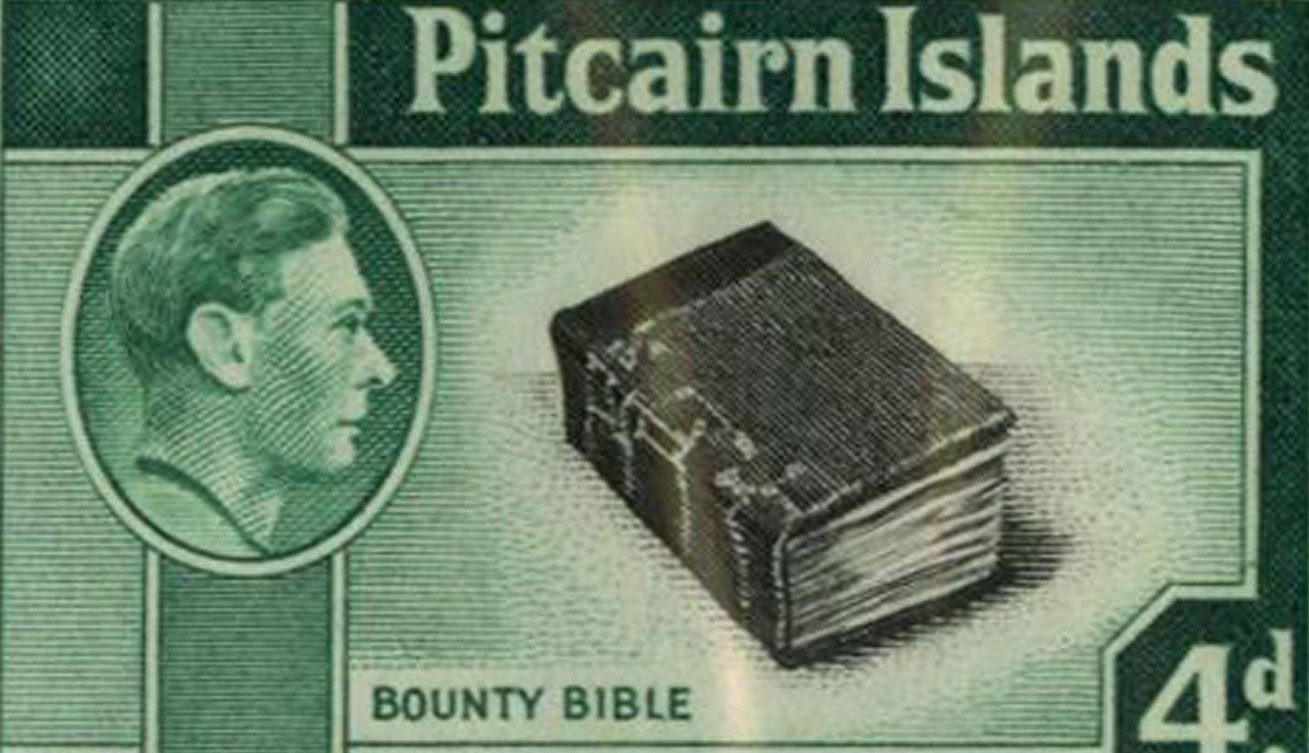
On October 15, 1940, the Pitcairn Islands Post Office opened, issuing the colony’s first stamps. These stamps were very popular with collectors and eventually helped support most of the colony’s budget.

On October 8, 2003, the USPS issued its third Semipostal stamp, which raised funds to help stop family violence.
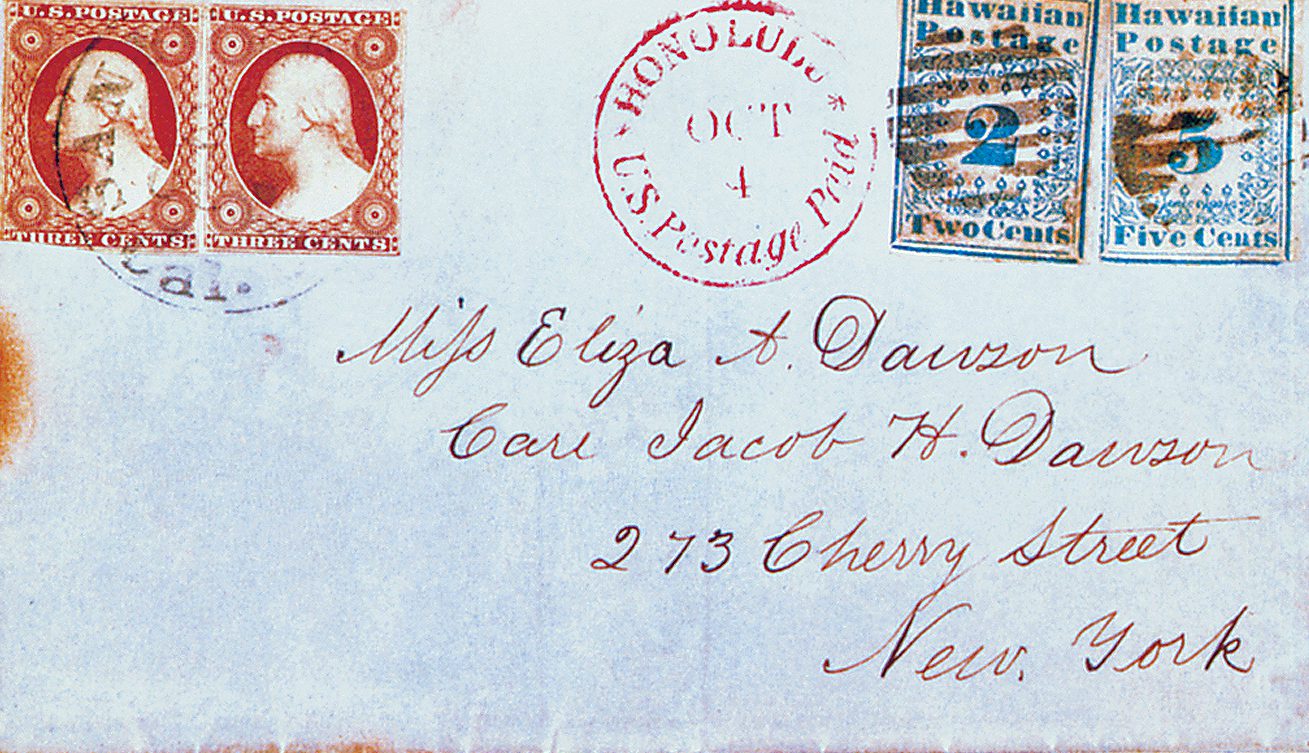
On October 1, 1851, Hawaiʻi placed its first postage stamps on sale—tiny blue labels that are now among the world’s rarest and most sought-after stamps. Called the Hawaiian Missionaries, they were created to bring dependable postage to islands whose overseas mail had long traveled by chance.
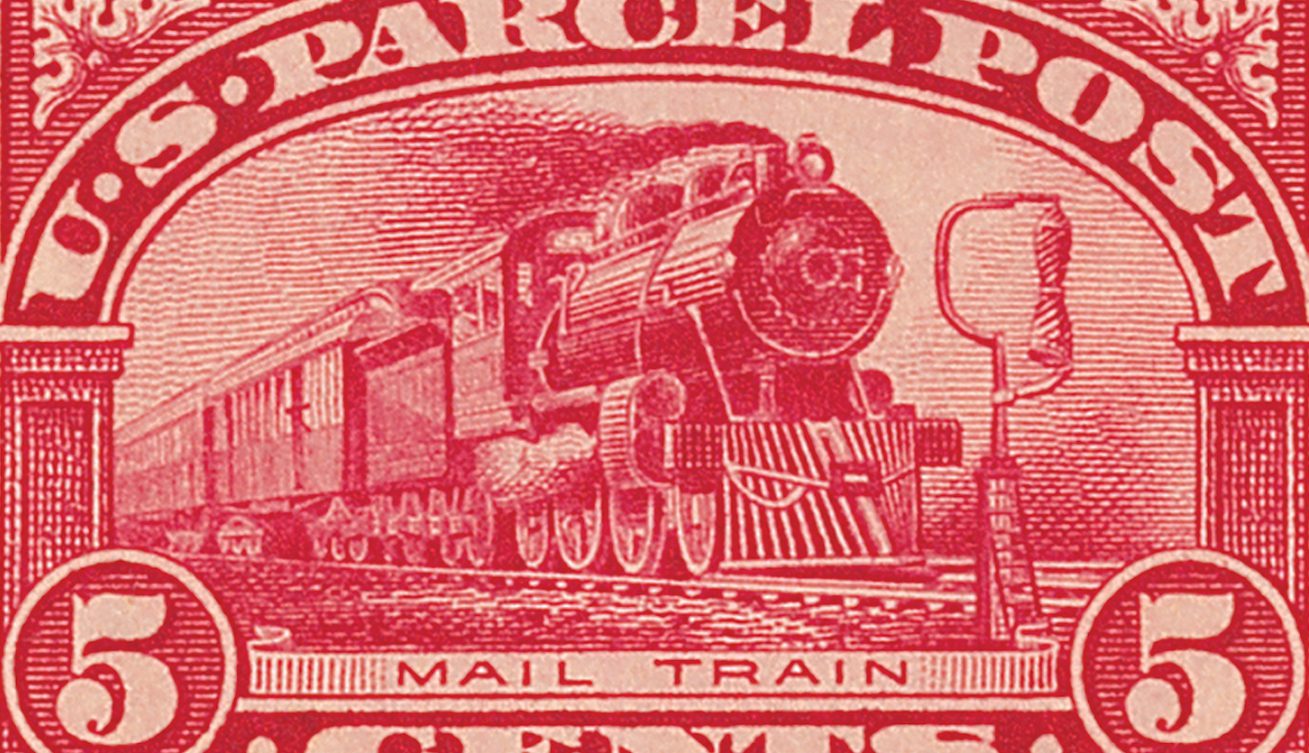
On August 28, 1864, the US Post Office Department created the Railway Mail Service. It revolutionized mail delivery for a century.
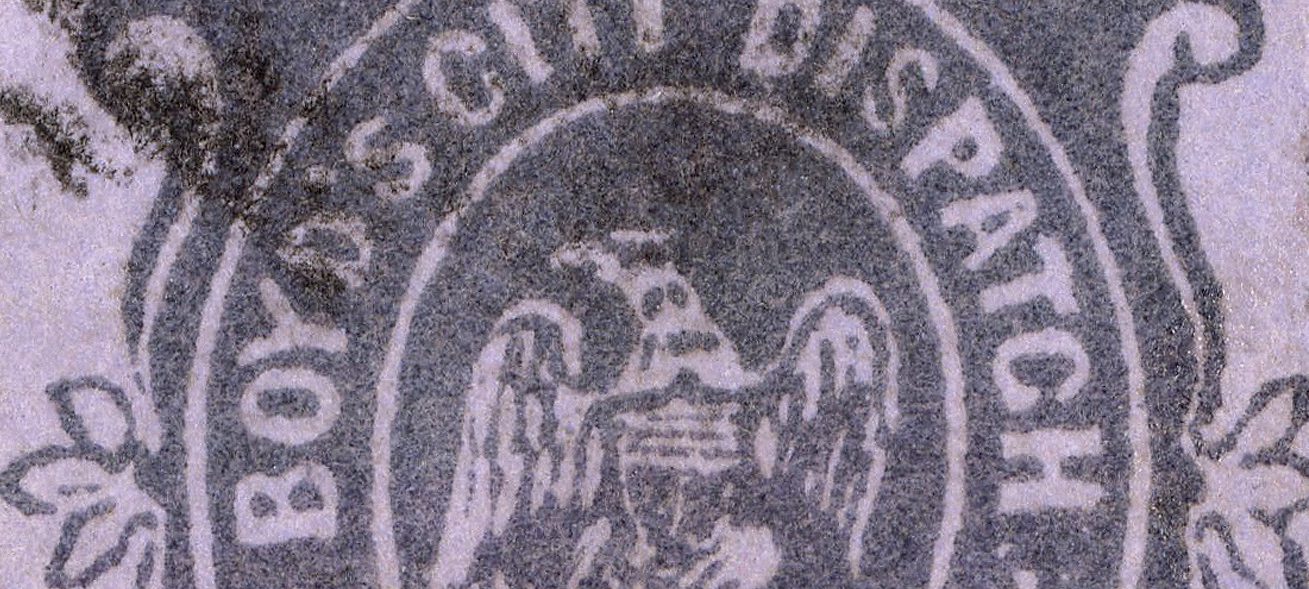
On June 17, 1844, Boyd’s City Express Post opened in New York City, offering residents a faster alternative for sending letters across the growing metropolis. Despite decades of government efforts to restrict private mail services, Boyd’s continued making deliveries for more than 40 years.
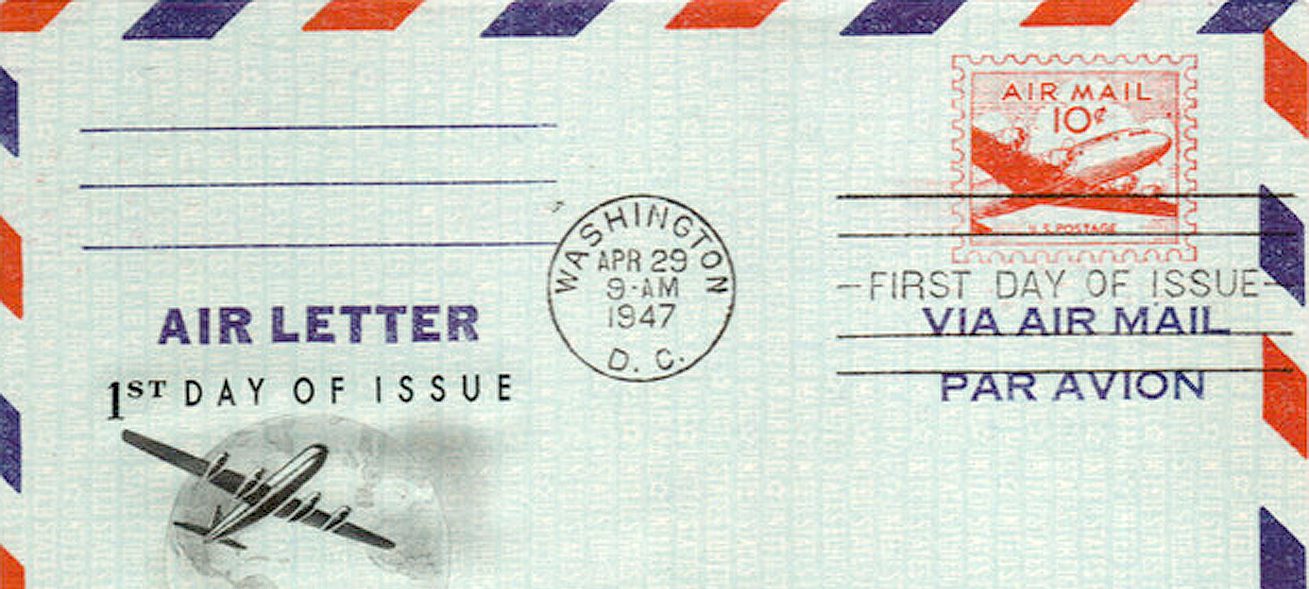
On April 29, 1947, the United States issued its first aerogram, then called an air letter sheet. It was a simple folded sheet of paper, but it offered Americans a cheaper and faster way to send personal messages overseas in the growing age of air travel.
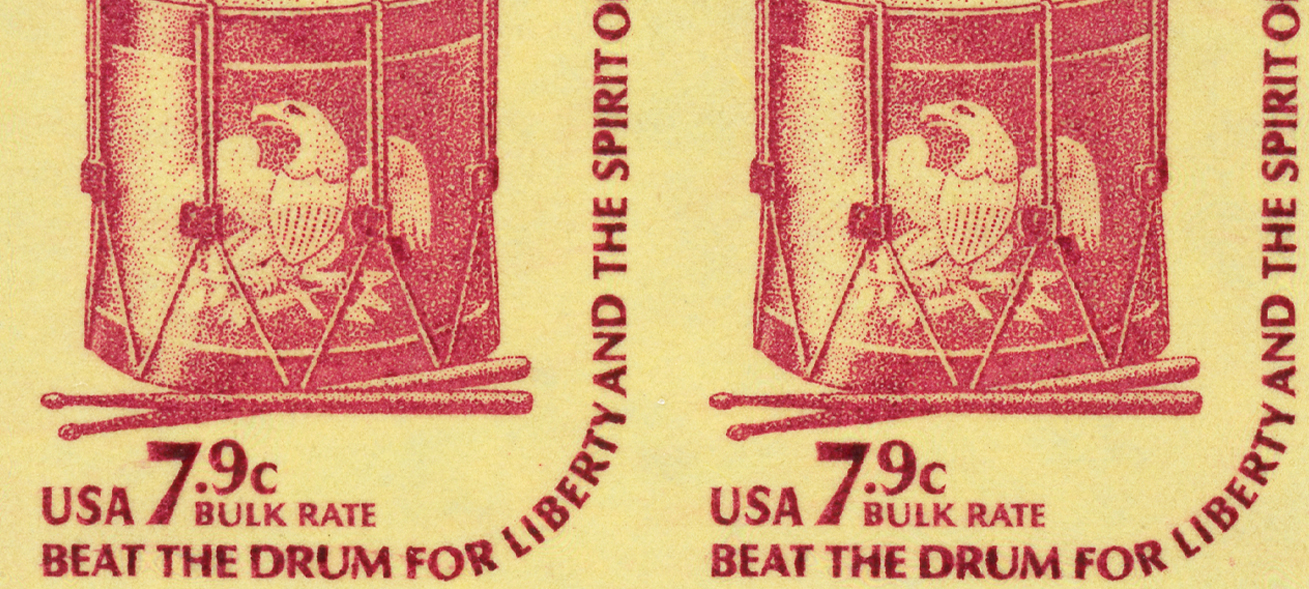
On April 23, 1976, the USPS issued the first regular postage stamp to include a service indicator. While most Americans would never use it or notice it, the 7.9-cent Drum coil stamp quietly solved a problem that had complicated bulk mailing for decades.

On April 15, 1926, Charles Lindbergh made his first airmail flight, launching a new contract route between Chicago and St. Louis. Just over a year later, that same young pilot would become world famous—but on this morning, he was focused on carrying the mail safely and on schedule.
On April 9, 1921, Postmaster General Will H. Hays took an extraordinary step: he ordered the arming of postal workers who handled the nation’s most valuable mail. The order came after a sharp rise in armed robberies, when trains, mail cars, and postal employees had become targets for thieves looking for cash, securities, and registered mail.