Yosemite Land Grant
On June 30, 1864, President Abraham Lincoln signed the Yosemite Land Grant. This made Yosemite Valley the first piece of land set aside by the US government for preservation and public use.


On June 30, 1864, President Abraham Lincoln signed the Yosemite Land Grant. This made Yosemite Valley the first piece of land set aside by the US government for preservation and public use.
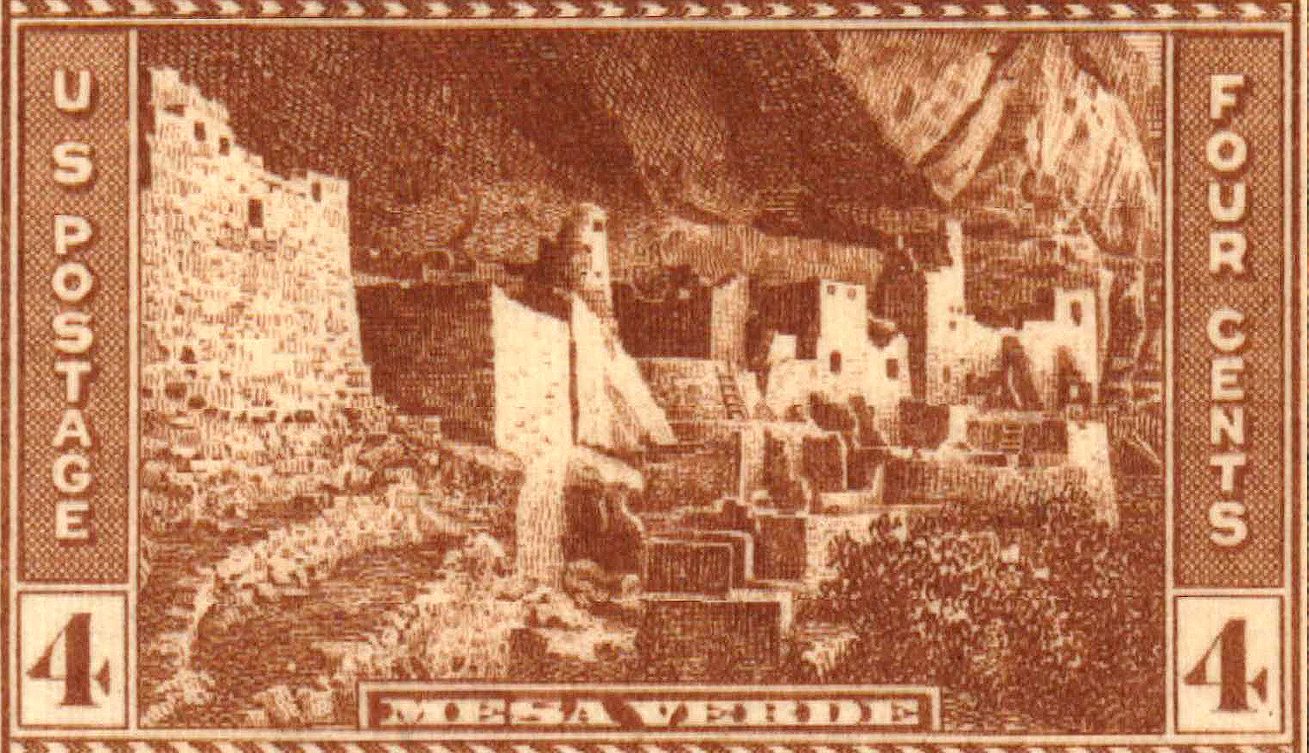
On June 29, 1906, President Theodore Roosevelt established Mesa Verde National Park, the first American park created to “preserve the works of man.” It’s since been called “the best cultural attraction” in the Western United States.

Cumberland Gap National Historical Park was established on June 11, 1940, along the Kentucky-Virginia border. The park preserves and honors the “first great gateway to the West.”
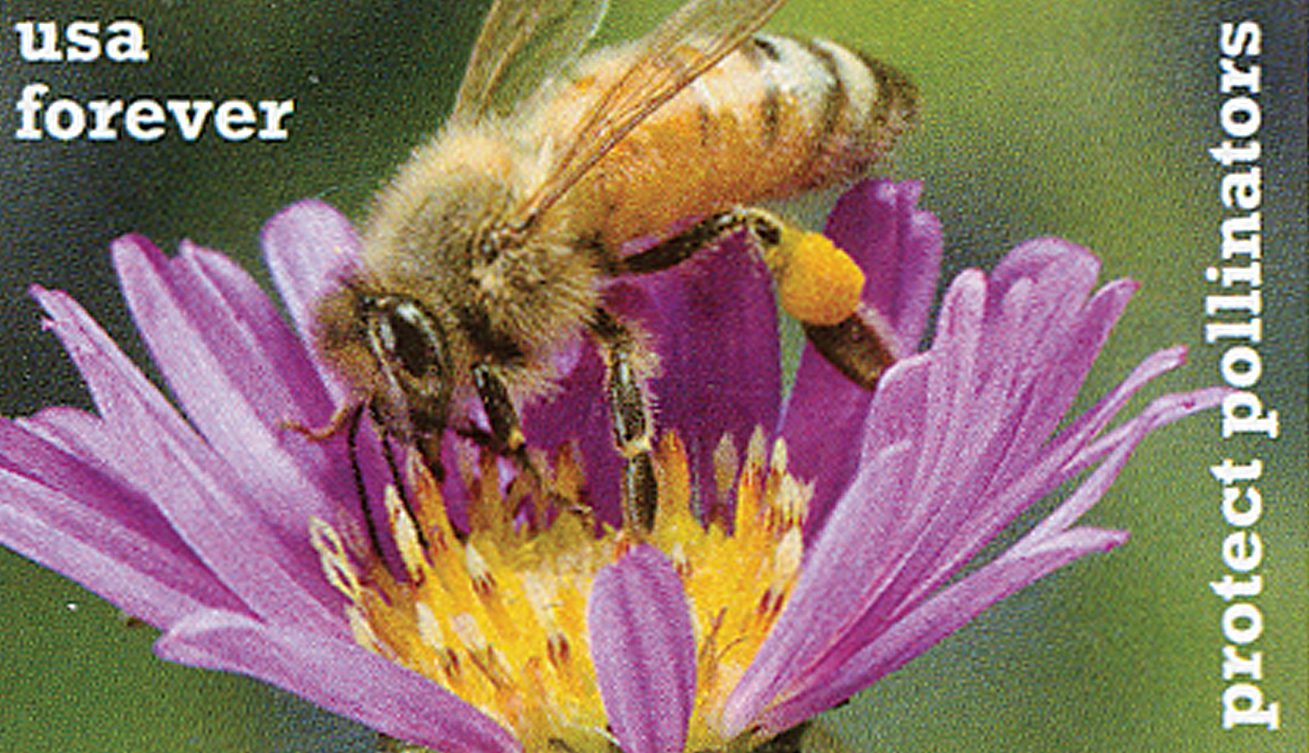
On May 20, 2018, the United Nations declared the first World Bee Day, to bring attention to the importance of bees and the plights they face. This date was chosen because it is considered the birthday of Slovenian beekeeping pioneer Anton Janša.
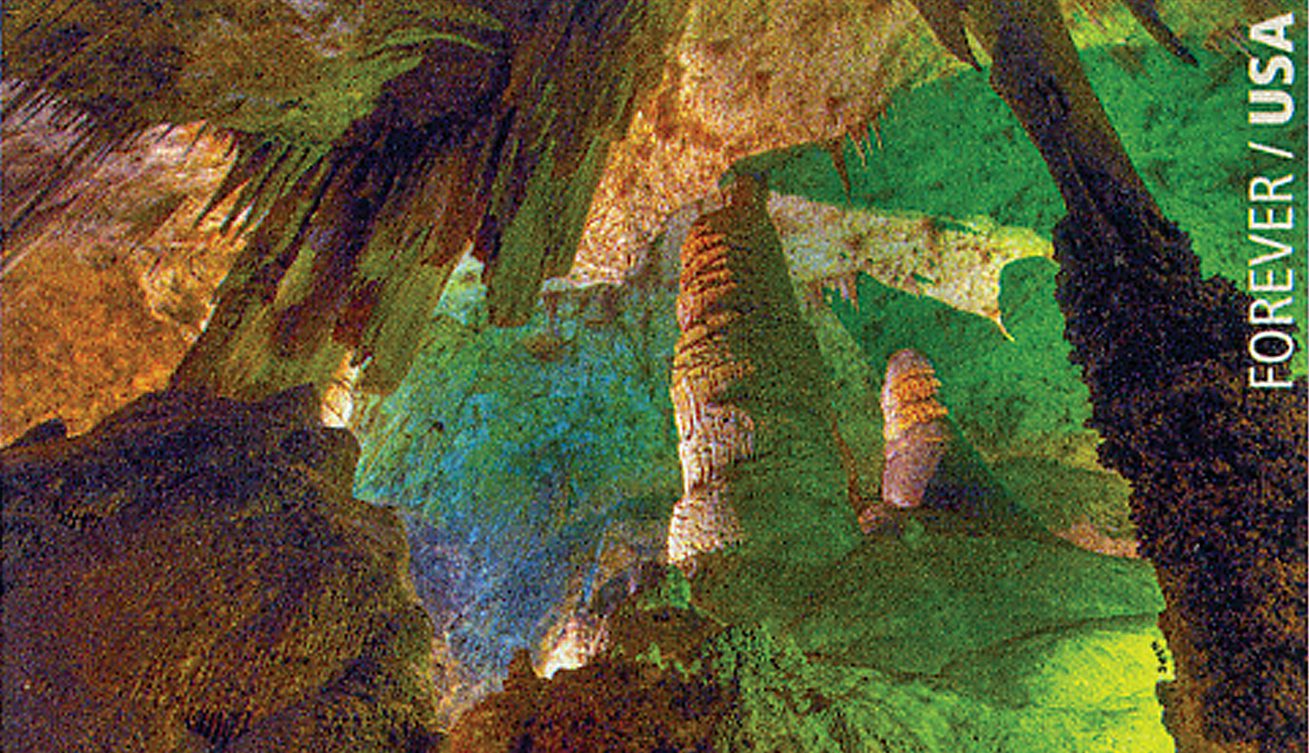
On May 14, 1930, Carlsbad Caverns National Park was officially created in New Mexico. The park is home to the largest limestone chamber in North America, known as the Big Room.
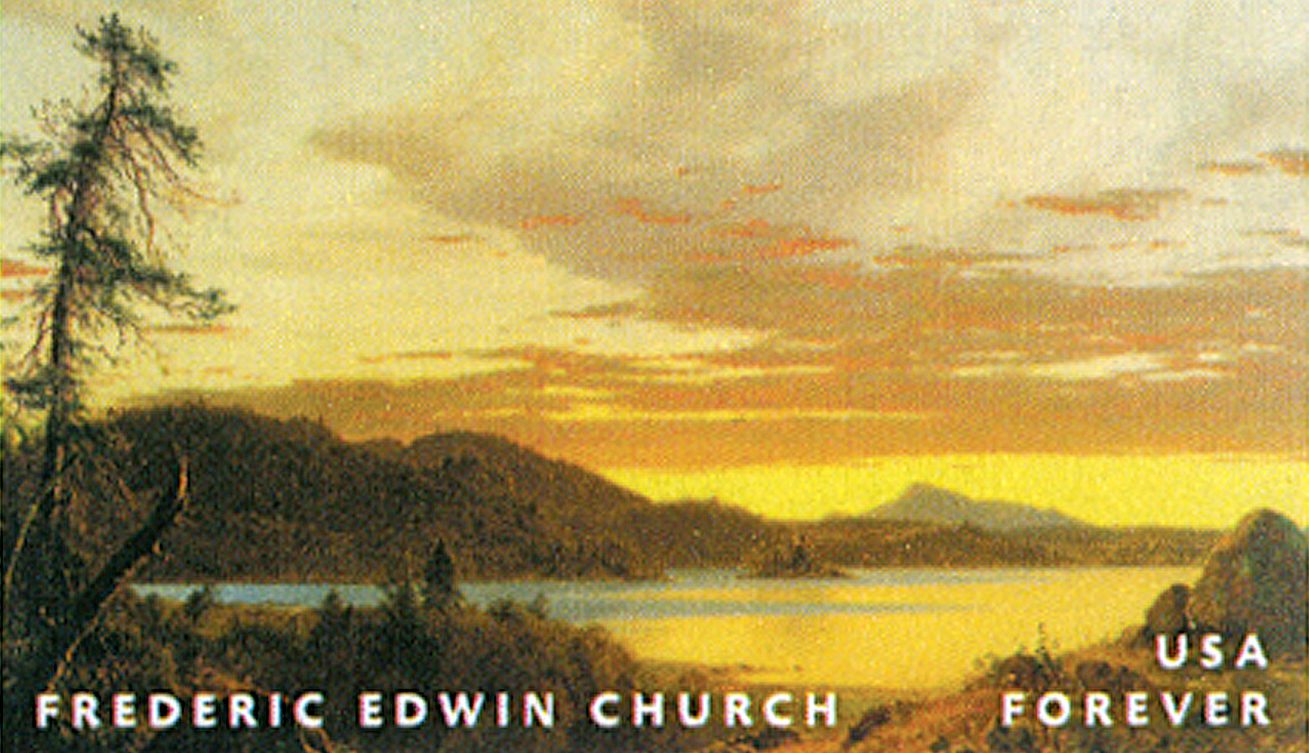
Frederic Edwin Church was born on May 4, 1826, in Hartford, Connecticut. Known for his large, dramatic landscapes, he is one of the most traveled, best known, and most successful of the Hudson River School artists.
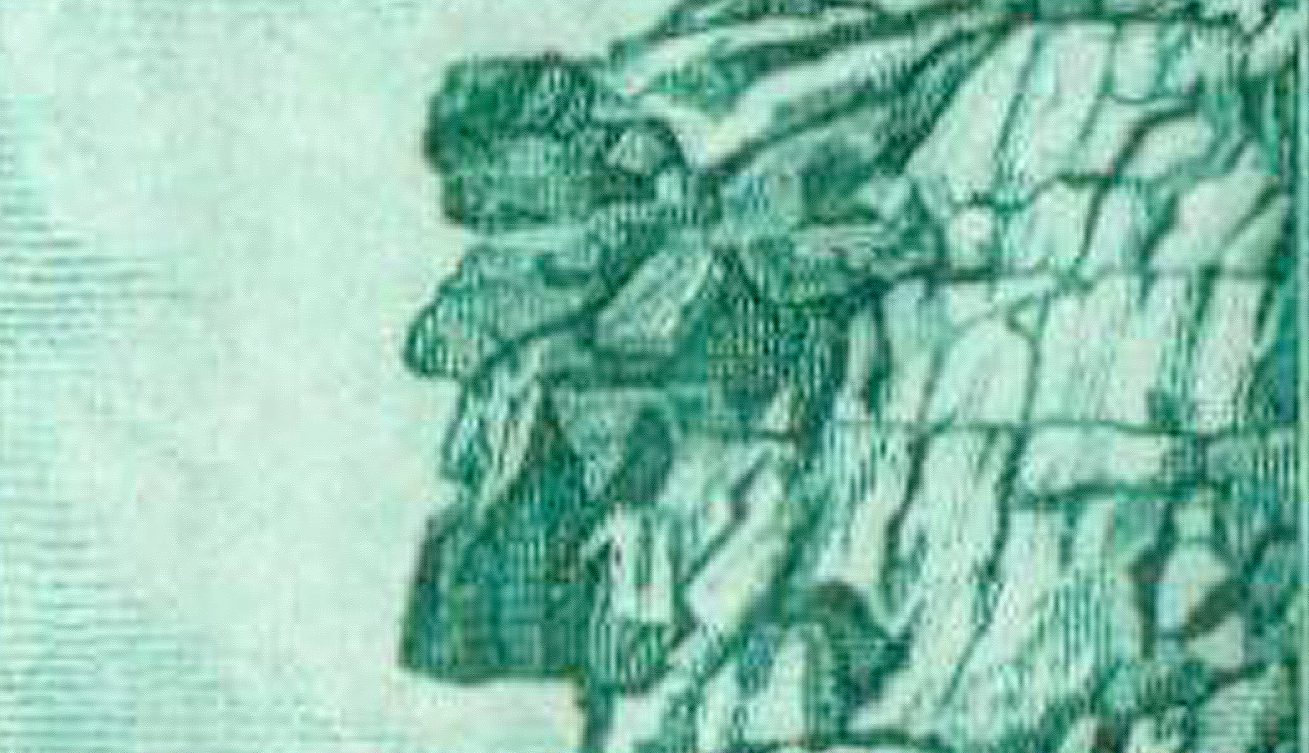
On May 3, 2003, the Old Man of the Mountain rock formation in New Hampshire collapsed. It had been the official state emblem for decades, and continues to appear on license plates and other items.
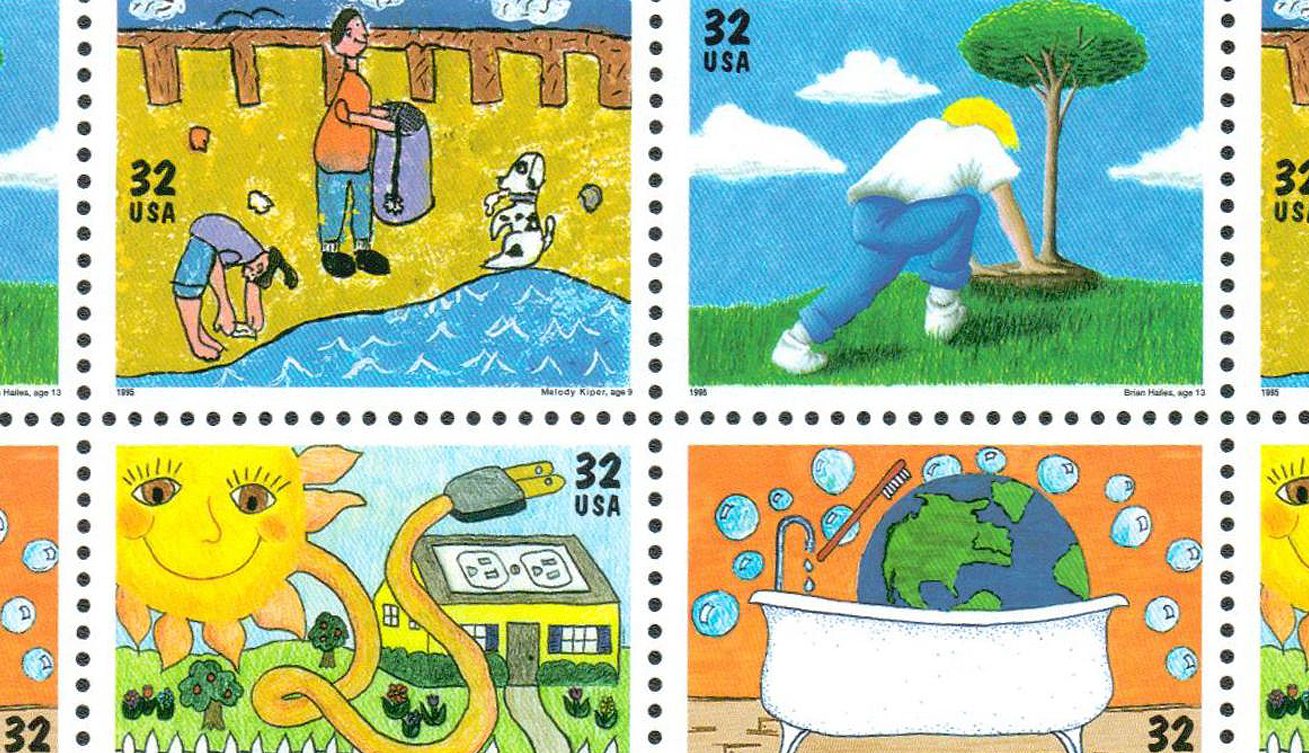
On April 22, 1970, some 20 million people took part in the first Earth Day in America. Today, the event has spread across the world and is celebrated by more than one billion people.

On March 16, 1937, Bombay Hook National Wildlife Refuge was established in Delaware. The refuge projects vital wetlands and salt marshes that serve as important breeding and wintering grounds for hundreds of species of waterfowl and migrating birds.