Theodore Roosevelt National Park
On November 10, 1978, Theodore Roosevelt National Park was established on North Dakota. Roosevelt’s time in the Badlands inspired his conservation efforts as president, establishing over 200 protected areas.


On November 10, 1978, Theodore Roosevelt National Park was established on North Dakota. Roosevelt’s time in the Badlands inspired his conservation efforts as president, establishing over 200 protected areas.
On October 27, 1986, Great Basin National Park was established in Nevada. The park protects ancient bristlecone pines, Wheeler Peak Glacier, and more.
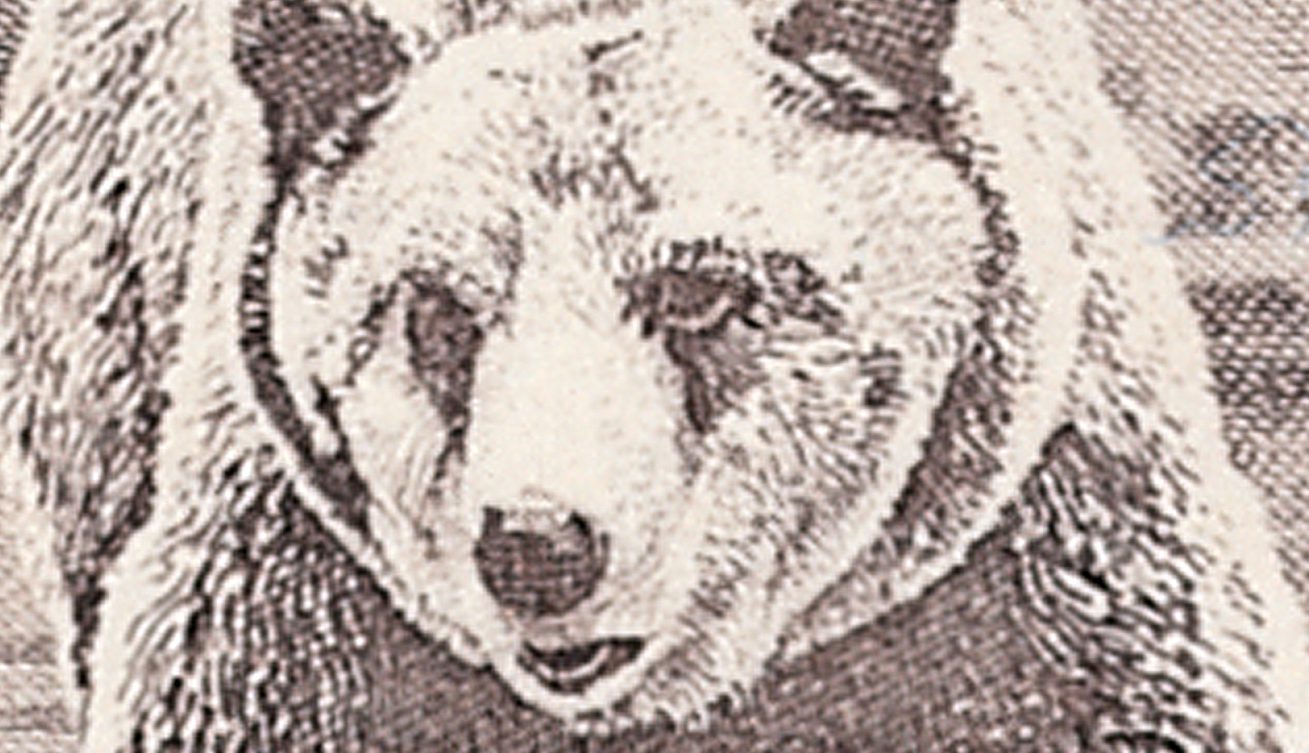
Effigy Mounds National Monument in Iowa was established on October 25, 1949. The monument protects and interprets the history behind about 200 mounds built by Native Americans centuries ago.
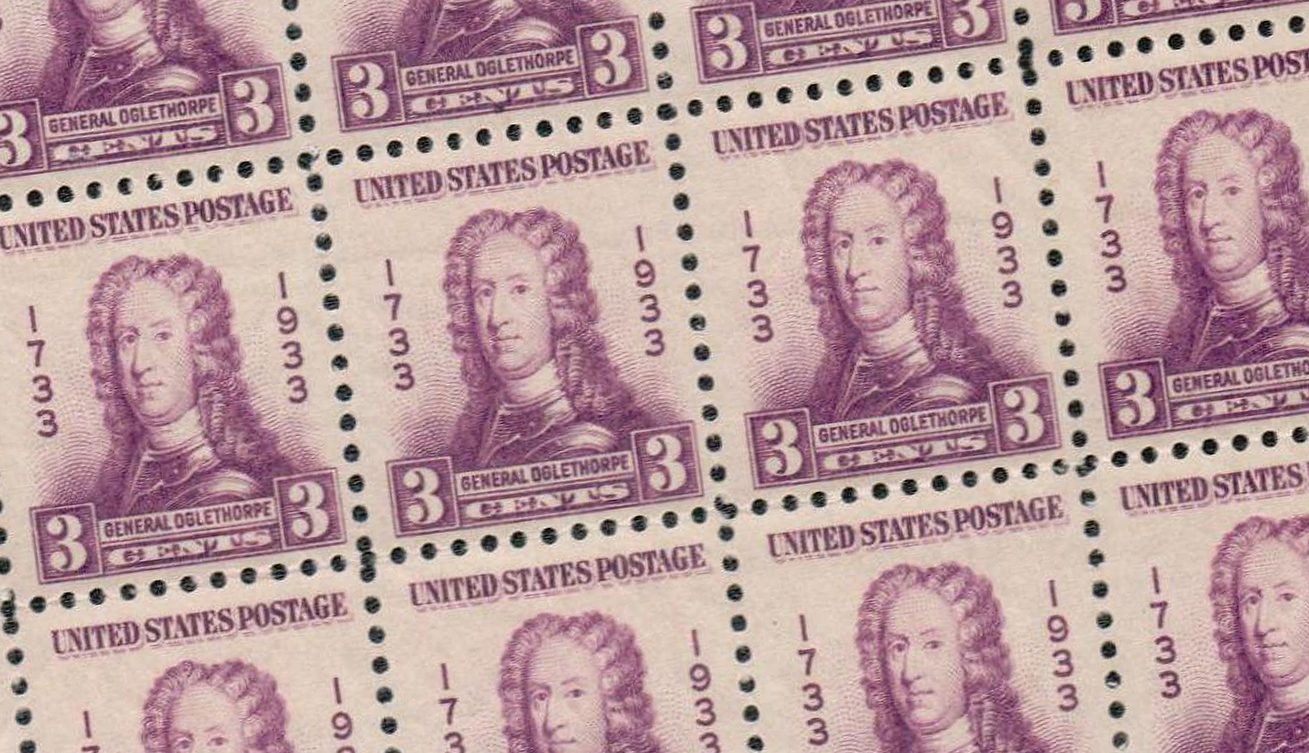
On October 23, 1972, Cumberland Island National Seashore was officially established in Georgia. Cumberland Island is the largest sea island in the southeastern United States and the most biodiverse of Georgia’s barrier islands.

On October 22, 1965, President Lyndon B. Johnson signed the Highway Beautification Act into law. The law had been spearheaded by his wife, and was even nicknamed after her, called “Lady Bird’s Bill.”
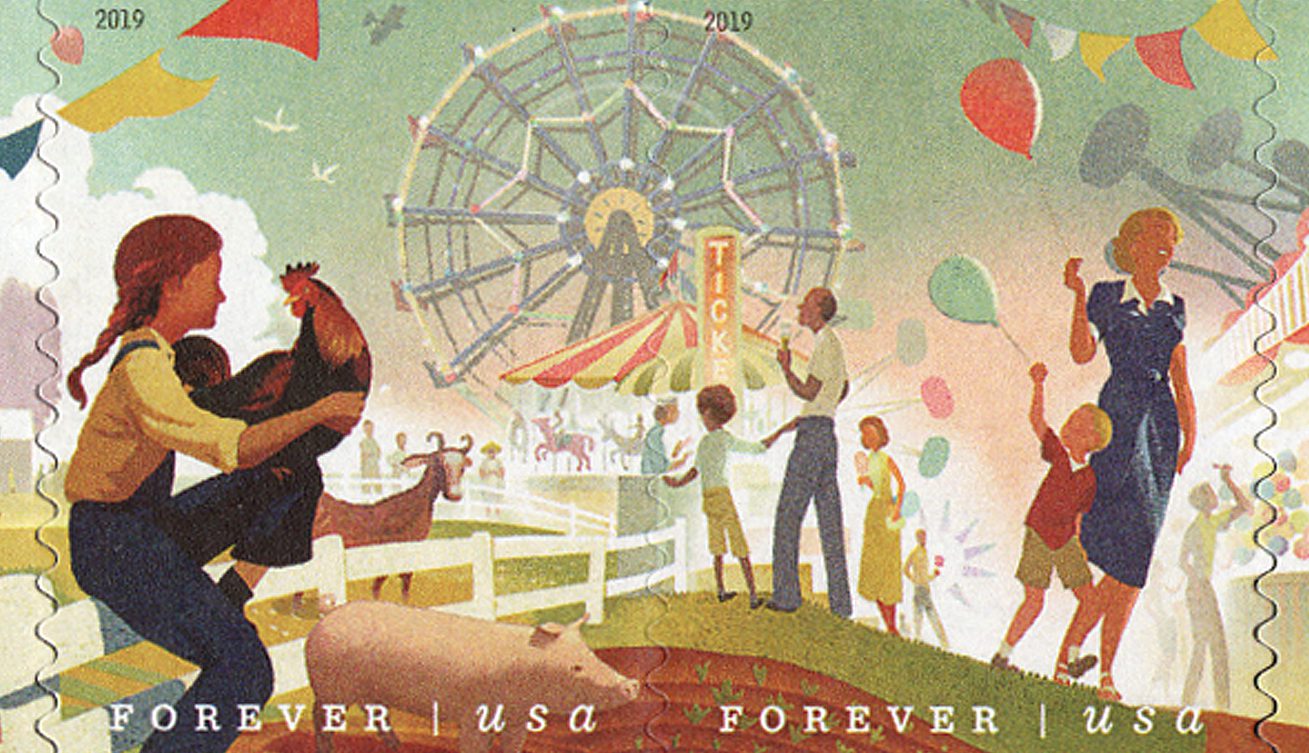
On September 29, 1841, New York held the first state fair in the US. Today it’s the oldest and one of the most highly attended of all US state fairs.
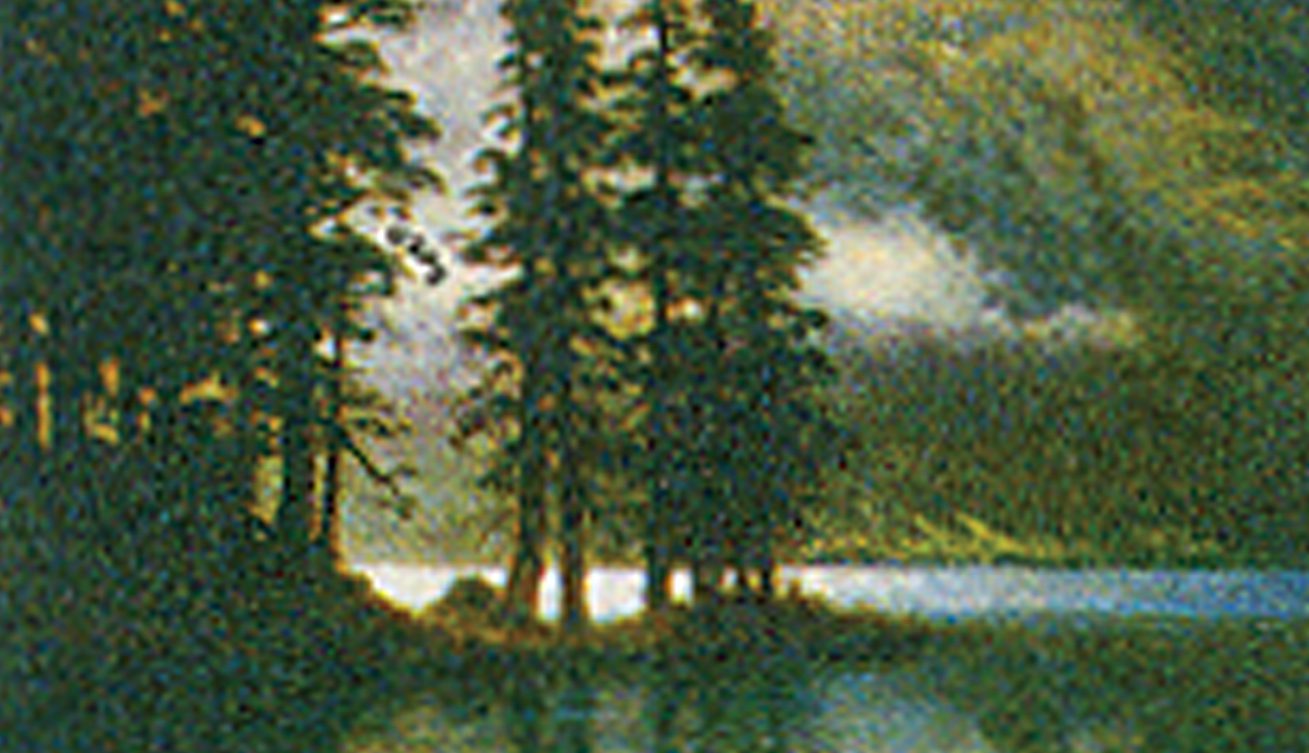
The Marsh-Billings-Rockefeller National Historical Park was established in Vermont on August 26, 1992. It’s the first national park in the country created to honor the history of conservation.
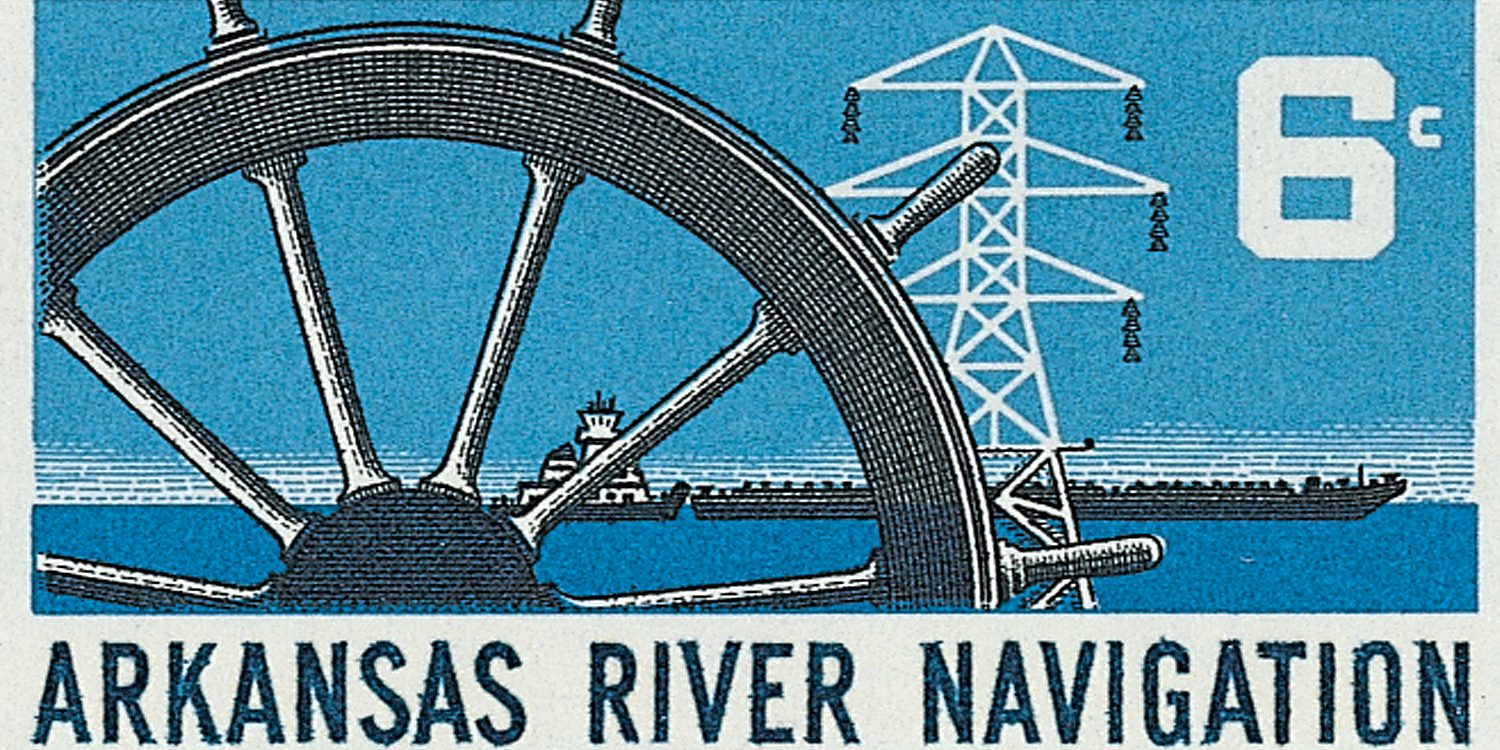
On June 5, 1971, the McClellan-Kerr Arkansas River Navigation System (MKARNS) was officially dedicated after decades of work. One of the largest civil works projects up to that time, it accounts for more than $1billion in trade transportation each for Arkansas and Oklahoma.

Oregon’s Crater Lake National Park was established on May 22, 1902. It’s America’s fifth-oldest national park, the only national park in Oregon, and is home to the deepest lake in the country – Crater Lake.