FDR Elected to Record Fourth Term
On November 7, 1944, Franklin D. Roosevelt made history as the first—and only—US president elected to a fourth term. His remarkable political career reshaped both the country’s government and its role in the world.
On November 4, 1924, Wyoming once again lived up to its nickname, “The Equality State,” when voters elected Nellie Tayloe Ross as the first female governor in American history. Her election was another milestone in Wyoming’s long record of advancing women’s rights and political equality.
On November 2, 1889, South Dakota became the 40th state in the Union. Its admission marked the culmination of decades of westward expansion, frontier settlement, and shifting territorial boundaries that shaped the northern Great Plains into a permanent part of the United States.
On October 18, 1898, US troops raised the American flag over Puerto Rico for the first time, marking the island’s transition to American control. The event followed Spain’s defeat in the Spanish-American War and began a new era of US governance in the Caribbean.
On October 7, 1963, President John F. Kennedy signed the Partial Nuclear Test Ban Treaty with the Soviet Union and United Kingdom. Though it didn’t ban nuclear weapons entirely, the treaty forbid testing in the atmosphere, in space, and underwater.
Eight days after being shot by an assassin at the Pan-American Expo, President McKinley died on September 14, 1901. His passing sent a wave of grief across the nation, as more than 200,000 people attended memorial ceremonies in Washington, DC and his home state of Ohio.
After more than eight years of fighting, the American Revolutionary War came to an end on September 3, 1783, with the signing of the Treaty of Paris.
On August 10, 1821, President James Monroe signed legislation adding Missouri to the Union as our 24th state. When the US took ownership of Missouri, most of the land had already been explored. Many communities had already been founded, and farming and mineral industries had been developed. Missouri was made a part of Upper Louisiana; then, in 1812, the Missouri Territory was organized.
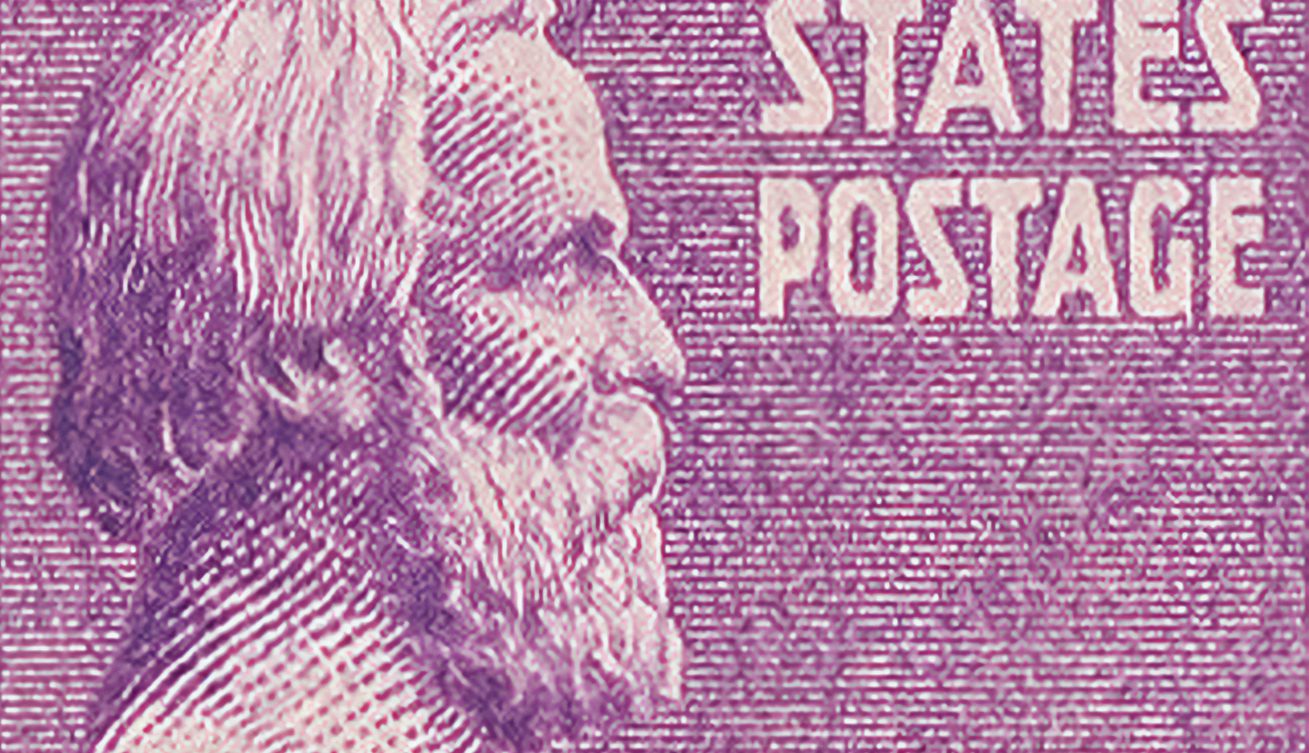
On August 1, 1876, President Ulysses S. Grant signed legislation admitting Colorado to the Union as the Centennial State (it was admitted 28 days after the 100th anniversary of the United States).