Birth of Henry Knox
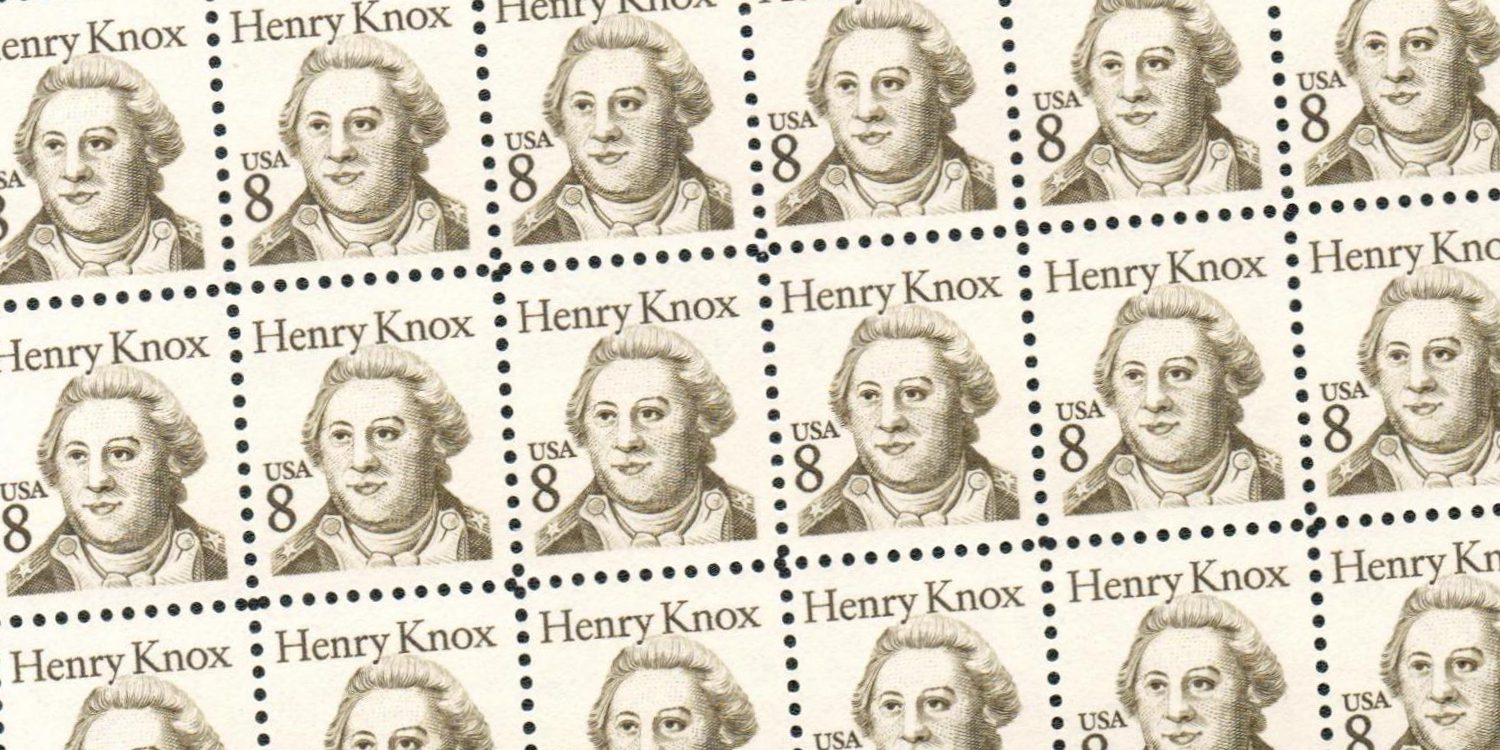
Henry Knox was born on July 25, 1750, in Boston, Massachusetts. He was George Washington’s right-hand man during the American Revolution and participated in most of the war’s major battles.
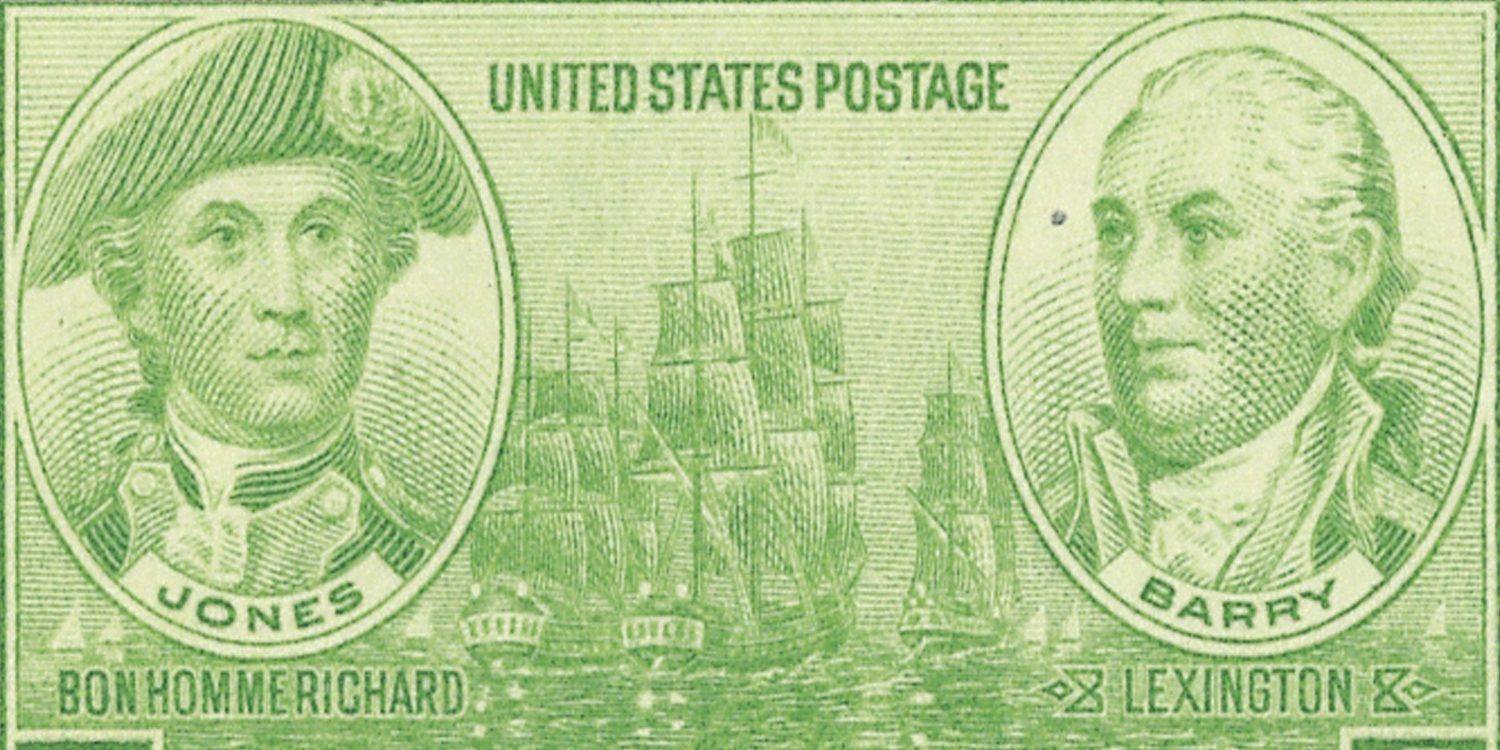
Naval commander John Paul Jones was born John Paul on July 6, 1747, in Arbigland, Kirkcudbright, Scotland. Jones served with distinction during the American Revolution and has been called the Father of the American navy.
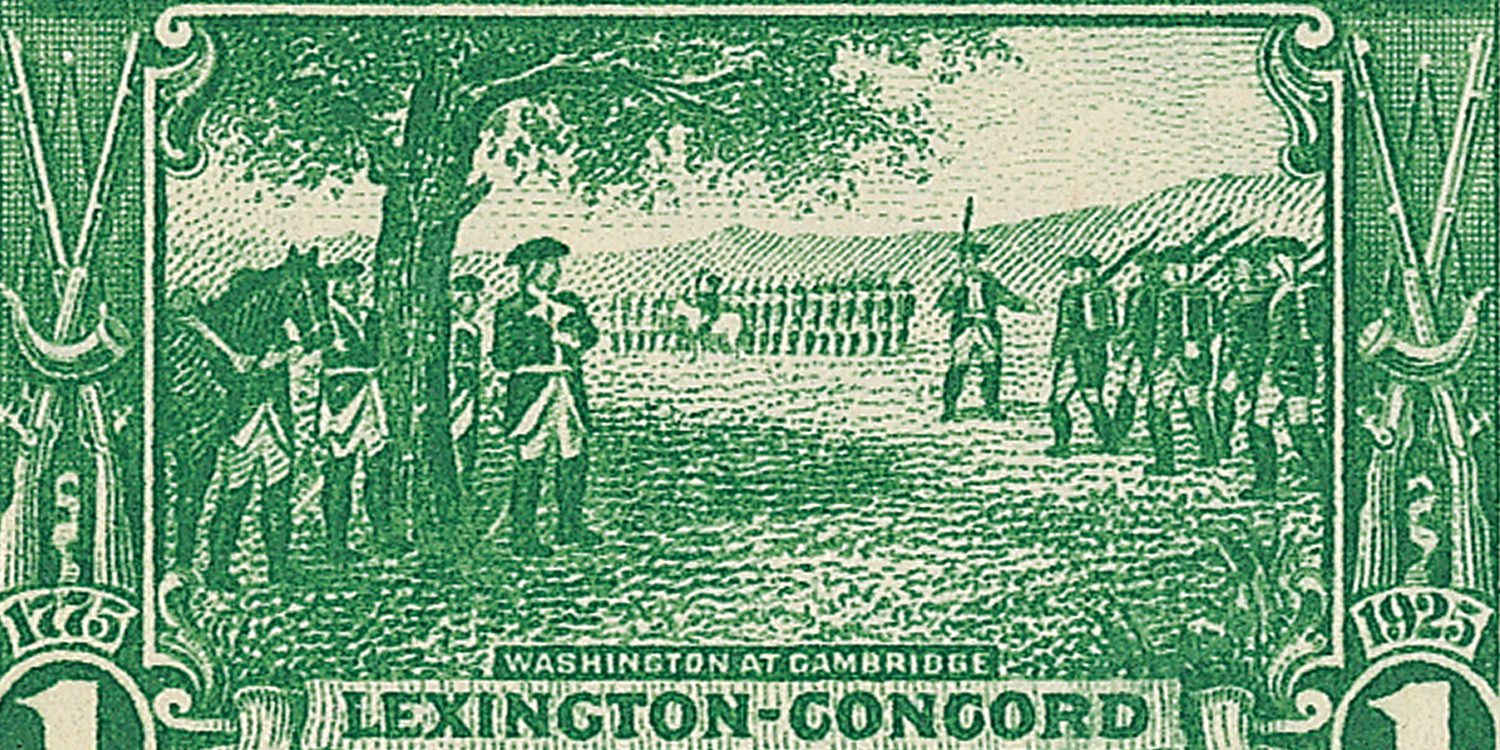
On July 3, 1775, George Washington took command of the Continental Army at Cambridge, Massachusetts.
On June 28, 1778, US and British forces clashed at Monmouth Court House, New Jersey. While the battle was inconclusive, it produced one of the war’s most notable legend – Molly Pitcher.
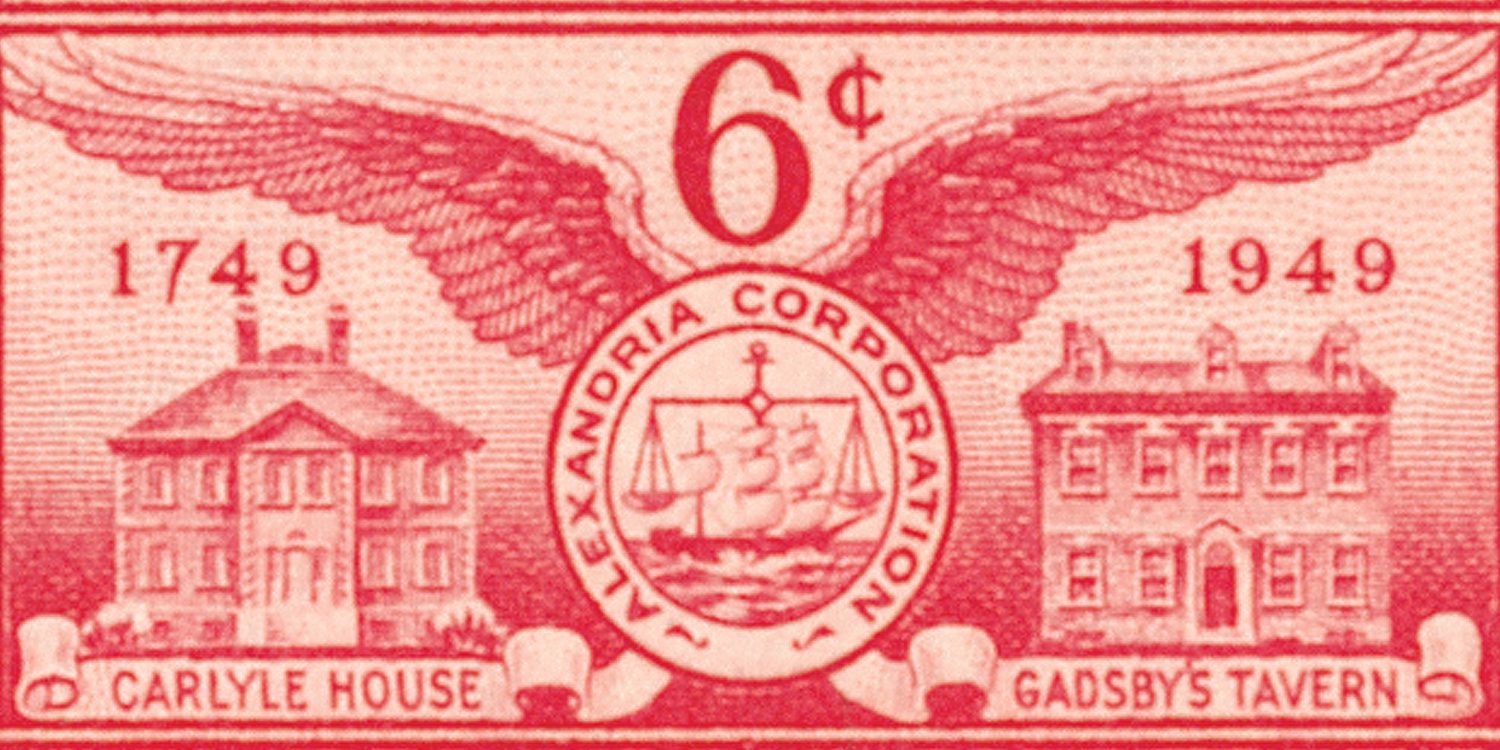
On May 2, 1749, the House of Burgesses approved the creation of a town that would become Alexandria, Virginia. George Washington helped plan the town’s street systems and Alexandria was part of the US capital for several years.
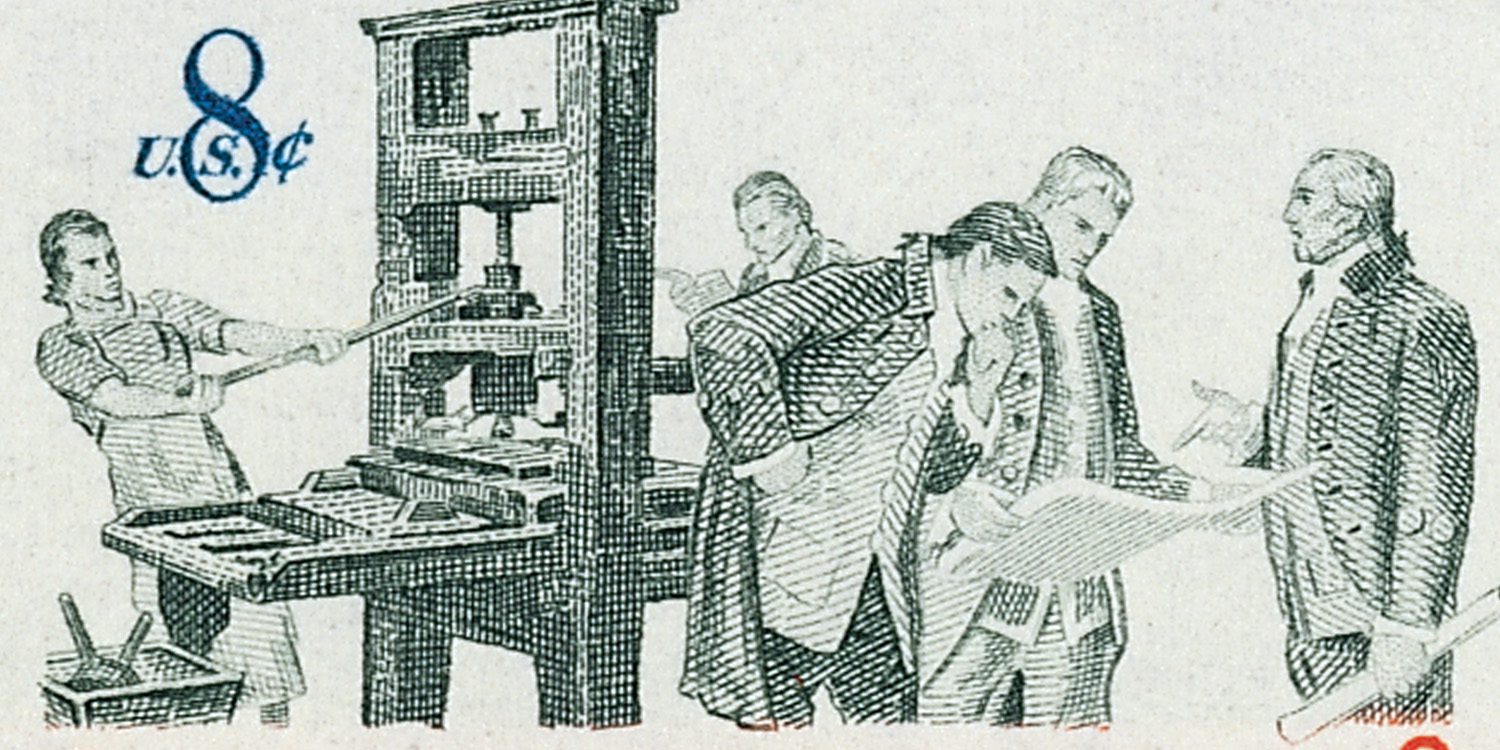
The first continuously-published newspaper in the American colonies, The Boston News-Letter, published its first issue on April 24, 1704. It was the only continuously-produced paper in the colonies for 15 years and ceased publication in 1776 due to the American Revolution.
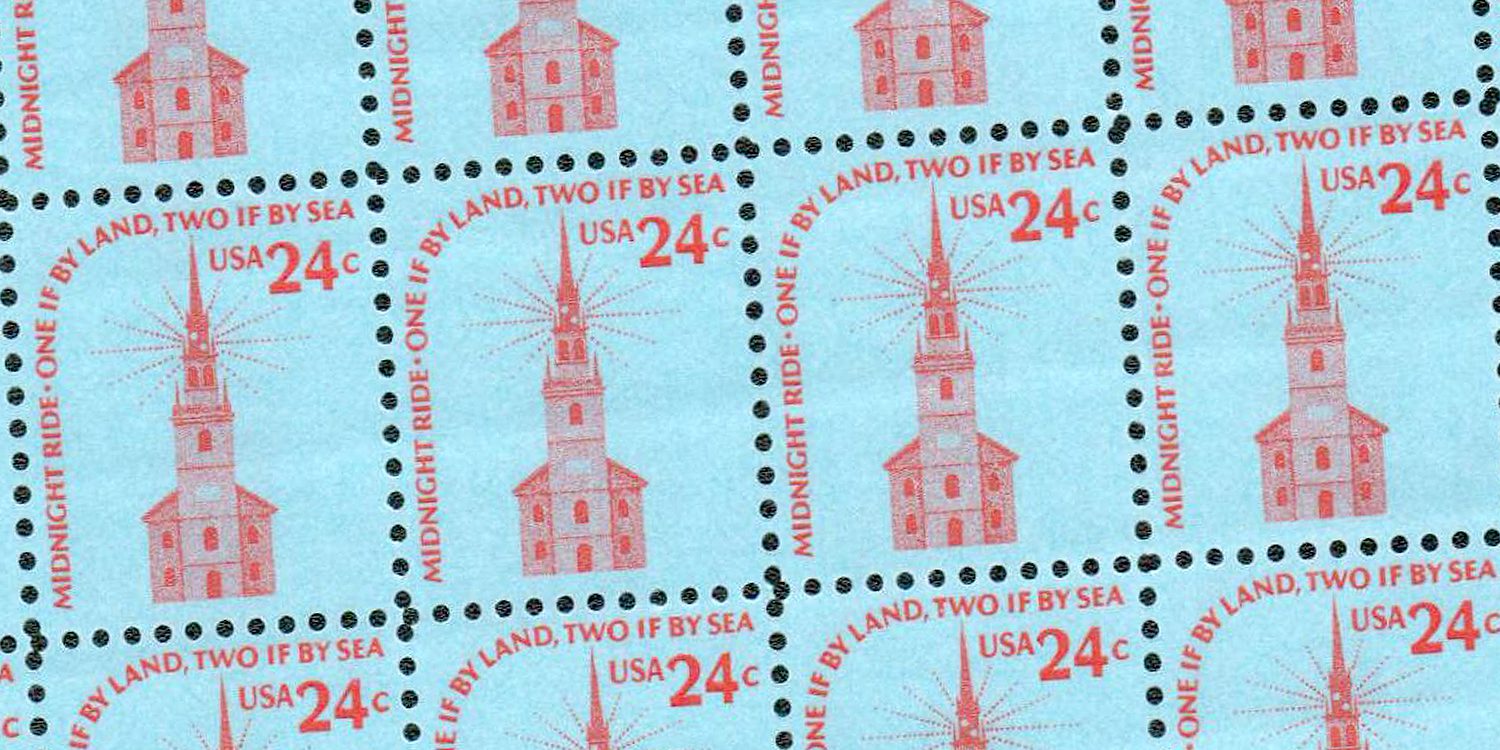
On April 15, 1732, the first stone was laid for Boston’s Christ Church, more famously known as the Old North Church. It’s home to the oldest church bells in America. And it was made famous during Paul Revere’s midnight ride with the signal, “one if by land, two if by sea.”
Illustrator Edwin Austin Abbey was born on April 1, 1852, in Philadelphia, Pennsylvania. He is considered America’s first great illustrator. Abbey produced hundreds of illustrations for Harper’s magazines and popular books of the day.
On February 24, 1779, George Rogers Clark led the siege of Vincennes. Despite having smaller numbers and marching in the cold for 18 days, Clark managed to force the British defenders to surrender.