Colonists Revolt with Boston Tea Party
On December 16, 1773, a group of Massachusetts colonists known as the Sons of Liberty staged a dramatic protest against British taxes – the famed Boston Tea Party.


On December 16, 1773, a group of Massachusetts colonists known as the Sons of Liberty staged a dramatic protest against British taxes – the famed Boston Tea Party.

On December 15, 1936, the first of 10 stamps in the Army/Navy Set was issued. The stamps honor 18 military leaders from the Revolutionary War to Spanish-American War.
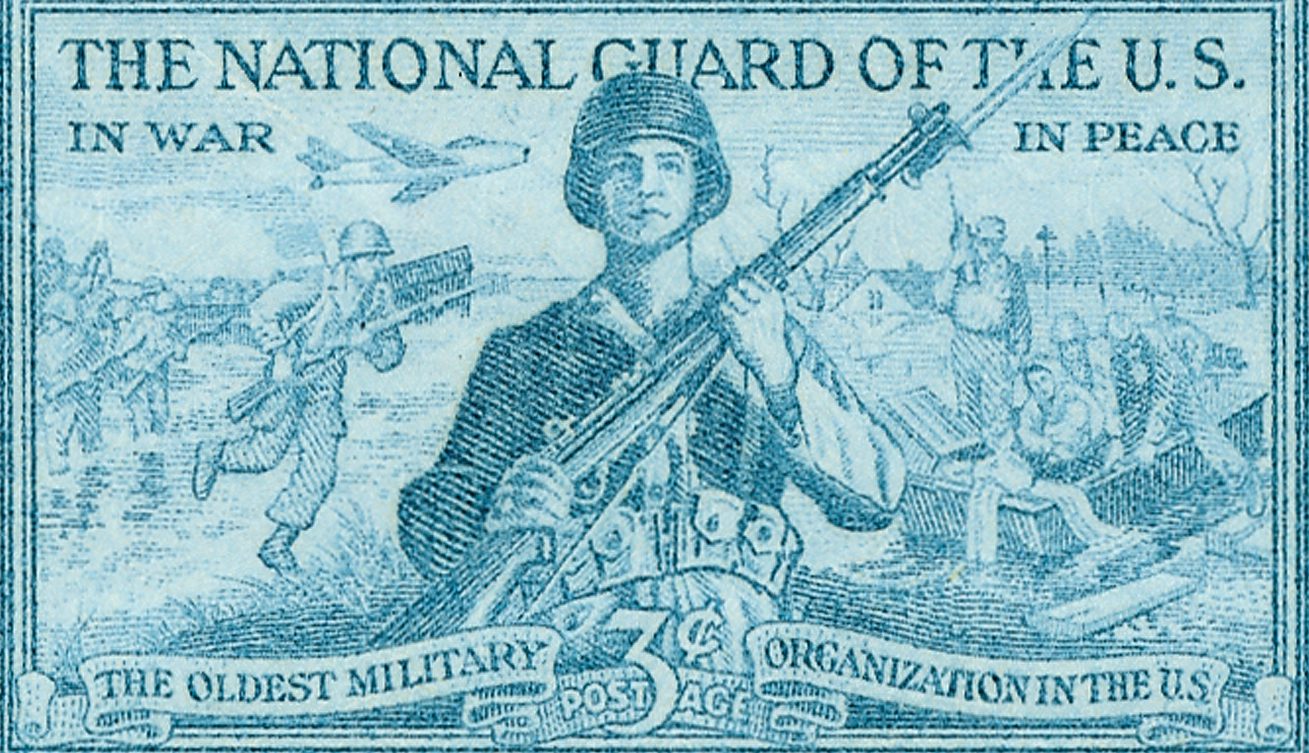
On December 13, 1636, the Massachusetts Bay Colony established its own militia, the precursor to America’s National Guard. Militias were later established in every state, eventually becoming the National Guard in 1916.
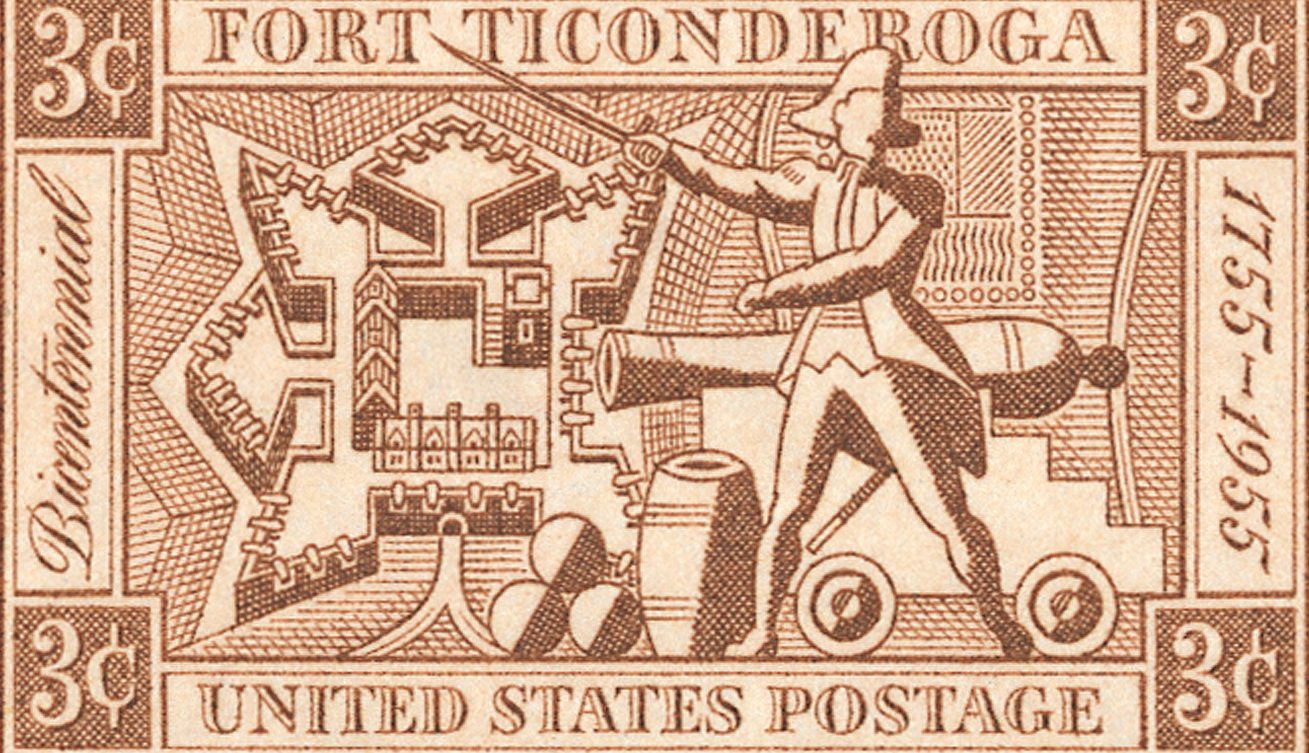
On December 5, 1775, Continental Army Colonel Henry Knox reached Fort Ticonderoga in preparation for his “noble train of artillery.” Arriving in Boston 10 weeks later, he delivered much-needed weapons to George Washington.

John Adams was born in Braintree (now Quincy), Massachusetts, on October 30, 1735. Adams was America’s first vice president and second president.
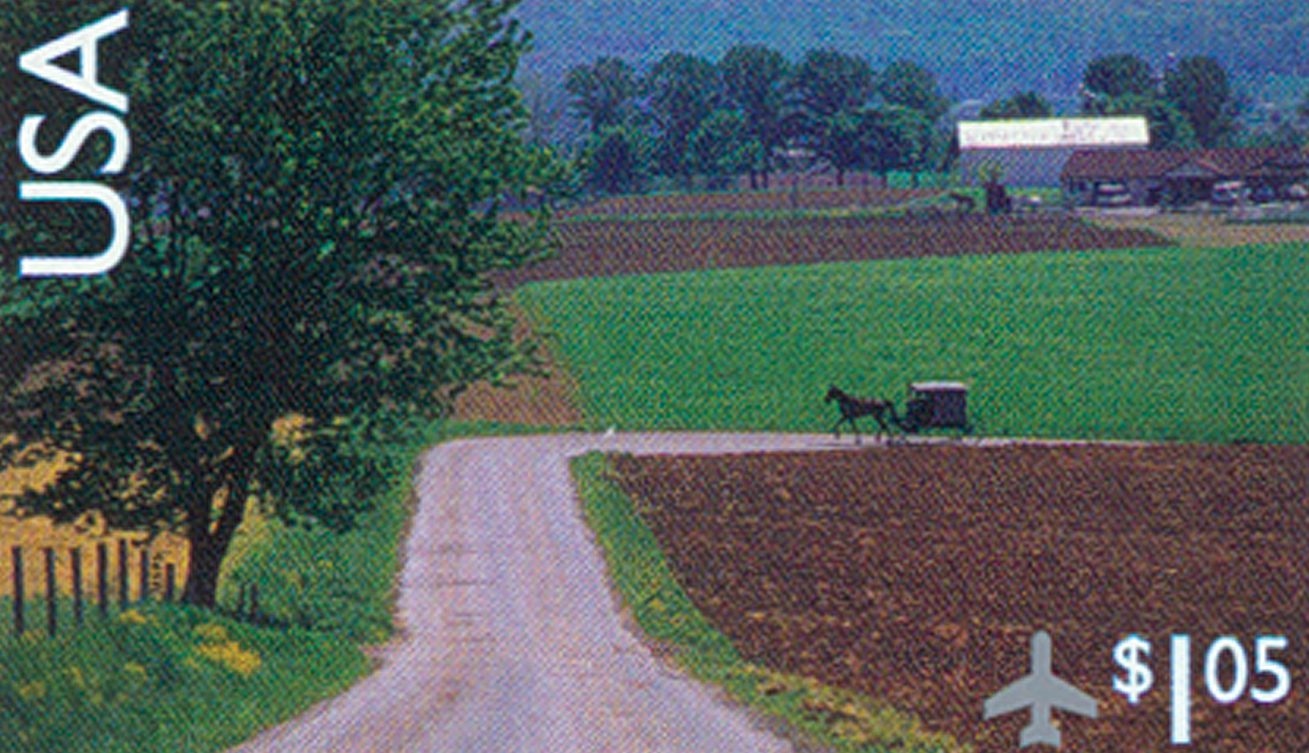
On September 27, 1777, Lancaster, Pennsylvania served as the nation’s capital for a single day. During and after the Revolutionary War, the nation’s capital changed several times before settling in Washington, DC in 1800.

On September 11, 1777, George Washington’s forces lost the battle of Brandywine. It was the largest battle of the war, involving over 30,000 troops between both sides, and it was the second-longest single-day battle, lasting 11 hours.
Revolutionary War commander Nathanael Greene was born on August 7, 1742, in Potowomut (Warwick), Rhode Island. One of the Continental Army’s most dependable officers, his leadership was instrumental to the Southern Theater of the American Revolution.

On July 26, 1775, former deputy postmaster general of the American colonies, Ben Franklin, was made the first postmaster general of the United States. He revolutionized mail service in the young nation at a crucial time in our history.