Star Trek Premieres
On September 8, 1966, the first episode of Star Trek premiered on television. While the original series only lasted three seasons, it developed a cult following, leading to movies, several new series, comics, games, and more.

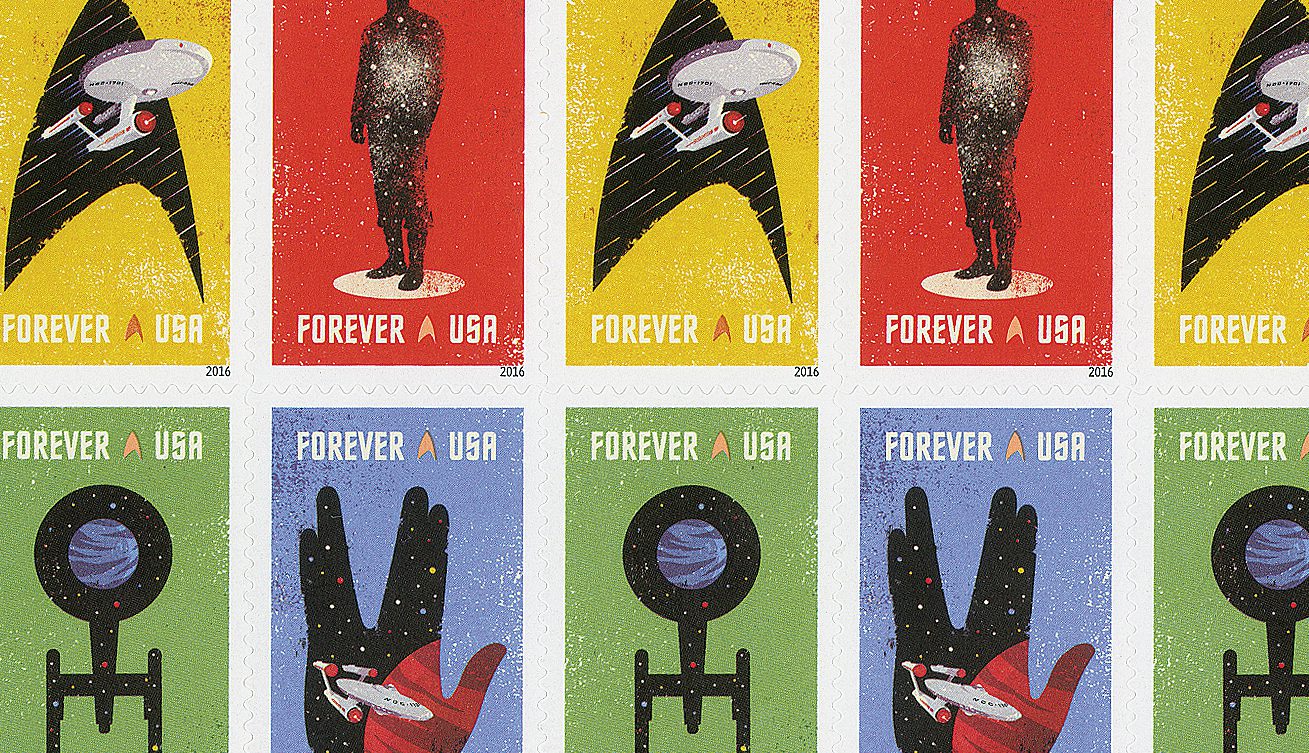
On September 8, 1966, the first episode of Star Trek premiered on television. While the original series only lasted three seasons, it developed a cult following, leading to movies, several new series, comics, games, and more.

On August 30, 1984, the Space Shuttle Discovery made its first launch into space, two months later than initially planned. It would go on to make more flights than any other shuttle in its fleet.
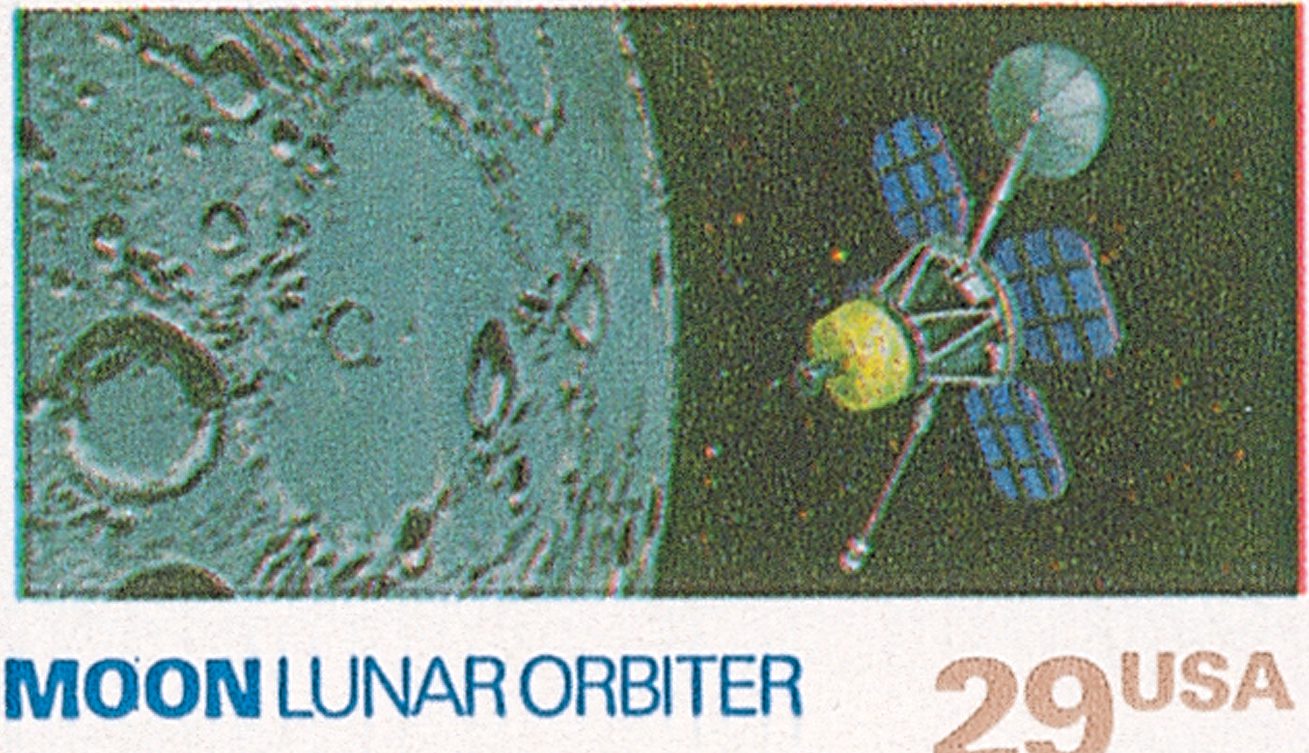
On August 23, 1966, Lunar Orbiter I captured the first images of our planet from the vicinity of the Moon. Photographing Earth wasn’t the mission. It wasn’t even considered until the craft was out in space.
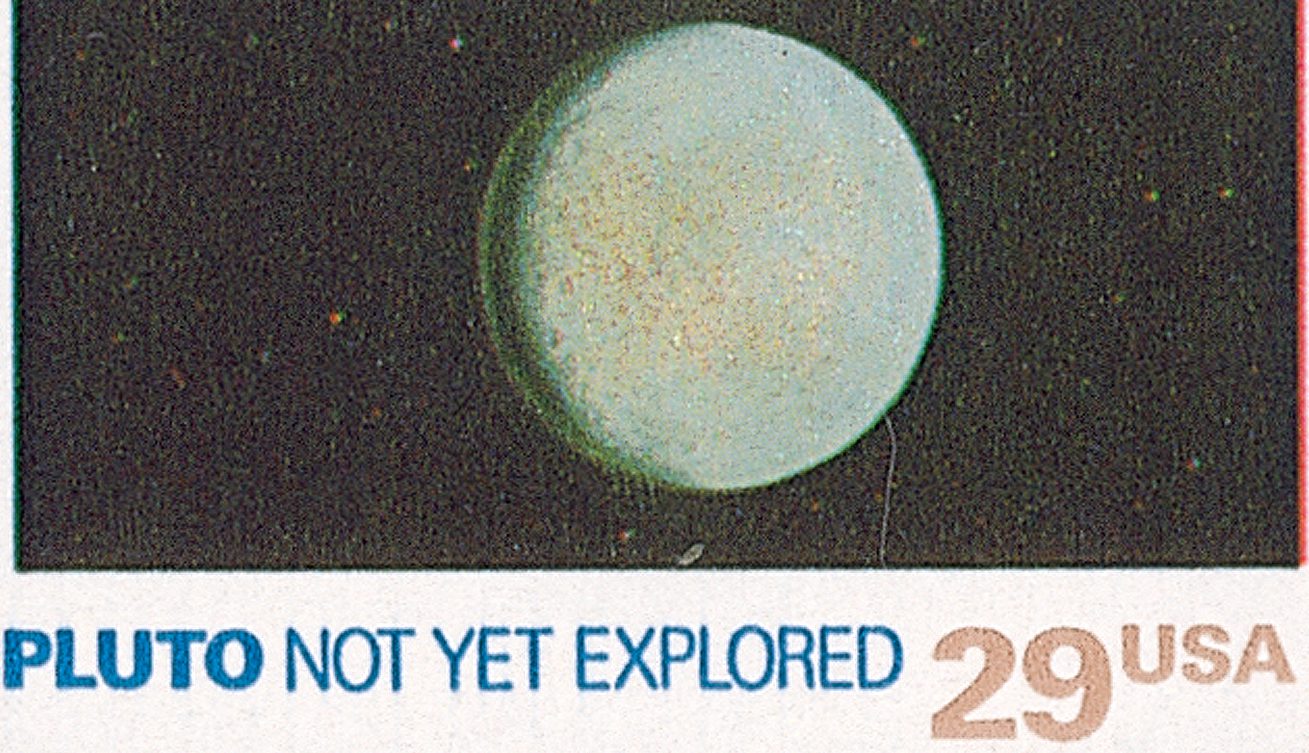
On January 19, 2006, the New Horizons interplanetary space probe was launched on a mission that included studying Pluto. The mission was inspired in part a postage stamp!

On October 29, 1998, John Glenn returned to space aboard the Space Shuttle Discovery. At the age of 77, he was the oldest person to go into space.
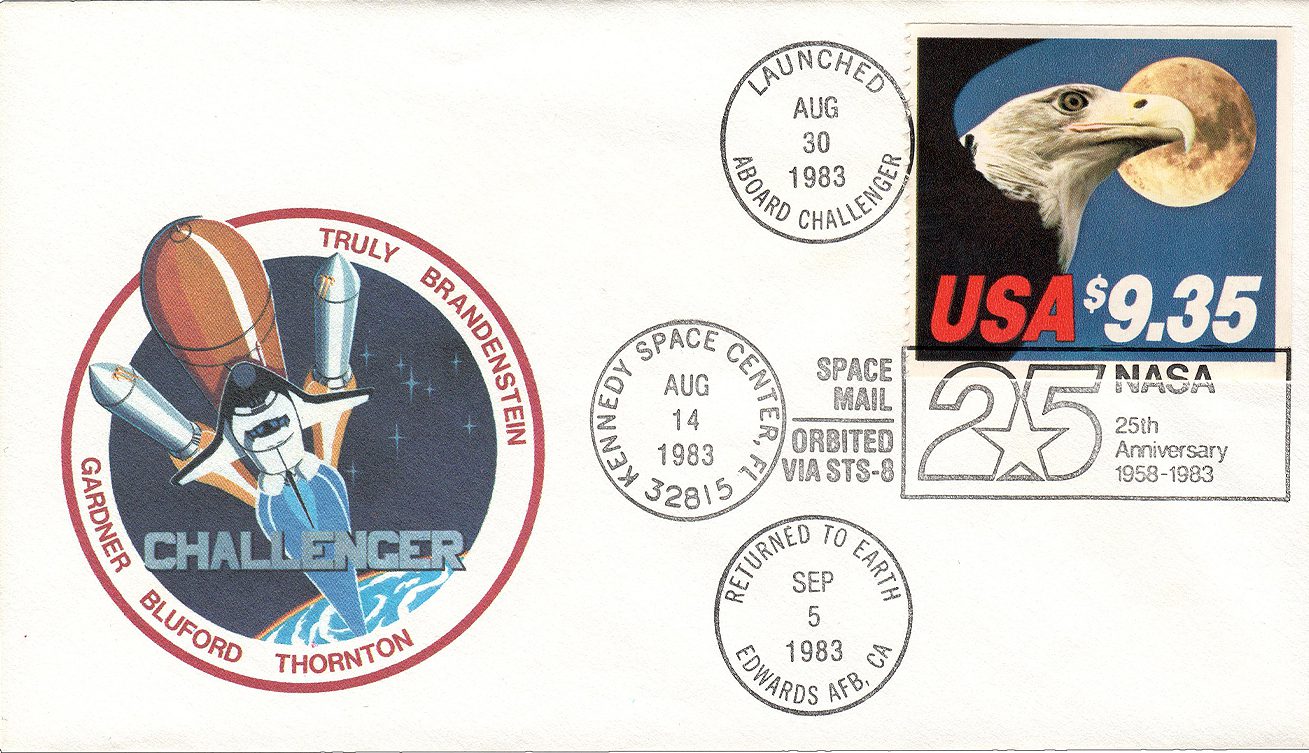
On August 30, 1983, the space shuttle Challenger blasted off on its third mission to space. The shuttle carried special cargo – commemorative covers bearing the new Express Mail Next Day Service stamp.

On July 23, 1999, NASA launched the Chandra X-Ray Observatory to observe x-rays from outside the Earth’s radiation field. The mission was originally intended to last just five years, but Chandra is still orbiting the Earth and making discoveries today, more than 20 years after launch.
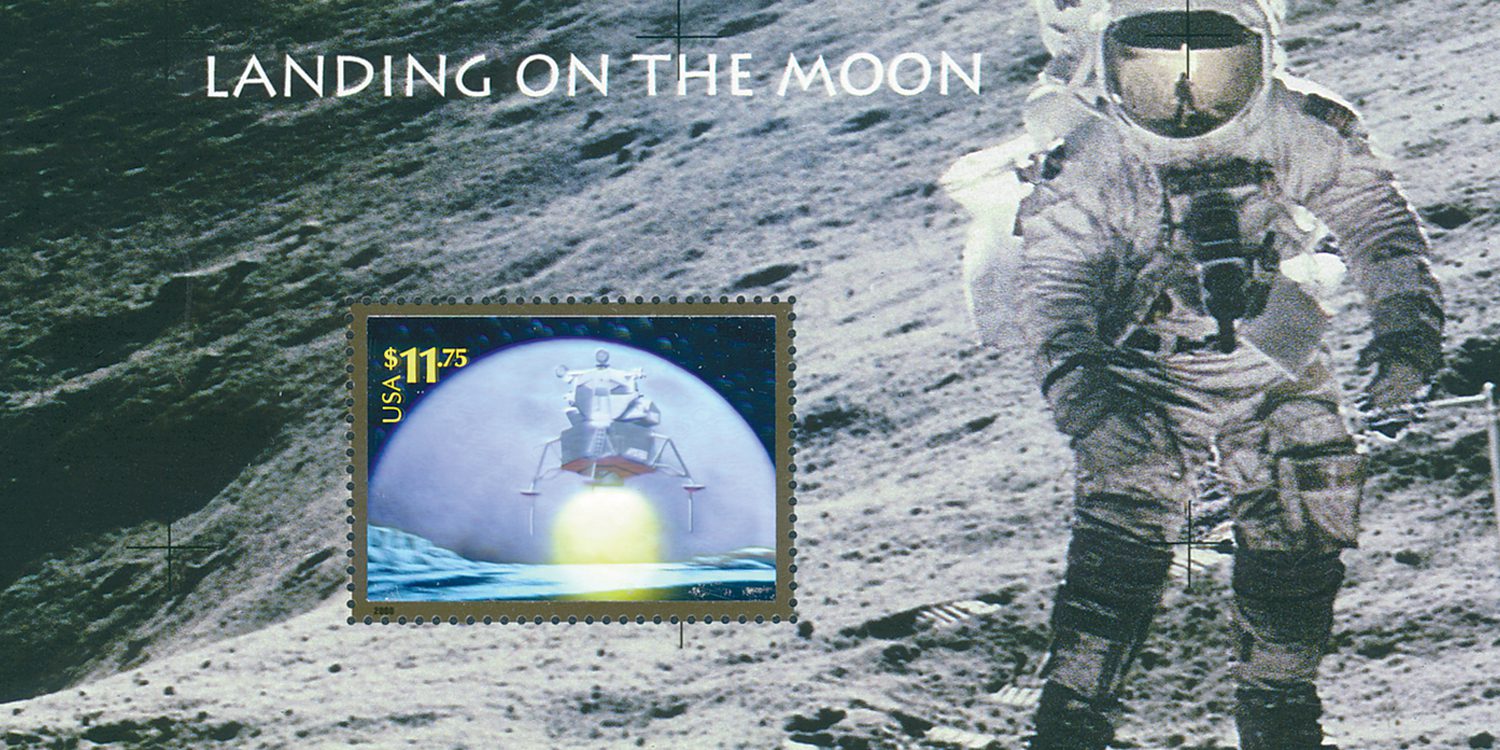
Apollo 16 launched from the Kennedy Space Center in Florida at 12:54 p.m. on April 16, 1972. It was the 10th crewed Apollo mission and the fifth and second to last to land on the Moon.

Biochemist Melvin Calvin was born on April 8, 1911, in St. Paul, Minnesota. He earned the 1961 Nobel Prize for Chemistry for his discover of the Calvin cycle – the conversion of carbon dioxide into organic molecules during photosynthesis.