Stop Family Violence Semipostal
On October 8, 2003, the USPS issued its third Semipostal stamp, which raised funds to help stop family violence.

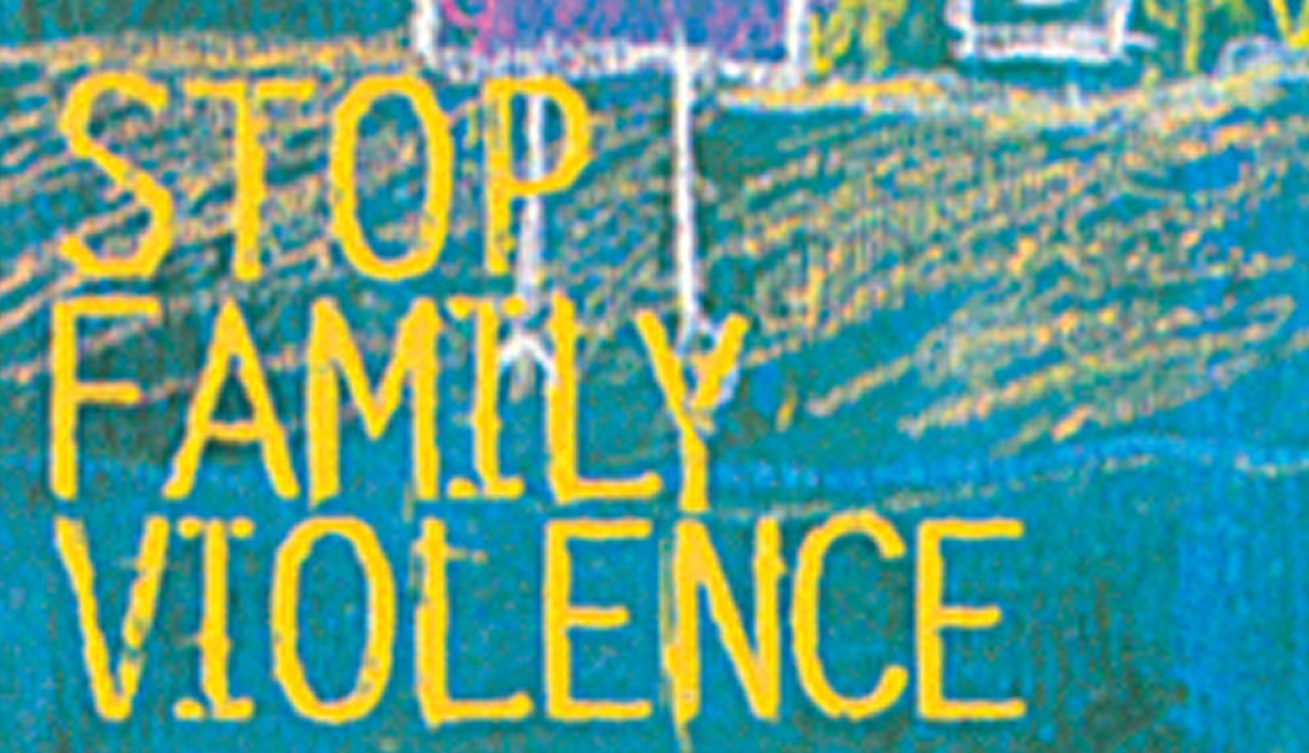
On October 8, 2003, the USPS issued its third Semipostal stamp, which raised funds to help stop family violence.
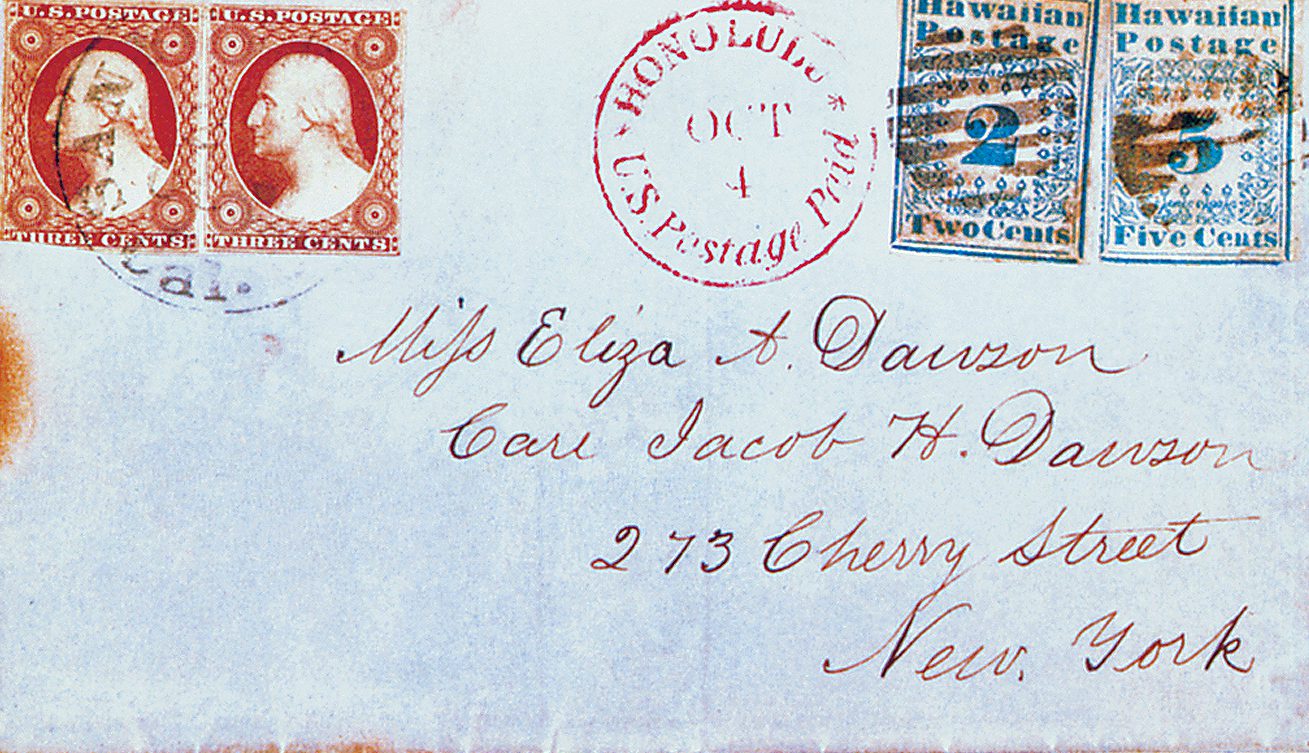
On October 1, 1851, Hawaiʻi placed its first postage stamps on sale—tiny blue labels that are now among the world’s rarest and most sought-after stamps. Called the Hawaiian Missionaries, they were created to bring dependable postage to islands whose overseas mail had long traveled by chance.
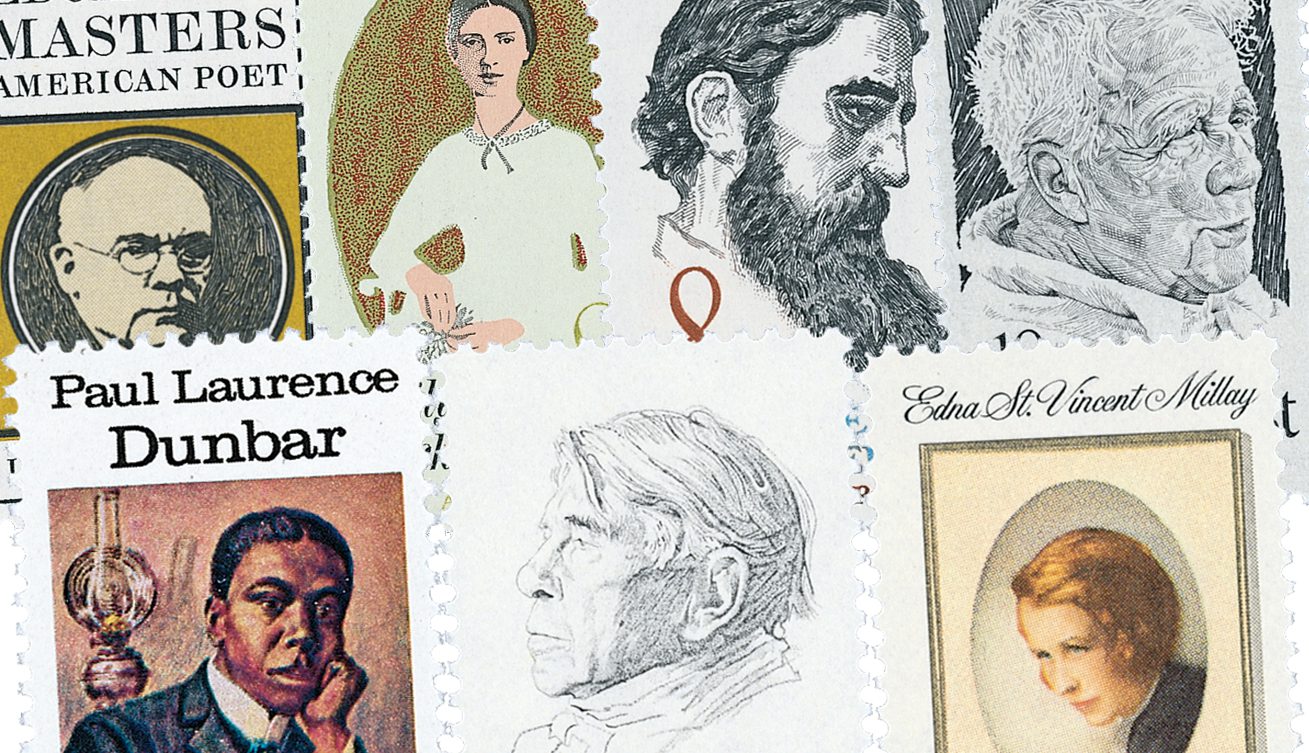
On August 22, 1970, the US Post Office issued the first stamp in the American Poet Series. The series honored seven prolific American poets.

On August 20, 2005, the USPS issued the first stamps in a nostalgic series honoring classic American cars. Over the next 17 years, America on the Move would celebrate four distinct groups of vehicles, from sleek 1950s sports cars to the pony cars that became symbols of youthful performance.
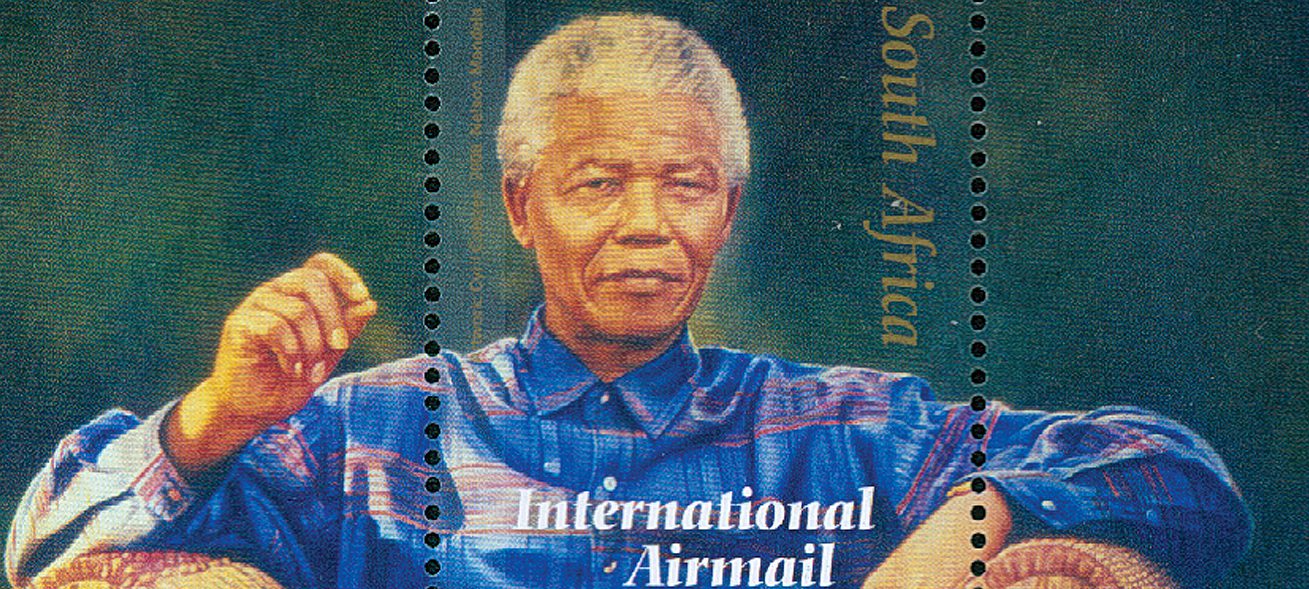
Nelson Rolihlahla Mandela was born on July 18, 1918, in Mvezo, Cape Province, South Africa. His long struggle against apartheid would carry him from prison to the presidency and make him a worldwide symbol of reconciliation and democratic change.
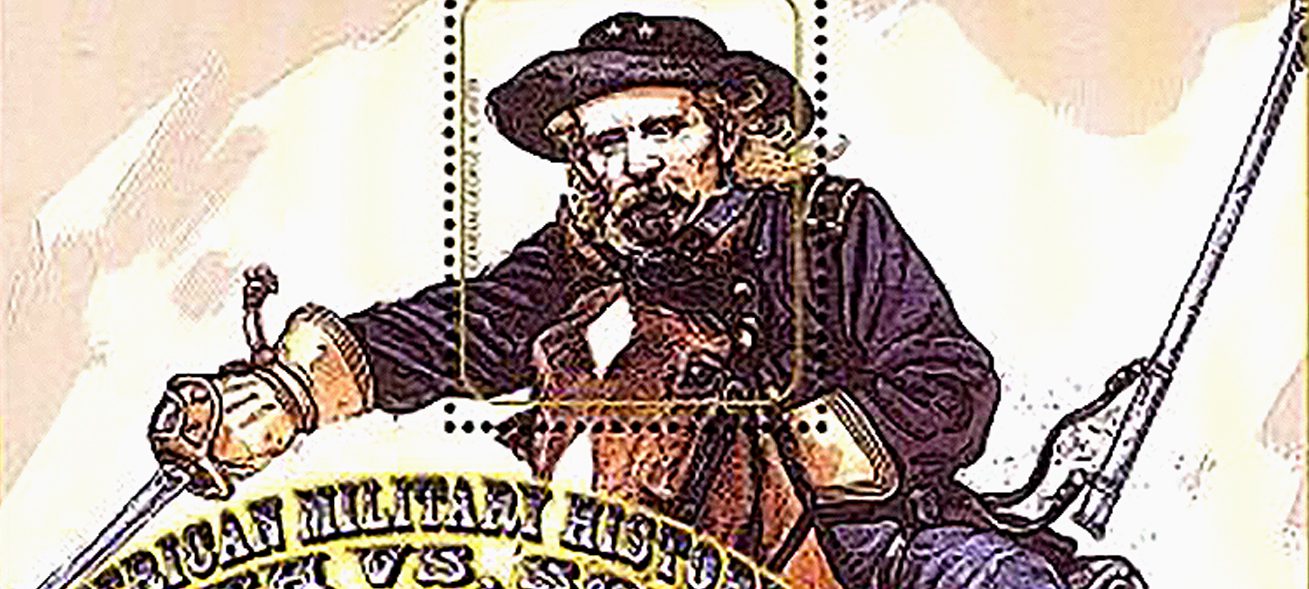
On June 25, 1876, Civil War veteran George A. Custer died at the Battle of the Little Bighorn. The battle became one of the most famous defeats in US Army history, but its deeper story was about land, broken promises, and Native nations fighting to protect their way of life.
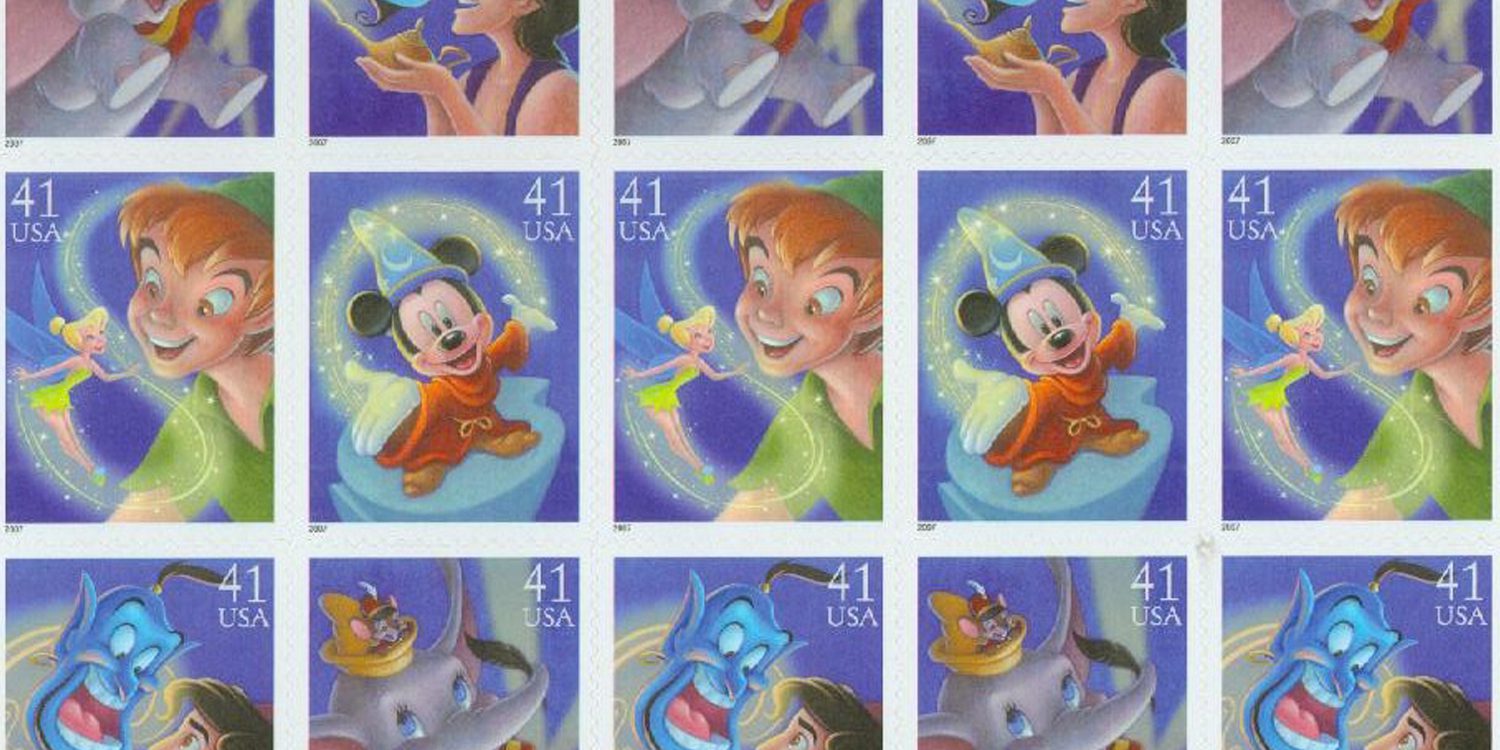
On June 23, 2004, the USPS issued the first stamps in its Art of Disney Series. The USPS worked with Disney artists to create this whimsical series of stamps, with each year featuring a different theme.

Daniel “Uncle Dan” Beard was born on June 21, 1850, in Cincinnati, Ohio. His childhood adventures along the rivers and woods of Kentucky later helped shape the activities and ideals of the Boy Scouts of America.
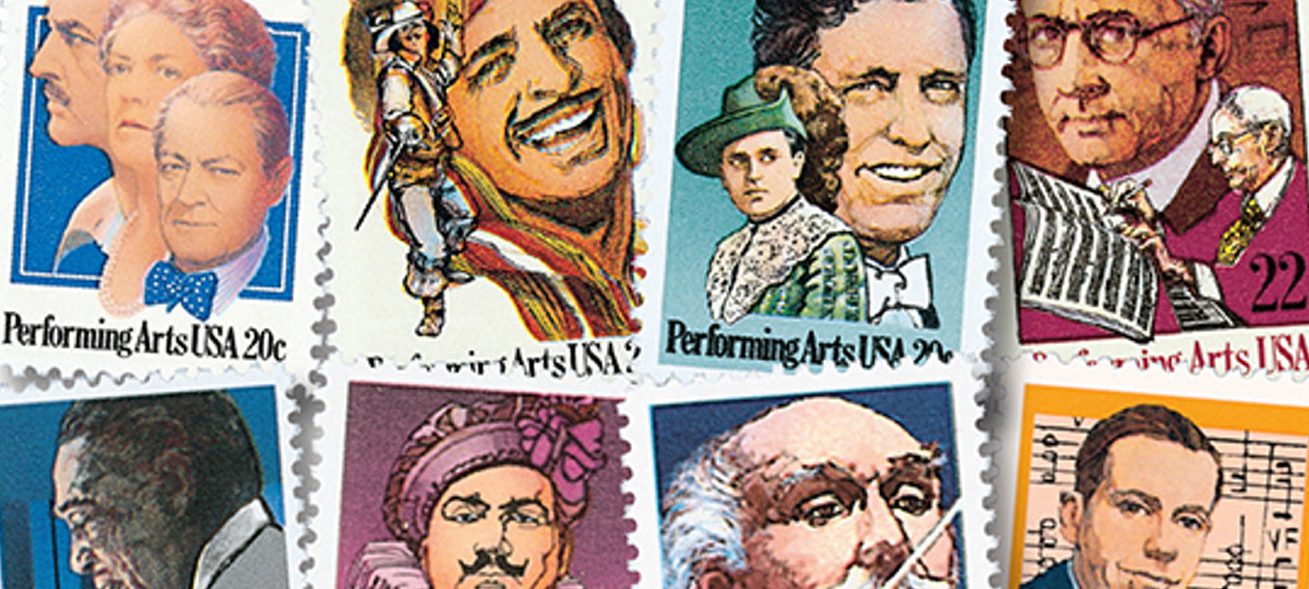
On May 24, 1978, the USPS issued the first stamp in the Performing Arts Series, honoring Jimmie Rodgers. Issued from 1978 to 1991, the 12-stamp Performing Arts Series honored singers, composers, actors, comedians, dancers, and other entertainers whose careers spanned nearly a century of American stage, screen, and musical history.