The Electric-Eye Perforator
On February 5, 1935, the US Post Office delivered its first stamps produced using the new electric-eye perforator. This new machine helped ensure better centering of stamps and resulted in a dramatic decrease in waste.

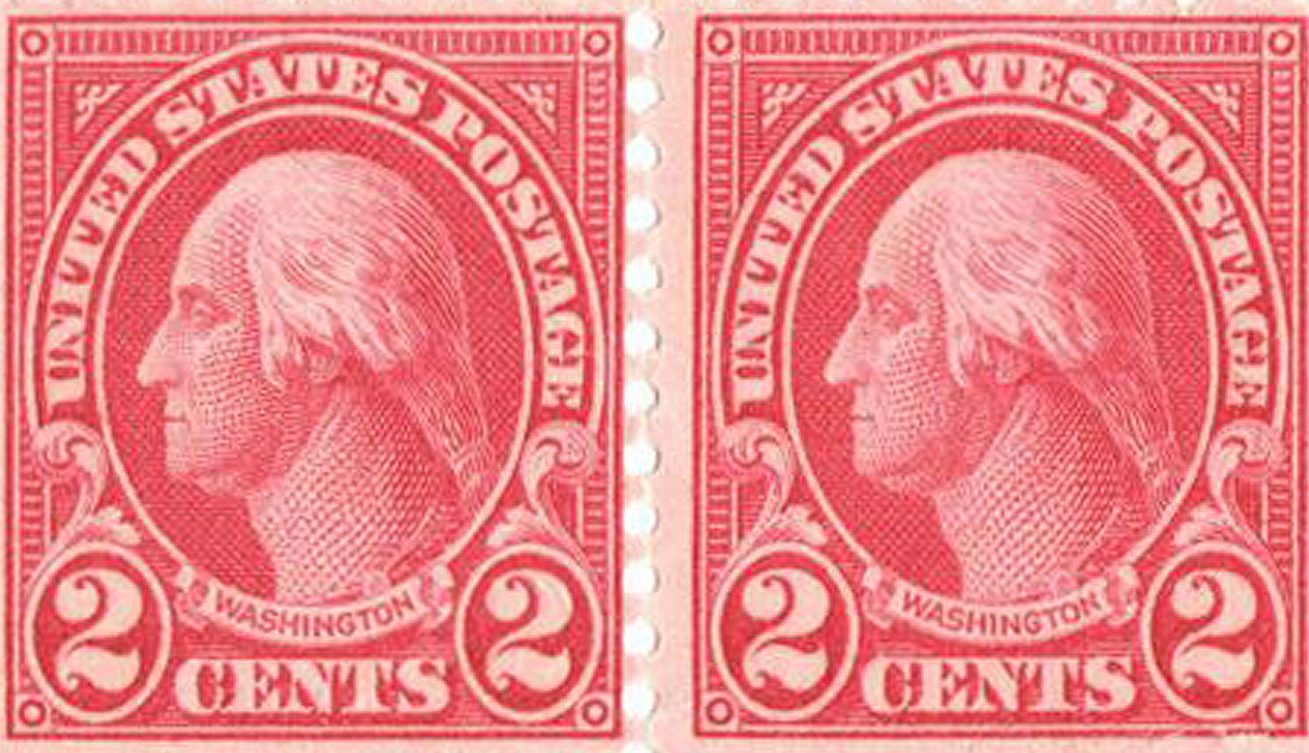
On February 5, 1935, the US Post Office delivered its first stamps produced using the new electric-eye perforator. This new machine helped ensure better centering of stamps and resulted in a dramatic decrease in waste.

A tax on motor vehicle use went into effect on February 1, 1942, to help fund World War II. These short-lived stamps were meant to be displayed on the inside of the windshield, to easily show the tax had been paid.

On January 1, 1893, the majority the Columbian stamps were first placed on sale in large cities. The Columbians are some of America’s most famous and sought-after stamps, and are considered the first US commemorative stamps.
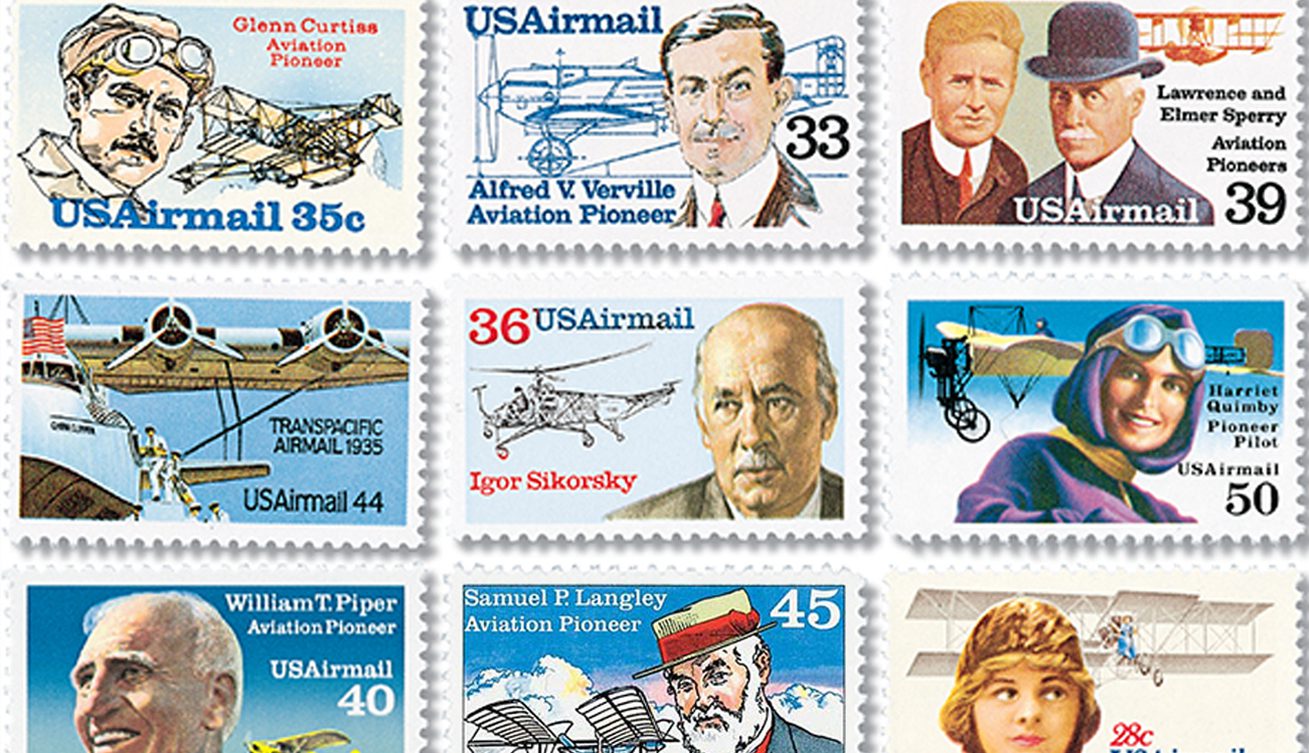
On September 23, 1978, the USPS issued the first stamps in its Pioneers of Aviation Series. The series would span more than 20 years and include 18 stamps honoring some of America’s most legendary aviators and their aircraft.

In 2002, twenty years after it was first established, the International Day of Peace was celebrated on its new permanent date – September 21. Also known as World Peace Day, it’s a United Nations-sanctioned holiday calling for peace and an end to war and violence.

On August 2, 1937, President Franklin Roosevelt signed the Marihuana Tax Act of 1937 into law. The act required all producers, laboratories, dealers, importers, and doctors to register each year to legally buy and sell marijuana.
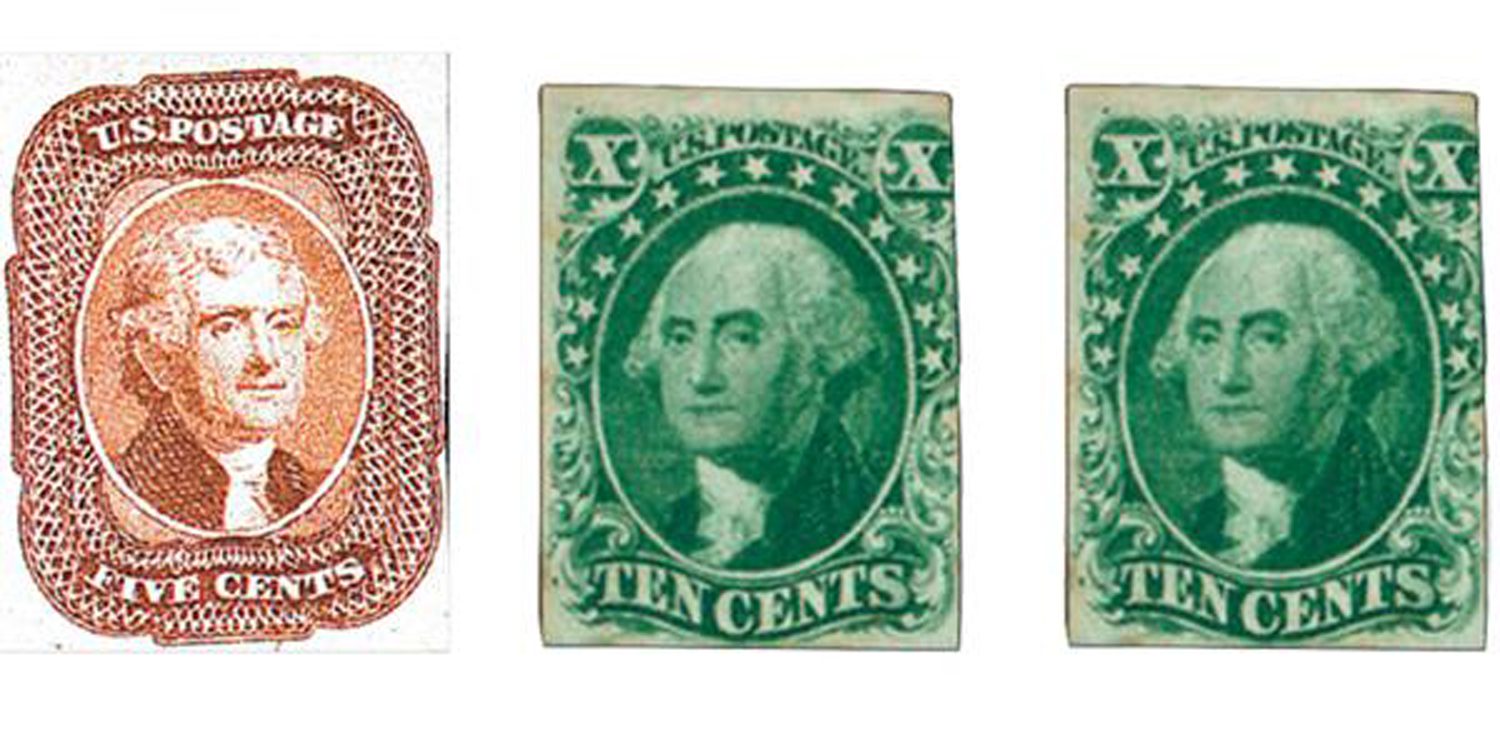
On July 1, 1851, several stamps from America’s second series of postage stamps were issued. These new stamps were issued to meet reduced postal rates that practically eliminated distance as a factor.
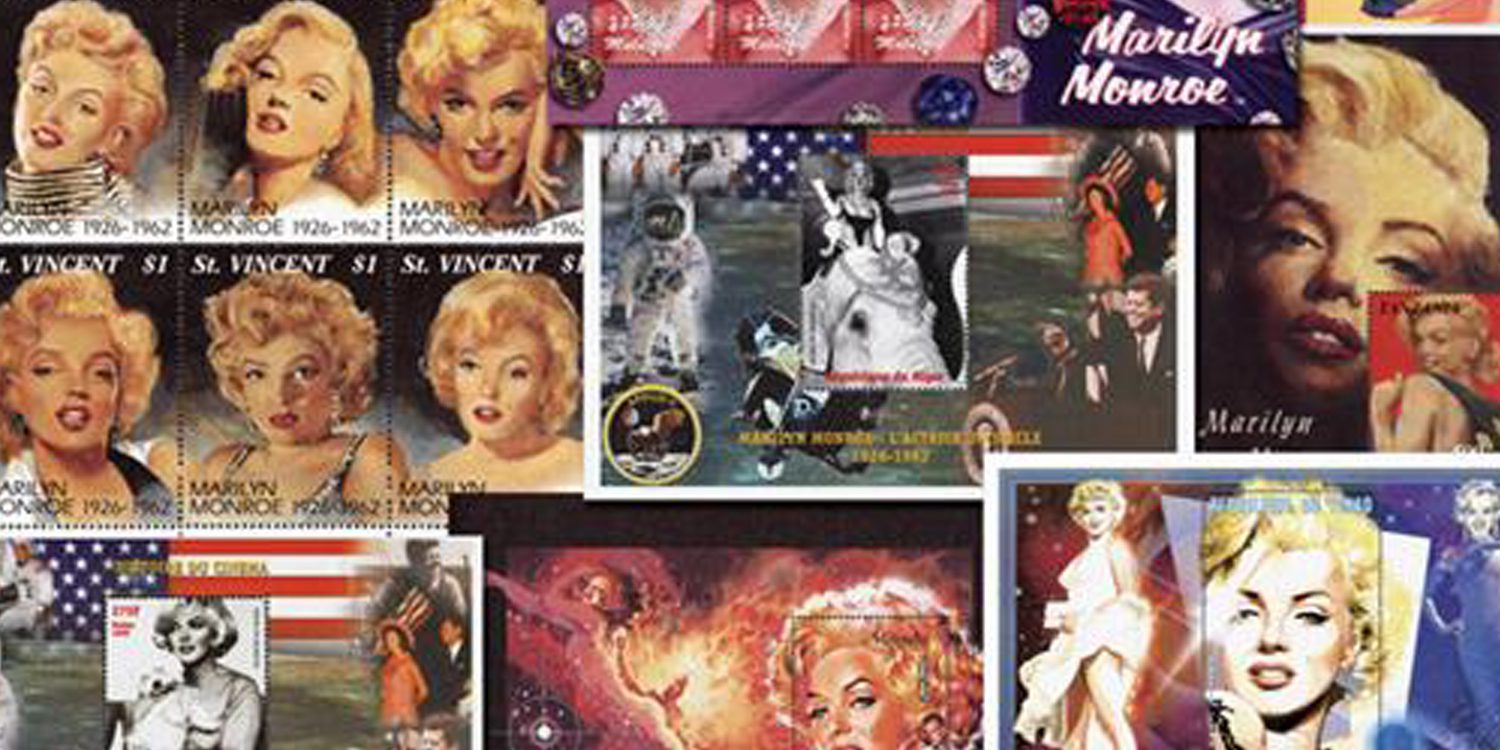
Marilyn Monroe was born Norma Jeane Dougherty on June 1, 1926, in Los Angeles, California. Dubbed the “Blonde Bombshell,” she was one of the most popular actresses of the 1950s and early 1960s.

On May 1, 1924, the US Post Office issued a set of three stamps known as the Huguenot-Walloon Tercentenary Issue. The stamps honored the role of Protestant immigrants in settling America.