Pioneer 10 is Launched
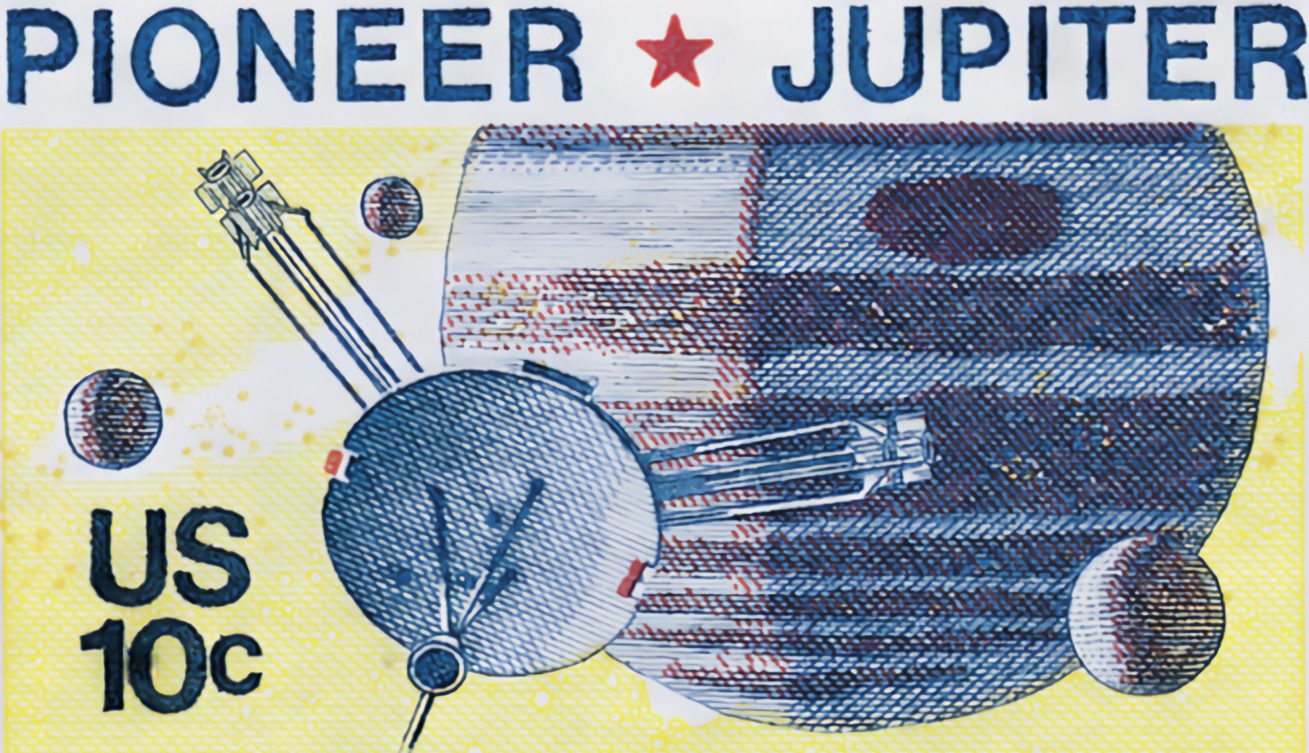
On March 2, 1972, Pioneer 10 lifted off from Cape Canaveral, Florida. It became the first spacecraft to travel beyond the outer planets and eventually the first human-made object to head out of the Solar System.
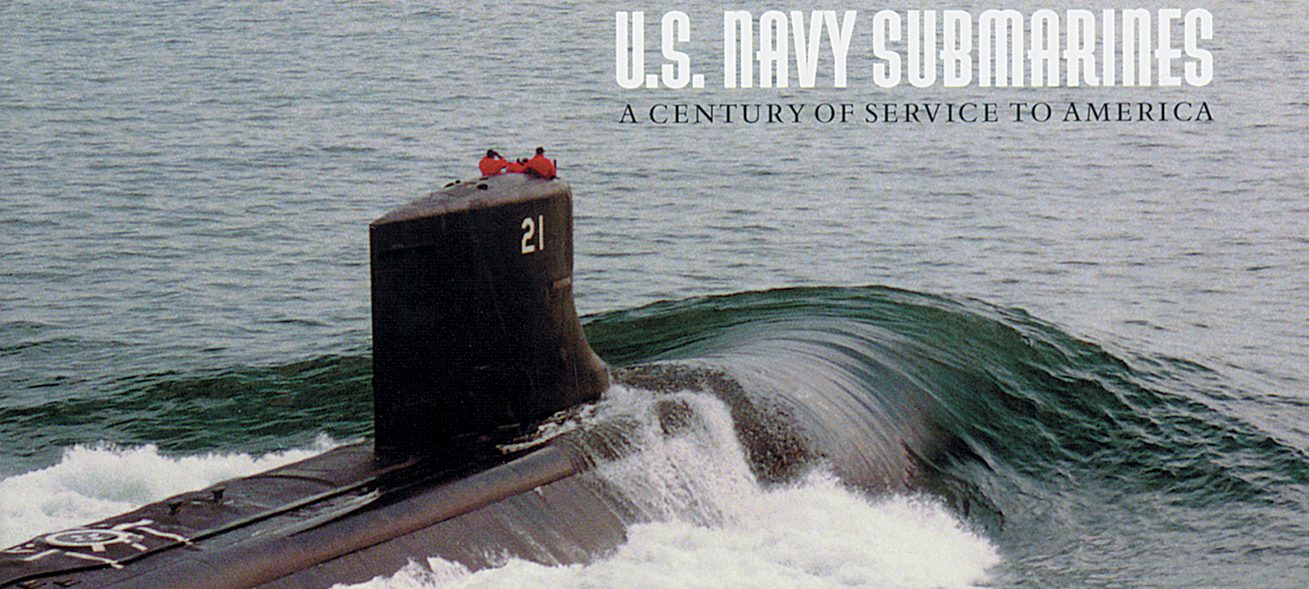
On February 24, 1960, the US Navy submarine USS Triton slipped beneath the surface to begin the first fully submerged circumnavigation of the globe. The daring departure marked the start of a 60-day underwater journey that would prove just how far nuclear submarine technology had advanced during the tense years of the Cold War.
On February 20, 1931, Congress approved the San-Francisco-Oakland Bay Bridge project, setting in motion construction of a permanent crossing that would reshape travel across San Francisco Bay. That decision launched one of the most complex bridge systems ever attempted in the United States and created a transportation link that millions would rely on every year.
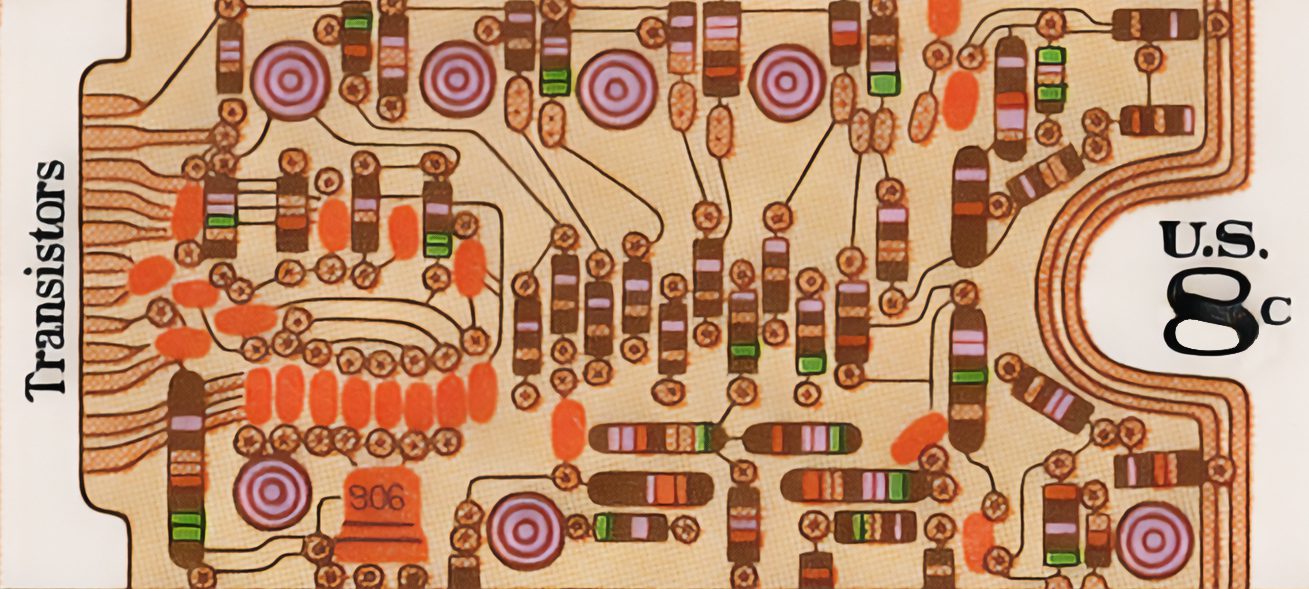
On February 6, 1959, Texas Instruments engineer Jack Kilby filed the first patent for an integrated circuit, a modest document that described a bold new way to build electronics. That filing helped set in motion a shift from room-sized machines to pocket-sized devices that would unfold over the next several decades.
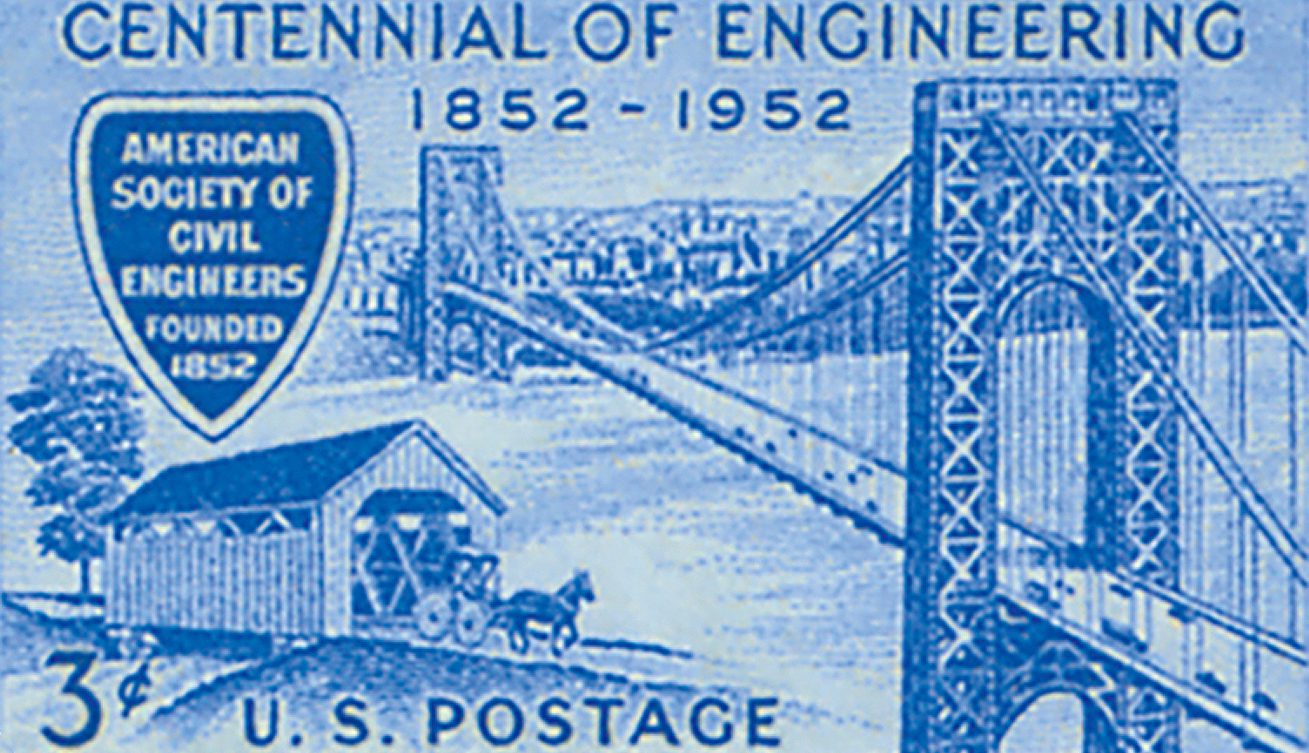
On November 5, 1852, the American Society of Civil Engineers (ASCE) was founded in New York City. It became the first national engineering society in the United States and remains one of the world’s most respected professional engineering organizations today.
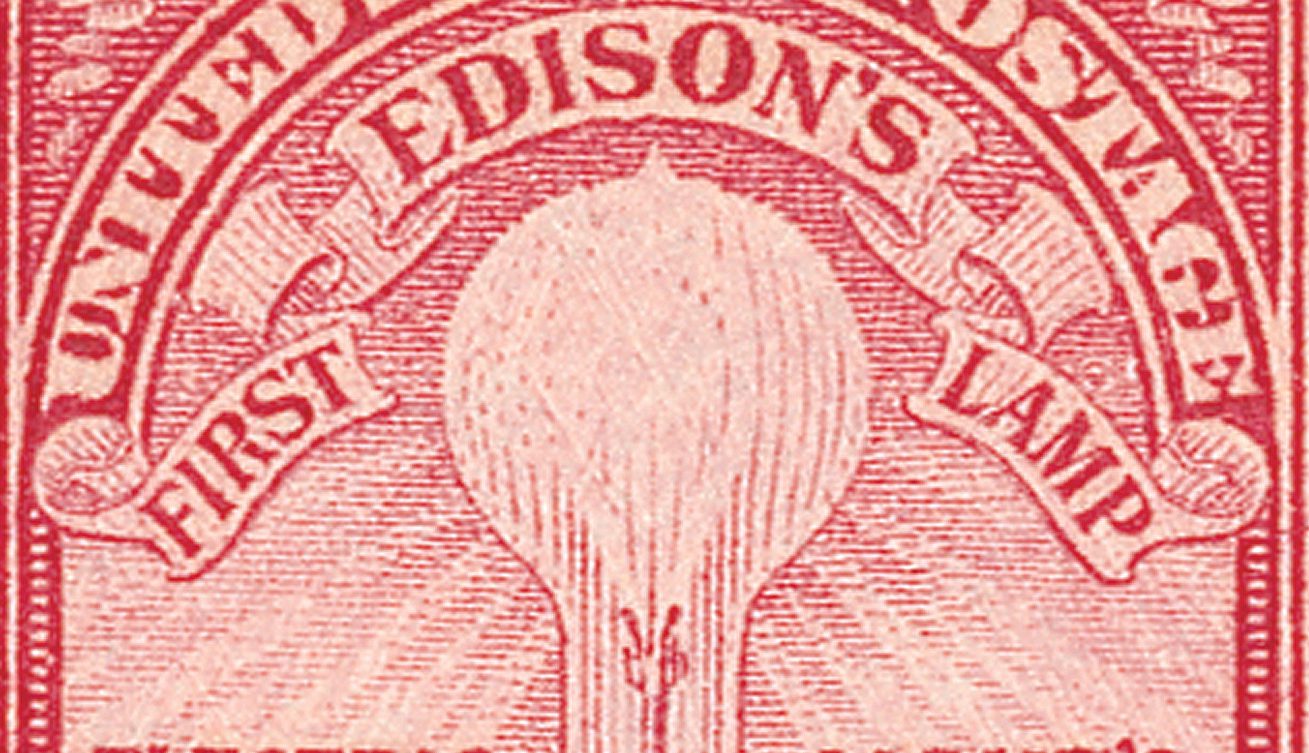
On October 22, 1879, Thomas Edison staged his first successful test of an electric light bulb with a carbon filament. Contrary to popular belief, Edison didn’t invent the light bulb. Dozens of inventors over several decades made their own versions, creating the basis for Edison’s light.
On October 7, 1963, President John F. Kennedy signed the Partial Nuclear Test Ban Treaty with the Soviet Union and United Kingdom. Though it didn’t ban nuclear weapons entirely, the treaty forbid testing in the atmosphere, in space, and underwater.
On August 16, 1858, the first message was sent via the transatlantic cable. The message read, “Europe and America are united by telegraphy. Glory to God in the highest; on earth, peace and good will towards men.”
Nikola Tesla was born on July 10, 1856, in Smiljan, Austrian Empire (present-day Croatia). A brilliant inventor, engineer, and physicist, his experiments and research changed the world.