Founding of the Mayo Clinic
On September 30, 1889, the first building of the Mayo Clinic opened to the public. Today its one of the world’s largest medical centers and the top-ranked hospital in the US.

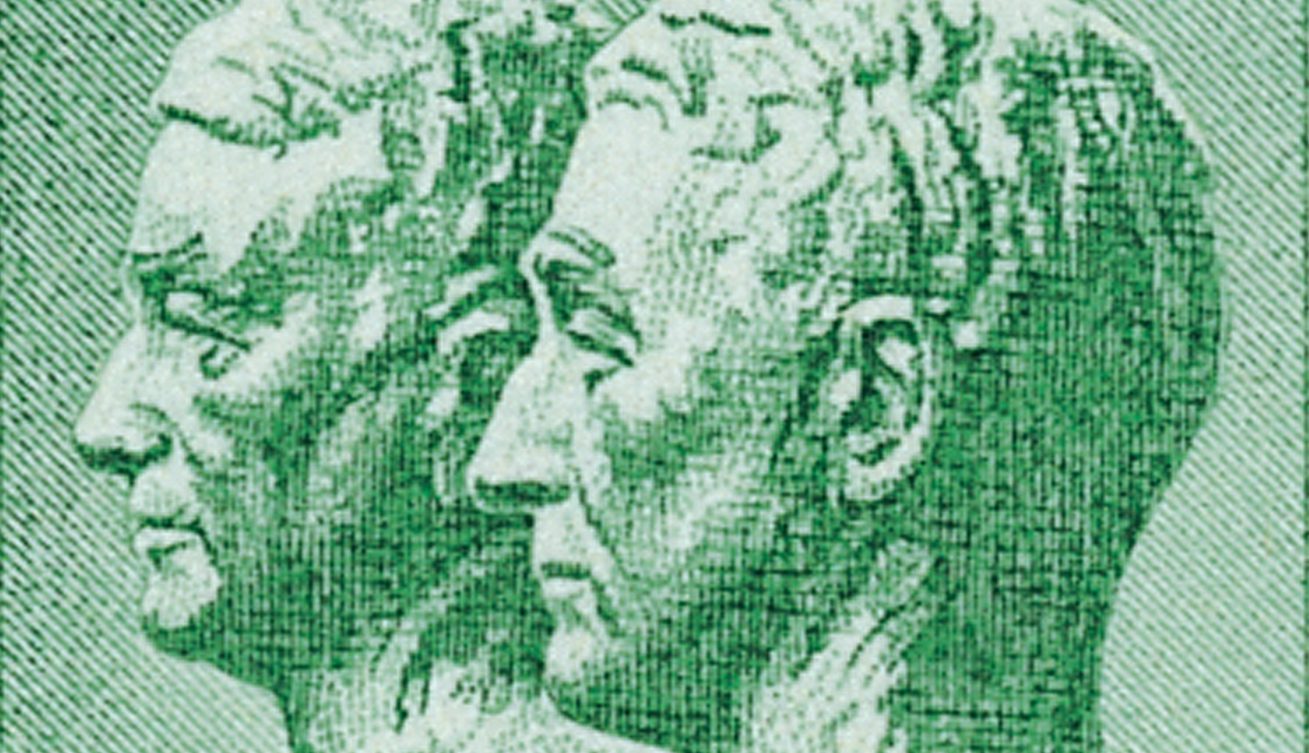
On September 30, 1889, the first building of the Mayo Clinic opened to the public. Today its one of the world’s largest medical centers and the top-ranked hospital in the US.
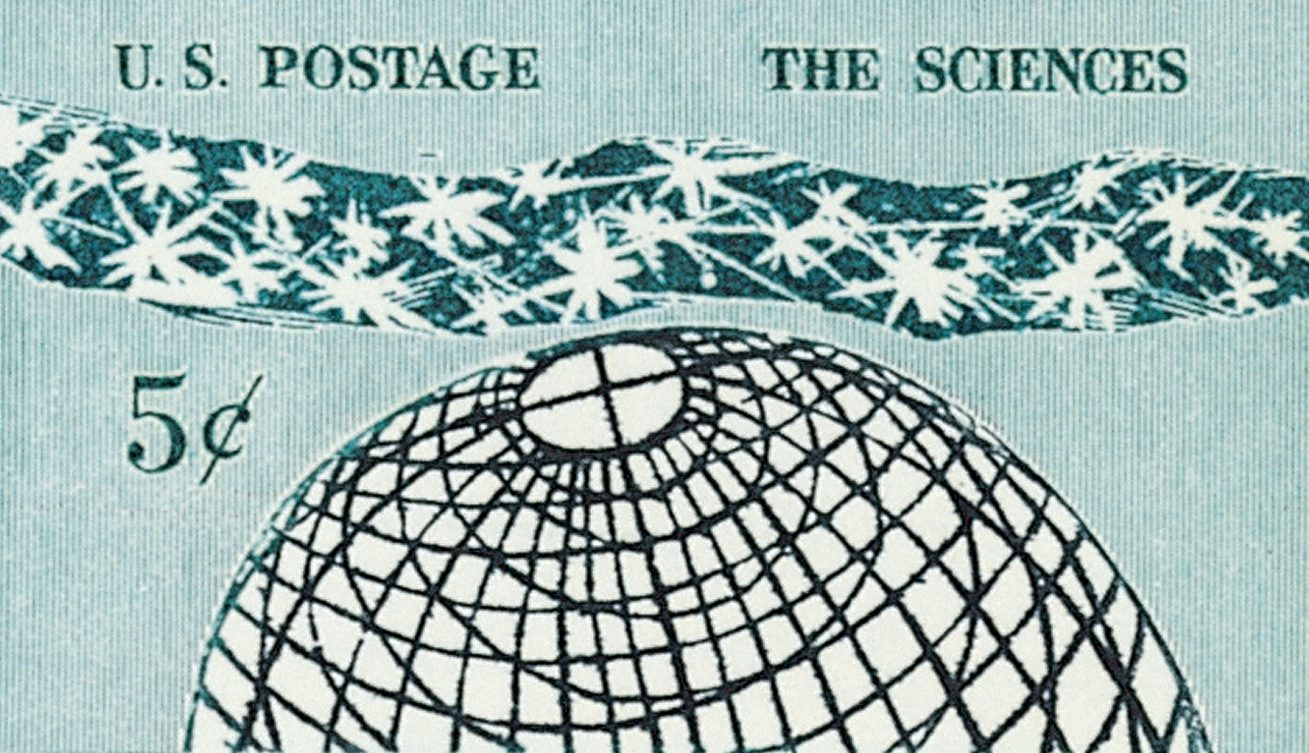
The American Association for the Advancement of Science (AAAS) was founded on September 20, 1848, in Philadelphia, Pennsylvania. It grew to become the world’s largest general scientific society with more than 120,000 members.
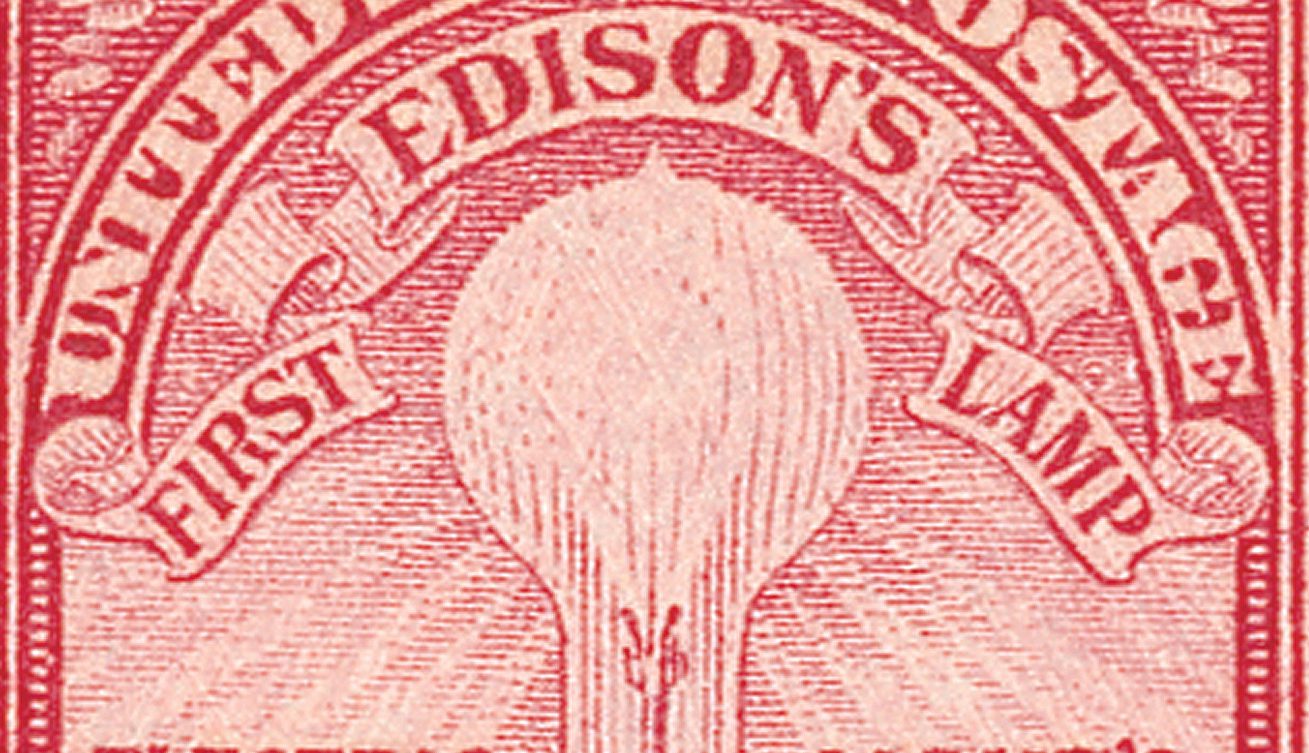
On September 4, 1882, Thomas Edison began providing electricity to a portion of New York City, an event often considered the start of the electrical age.

On July 28, 1897, Alexander Winton began a nine-day test-drive of his automobile, proving its reliability to investors. Winton went on to become the top-selling automobile manufacturer for several years. He had more than 100 patents, and often allowed others to use them for free when safety was involved.

On July 20, 1969, the US effectively won the Space Race when Neil Armstrong and Buzz Aldrin landed the Eagle lunar module on the Moon’s surface.
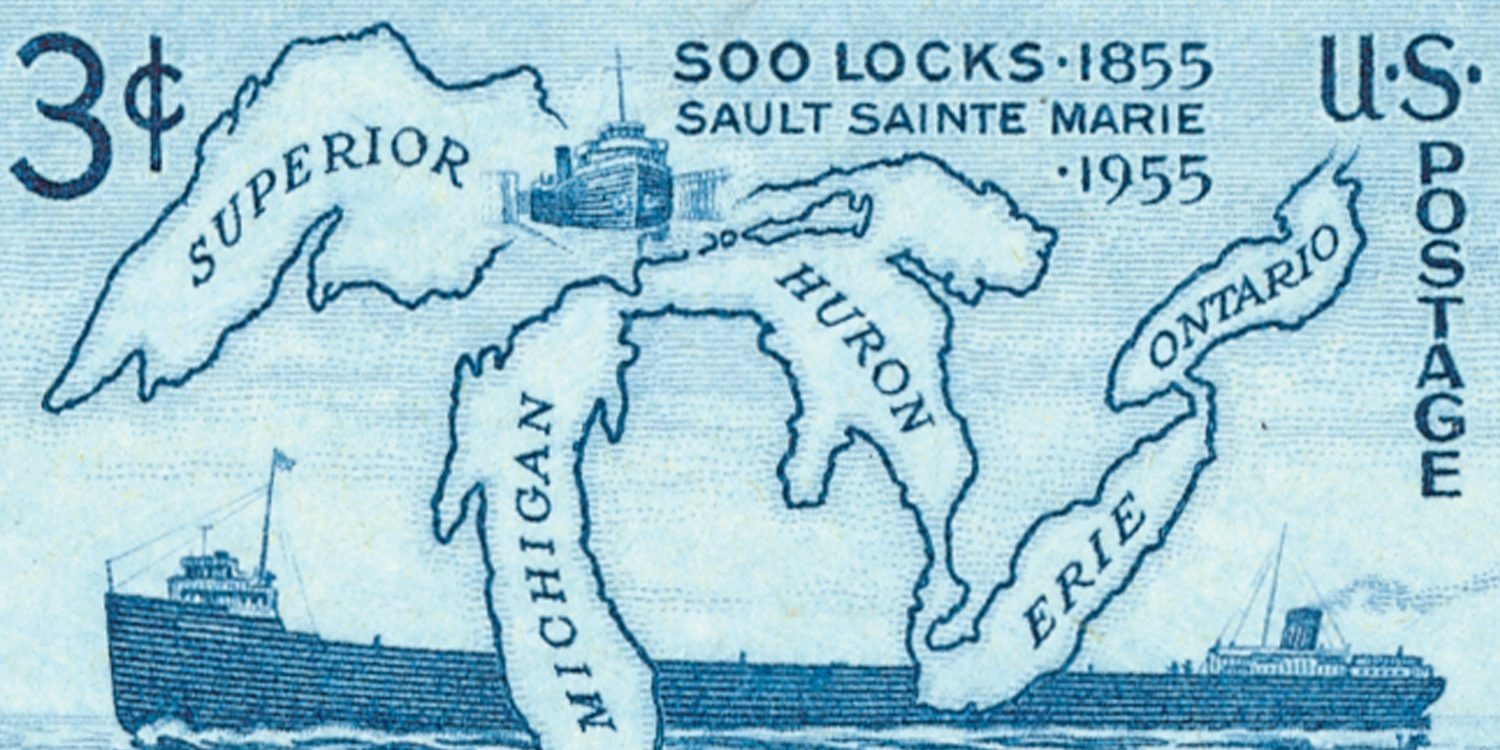
On June 18, 1855, the first ship passed through the Soo Locks, located on the St. Mary’s River between Lake Superior and Lake Huron. Today there are four locks, and an average of 10,000 ships pass through them each year.
On May 16, 1960, Theodore Maiman fired up a device that turned a flash of light into something sharper, brighter, and far more useful. His first working laser later gave May 16 its place as the International Day of Light, a yearly reminder of how light-based science changed medicine, communications, industry, and daily life.
On April 10, 1790, President George Washington signed the Patent Act of 1790 into law, creating a formal system to protect new inventions in the young United States. In just a few paragraphs, the new nation set rules that would shape American innovation for generations.

On April 2, 1872, telegraph inventor Samuel Morse died, closing the life of a man whose work helped make near-instant communication possible. His system turned electricity into language, allowing messages to travel across vast distances in seconds rather than days.