Birth of Marguerite Higgins
Marguerite Higgins Hall was born on September 3, 1920, in Hong Kong, China. A war correspondent for World War II, Korea, and Vietnam, she was the first woman awarded a Pulitzer Prize for international reporting.

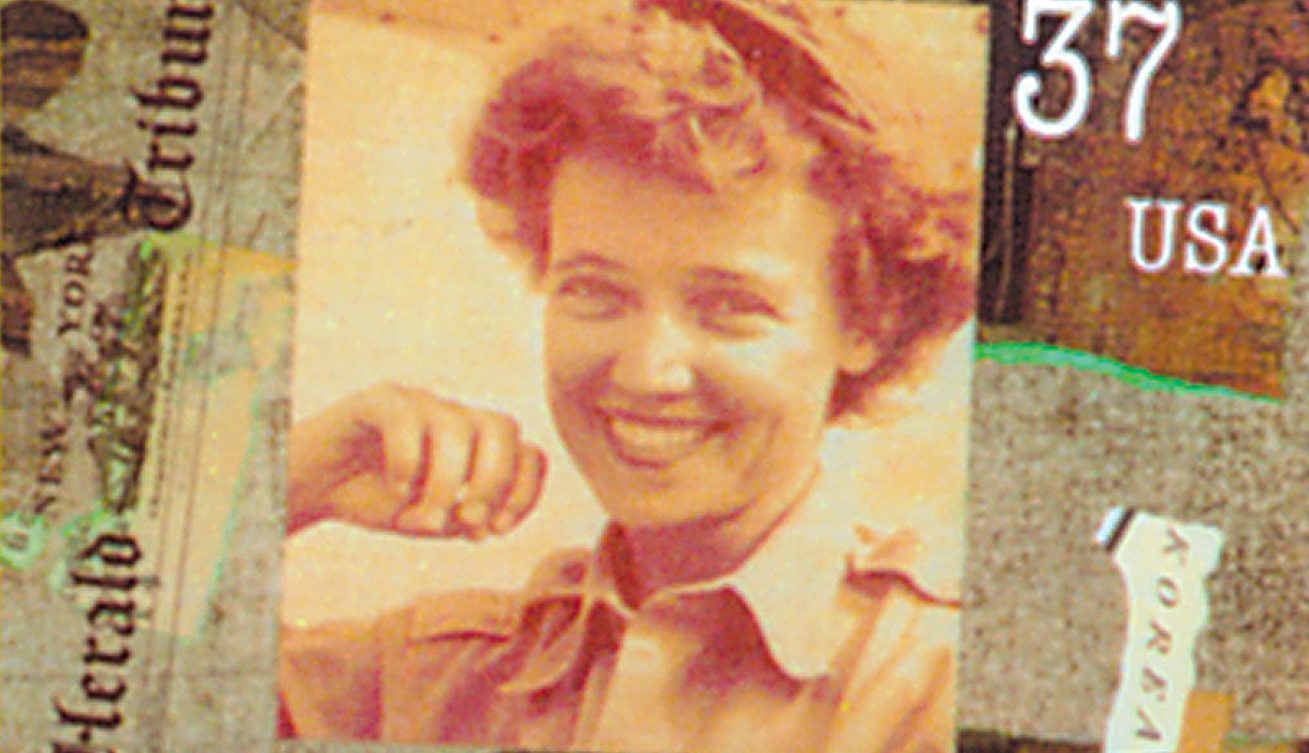
Marguerite Higgins Hall was born on September 3, 1920, in Hong Kong, China. A war correspondent for World War II, Korea, and Vietnam, she was the first woman awarded a Pulitzer Prize for international reporting.
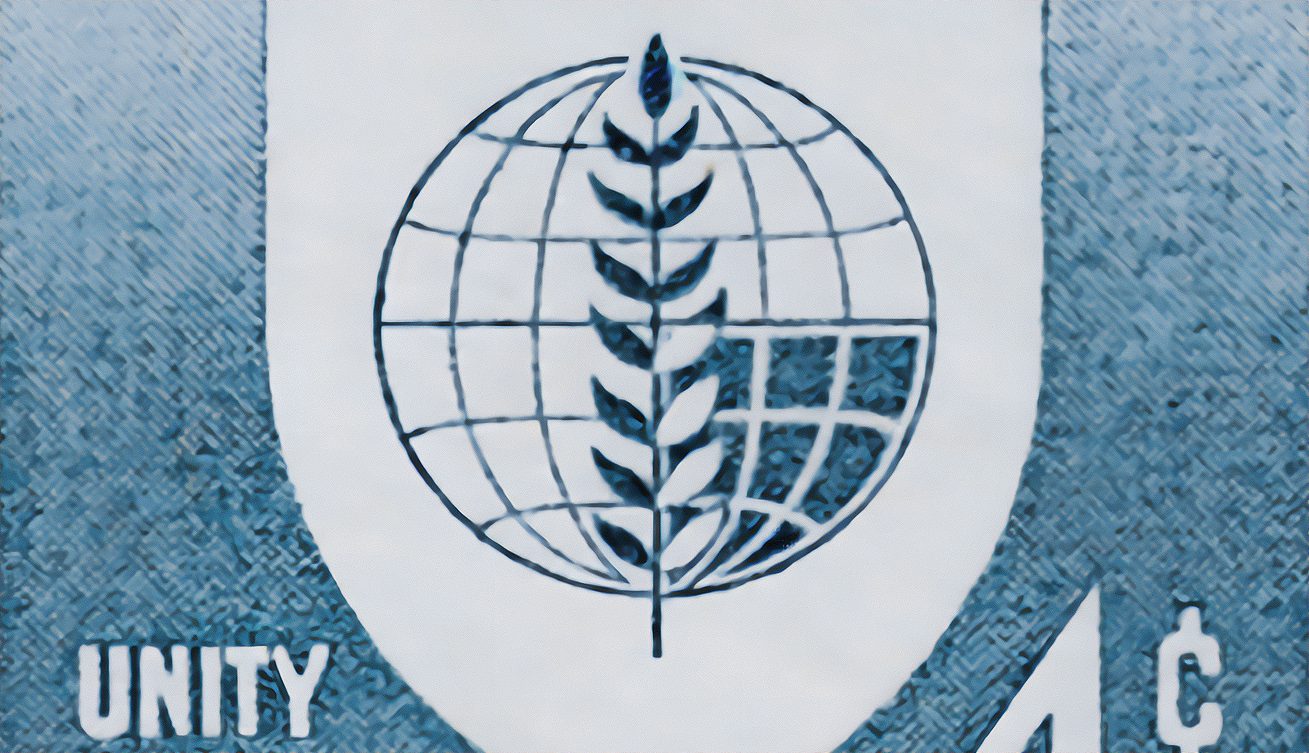
On September 8, 1954, eight nations signed the Southeast Asia Collective Defense Treaty, or Manila Pact, creating the Southeast Asia Treaty Organization (SEATO). The treaty’s main purpose was to create a collective defense system, so that if one member was attacked, the others would come to its aid.
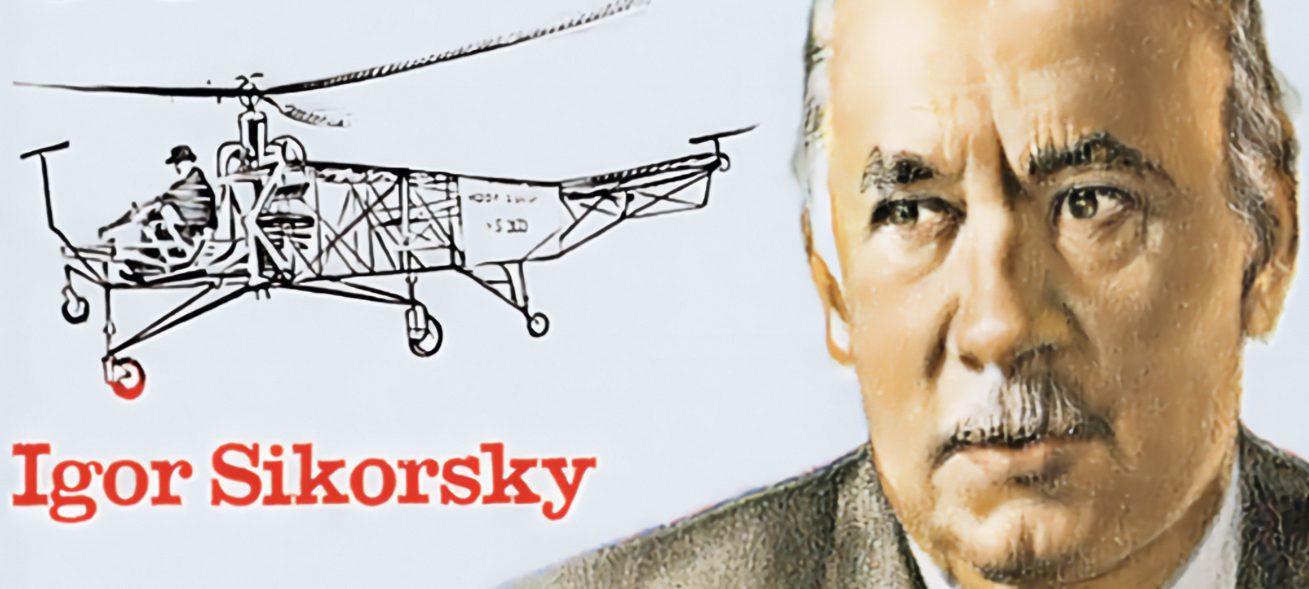
On May 24, 1940, Igor Sikorsky successfully flew the first single-rotor helicopter. Sikorsky developed the world’s first mass-produced helicopter and one of the first American helicopters used in World War II.
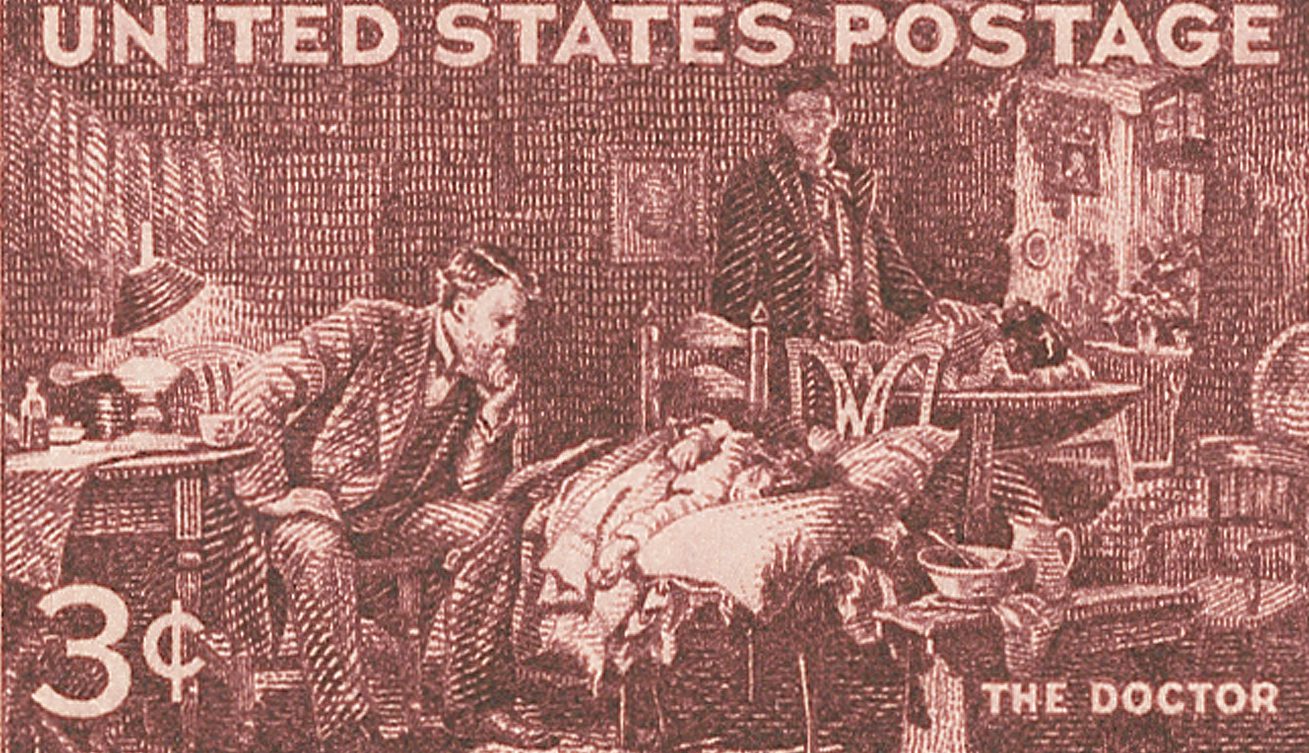
On May 7, 1847, the American Medical Association (AMA) was founded, thanks in large part to Nathan Smith Davis. Since its creation, the AMA’s mission has been “to promote the art and science of medicine and the betterment of public health.”

On January 30, 1968, the North Vietnamese Army launched a surprise attack on South Vietnam during the Tet (New Year) holiday truce. The offensive was largely considered a failure for the North Vietnamese as they didn’t meet any of their objectives.

On January 12, 1962, American forces participated in their first major combat of the Vietnam War – Operation Chopper.

America’s 37th president, Richard Milhous Nixon was born into a poor Quaker family in Yorba Linda, California, on January 9, 1913. Largely remembered for the Watergate scandal and his resignation, he was considered an effective leader by many prior to his fall from grace.

On October 18, 1997, the Women in Military Service for America Memorial (WIMSA) was officially dedicated in Arlington County, Virginia. This stamp was issued at the memorial’s dedication ceremony.

On April 21, 1962, the Seattle World’s Fair, also known as the Century 21 Exposition, opened to the public. The fair’s themes of space and the future helped to make it a tremendous success – one of the few to turn a profit.