The Origins of “Uncle Sam”
On September 7, 1813, a newspaper referred to the United States as “Uncle Sam.” The name reportedly came from Troy, New York’s Uncle Sam Wilson, and has since become one of America’s most enduring national symbols.
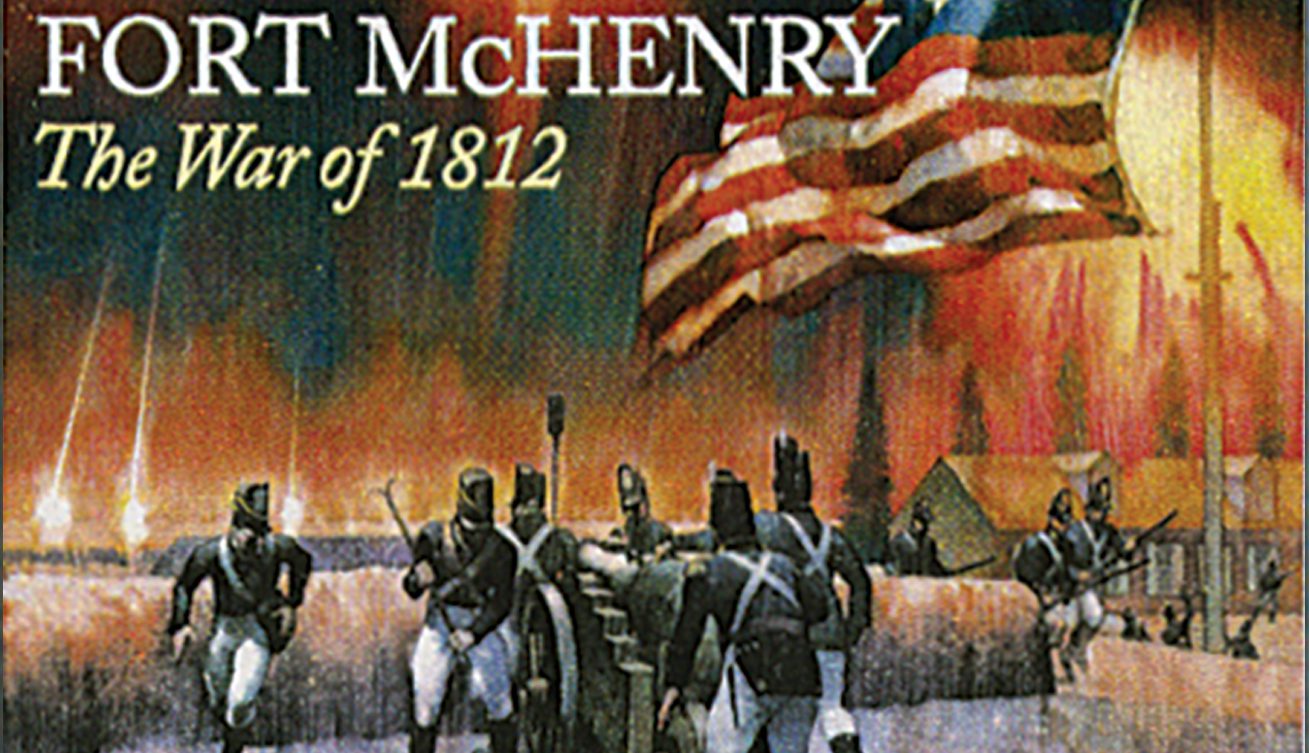
On August 11, 1939, Congress established Fort McHenry National Monument and Historic Shrine. The monument honors and preserves this historic fort where our national anthem was born. It’s also the only place in the National Park system to be designated a Historic Shrine.
On August 4, 1790, President George Washington passed a new Tariff Act that created the United States Revenue Cutter Service, the forerunner of the US Coast Guard. The Revenue Cutter Service was America’s only armed maritime service until the Navy was formed in 1798.
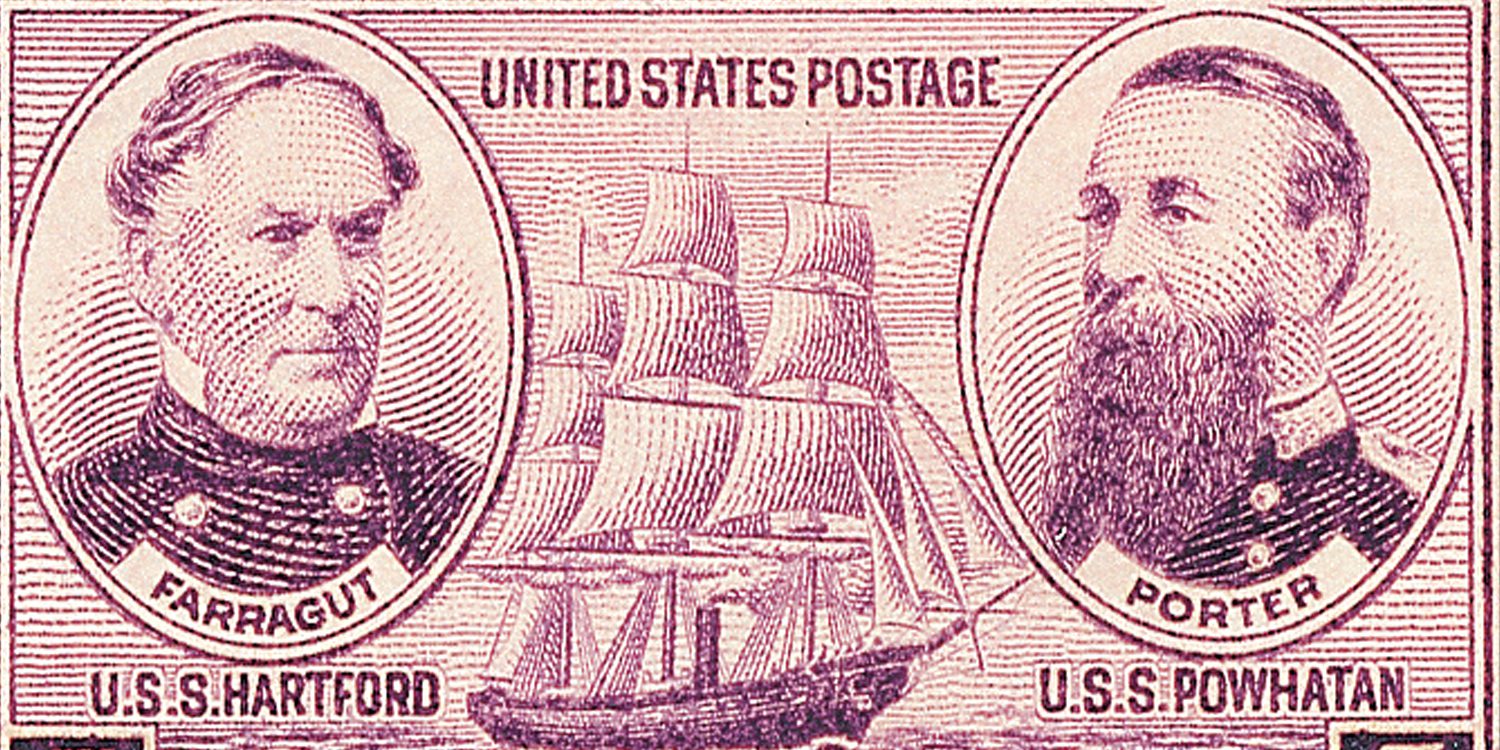
David Glasgow Farragut was born in Campbell’s Station (now Farragut), Tennessee, on July 5, 1801. A Civil War naval commander, the rank of admiral was created specifically for him.
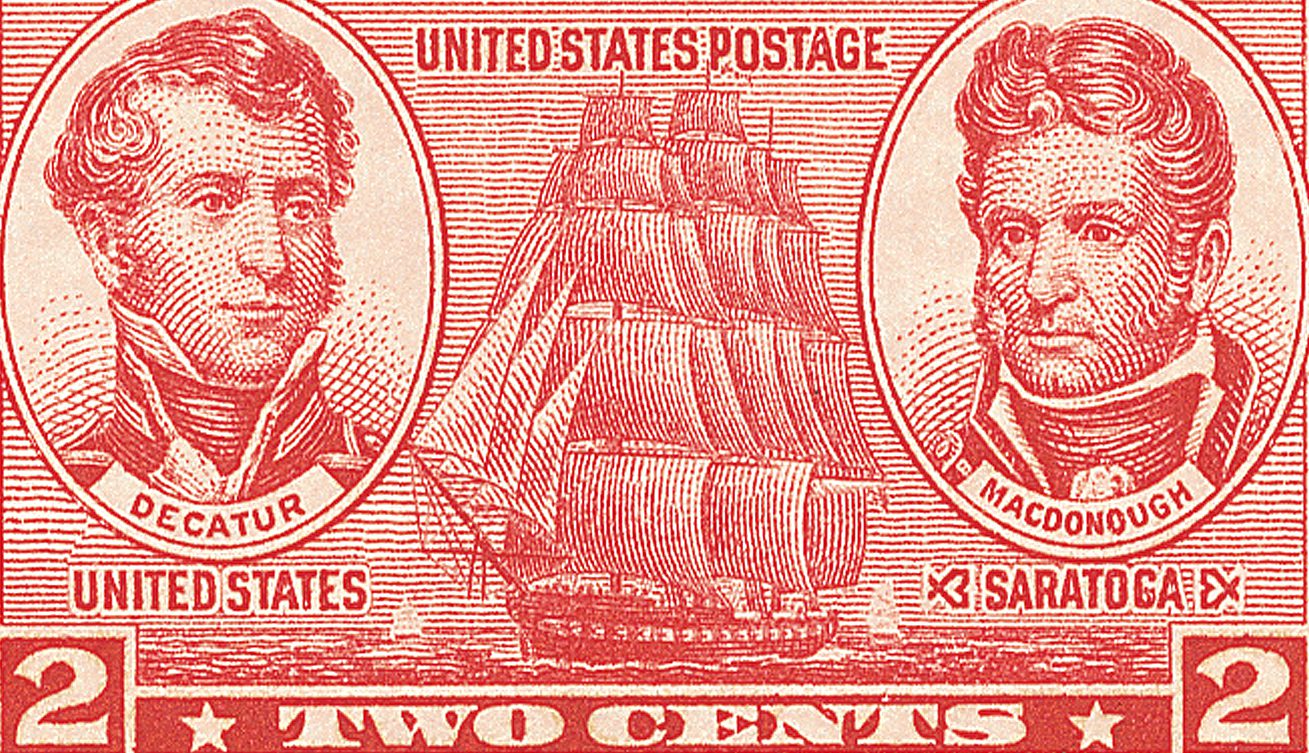
Thomas Macdonough (born McDonough) Jr. was born on December 31, 1783, in New Castle County, Delaware. The town in which he was born was later named McDonough in his honor.
On December 29, 1812, the USS Constitution scored another American victory at sea in the War of 1812.
On February 29, 1796, the Jay Treaty went into effect, resolving some lingering issues between America and Great Britain following the Revolutionary War.
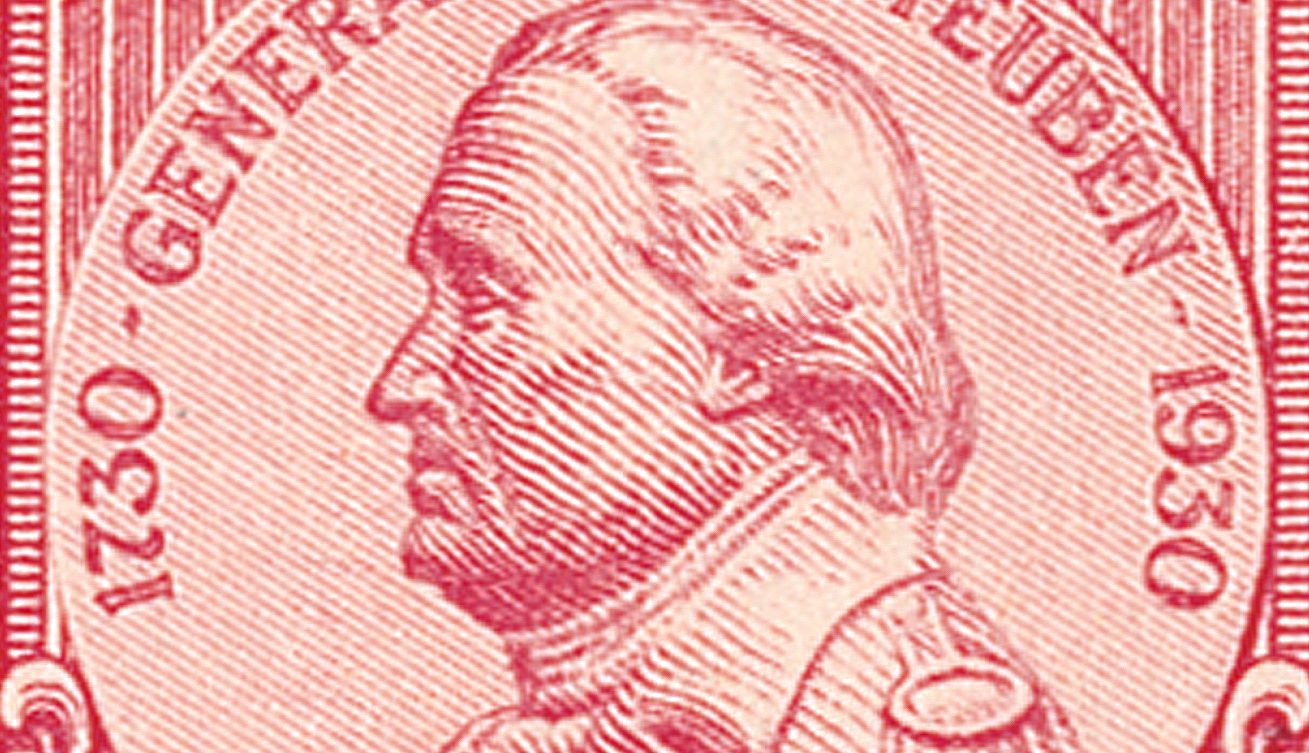
Revolutionary War hero Wilhelm von Steuben was born on September 17, 1730, in Magdeburg, Kingdom of Prussia (present-day Germany).
Our nation’s third First Lady was born Dolley Payne in Piedmont, North Carolina, on May 20, 1768.