Moina Michael’s Poppy Campaign
On November 9, 1918, Moina Michael penned her poem, “We Shall Keep the Faith,” and resolved to wear a red poppy every day in remembrance of the fallen. She became known as the “Poppy Lady.”


On November 9, 1918, Moina Michael penned her poem, “We Shall Keep the Faith,” and resolved to wear a red poppy every day in remembrance of the fallen. She became known as the “Poppy Lady.”
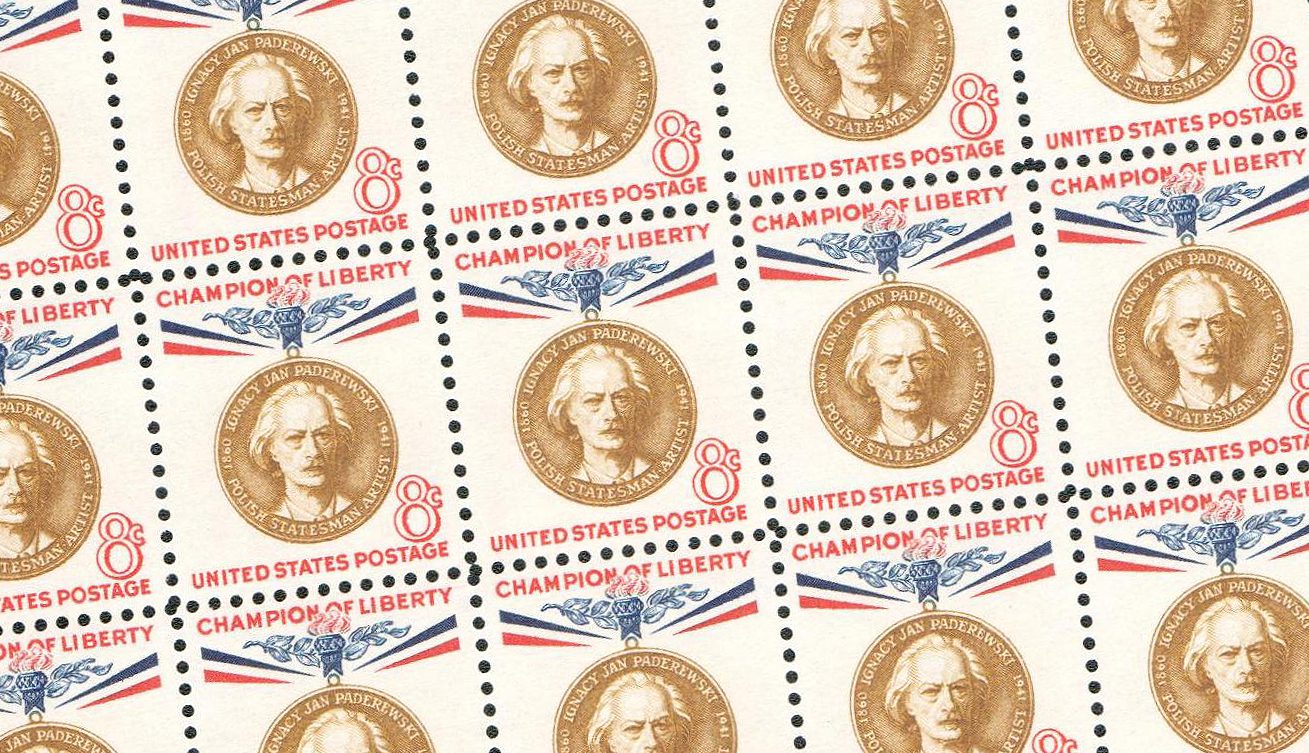
Ignacy Jan Paderewski was born on November 6, 1860, in Kuryłówka, Podolia (in present-day Ukraine). He was an accomplished pianist and composer as well as the first Prime Minister of independent Poland.
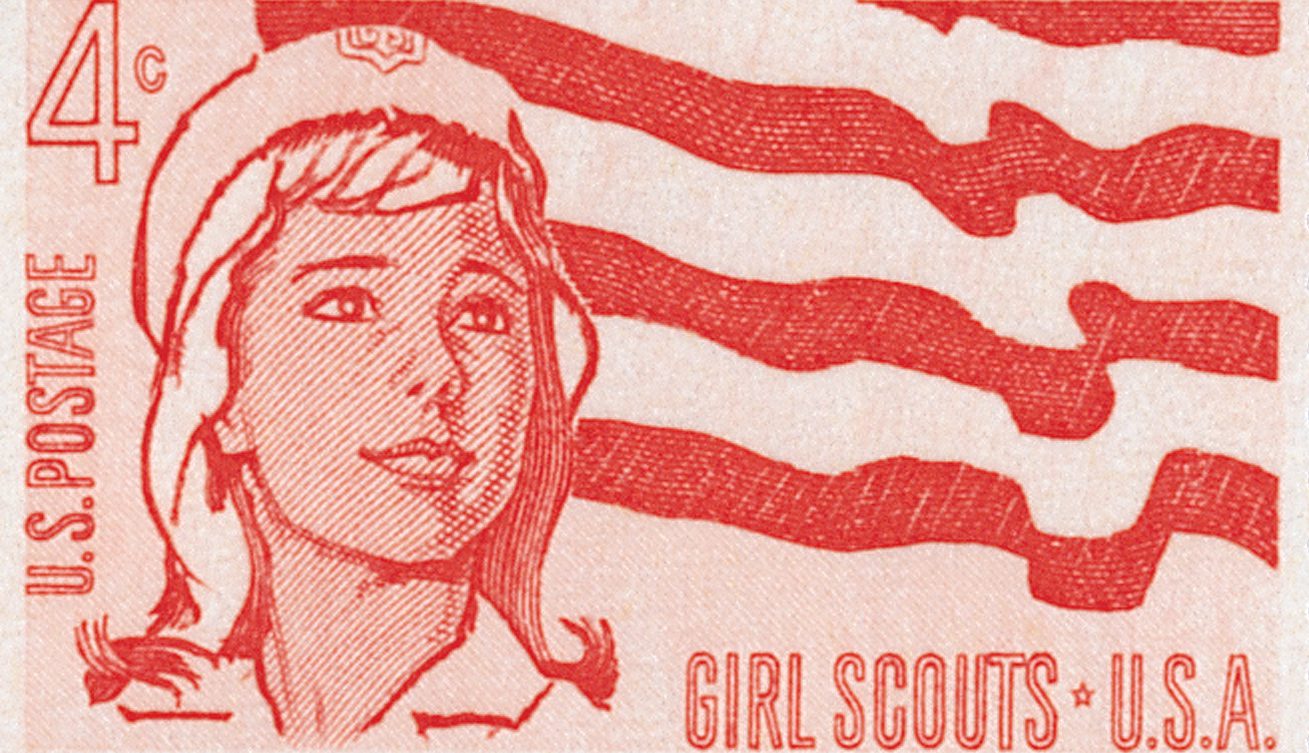
Juliette Magill Kinzie Gordon was born on October 31, 1860, in Savannah, Georgia. She brought the Girls Guides to the US, which later became the Girl Scouts.
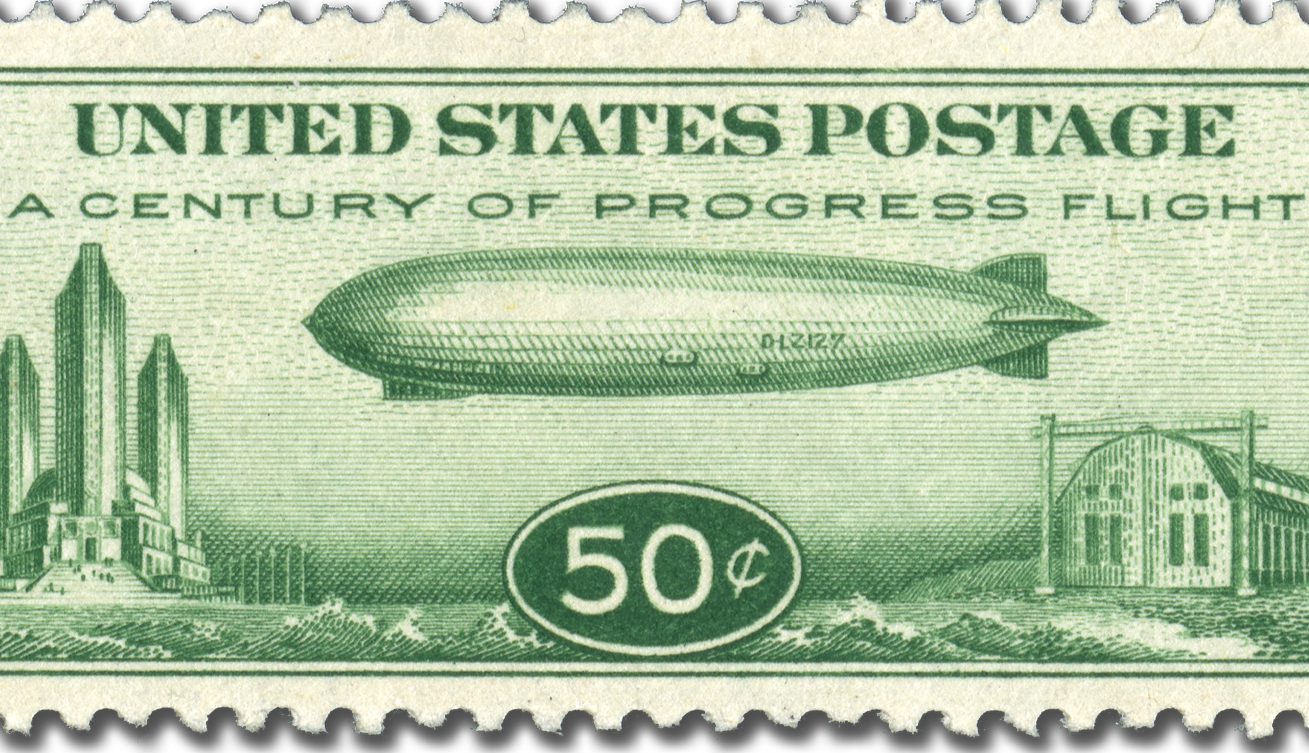
On October 2, 1933, the Century of Progress airmail stamp, affectionately known as “Baby Zepp” was issued. It sold poorly at the time and 90% of the stamps were destroyed, leaving a relatively small number available today.
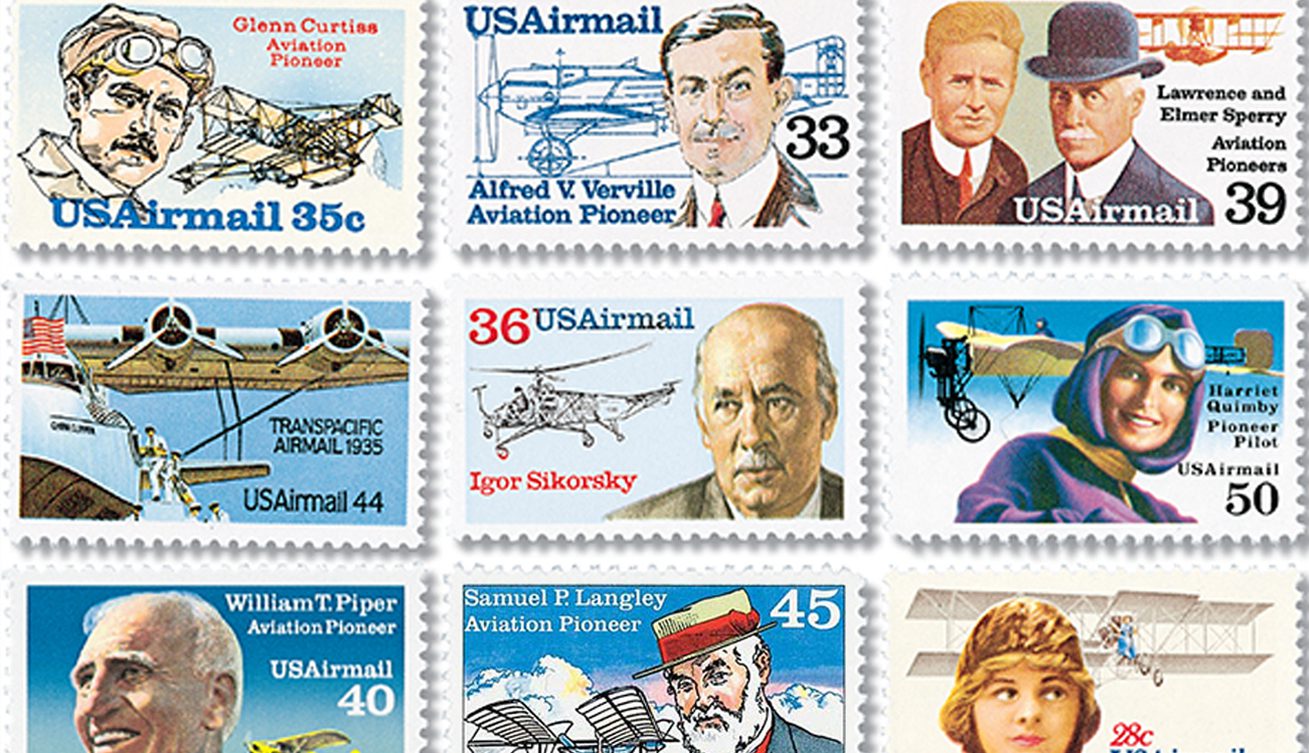
On September 23, 1978, the USPS issued the first stamps in its Pioneers of Aviation Series. The series would span more than 20 years and include 18 stamps honoring some of America’s most legendary aviators and their aircraft.
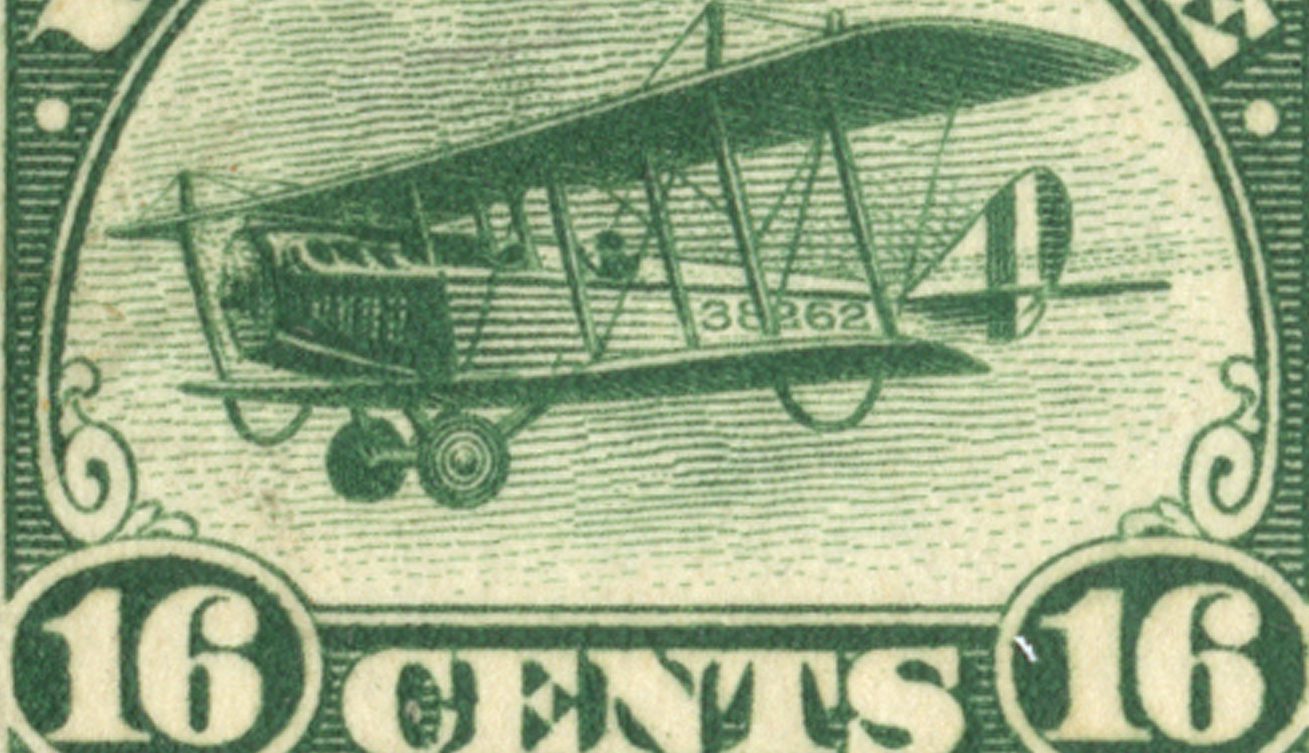
On August 12, 1918, the US Post Office Department took over control of airmail service from the US Army Air Service. Under the Post Office Department, the service flourished, leading to transcontinental airmail service, which was eventually taken over by private companies.
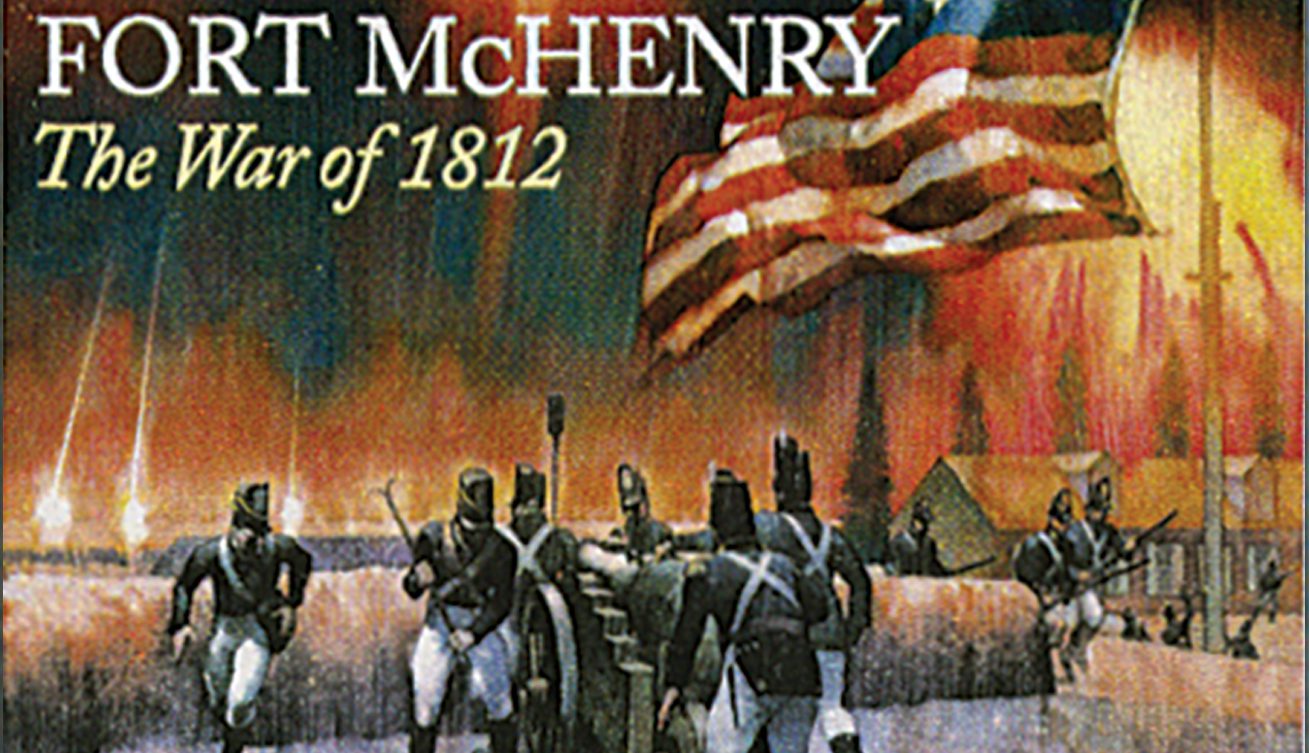
On August 11, 1939, Congress established Fort McHenry National Monument and Historic Shrine. The monument honors and preserves this historic fort where our national anthem was born. It’s also the only place in the National Park system to be designated a Historic Shrine.
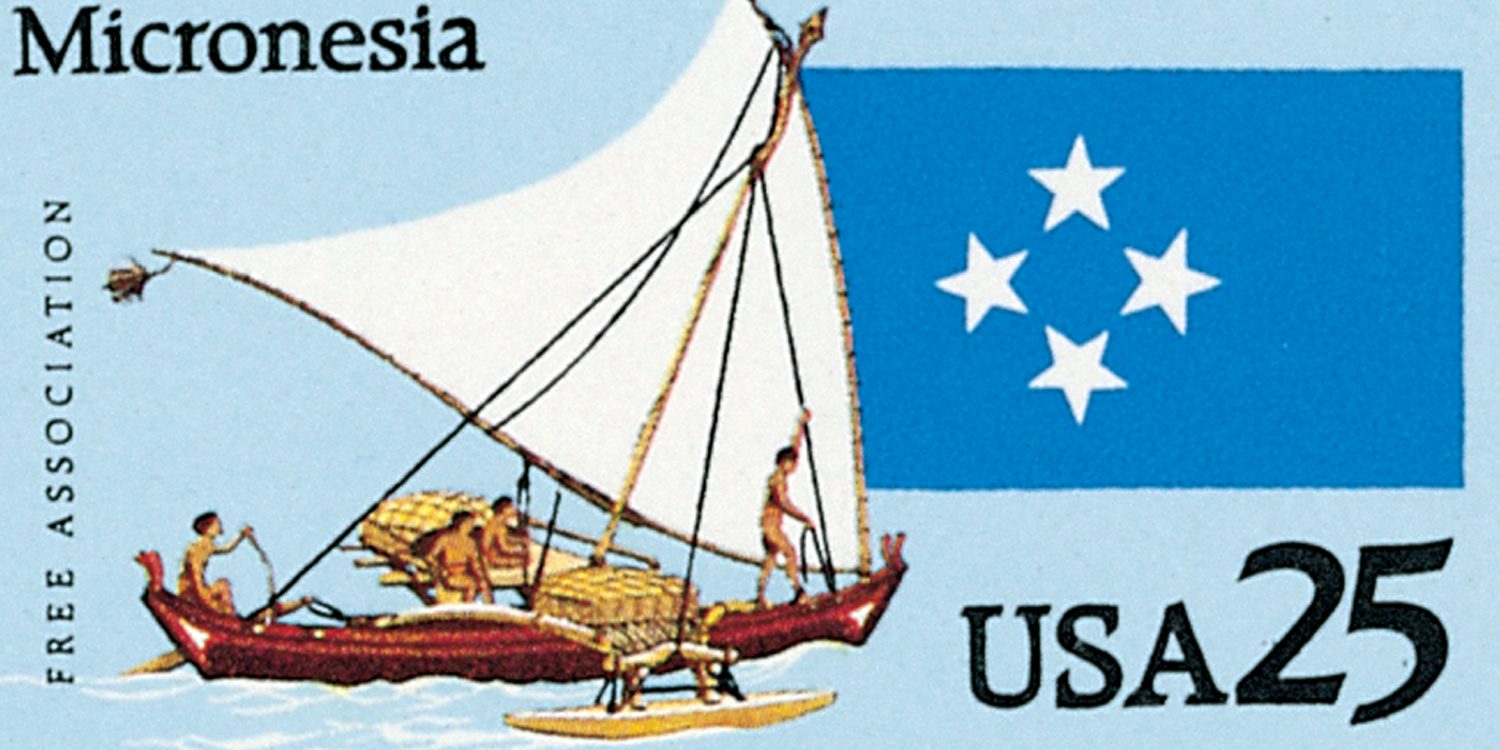
On July 18, 1947, the United Nations established the Trust Territory of the Pacific Islands (TTPI) to be administered by the United States. The TTPI was founded to help these small islands recover in the wake of World War II.
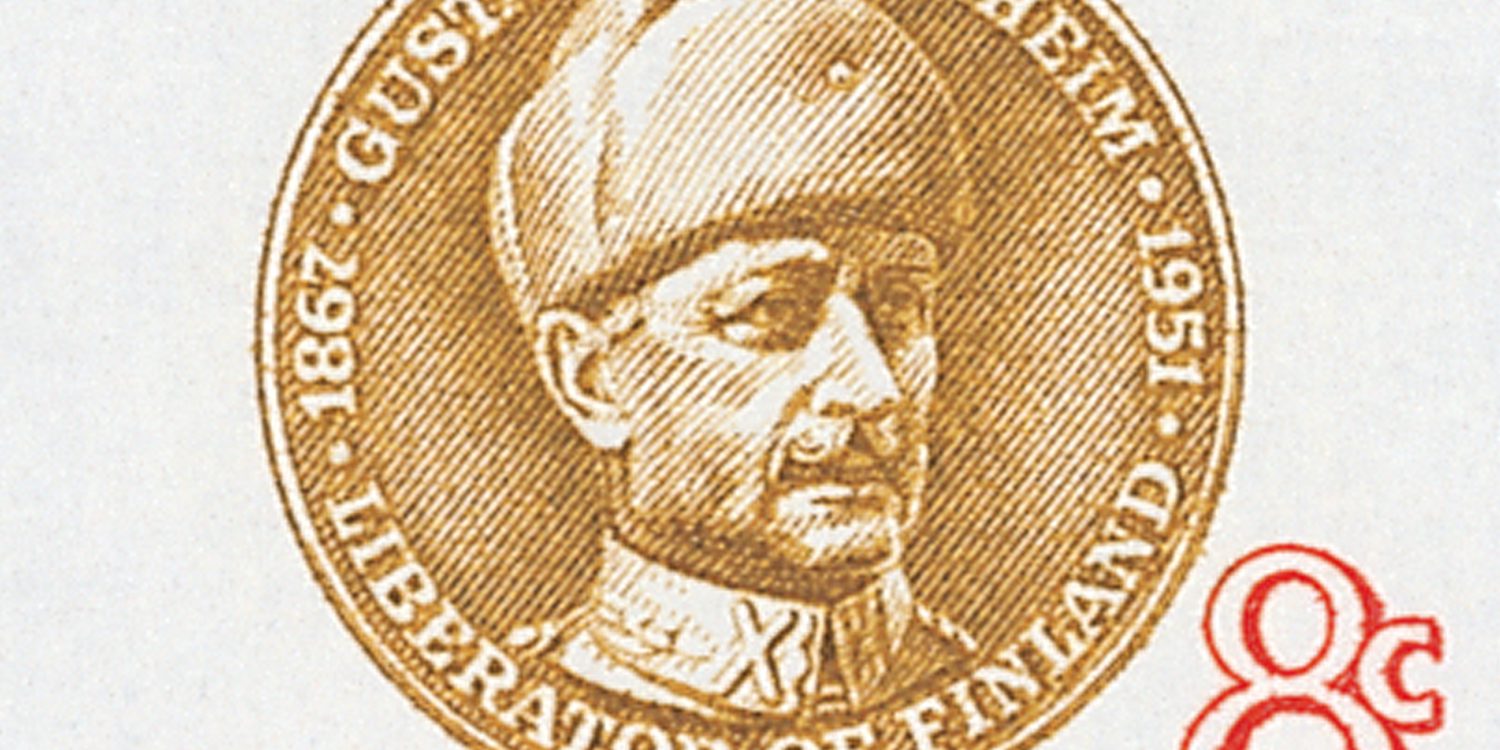
Baron Carl Gustaf Emil Mannerheim was born on June 4, 1867, in Askainen, Grand Duchy of Finland, Russian Empire. A soldier, statesman, Marshal and President of Finland, Mannerheim led his countrymen though multiple wars, and is sometimes called the father of modern Finland.