This Day in History

  • Birth of Abigail Adams 

    Abigail Adams, America’s second First Lady, lived a life shaped by intelligence, resilience, and an unwavering sense of purpose. Born Abigail Smith on November 22, 1744 (November 11 in the Old Style calendar) in Weymouth, Massachusetts, she grew up during a time when girls were rarely encouraged to pursue learning. Yet Abigail’s curiosity, sharp mind, and determination made her one of the most influential women of the Revolutionary era. Her letters, ideas, and leadership helped shape the emerging nation, leaving a legacy that continues to inspire Americans today.
  • Battle of Tarawa Begins

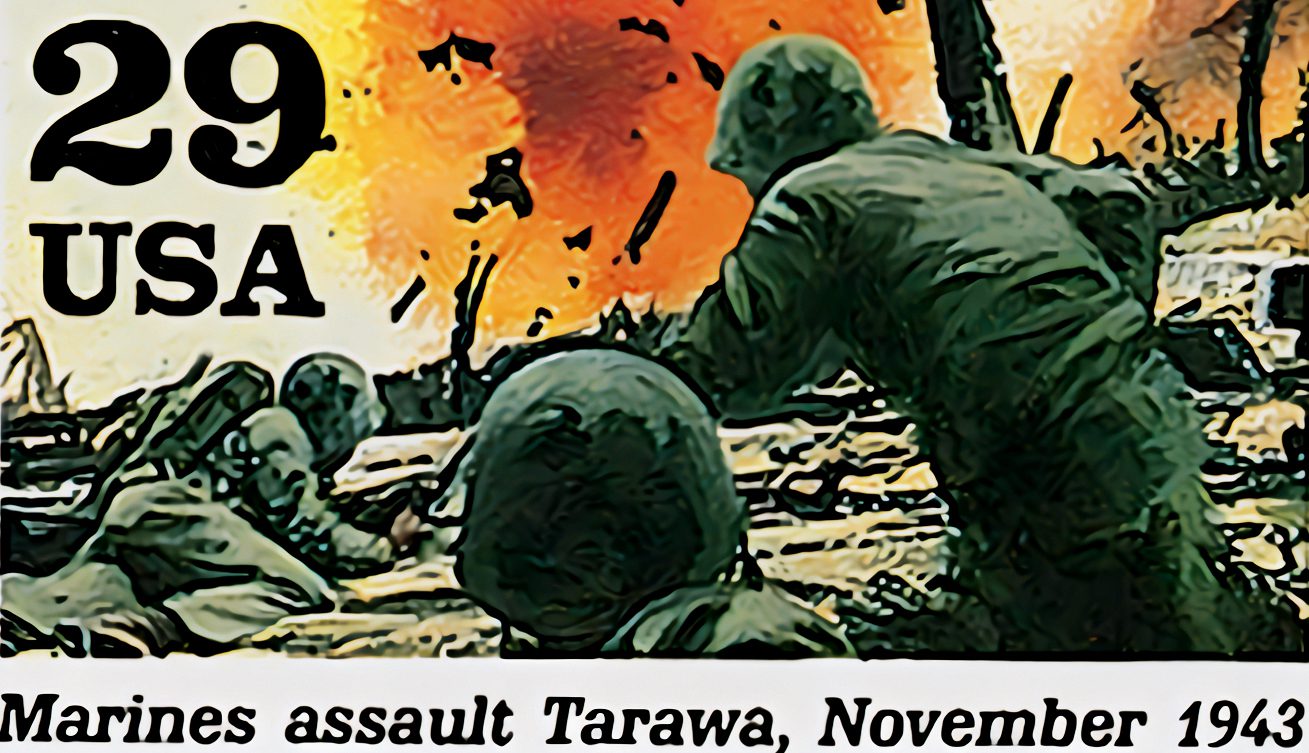
    On November 20, 1943, US troops launched the Battle of Tarawa, the first American offensive in the central Pacific region of World War II. A turning point in the Pacific War, it saw effective use of the America’s newly developed island-hopping strategy and provided important lessons for future invasions.

  • The Celebrated Jumping Frog of Calaveras County

    On November 18, 1865, Mark Twain published an early version of “The Celebrated Jumping Frog of Calaveras County” in The New York Saturday Press, bringing him his first real taste of national fame. Although he would later become one of America’s most important writers, this humorous frontier tale was the piece that launched his career and revealed his talent for storytelling, satire, and capturing the voices of everyday people.

  • First Americans Sight Antarctica

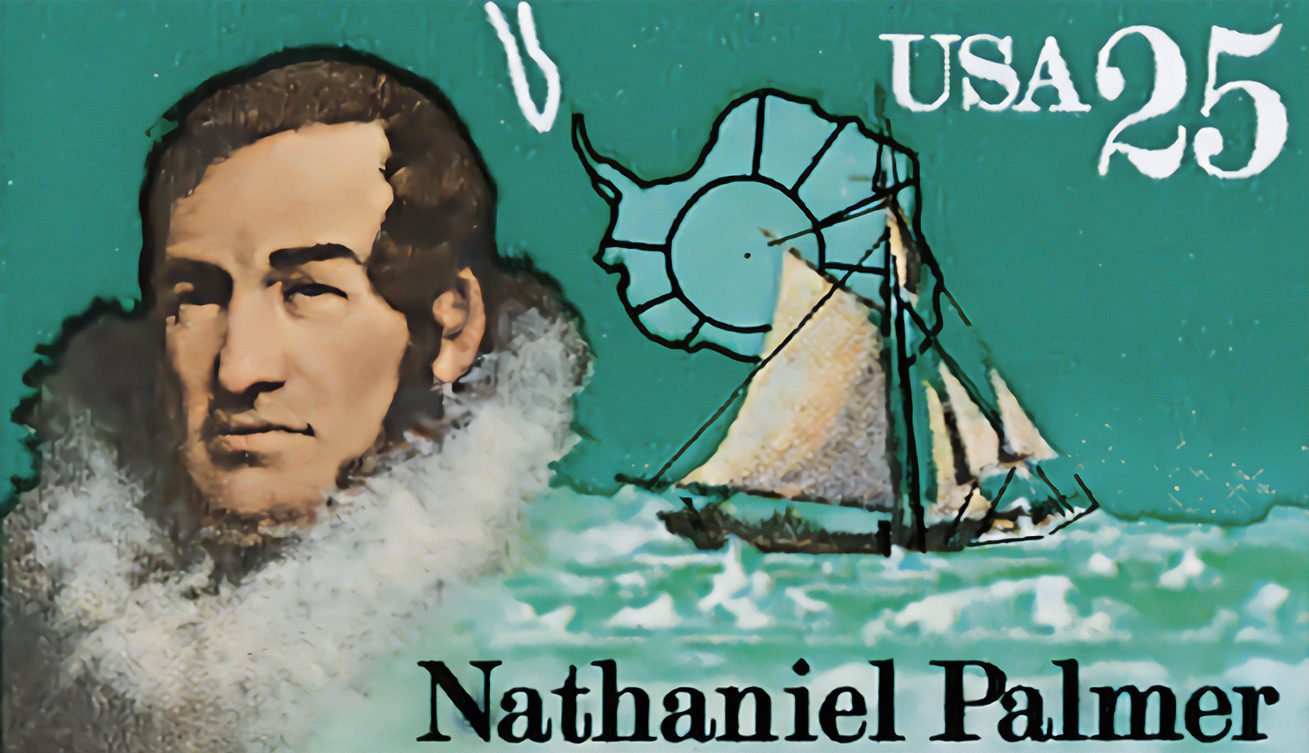
    On November 17, 1820, American sealer Nathaniel Brown Palmer and his small crew made history when they became the first Americans to see the icy continent of Antarctica. Their sighting marked an important moment in early American exploration and opened a new chapter in the world’s understanding of the far southern regions of the globe.

  • Oklahoma Becomes 46th State

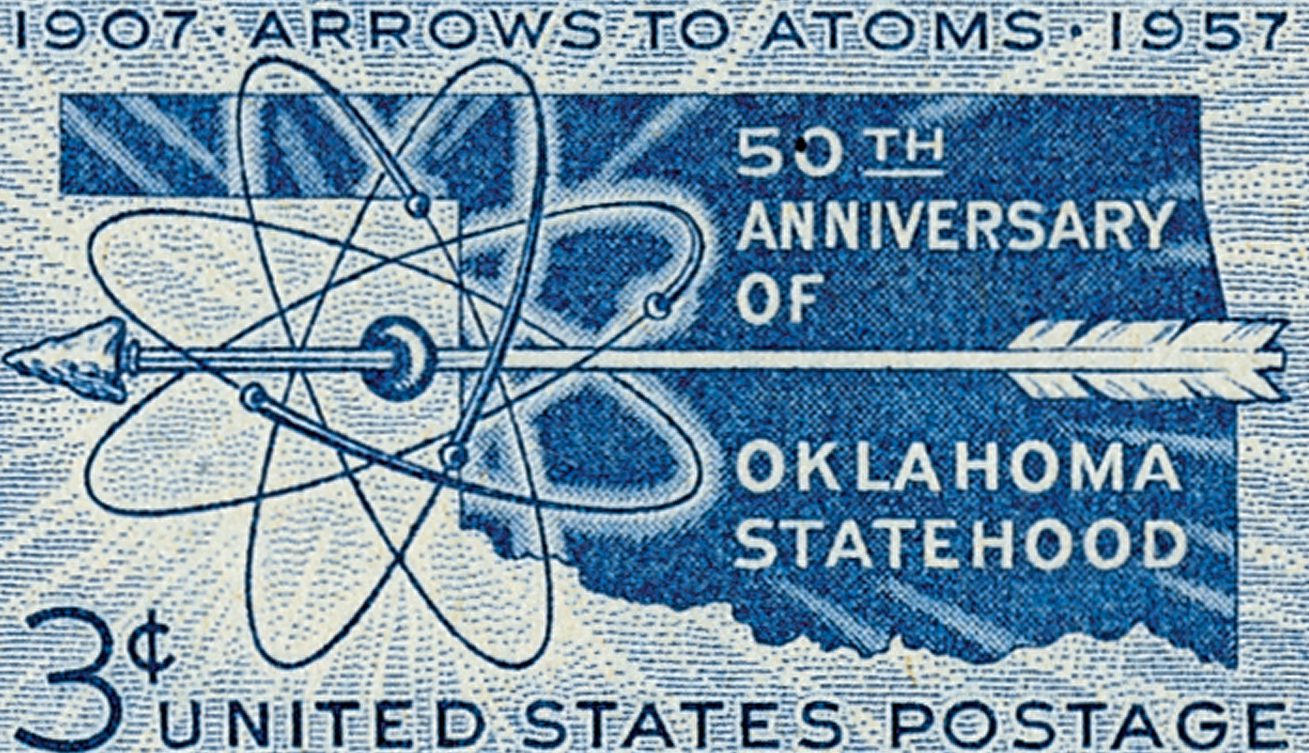
    On November 16, 1907, Indian Territory and Oklahoma Territory were merged to create the state of Oklahoma. The new state emerged at a moment of rapid change, blending Native nations, frontier settlements, and booming oil discoveries into one of the most diverse and dynamic regions in early 20th-century America.