BEP Produces Its Last U.S. Stamp
On June 10, 2005, the Bureau of Engraving and Printing (BEP) printed its last US stamp. The Bureau first began printing US postage stamps in 1894 and for 75 years, printed nearly all US stamps.

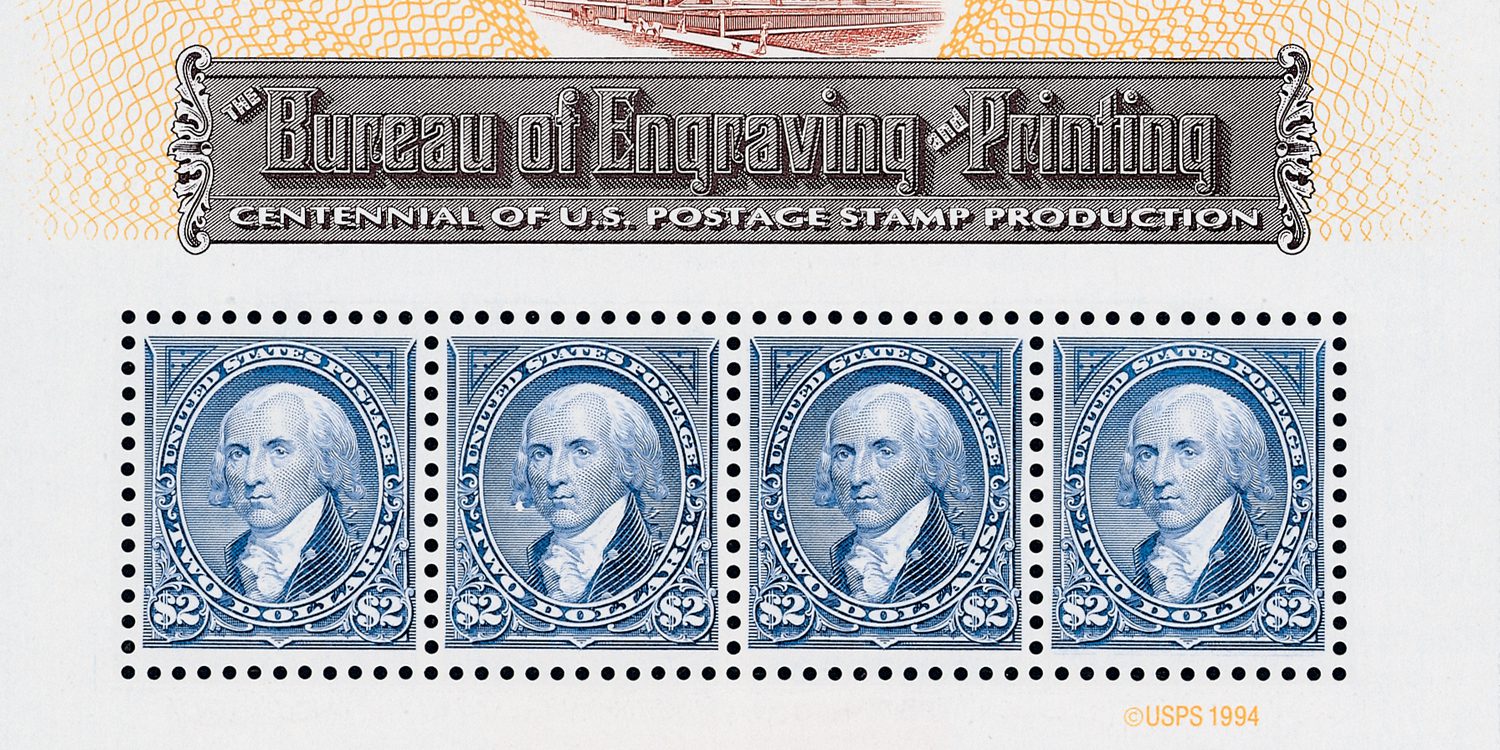
On June 10, 2005, the Bureau of Engraving and Printing (BEP) printed its last US stamp. The Bureau first began printing US postage stamps in 1894 and for 75 years, printed nearly all US stamps.
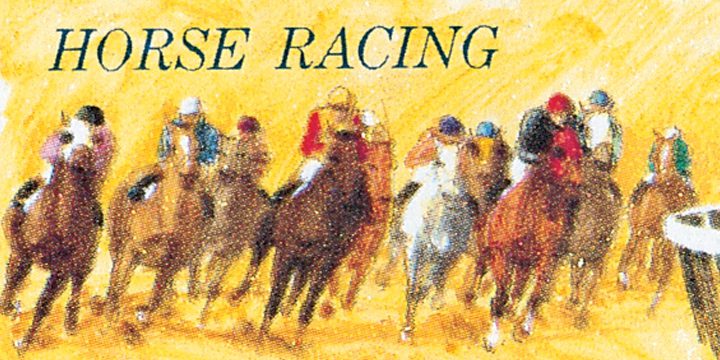
On June 9, 1973, Secretariat won the Belmont Stakes race, becoming the first U.S. Triple Crown winner in 25 years.

On June 8, 1997, the ninth U.S. stamp show came to an end. Pacific ’97 was the first IPEX (International Philatelic Exhibition) held on the West Coast.

On June 7, 1917, the Lions Club held their first national meeting in Chicago. The oldest continuously operating Lions Club was established on January 18, 1916, in Austin, Texas.

On June 6, 1955, the US Post Office issued its first and only Certified Mail Stamp, US #FA1. The stamp gave mail special protection and provided the sender with proof of delivery.
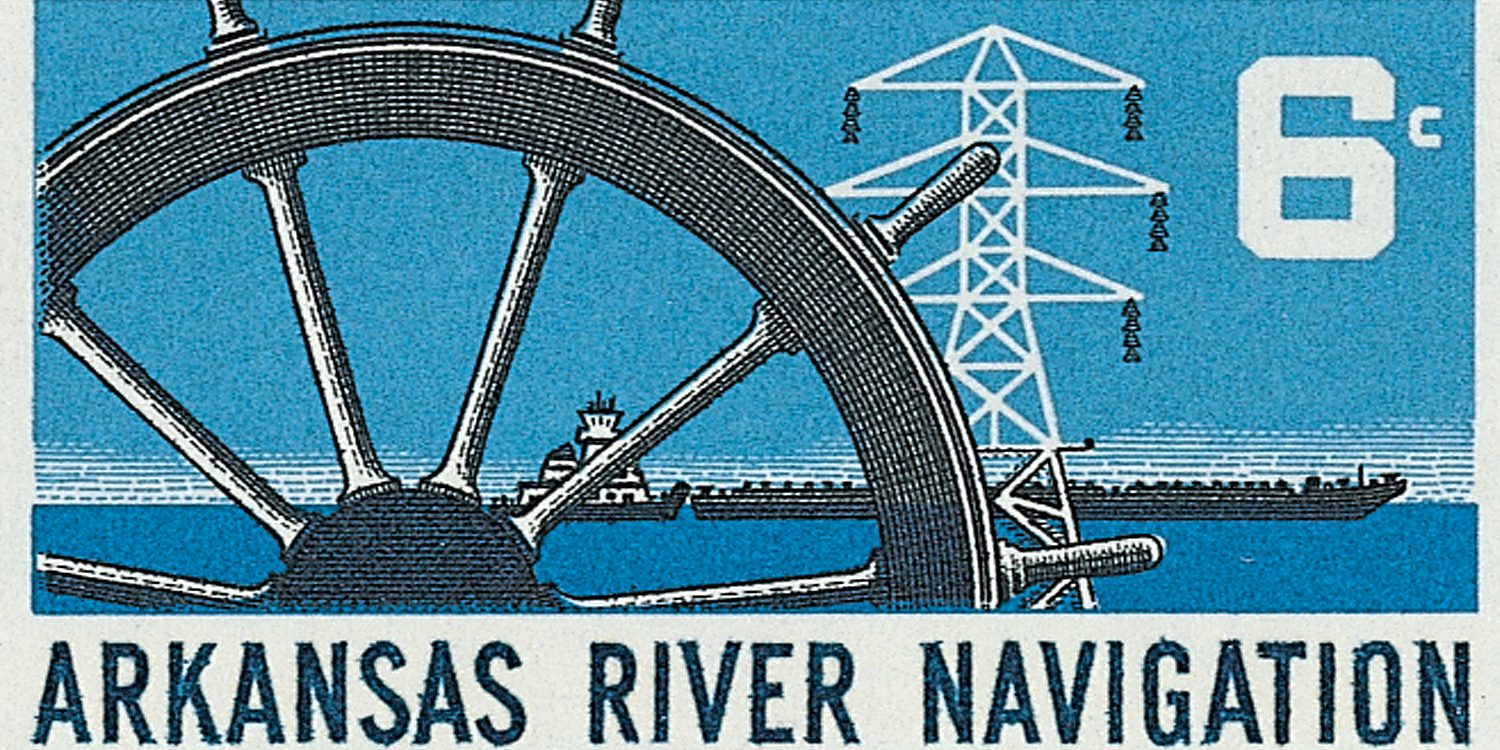
On June 5, 1971, the McClellan-Kerr Arkansas River Navigation System (MKARNS) was officially dedicated after decades of work. One of the largest civil works projects up to that time, it accounts for more than $1billion in trade transportation each for Arkansas and Oklahoma.
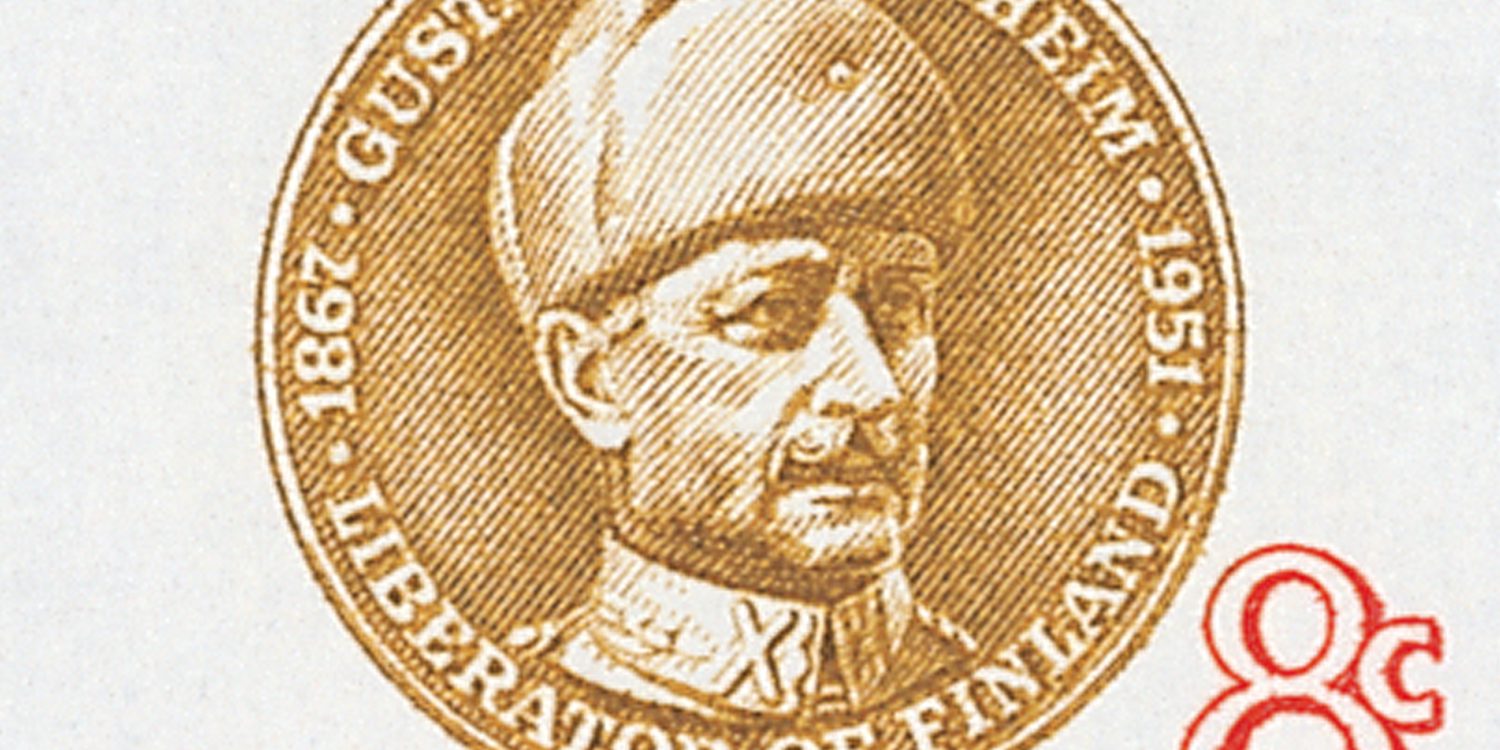
Baron Carl Gustaf Emil Mannerheim was born on June 4, 1867, in Askainen, Grand Duchy of Finland, Russian Empire. A soldier, statesman, Marshal and President of Finland, Mannerheim led his countrymen though multiple wars, and is sometimes called the father of modern Finland.
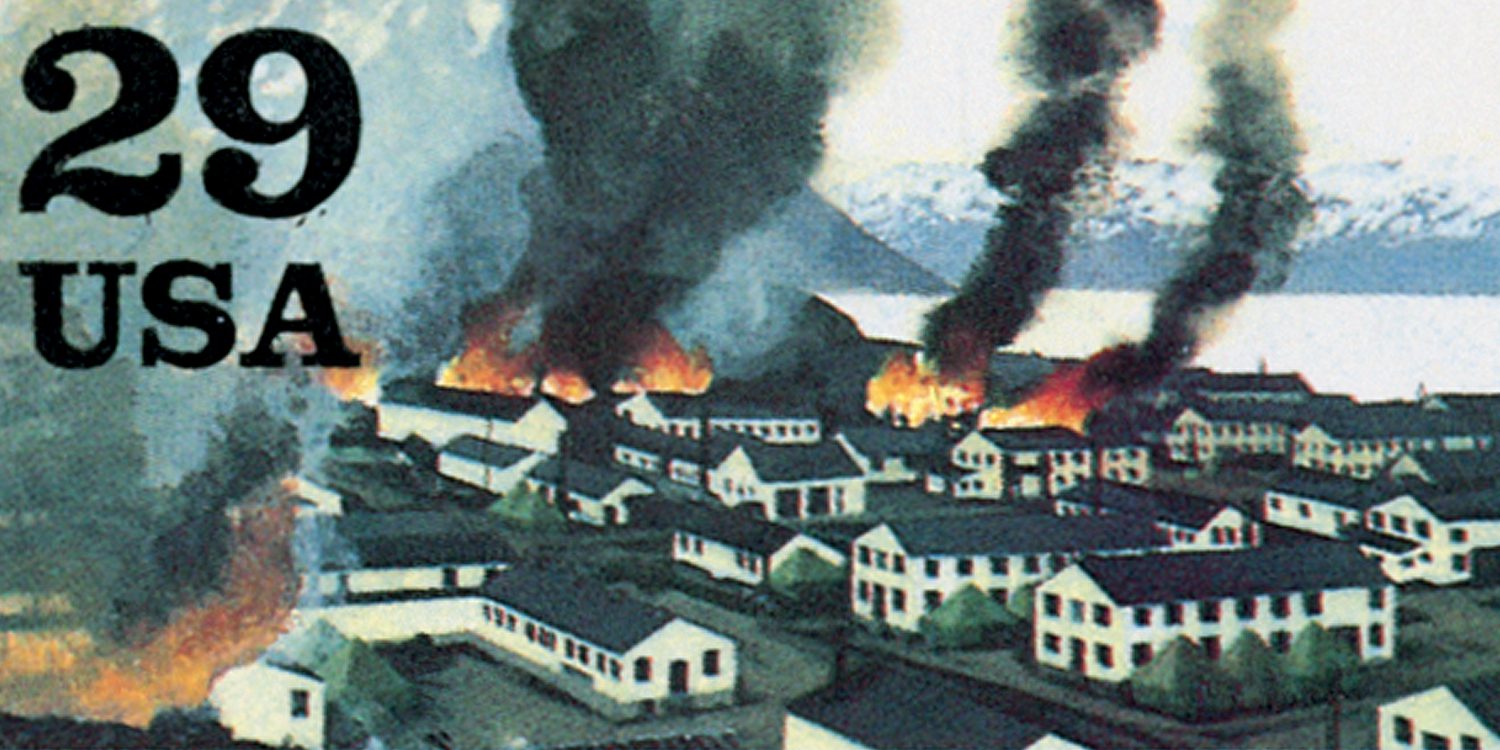
One June 3, 1942, Japanese forces kicked of the 14-month Aleutian Islands Campaign. The campaign’s two Japanese invasions were the only ones on US soil during the war.
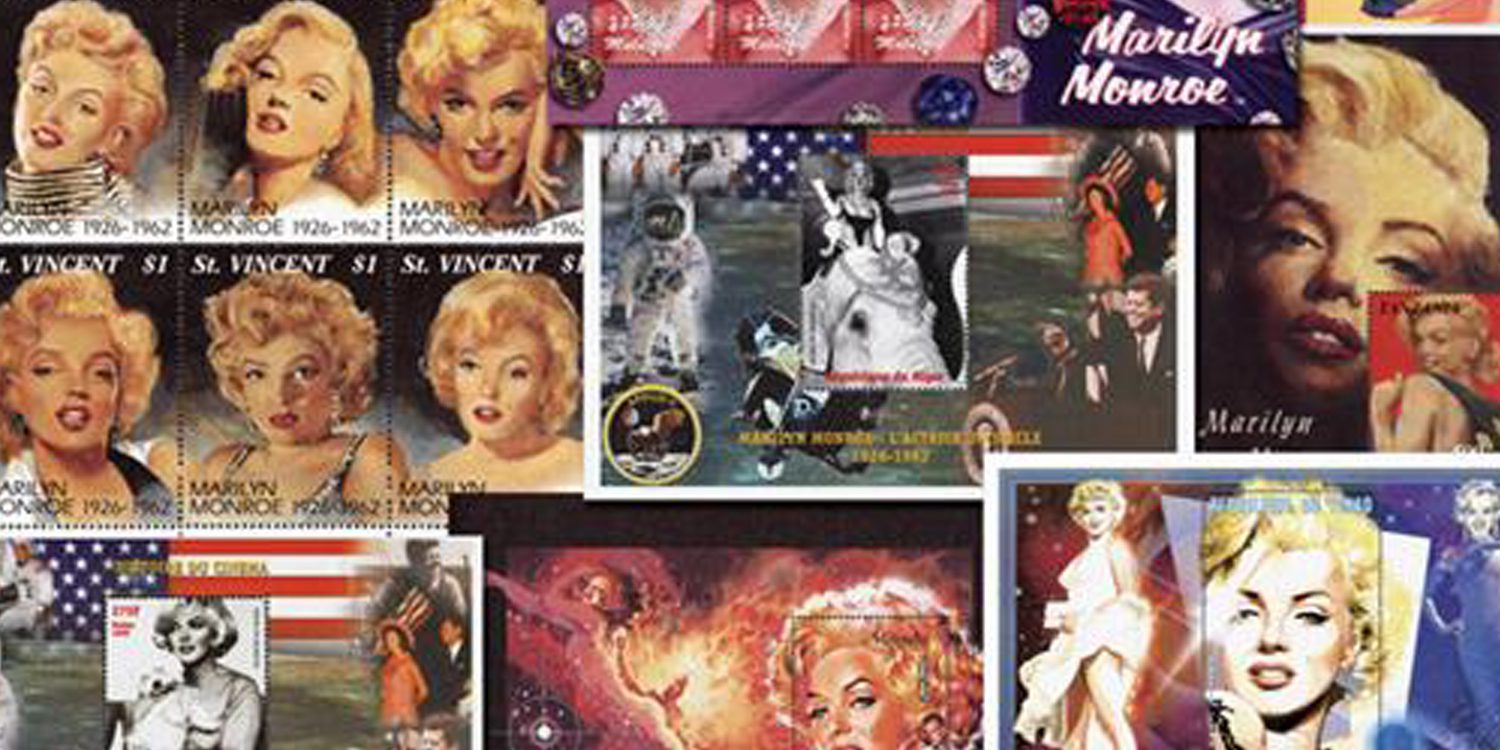
Marilyn Monroe was born Norma Jeane Dougherty on June 1, 1926, in Los Angeles, California. Dubbed the “Blonde Bombshell,” she was one of the most popular actresses of the 1950s and early 1960s.