Birth of Liberty Hyde Bailey
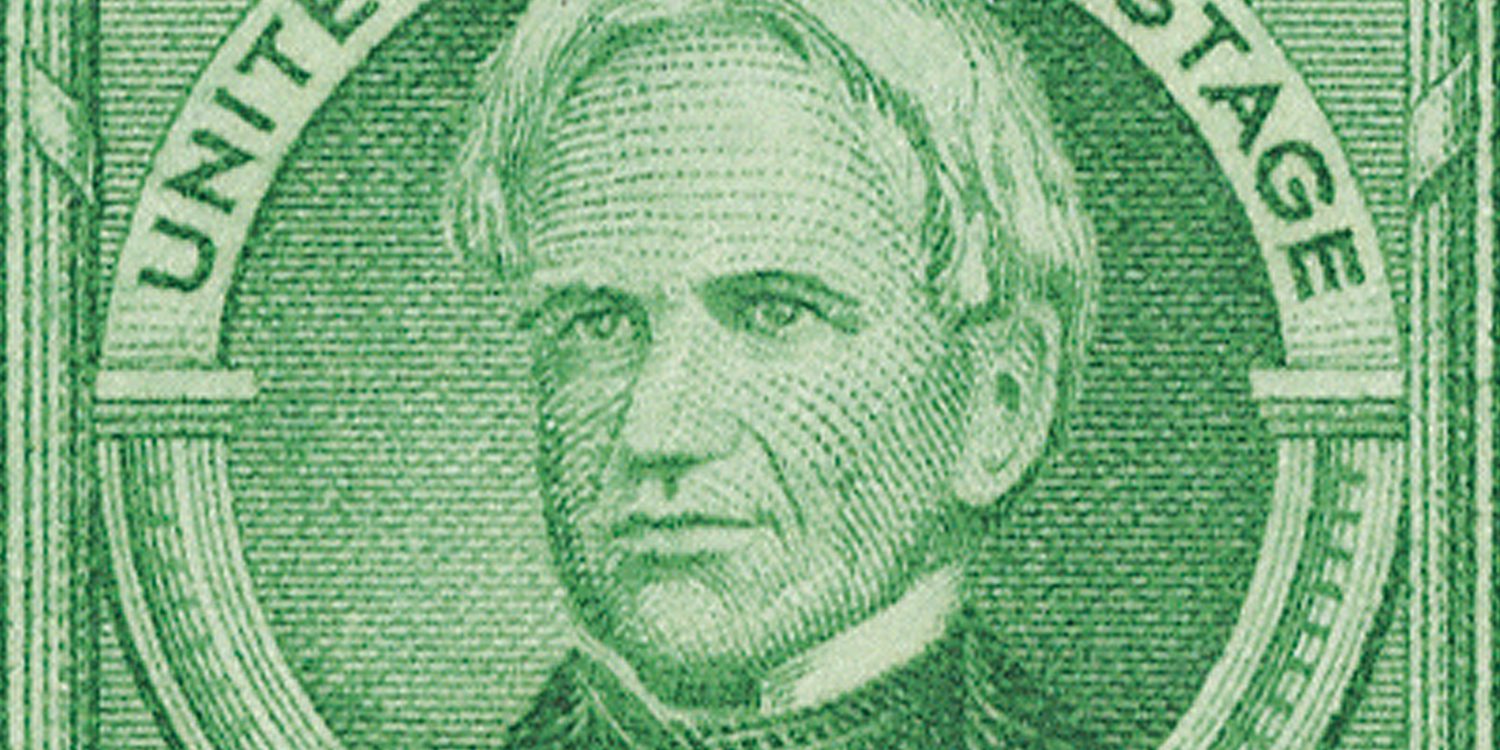
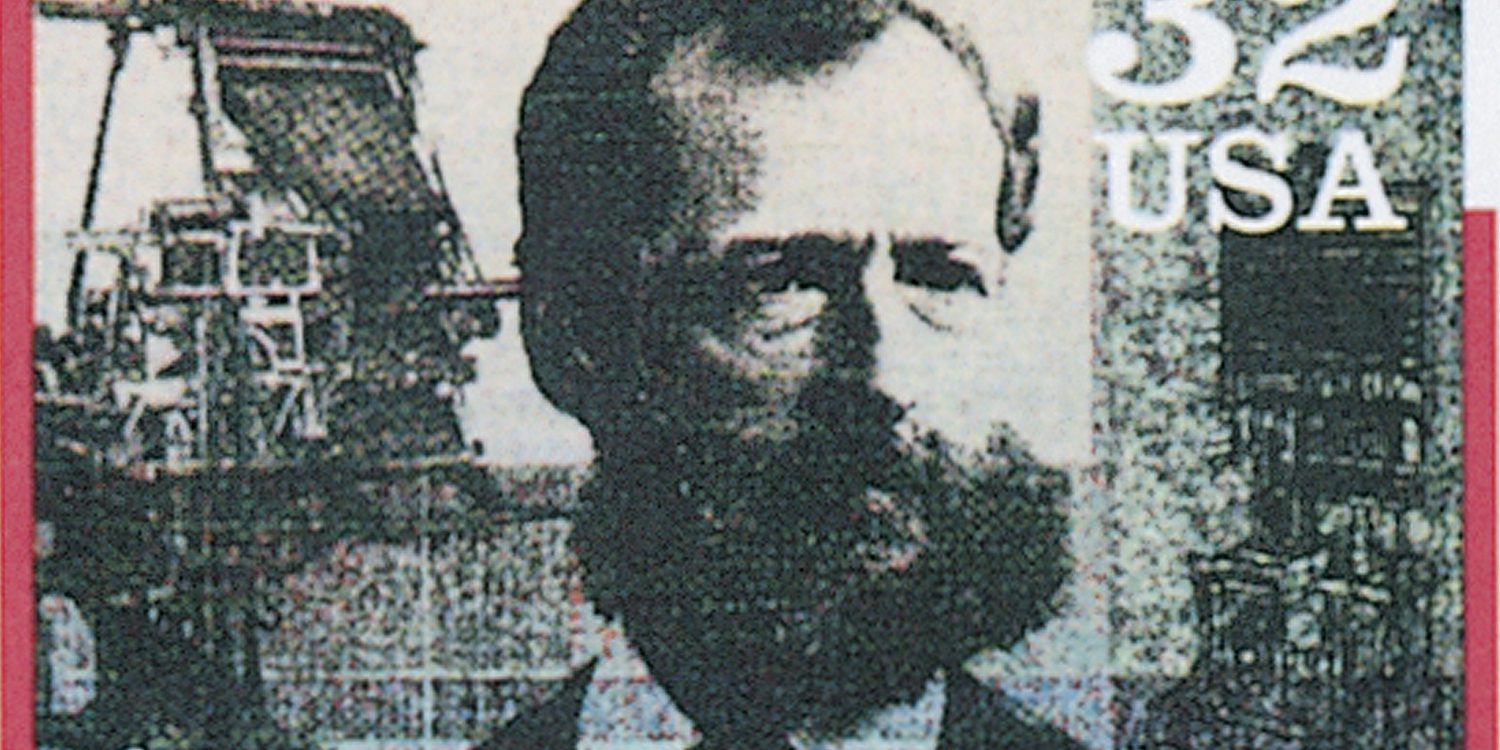
Horticulturalist Liberty Hyde Bailey was born on March 15, 1858, in South Haven, Michigan. The gardening and horticulture stamp issued for Bailey’s centennial birthday also marked a significant US postal first!
American artist Adolph Gottlieb was born on March 14, 1903, in New York City, New York. Gottlieb’s art was displayed in more than 250 exhibitions during his lifetime, and he’s considered to be one of the first American artists to embrace the Abstract Expressionist movement.
Journalist and civil rights activist Oswald Garrison Villard was born on March 13, 1872, in Wiesbaden, Germany. He was an editor of the New York Evening Post and a founding member of the NAACP.
On March 12, 1930, Gandhi started his 240-mile Salt March as a nonviolent protest against British rule in India. Gandhi’s march helped inspire widespread civil disobedience in India, bringing international attention to their cause.
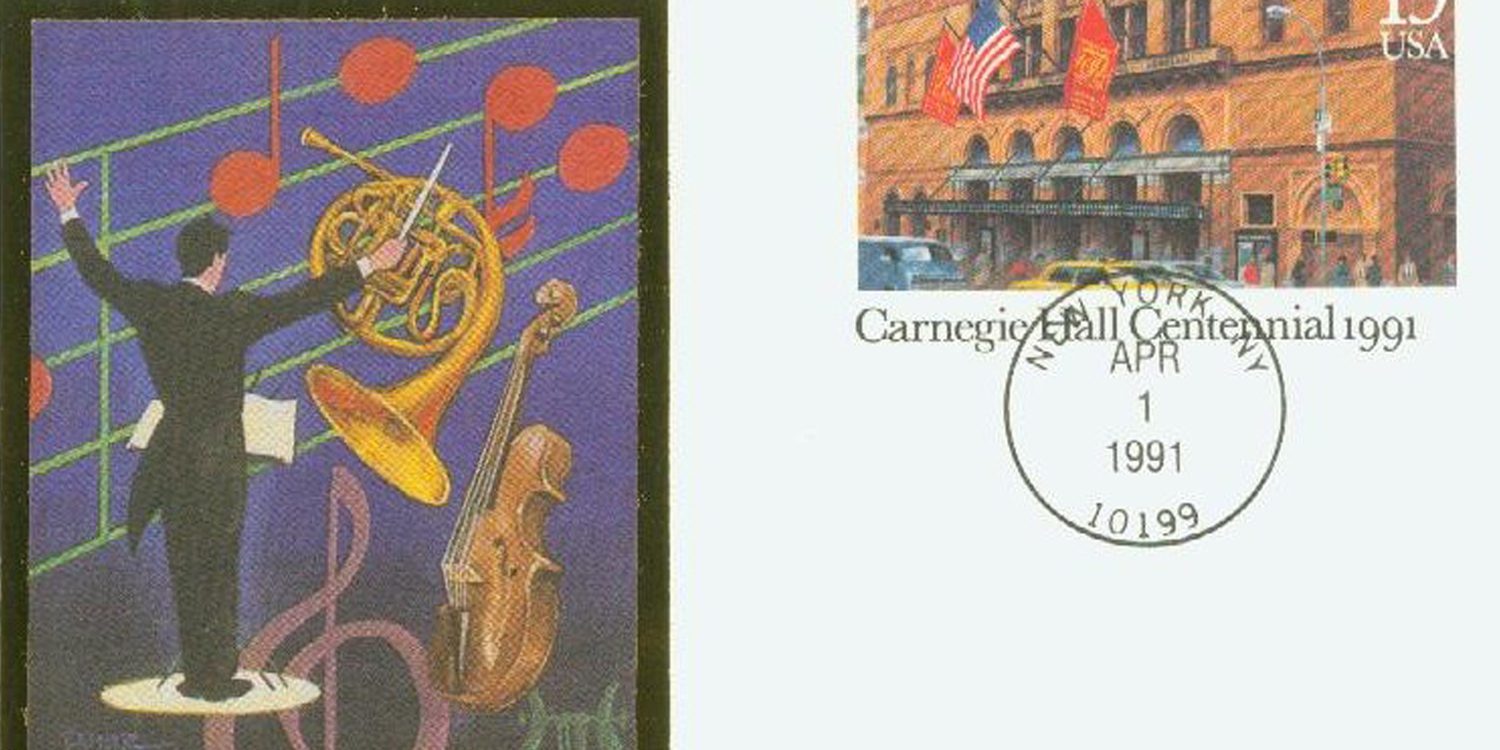
Composer and pianist Samuel Osmond Barber II was born on March 9, 1910, in West Chester, Pennsylvania. He was one of America’s most celebrated composers, enjoying early success that lasted throughout his long career.
Western swing musician James Robert Wills was born on March 6, 1905, in Kosse, Texas. Wills developed his own brand of country music and was known as the “King of Western Swing.”
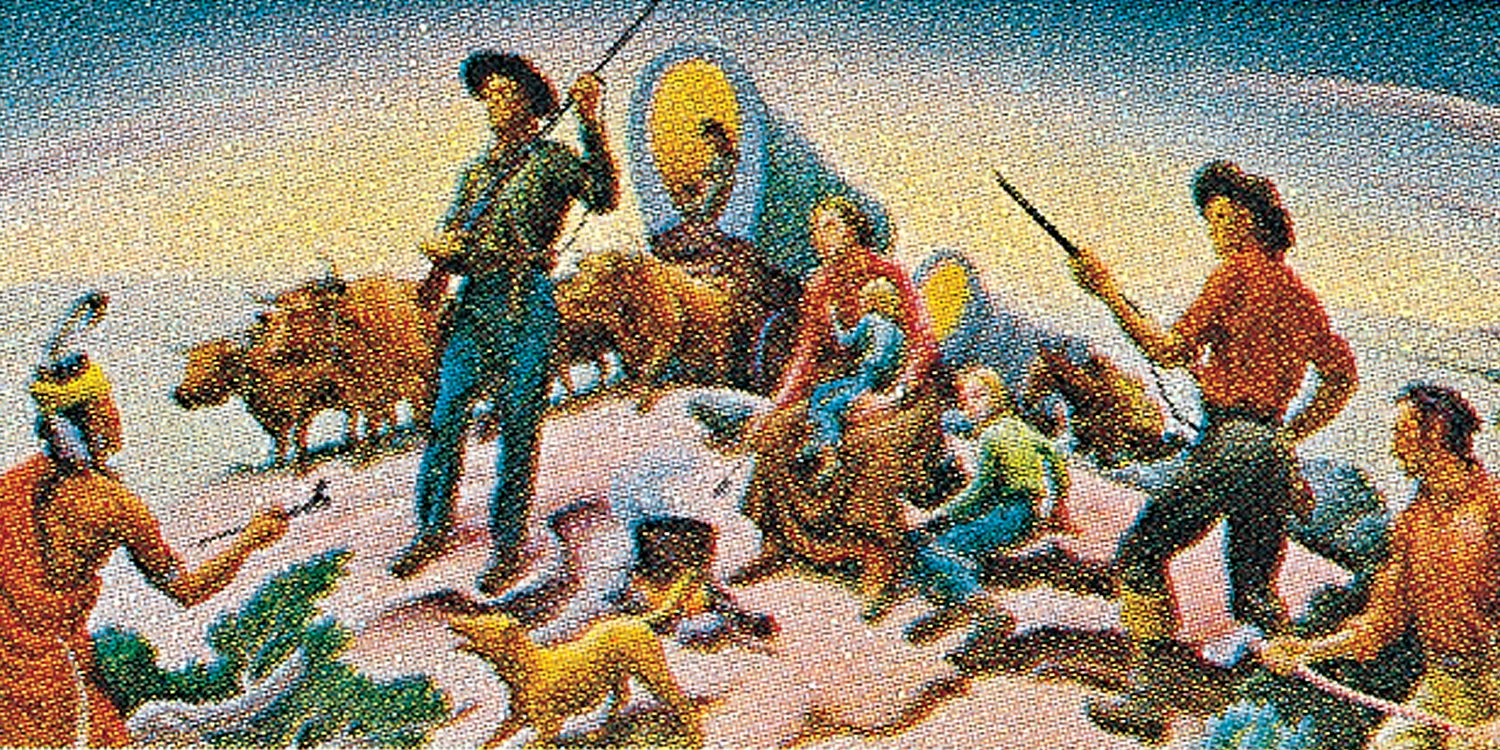
Cattle rancher Charles Goodnight was born on March 5, 1836, in Macoupin County, Illinois. One of America’s most famous cattle barons, Goodnight helped blaze a major cattle trail and is sometimes referred to as the “Father of the Texas Panhandle.”
On March 4, 1924, the song and melody of “Happy Birthday to You” were printed in a songbook. One of the world’s most famous songs, it has been the center of controversy over ownership and copyright status for years.
On March 3, 1879, an Act of Congress authorized the use of Postage Due stamps. These stamps were unique, since they were the first US stamps that didn’t prepay for the delivery of mail. Instead, they denoted the amount of postage to be collected by the person receiving the mail because it was insufficiently prepaid.