Catapult Mail
On July 22, 1929, catapult mail was successfully launched from a German ship to New York. Catapult mail cut down on transatlantic delivery times until advances in aviation enabled planes to make the entire journey even faster.

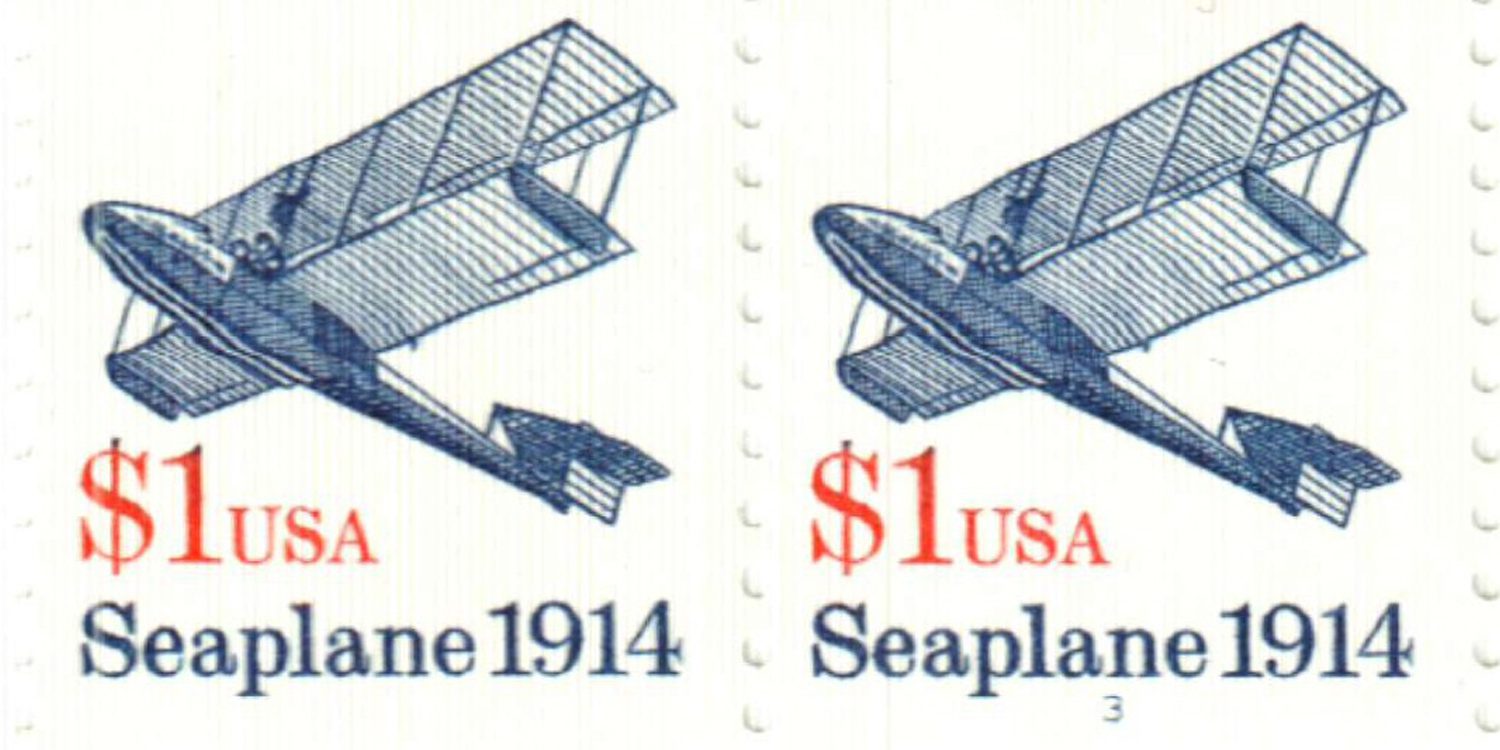
On July 22, 1929, catapult mail was successfully launched from a German ship to New York. Catapult mail cut down on transatlantic delivery times until advances in aviation enabled planes to make the entire journey even faster.
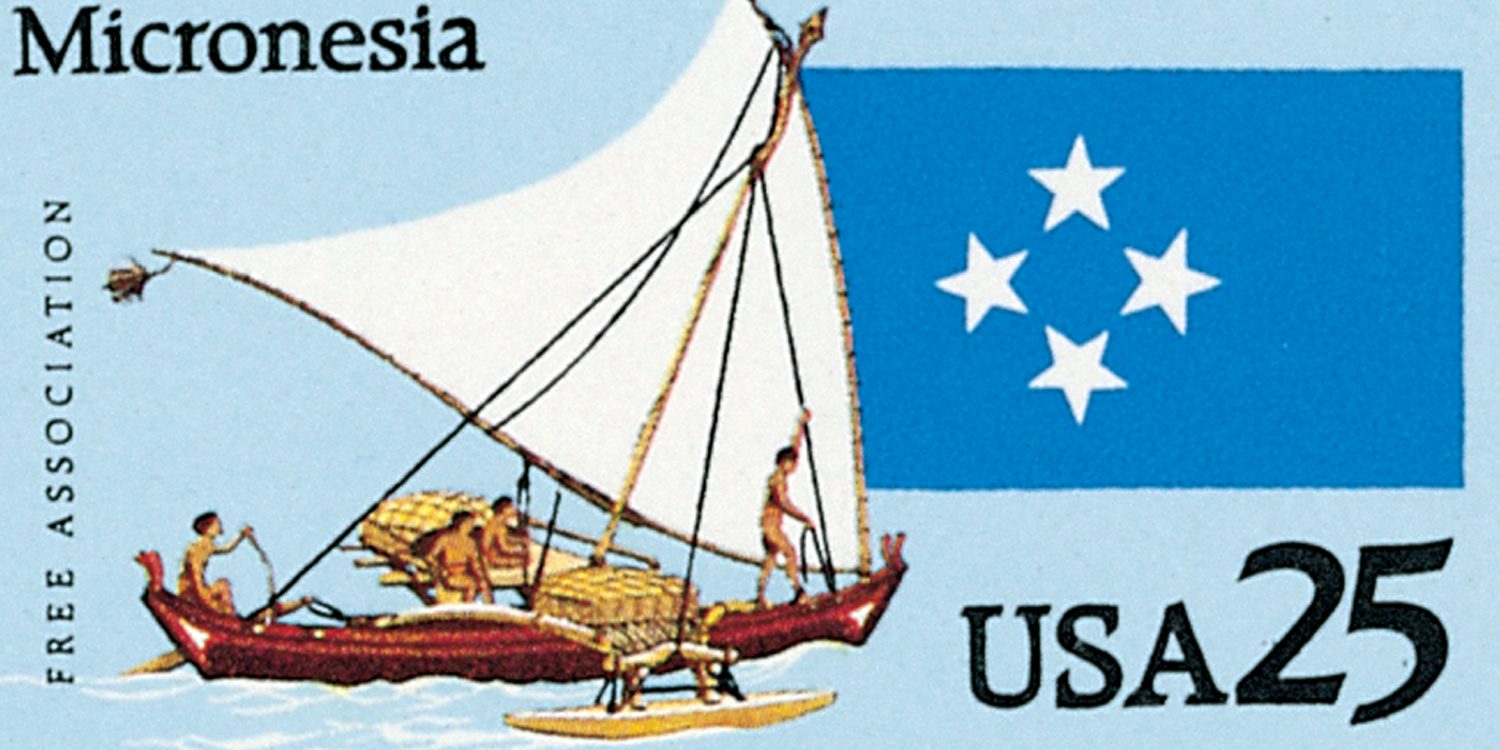
On July 18, 1947, the United Nations established the Trust Territory of the Pacific Islands (TTPI) to be administered by the United States. The TTPI was founded to help these small islands recover in the wake of World War II.
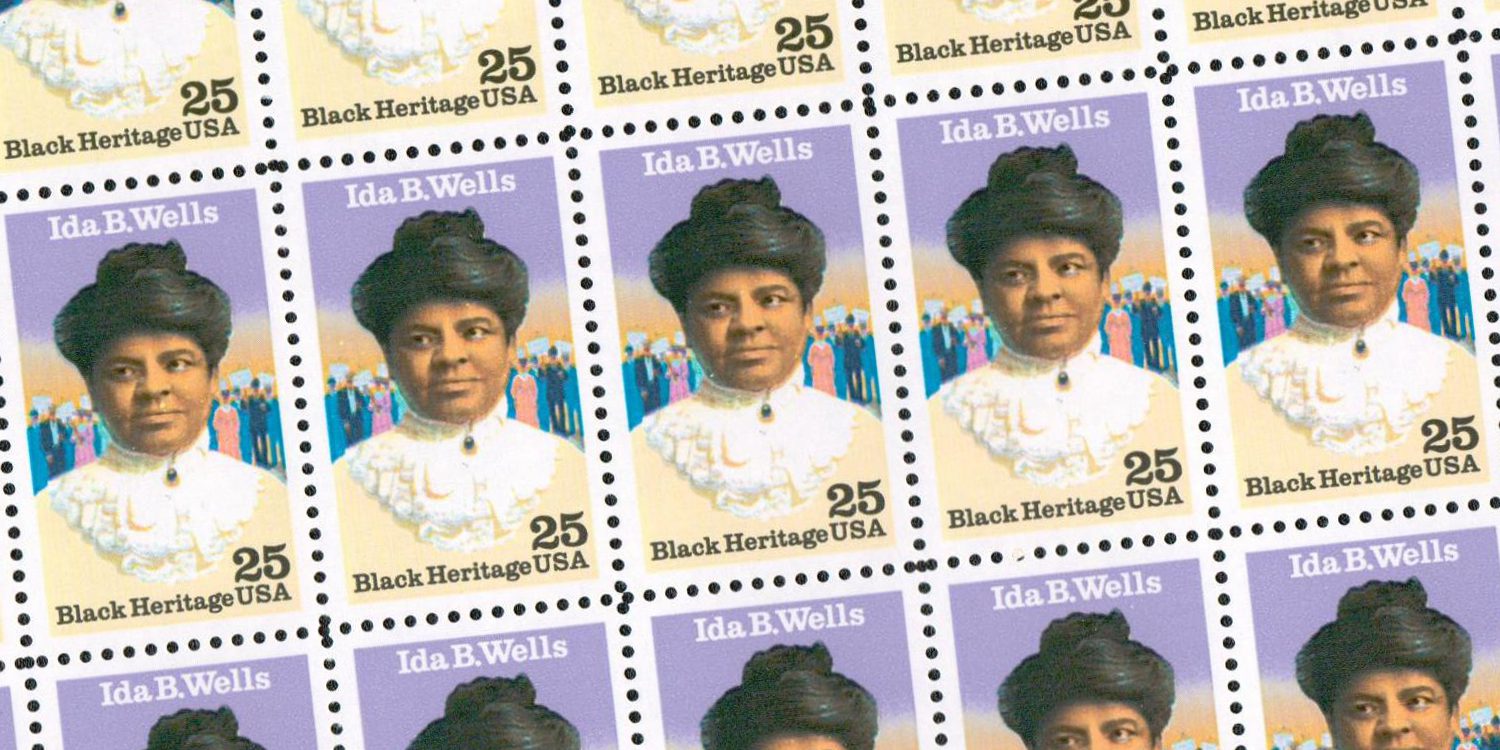
Ida Bell Wells was born July 16, 1862, in Holly Springs, Mississippi, just before President Abraham Lincoln issued his Emancipation Proclamation. Wells was an early leader in the Civil Rights and Women’s Suffrage movements, as well as a founder of the NAACP.

Woodrow Wilson Guthrie was born on July 14, 1912, in Okemah, Oklahoma. He was a major figure in American folk music, writing over 1,000 songs, including his most famous, “This Land is Your Land.”
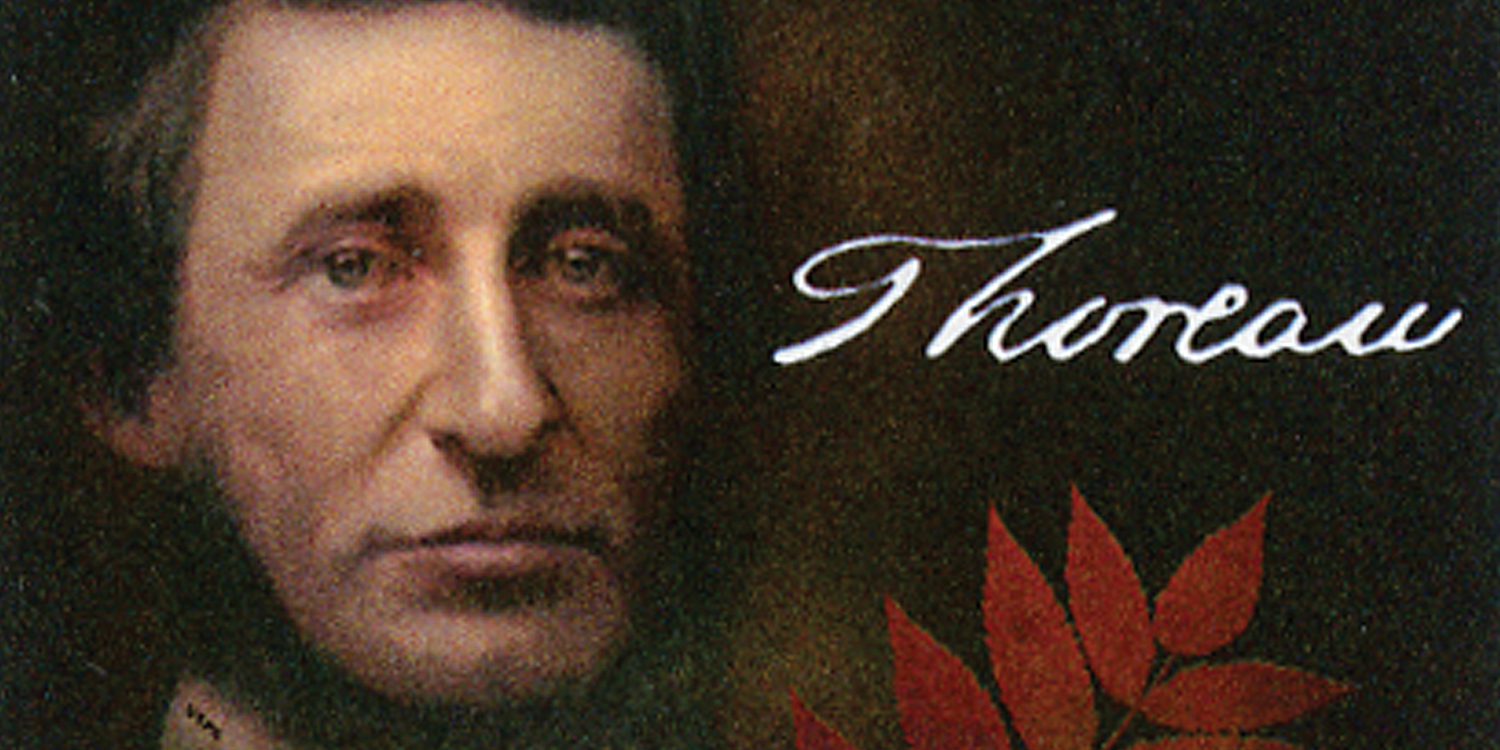
Naturalist, author, and philosopher Henry David Thoreau was born on July 12, 1817, in Concord, Massachusetts. Thoreau valued simple living, nature and the importance of protesting injustice through civil disobedience. As one of America’s most famous transcendentalists, his works have influenced some of the greatest leaders in modern history.
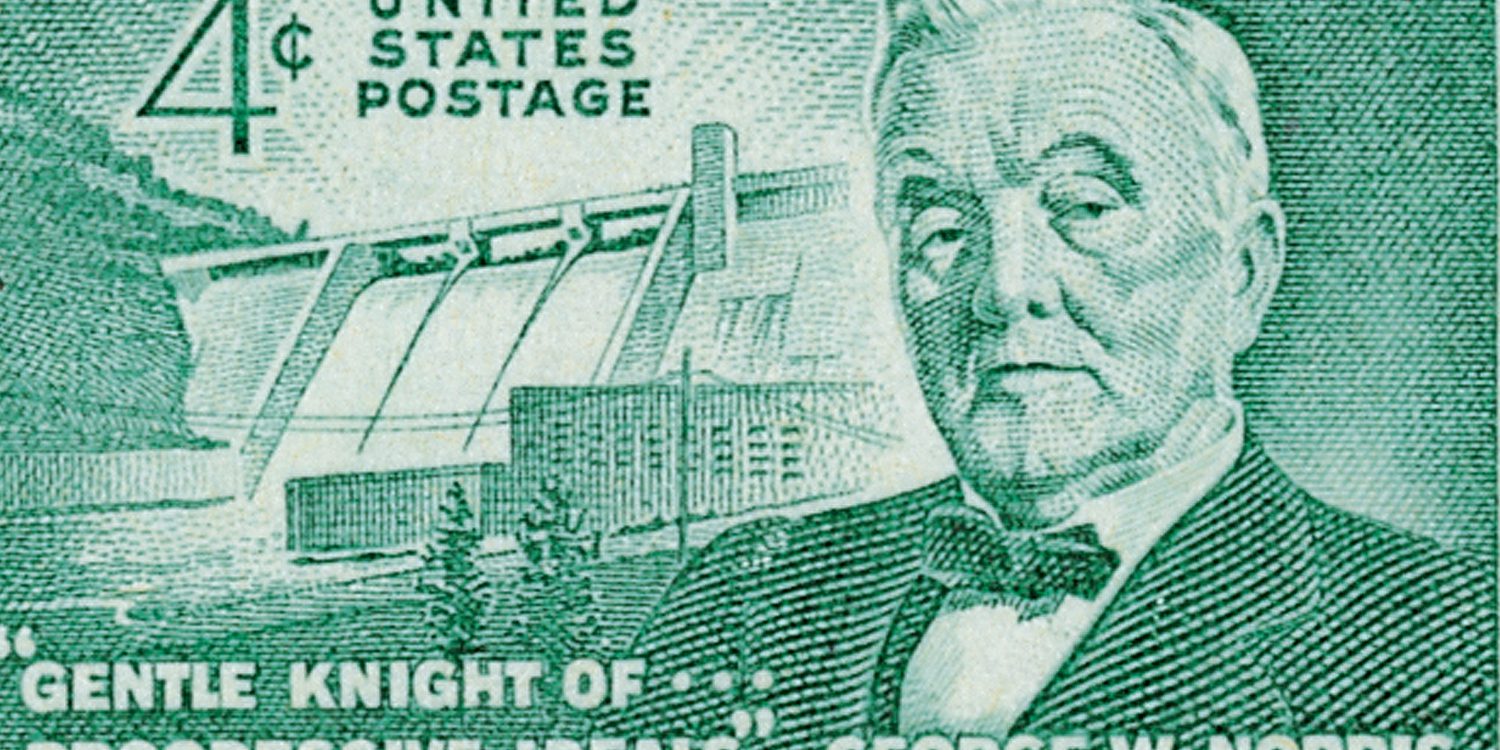
Senator George W. Norris was born on July 11, 1861, in York Township, Sandusky County, Ohio. He was a champion of farmers and homesteaders and best remembered for his promotion of the Tennessee Valley Authority (TVA) and the Rural Electrification Administration (REA).
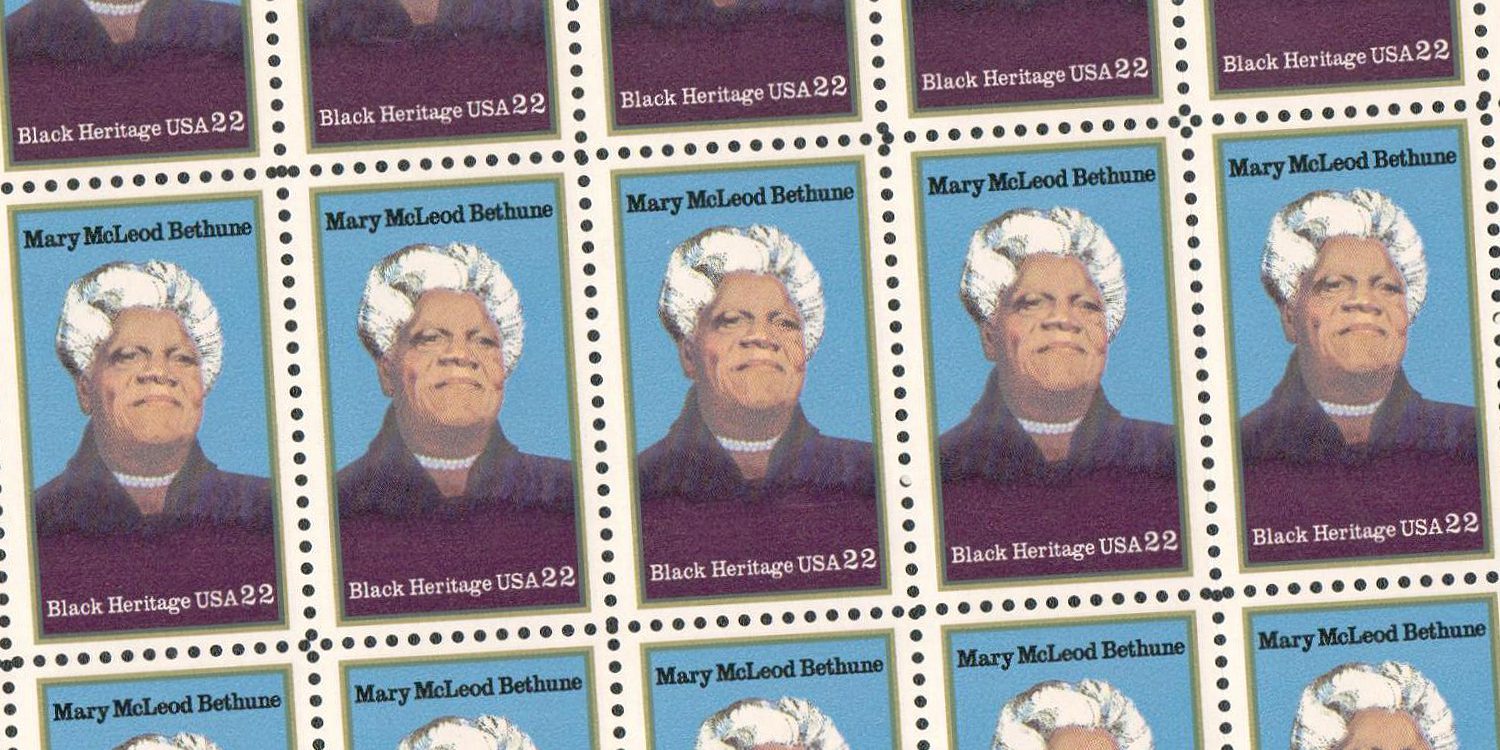
Educator and activist Mary Jane McLeod Bethune was born on July 10, 1875, in Mayesville, South Carolina. She founded a private school for African Americans and was a member of several African American women’s organizations, sometimes called the “Female Booker T. Washington.”

Inventor Elias Howe Jr was born on July 9, 1819, in Spencer, Massachusetts. Howe is best remembered for patenting the modern lockstitch sewing machine.
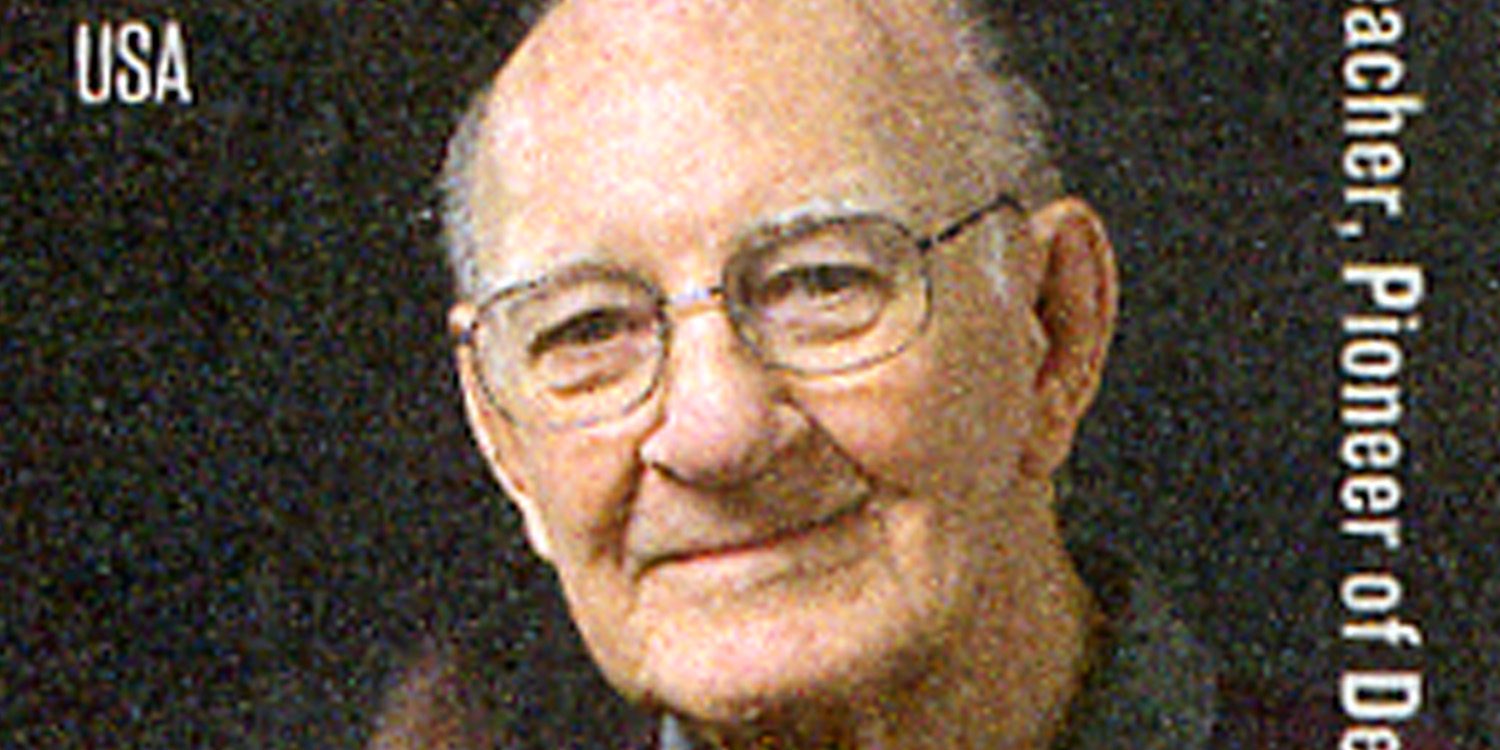
Robert F. Panara was born on July 8, 1920, in the Bronx, New York. Panara was one of America’s leading deaf educators. His work helped pioneer the field and promote the idea that deafness is not a disability, but a different way to view the world.