Connecticut’s Charter Oak
On August 21, 1856, Connecticut’s famed Charter Oak Tree was struck down in a thunderstorm. The tree had become a legend in the state’s history, reportedly hiding the colonial charter two centuries earlier.


On August 21, 1856, Connecticut’s famed Charter Oak Tree was struck down in a thunderstorm. The tree had become a legend in the state’s history, reportedly hiding the colonial charter two centuries earlier.

On August 20, 1920, Detroit’s 8MK radio station began daily broadcasts. Still in operation today, the station often claims to be the first commercial radio station, though a few others have also staked their claim on that title.

Phoebe Yates Levy Pember was born on August 18, 1823, in Charleston, South Carolina. During the Civil War, she directed the care and dietary needs of over 15,000 soldiers at Richmond’s Chimborazo, one of the CSA’s largest hospitals. She later recounted her experiences in her memoir, A Southern Woman’s Story.

On August 16, 1939, the world’s first undersea post office opened in the Bahamas. It was developed by an undersea photographer and garnered significant interest from around the world. Decades later, more underwater post offices and post boxes were established in other countries, many of which are still in operation today…
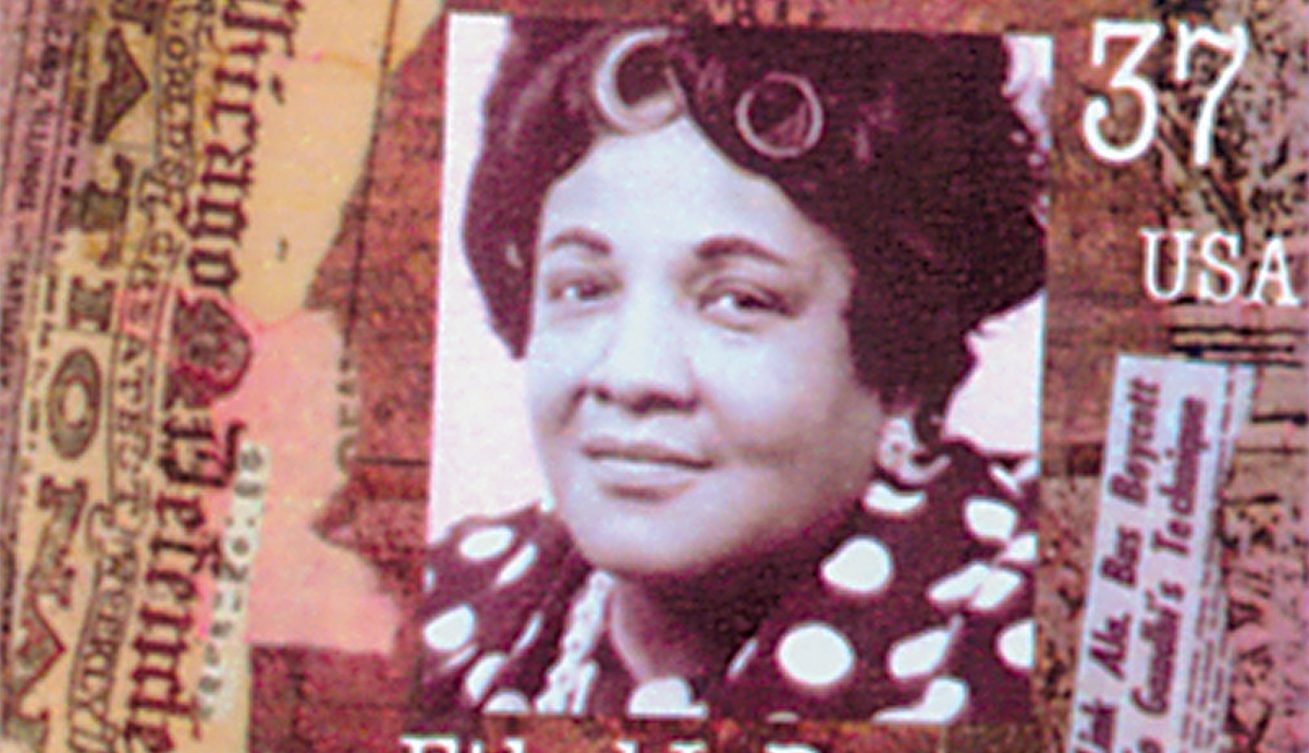
Ethel Lois Payne was born on August 14, 1911, in Chicago, Illinois. Known as the “First Lady of the Black Press,” he was the first black female war correspondent in Vietnam and the first black female commentator on a major radio and television network.

Abolitionist and Suffragist Lucy Stone was born on August 13, 1818, in West Brookfield, Massachusetts. Stone dedicated her life to helping women receive the same rights as men. She was the first woman from her state to earn a college degree and is considered the “heart and soul” of the women’s rights movement.
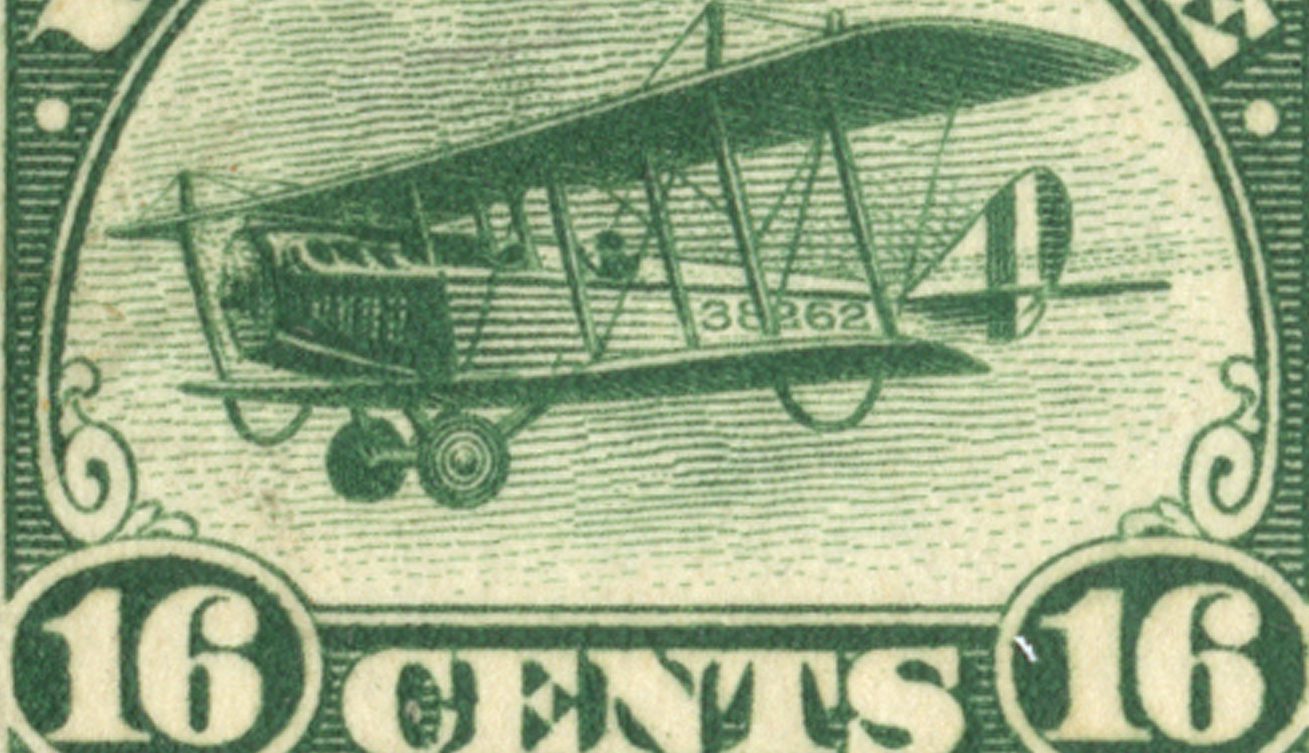
On August 12, 1918, the US Post Office Department took over control of airmail service from the US Army Air Service. Under the Post Office Department, the service flourished, leading to transcontinental airmail service, which was eventually taken over by private companies.

On August 11, 1939, Congress established Fort McHenry National Monument and Historic Shrine. The monument honors and preserves this historic fort where our national anthem was born. It’s also the only place in the National Park system to be designated a Historic Shrine.
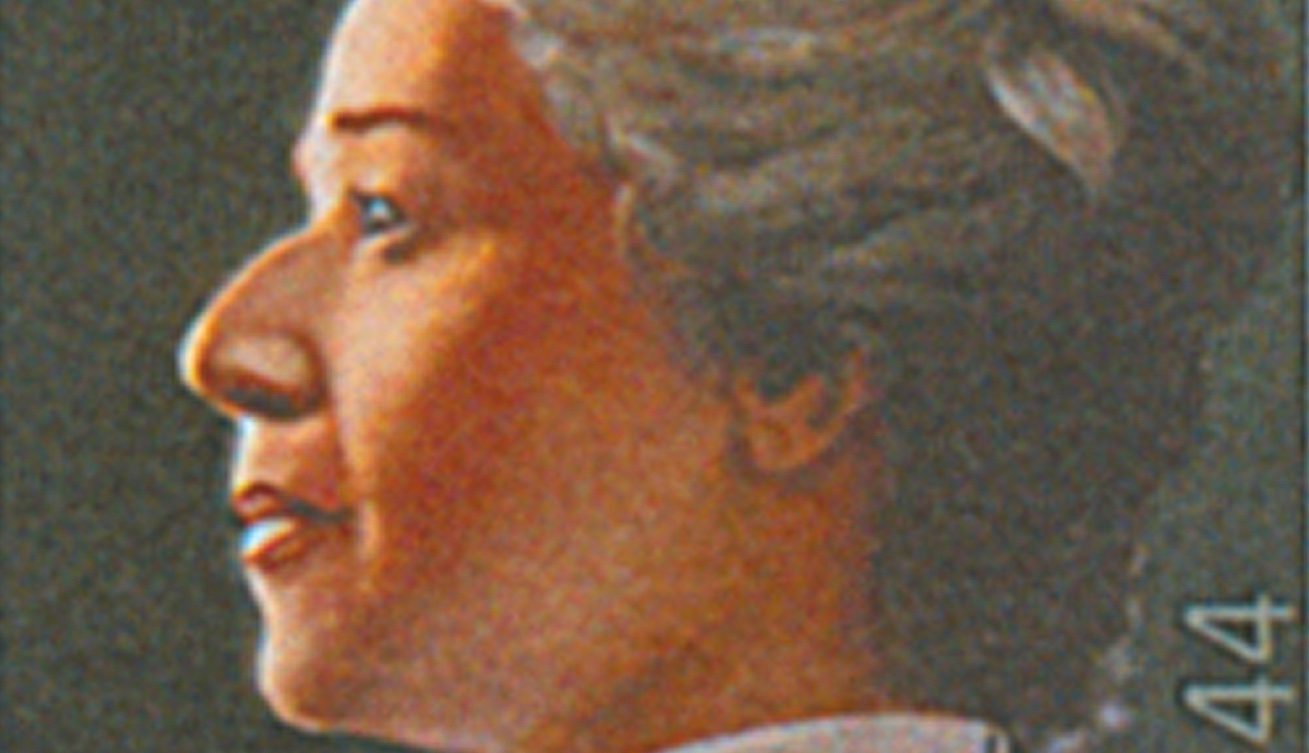
Author and activist Anna Julia Haywood Cooper was born on August 10, 1858, in Raleigh, North Carolina. She fought for education for women and African Americans and is often called the “Mother of Black Feminism.”