The First Printing Press in America
On September 25, 1639, the first printing press in America was set up in Cambridge, Massachusetts Bay Colony. The press remained in continuous use for 150 years, printing some of the first books in the New World.


On September 25, 1639, the first printing press in America was set up in Cambridge, Massachusetts Bay Colony. The press remained in continuous use for 150 years, printing some of the first books in the New World.
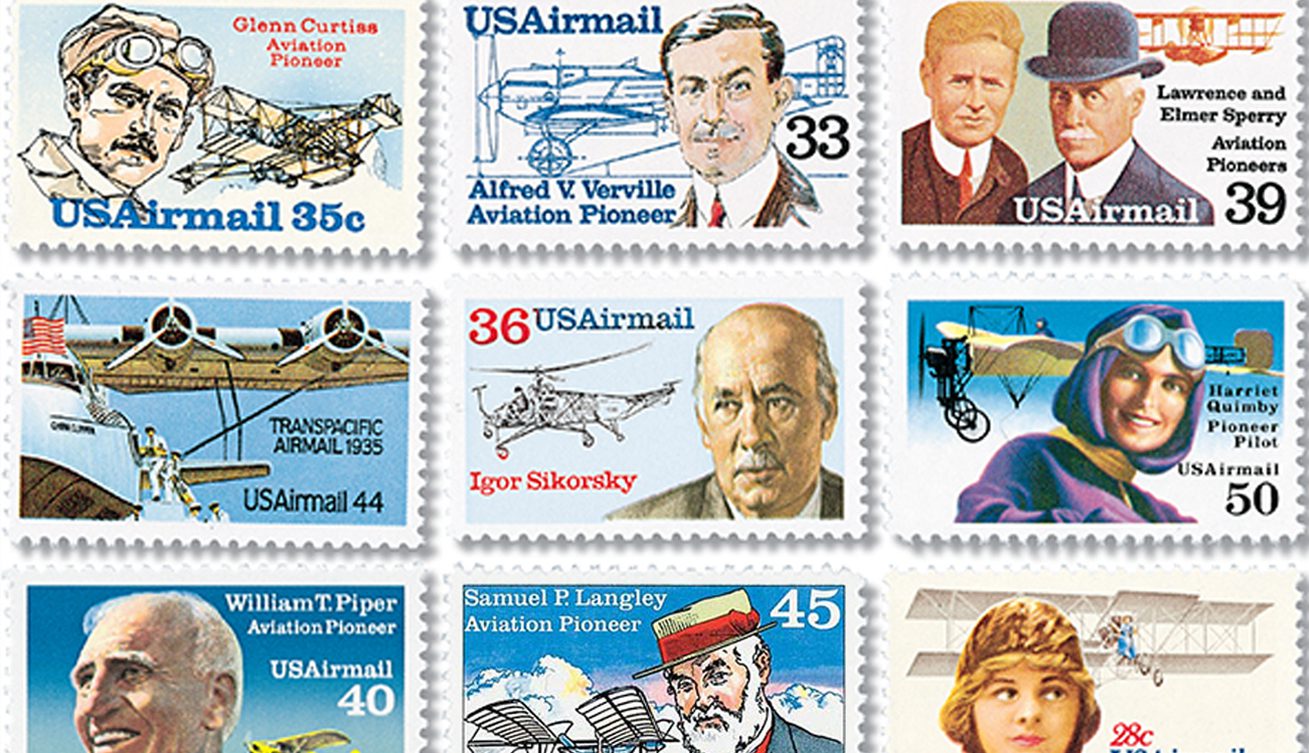
On September 23, 1978, the USPS issued the first stamps in its Pioneers of Aviation Series. The series would span more than 20 years and include 18 stamps honoring some of America’s most legendary aviators and their aircraft.
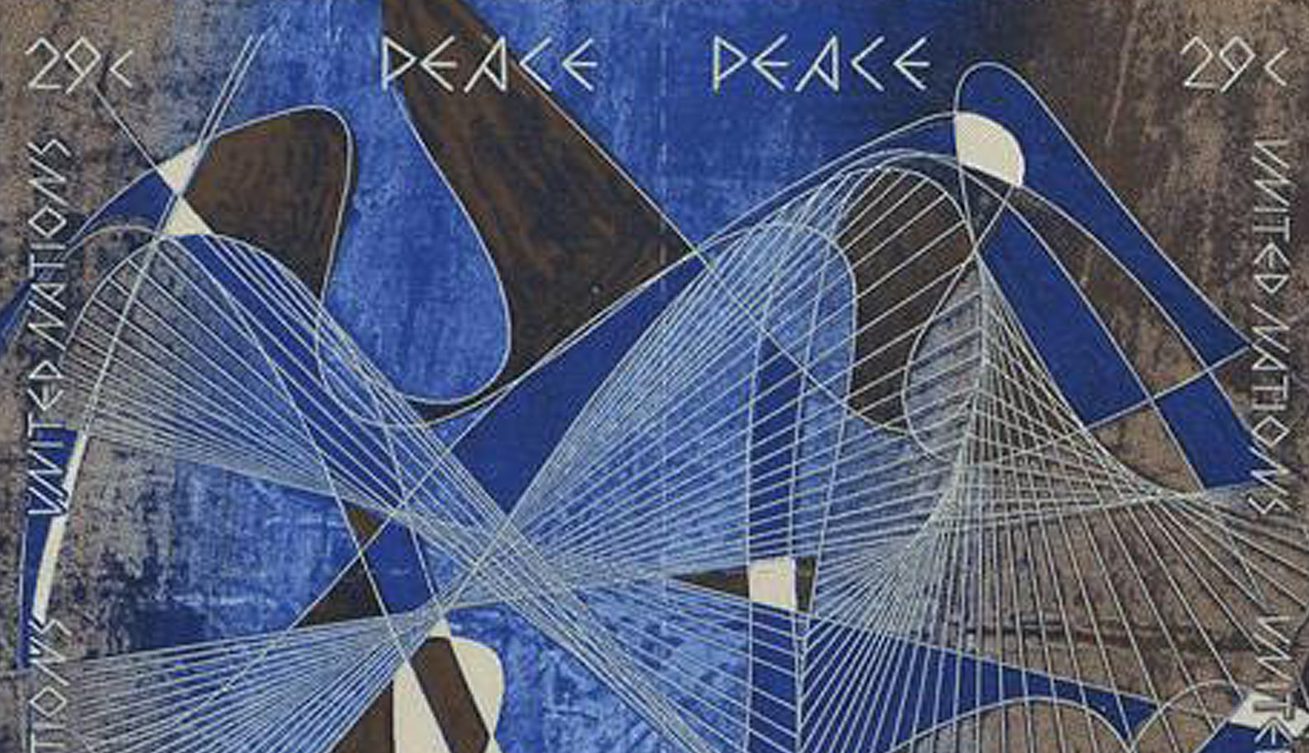
In 2002, twenty years after it was first established, the International Day of Peace was celebrated on its new permanent date – September 21. Also known as World Peace Day, it’s a United Nations-sanctioned holiday calling for peace and an end to war and violence.
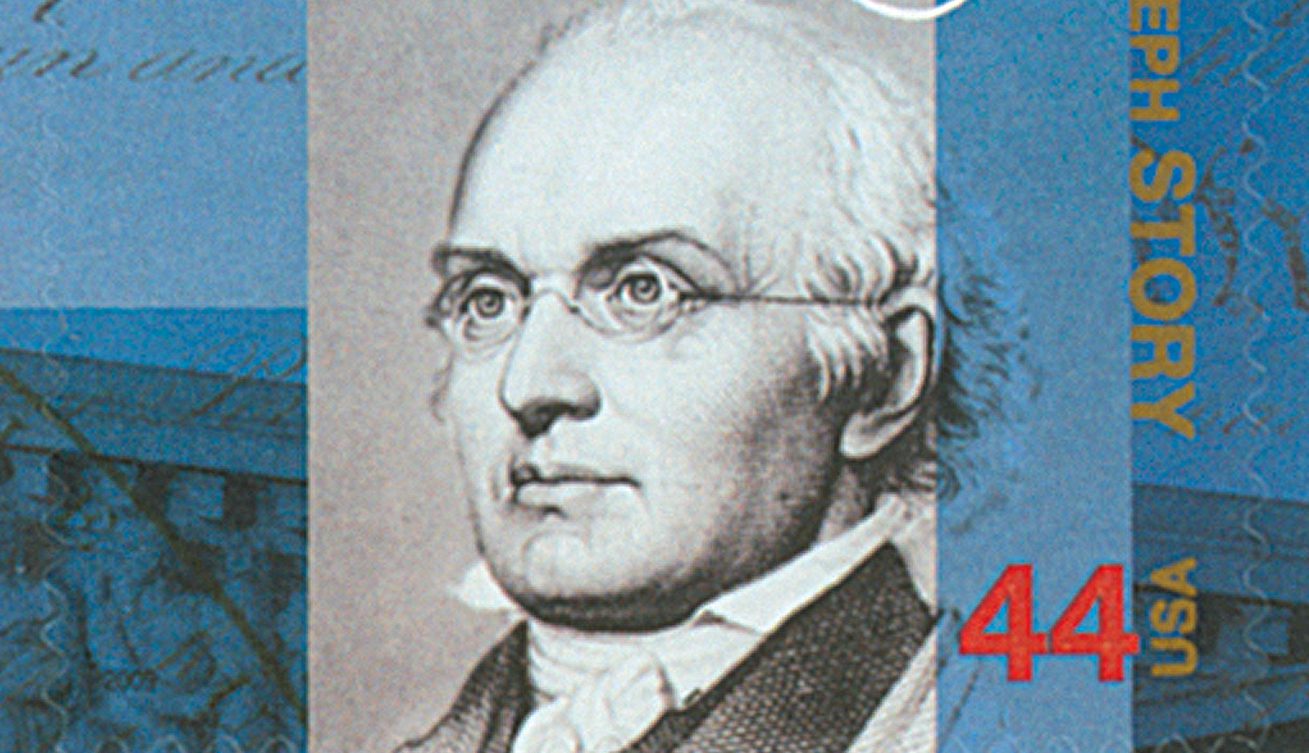
Joseph Story was born on September 18, 1779, in Marblehead, Massachusetts. He was the youngest person ever named to the Supreme Court and has been credited with reshaping American law.
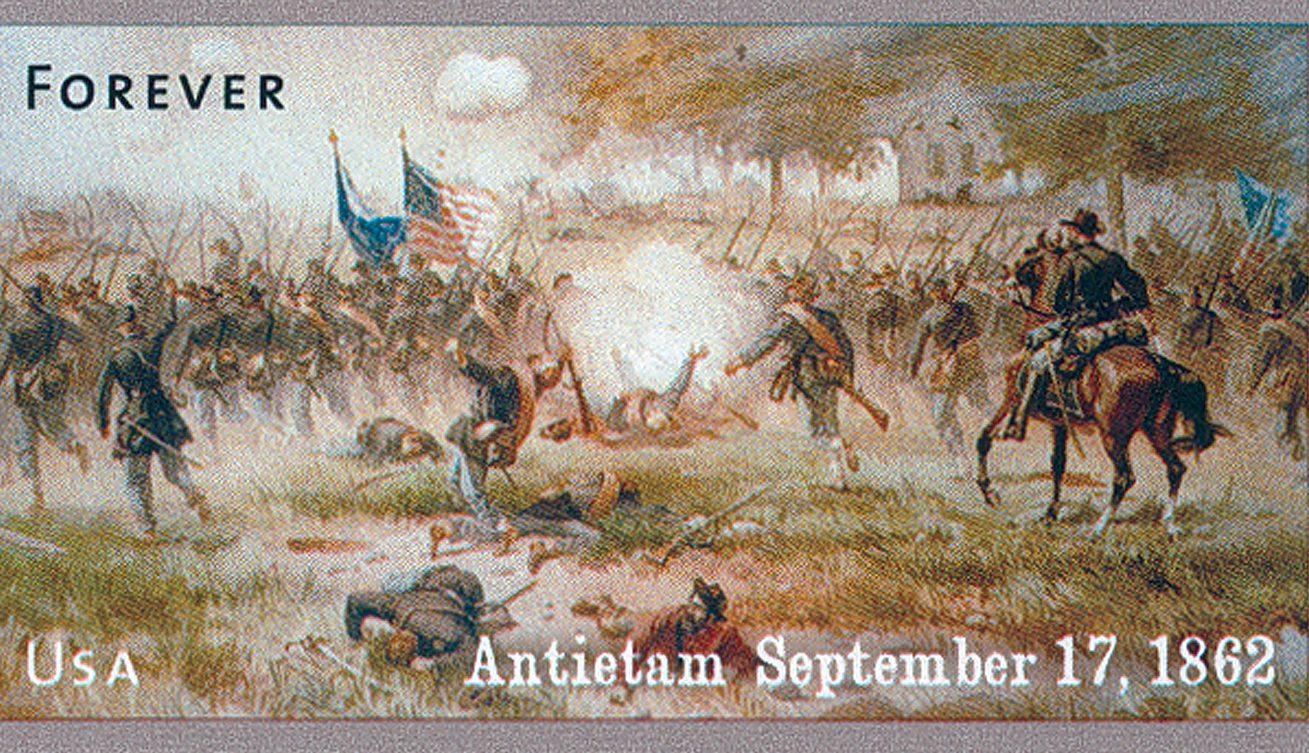
On September 17, 1862, Union and Confederate troops assembled at Antietam Creek for a 12-hour battle. By sunset, one in five men had become a casualty of the bloodiest one-day battle ever fought on American soil.
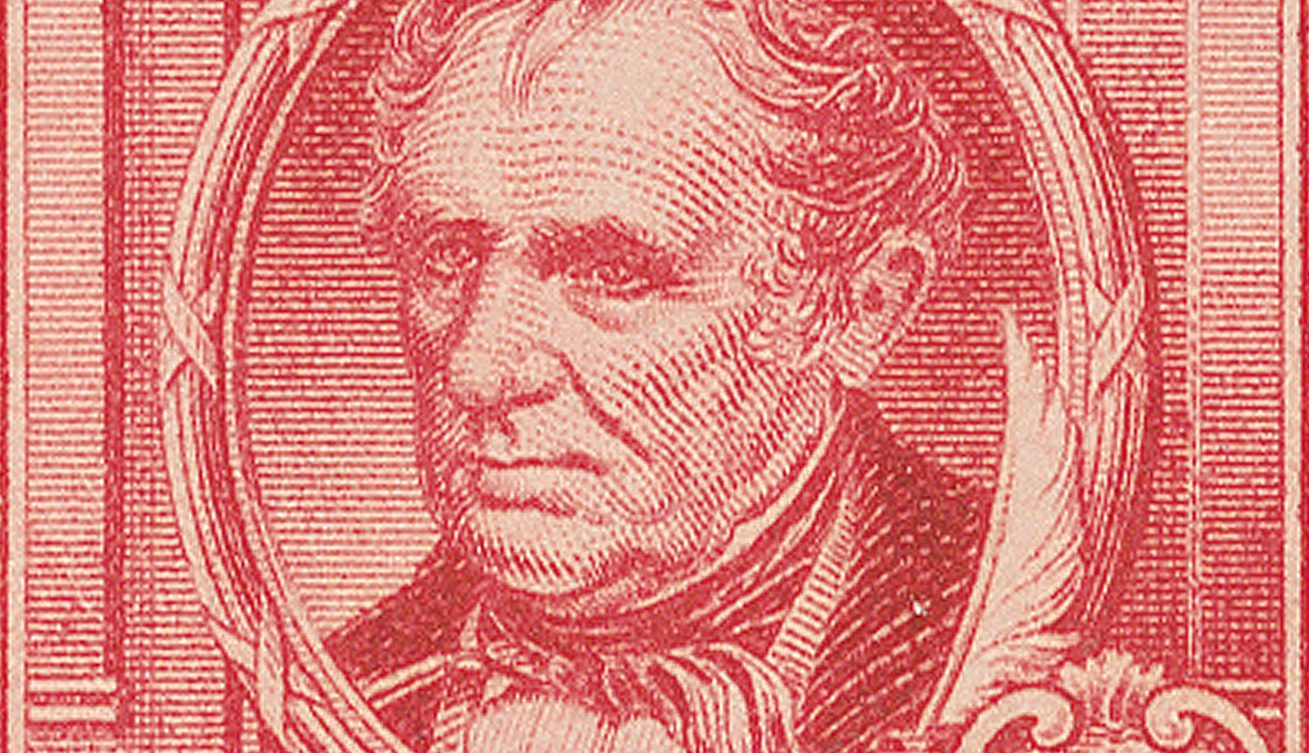
Author James Fenimore Cooper was born on September 15, 1789, in Burlington, New Jersey. He was one of the most popular authors of his time, most well-known for his Leatherstocking Tales, particularly The Last of the Mohicans.

On September 14, 1891, the Empire State Express became one of the world’s first high-speed passenger train, traveling 436 miles between New York City and Buffalo in 7 hours, 6 minutes. It averaged 61.4 miles per hour and reached a top speed of 82 miles per hour.
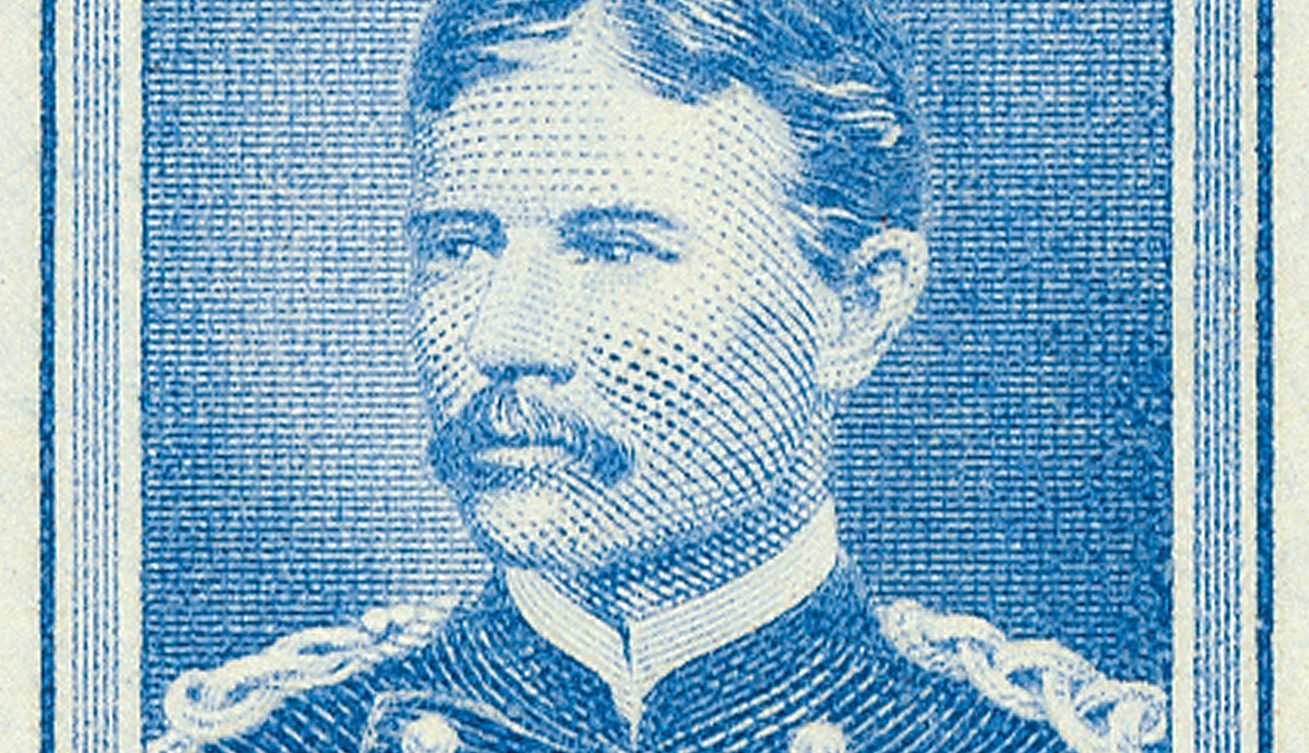
Major Walter Reed, M.D., was born on September 13, 1851, in Belroi, Gloucester County, Virginia. Reed confirmed the theory that yellow fever was spread by particular mosquito species. This led to decreased cases and a treatment, which ultimately saved countless lives in the building of the Panama Canal.

On September 12, 1787, it was proposed that trial by jury in civil cases be included America’s Constitution. There was extensive debate over the topic, and it was ultimately left out of the Constitution. It was finally made law as part of the Bill of Rights in 1791.