Happy Birthday, Jimmie Rodgers
James Charles Rodgers was born on September 8, 1897, in Meridian, Mississippi. He was known for his distinctive yodel and has been called the “Father of Country Music.”

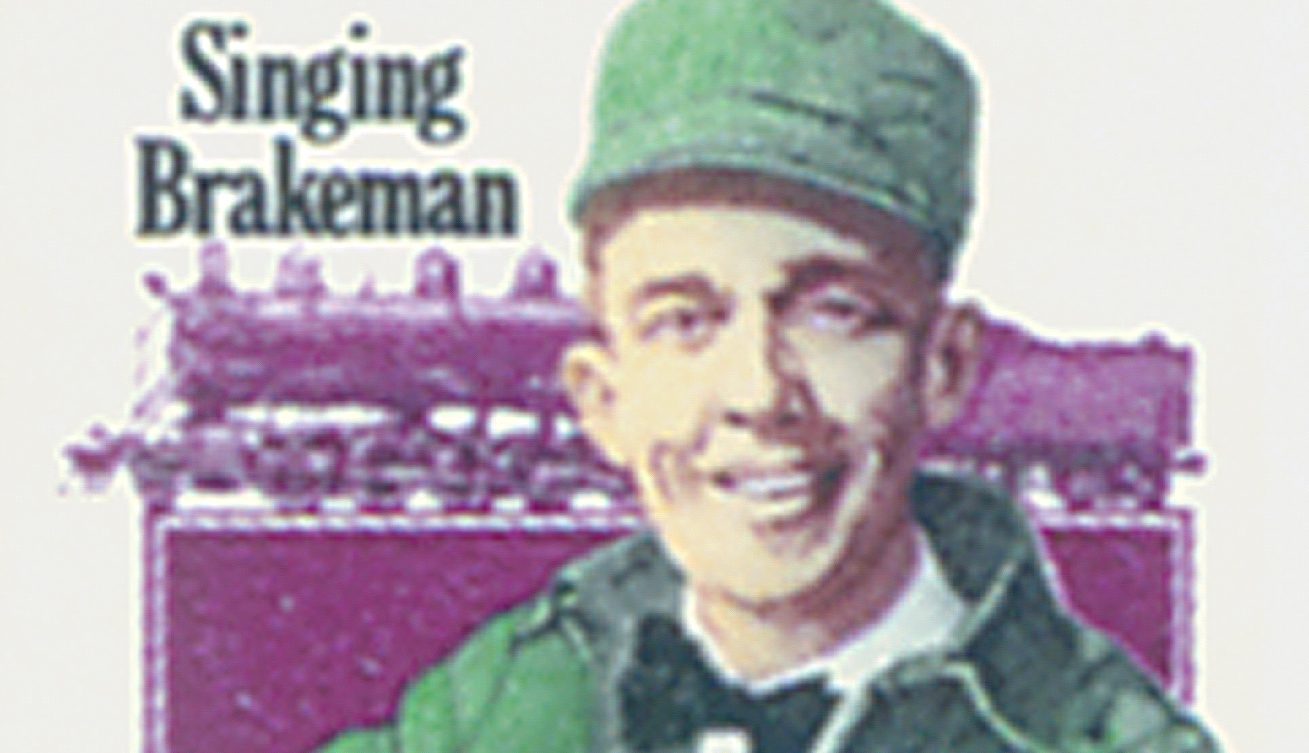
James Charles Rodgers was born on September 8, 1897, in Meridian, Mississippi. He was known for his distinctive yodel and has been called the “Father of Country Music.”
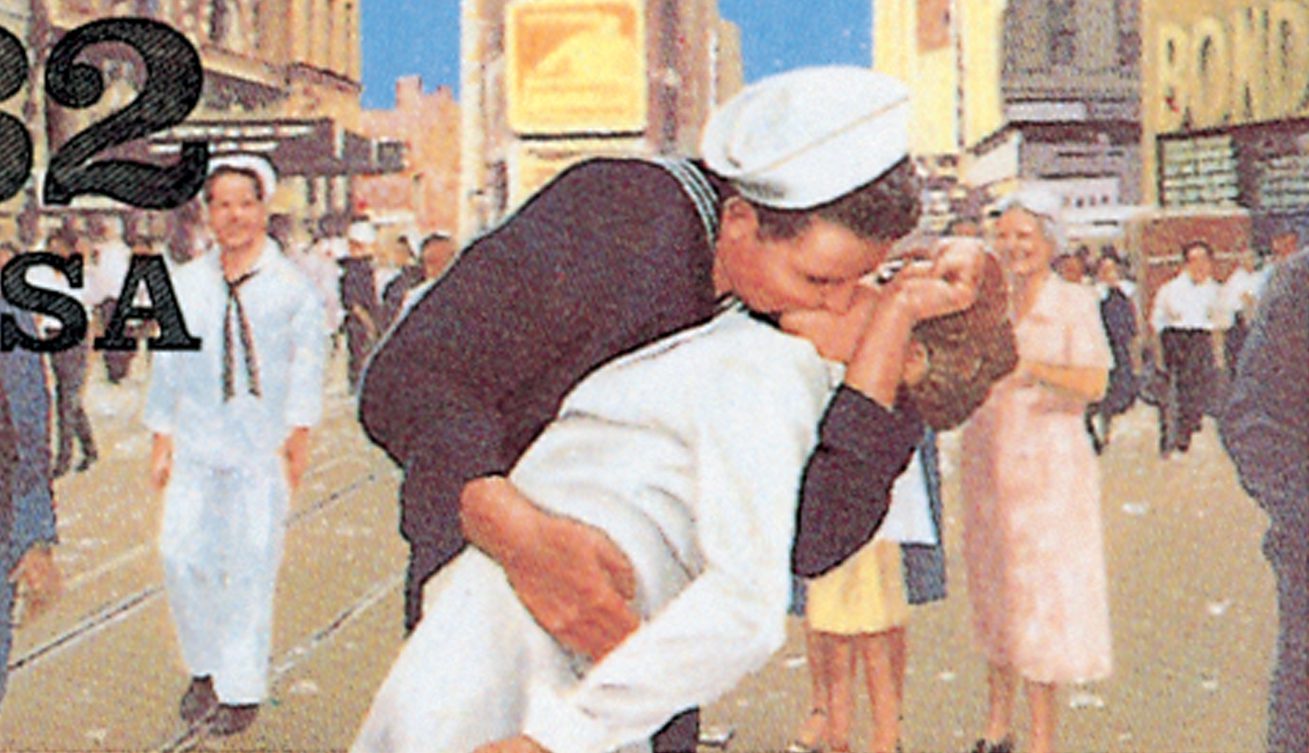
On September 2, 1945, Japan formally surrendered to the Allies aboard the USS Missouri. This is celebrated as VJ in the US. Many other countries celebrate VJ Day on August 15, when Japan announced its surrender.
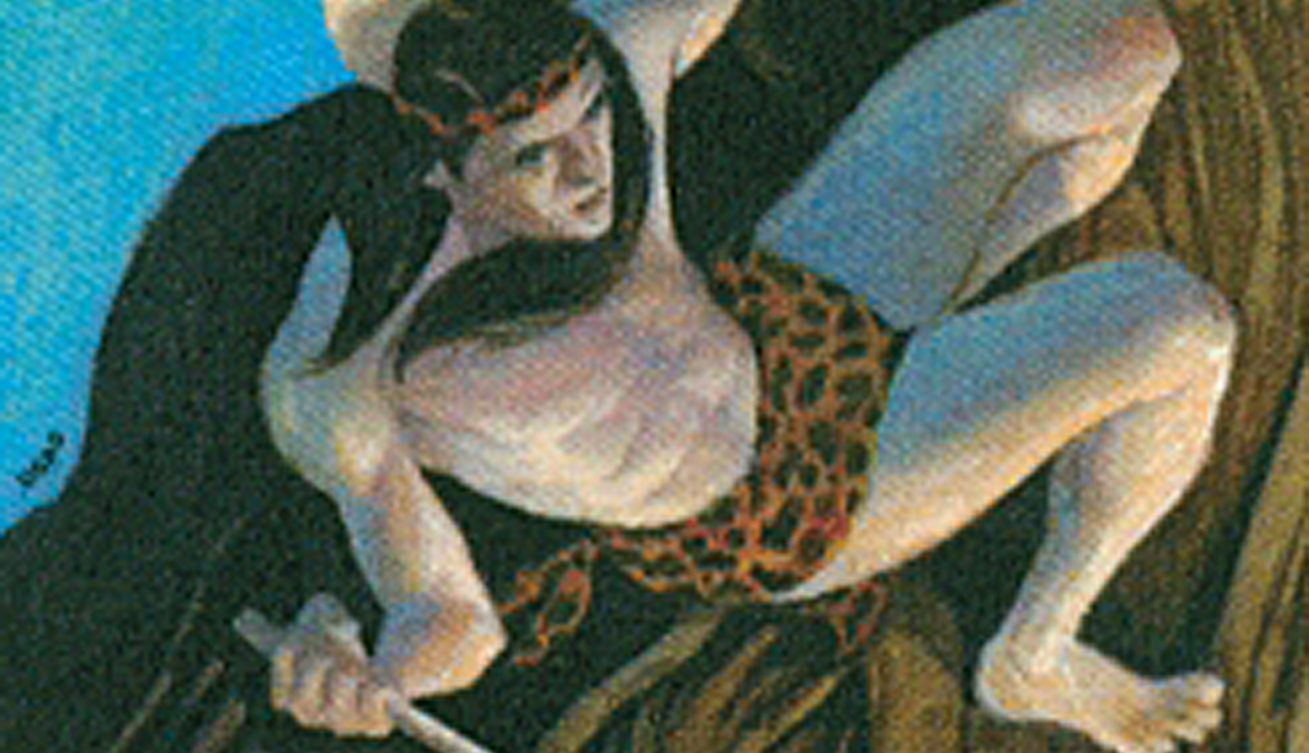
Author Edgar Rice Burroughs was born on September 1, 1875, in Chicago, Illinois. Burroughs wrote about 70 novels during his lifetime, including several about his most famous character, Tarzan.
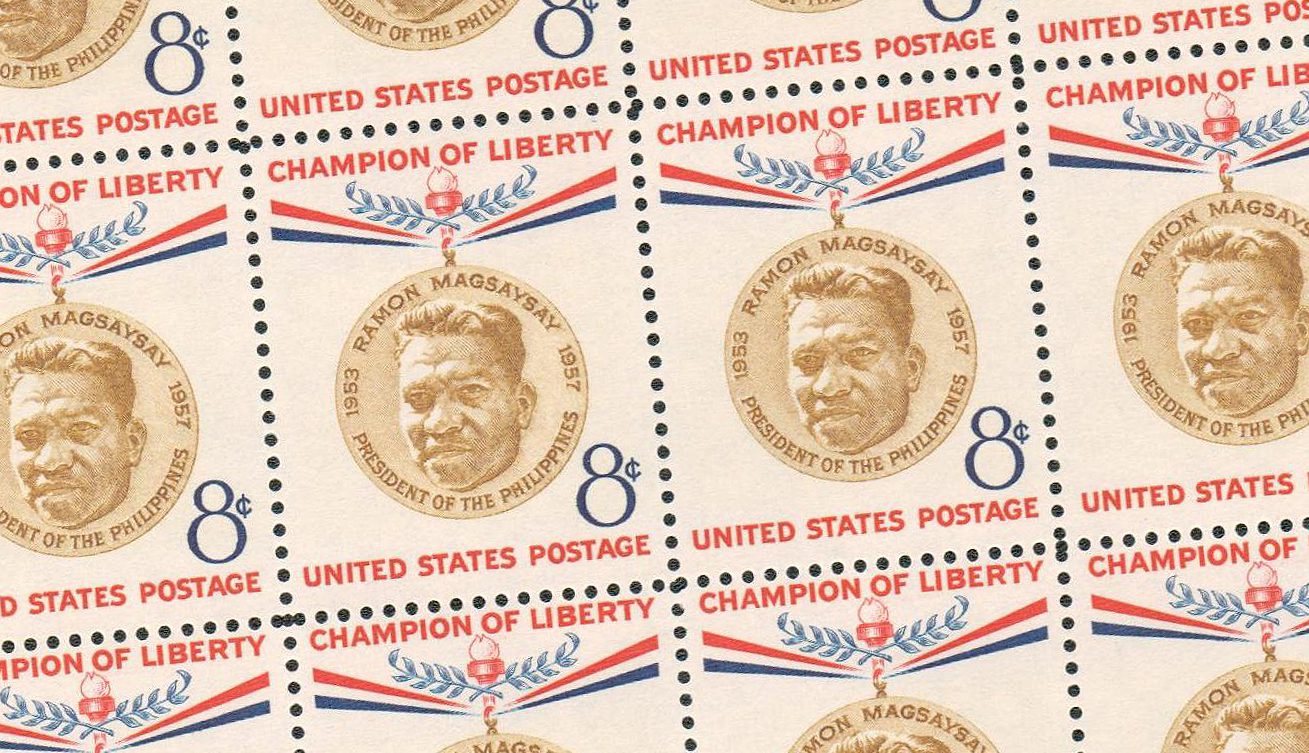
Ramon del Fierro Magsaysay Sr. was born on August 31, 1907, in Iba, Zambales, Philippine Islands. The Philippines’ seventh president, his administration was known for being free of corruption. He was later called the Champion of the Masses and the Defender of Democracy.
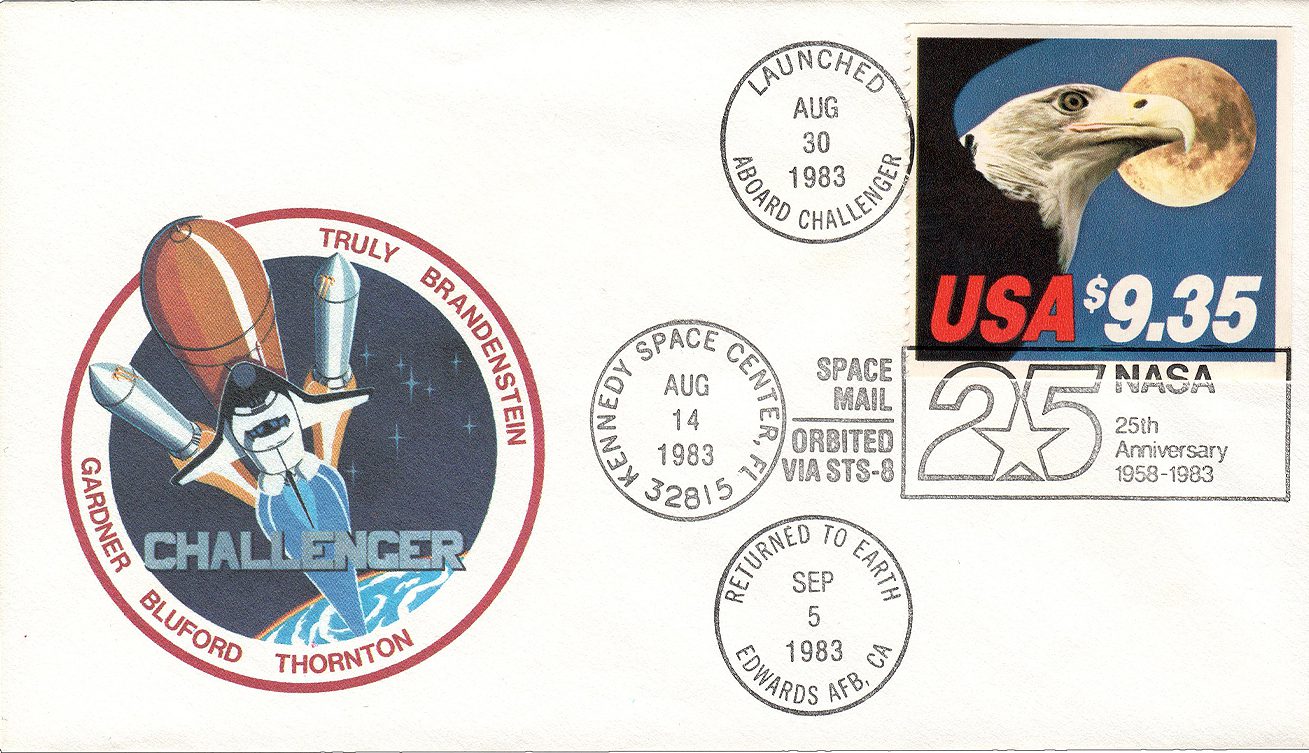
On August 30, 1983, the space shuttle Challenger blasted off on its third mission to space. The shuttle carried special cargo – commemorative covers bearing the new Express Mail Next Day Service stamp.
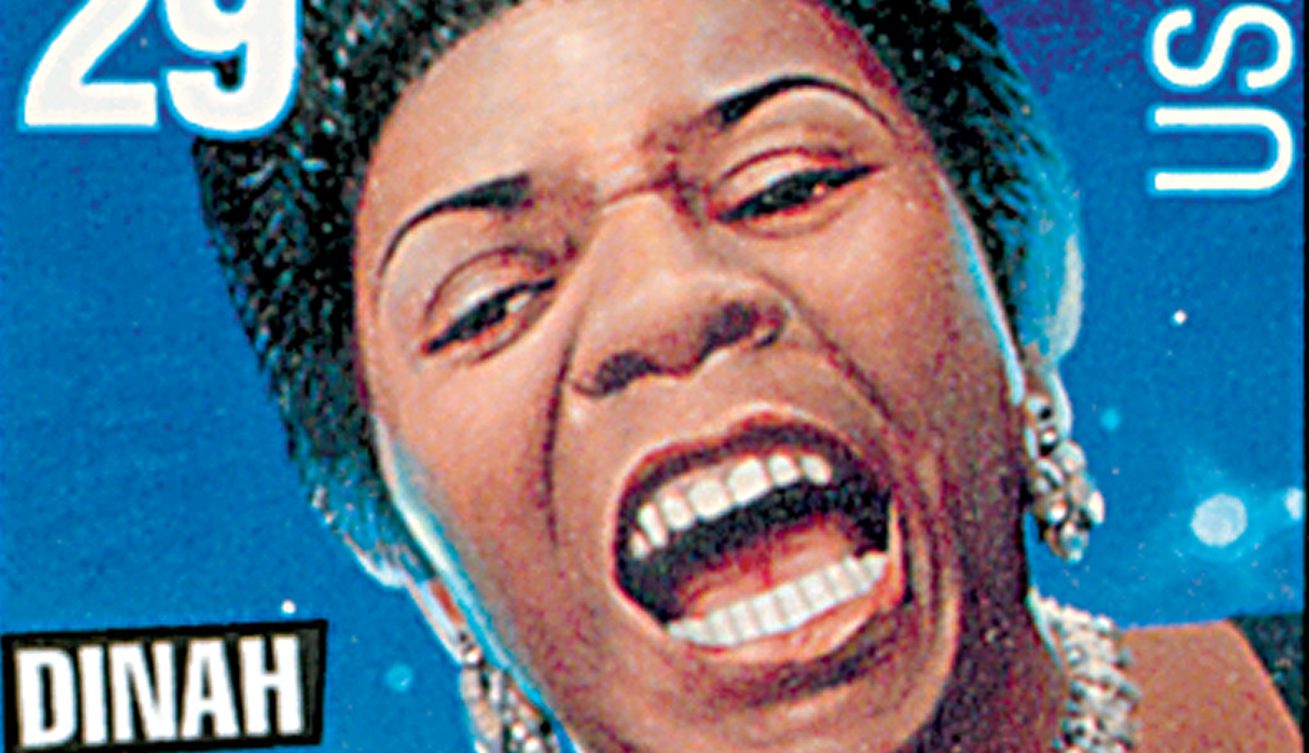
Singer Dinah Washington was born Ruth Lee Jones on August 29, 1924, in Tuscaloosa, Alabama. Known as the “Queen of Blues”, she was one of the best-known and most popular female rhythm & blues singers during the 1950’s.
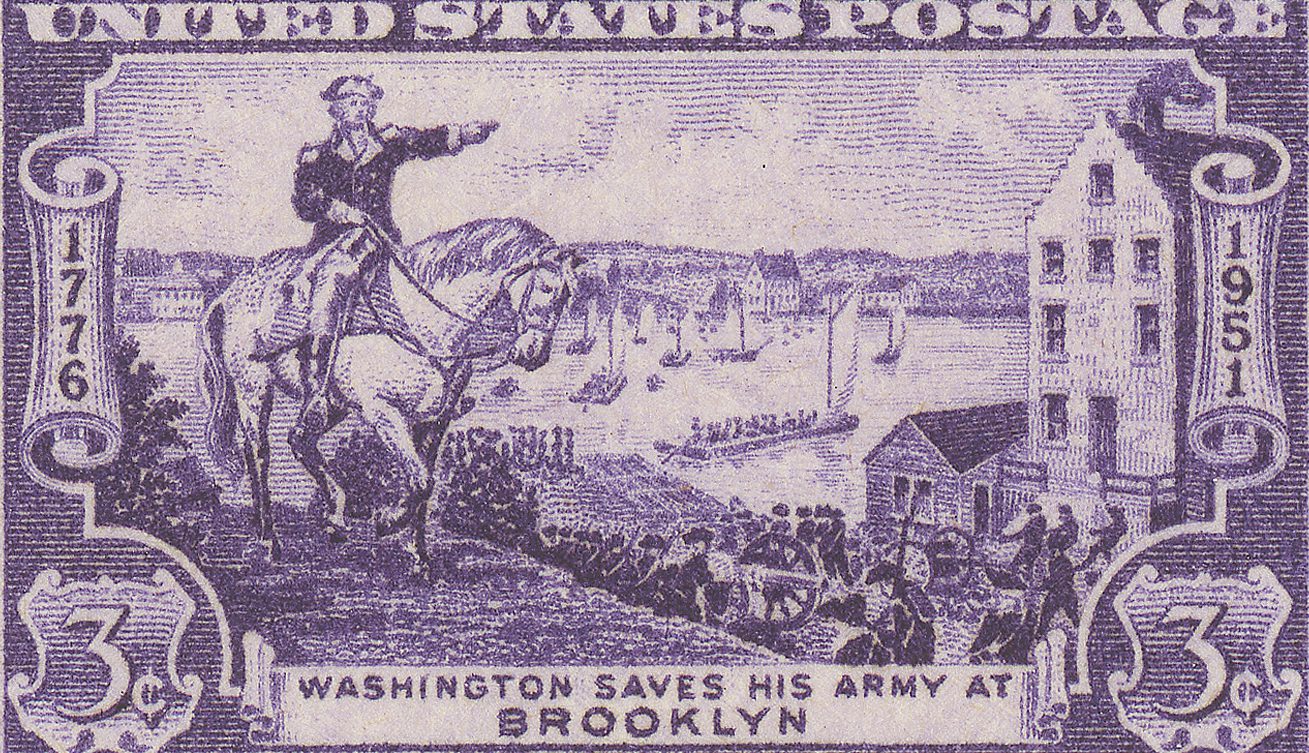
The Continental and British Armies engaged in their first fight of the Revolutionary War on August 27, 1776. The Battle of Brooklyn (also known as the Battle of Long Island or the Battle of Brooklyn Heights) was the largest battle of the war.
The Marsh-Billings-Rockefeller National Historical Park was established in Vermont on August 26, 1992. It’s the first national park in the country created to honor the history of conservation.
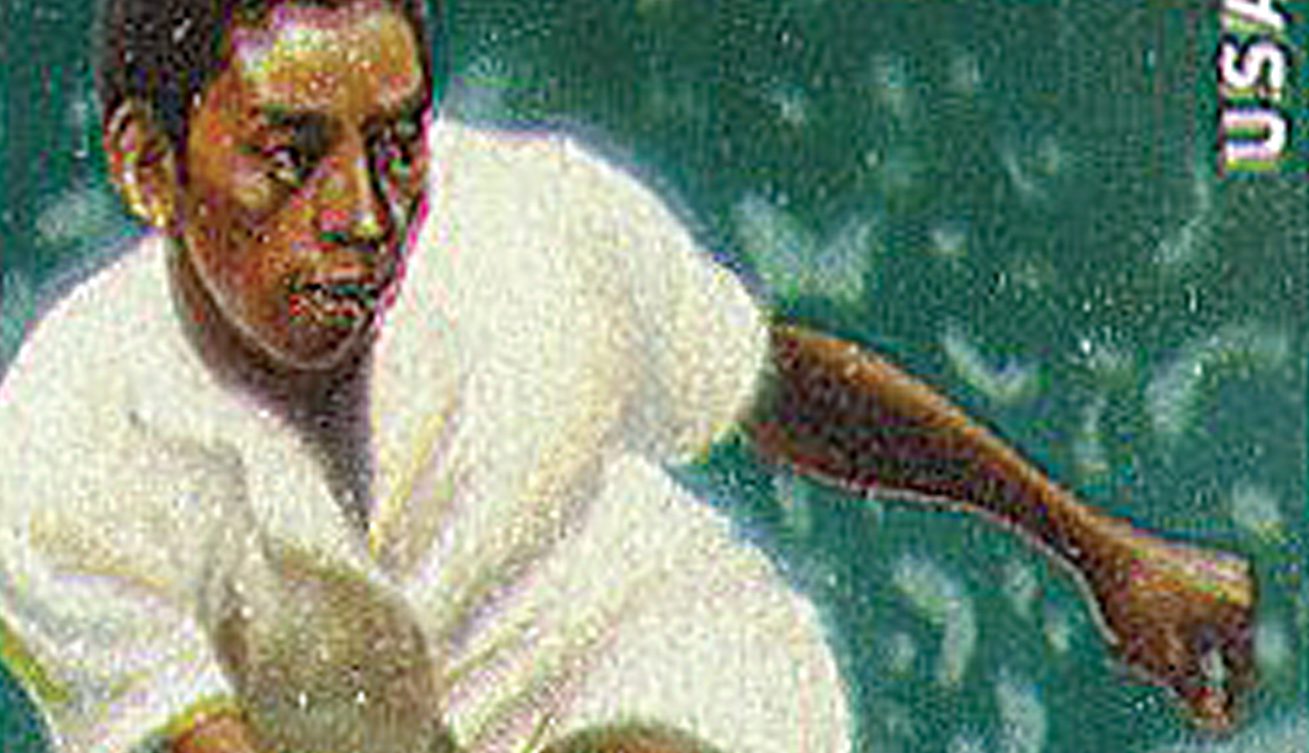
Althea Neale Gibson was born on August 25, 1927, in Silver, South Carolina. Gibson made history by becoming the first African American to win a Wimbledon title. She’s been called the “female Jackie Robinson” for her role in breaking the color barrier in professional tennis.