The Battle of New Orleans Begins
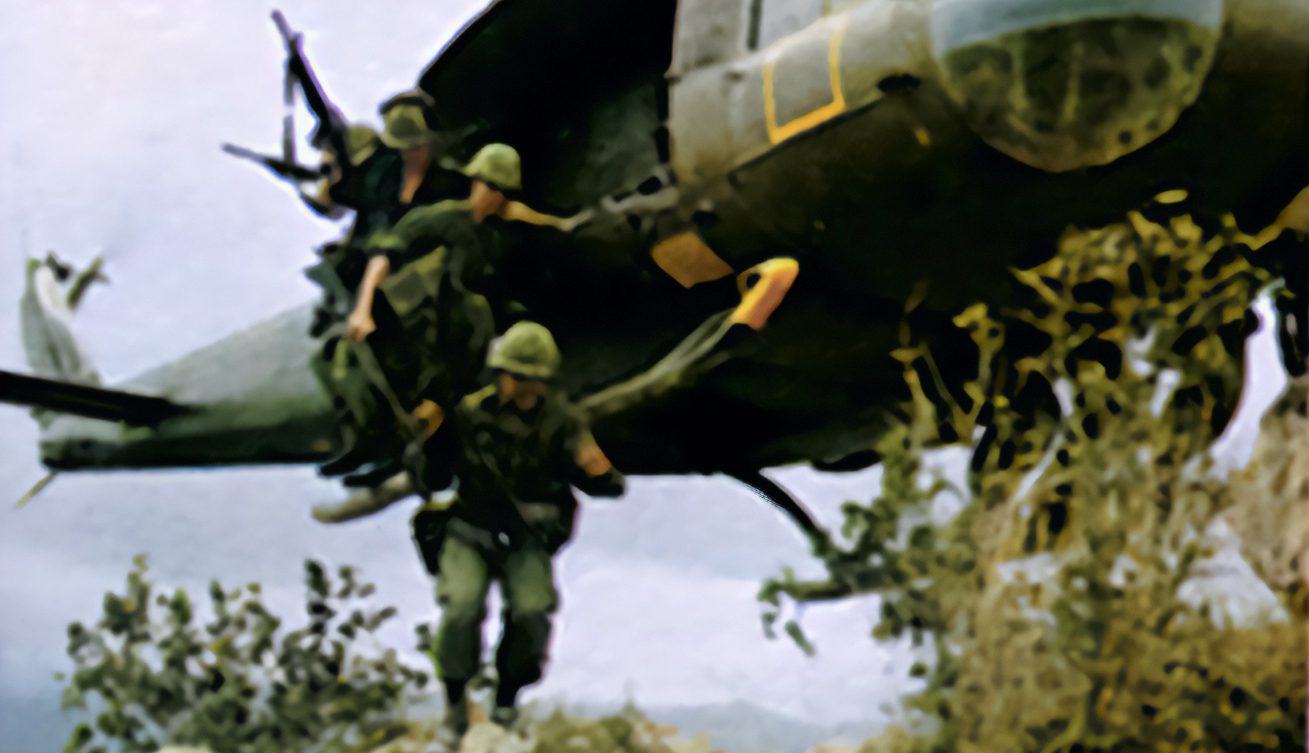
On January 8, 1815, future president Andrew Jackson began the Battle of New Orleans, two weeks after the Treaty of Ghent was signed. It was the last major battle of the war – and the most one-sided.
America’s 13th president, Millard Fillmore, was born on January 7, 1800, in Moravia, New York. He was the second US vice president to take the nation’s highest office as the result of the president’s death. While he struggled on the domestic front, he helped open relations with Japan.
On January 6, 1912, New Mexico became the 47th state admitted to the Union.
On January 5, 1933, America’s 30th President, Calvin Coolidge, died suddenly of a heart attack. He’d led the nation through the notable economic growth of the Roaring Twenties.
On January 4, 1754, King’s College (later Columbia University) was founded in New York. It’s the oldest university in New York and the fifth oldest in the US.
On January 3, 1959, Alaska was made a state. It was the first new state added to the Union in 46 years.
On January 2, 1952, the US Post Office Department issued a commemorative stamp honoring Betsy Ross, one day after her 200th birthday. The stamp pictures Ross presenting the flag to George Washington and the Flag Committee.
Paul Revere was born on January 1, 1735, according to the modern calendar in the North End of Boston. In 1775, he went on a famous ride to warn of the arrival of British troops. After the war, he earned a name for himself as a silversmith.
On December 31, 1951, the Marshall Plan expired after providing aid to millions of people in Western Europe. The Plan was seen as a way to contain the spread of communism and increase US exports.