Battle of San Jacinto
On April 21, 1836, Texan soldiers led a swift attack on an unsuspecting Mexican force at the Battle of San Jacinto. It was the final, decisive battle of the Texas Revolution.

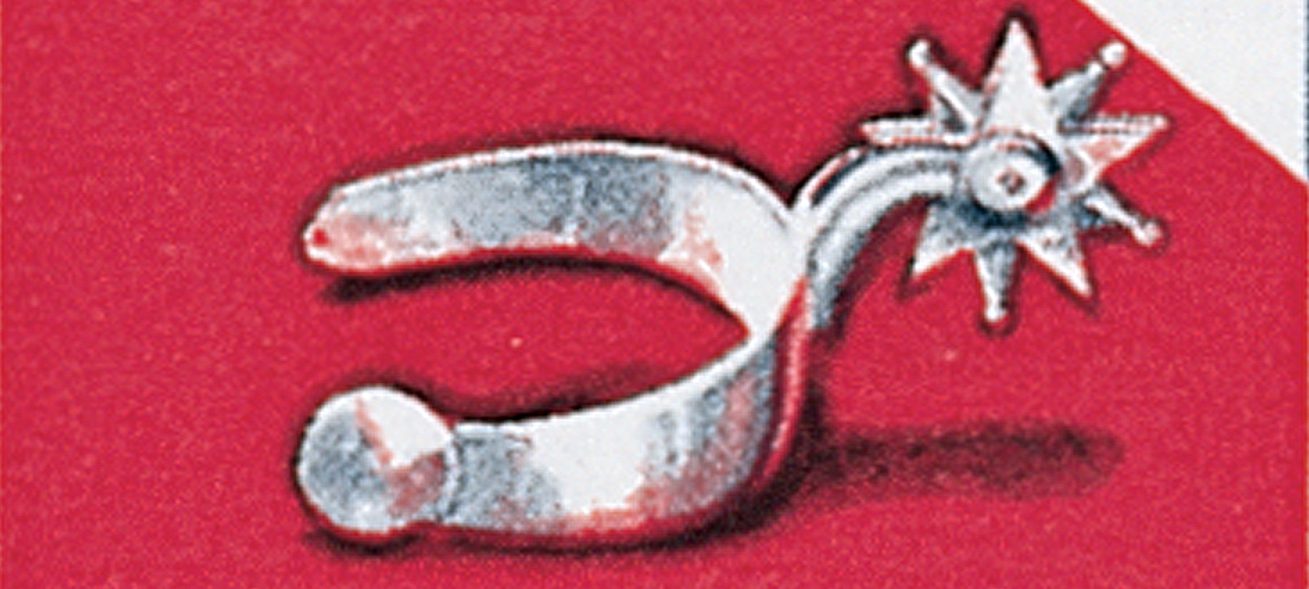
On April 21, 1836, Texan soldiers led a swift attack on an unsuspecting Mexican force at the Battle of San Jacinto. It was the final, decisive battle of the Texas Revolution.
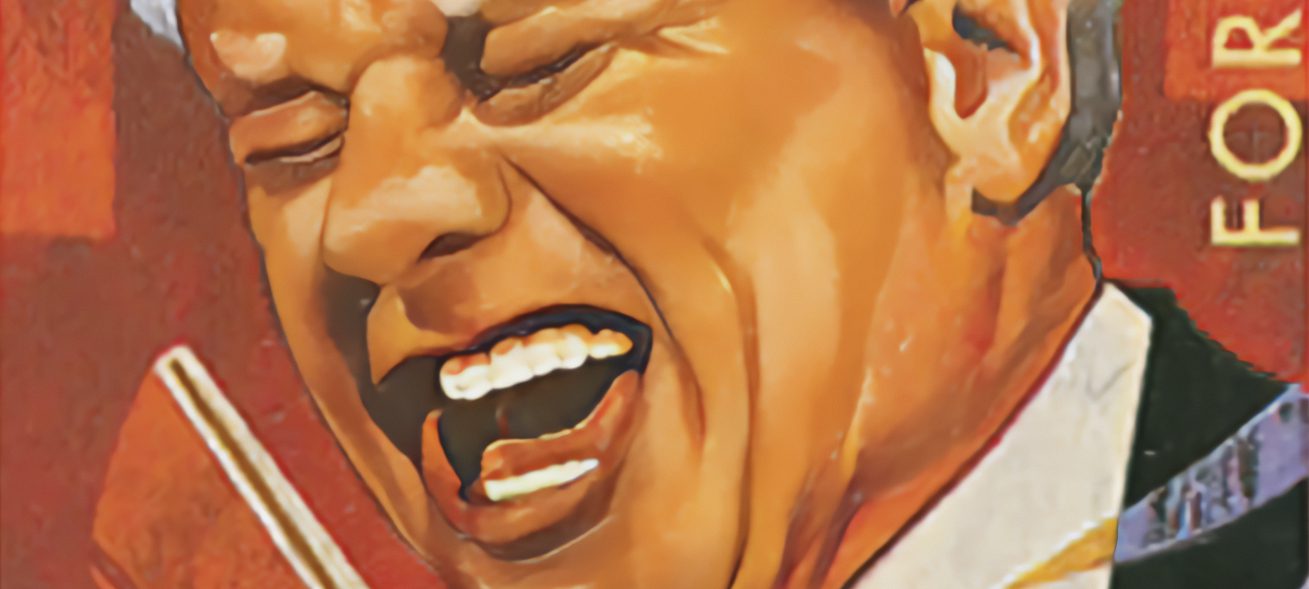
American musician and songwriter Tito Puente was born on April 20, 1923, in New York City, New York.
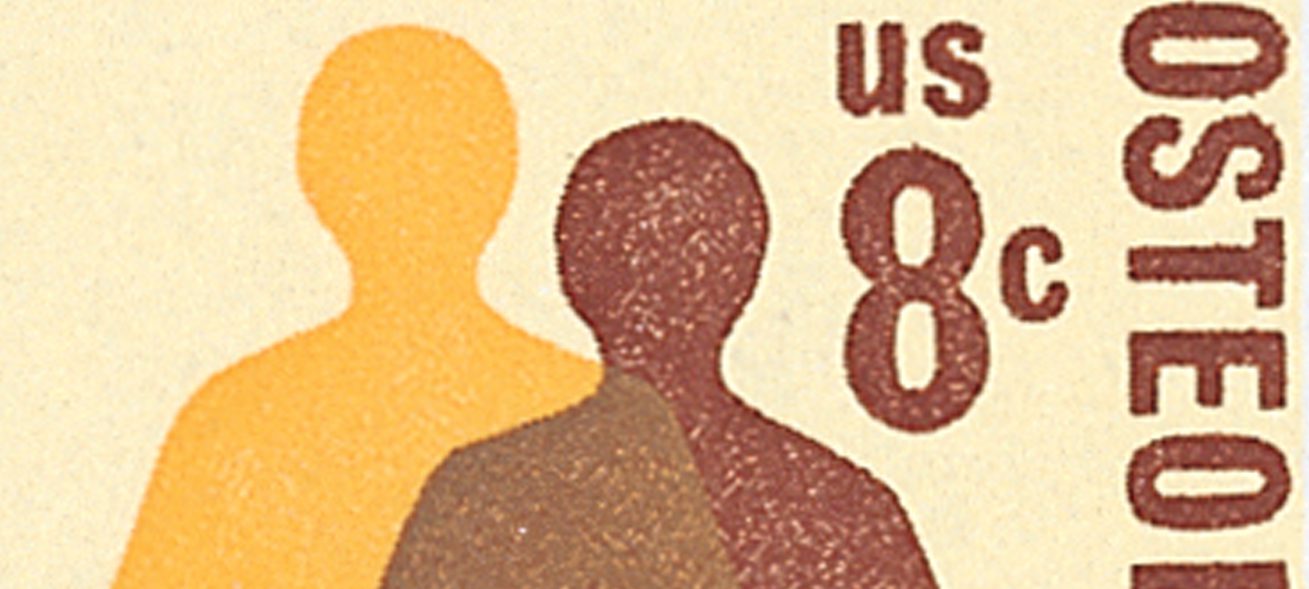
On April 19, 1897, the American Osteopathic Association was formed. Osteopathy is an alternative medical practice that focuses on the manipulation of muscle tissue and bones.
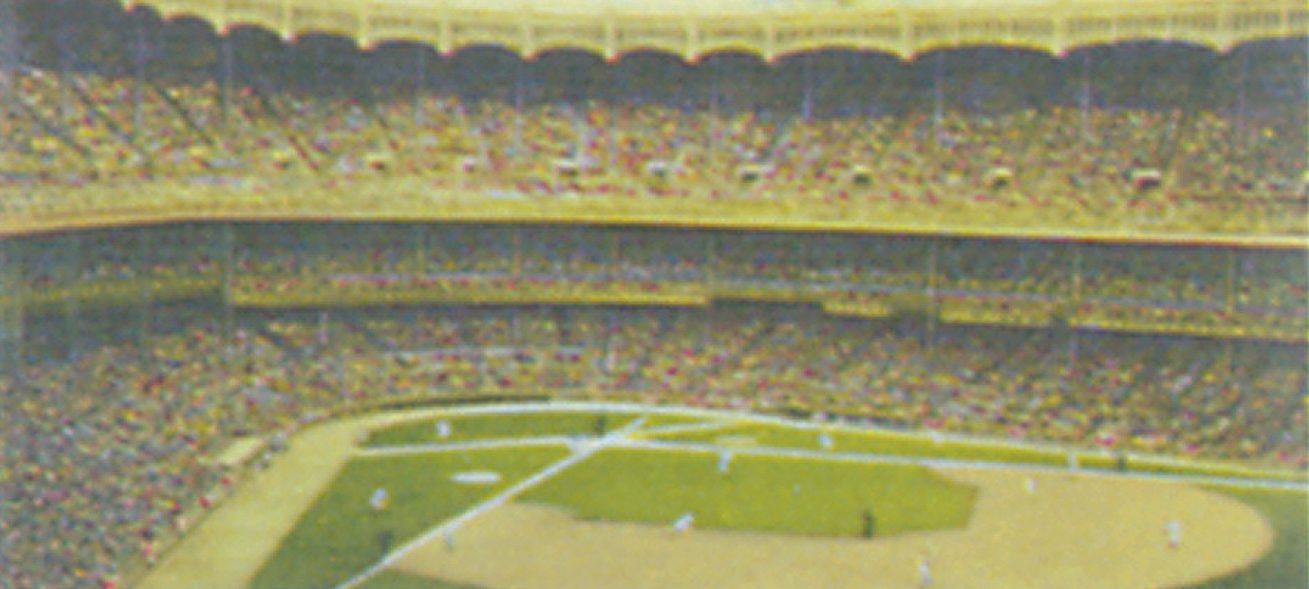
On April 18, 1923, the Yankees played their first game in “The House that Ruth Built.”

On April 17, 1524, Giovanni da Verrazzano became the first European to see New York harbor.
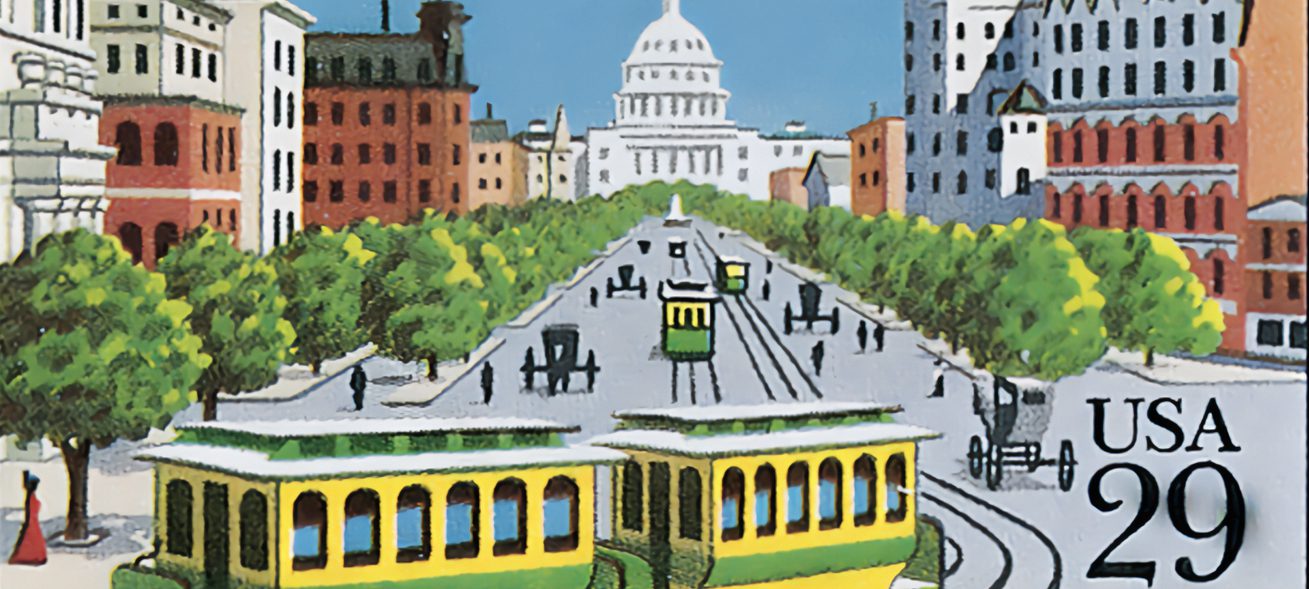
On April 16, 1862, President Abraham Lincoln signed the District of Columbia Compensated Emancipation Act. The act freed over 3,100 people enslaved in the US capital nine months before the Emancipation Proclamation would free all enslaved people in the US.
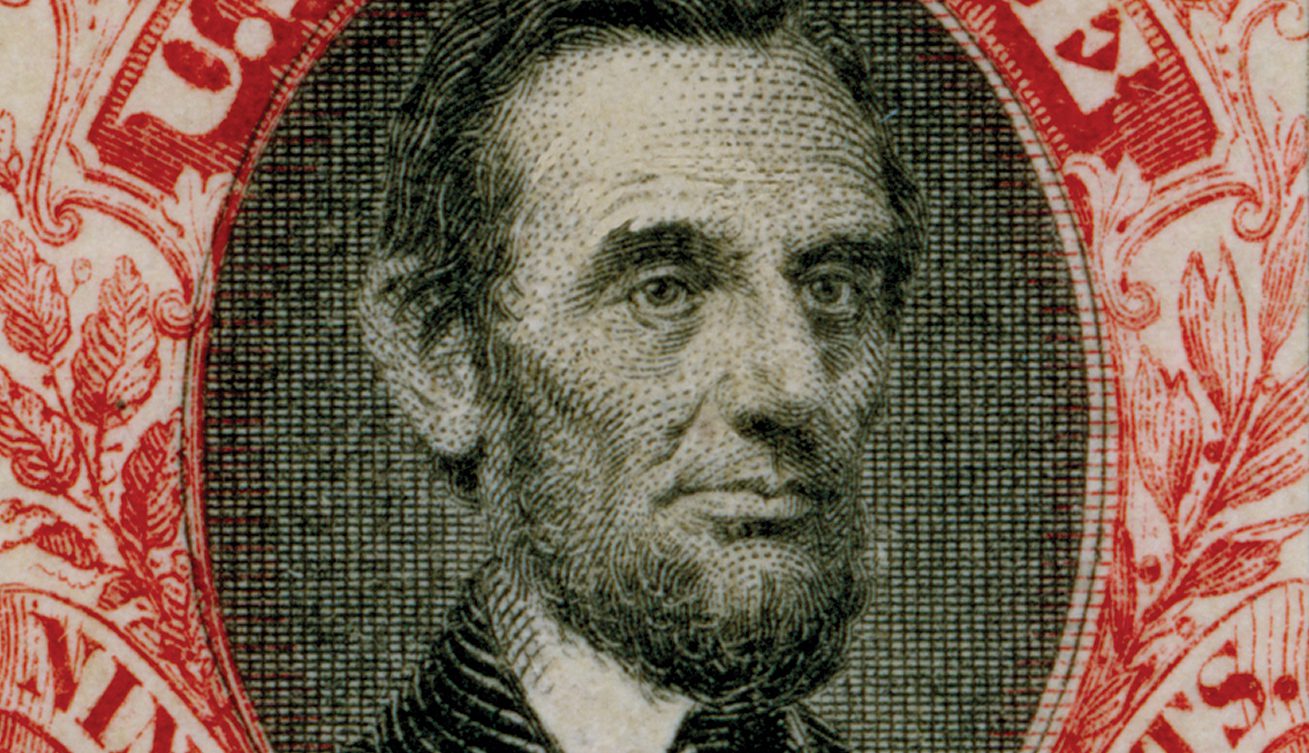
On April 15, 1865, President Lincoln died less than 12 hours after being shot by John Wilkes Booth. He was the first US president to be assassinated, just as the Civil War was drawing to a close.
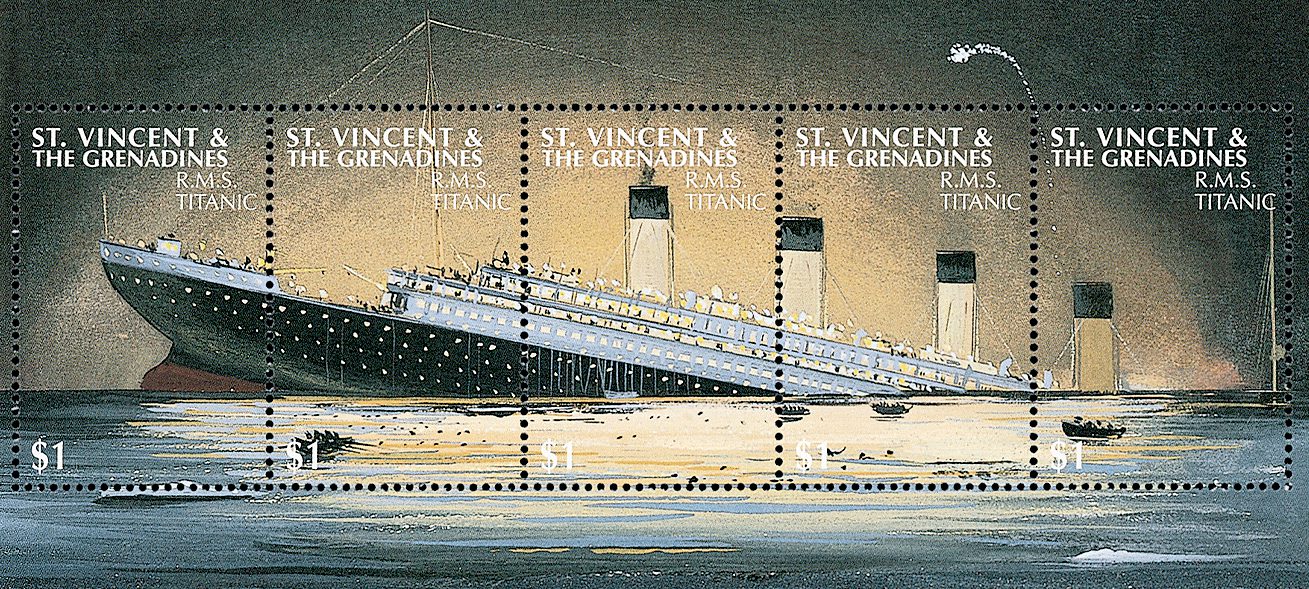
One of the most well known maritime disasters in history occurred on April 14, 1912, when the Titanic hit an iceberg and sank.
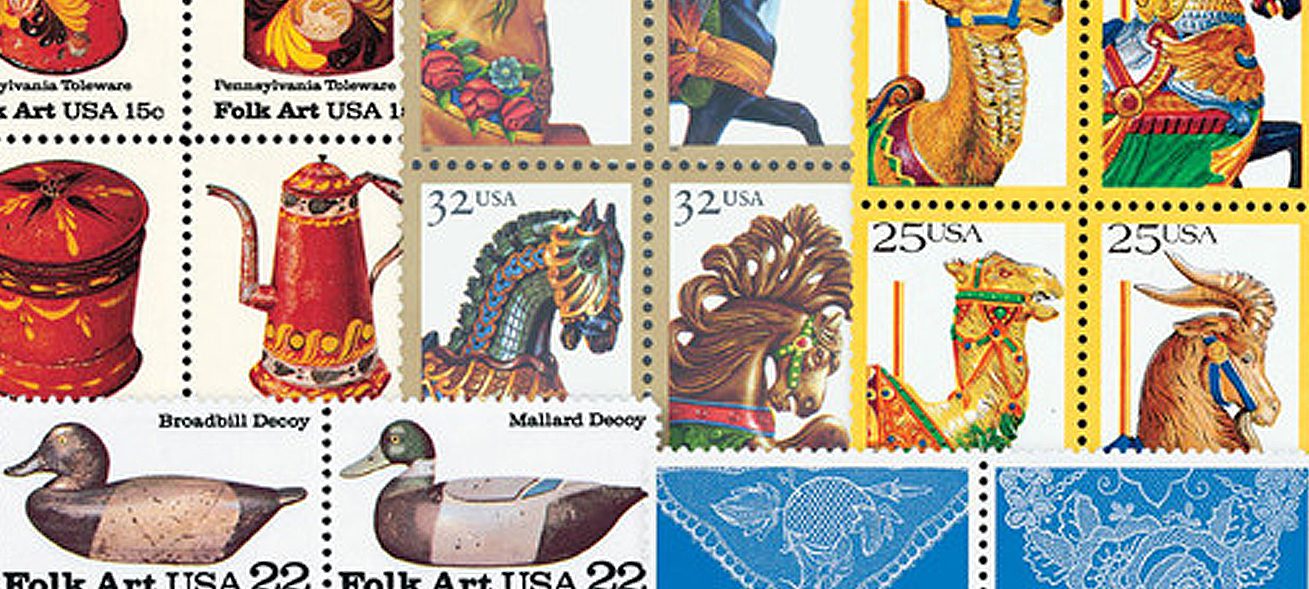
On April 13, 1977, the USPS issued the first stamps in the American Folk Art Series. The Folk Art Series honored important and lesser-known items in American art and culture.