Treaty of Amity and Commerce with Sweden
On April 3, 1783, the US signed the Treaty of Amity and Commerce with Sweden, the first such treaty between the US and a country that wasn’t an ally in the Revolutionary War.

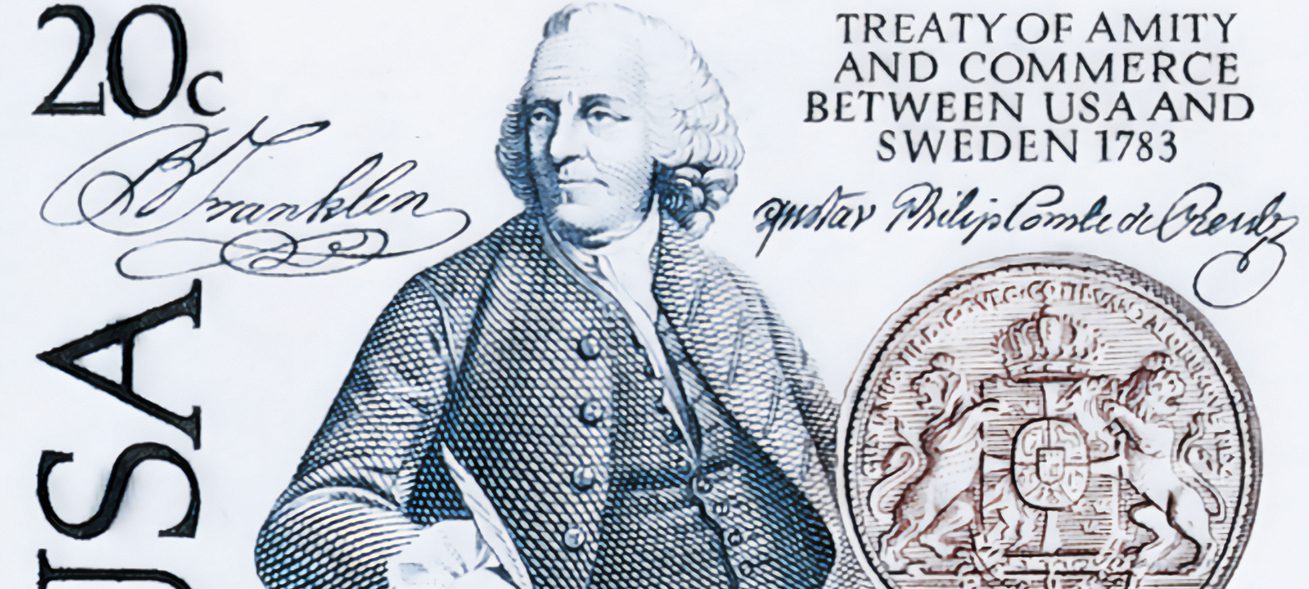
On April 3, 1783, the US signed the Treaty of Amity and Commerce with Sweden, the first such treaty between the US and a country that wasn’t an ally in the Revolutionary War.

Danish author Hans Christian Andersen was born on April 2, 1805, in Odense, Funen, Kingdom of Denmark-Norway. Best known as an author of Fairy Tales, his birthday is celebrated as International Children’s Book Day.

On April 1, 1960, the US issued two boat stamps for use on motorboat applications. The stamps were part of an effort to promote boating safety in collaboration with the Coast Guard.
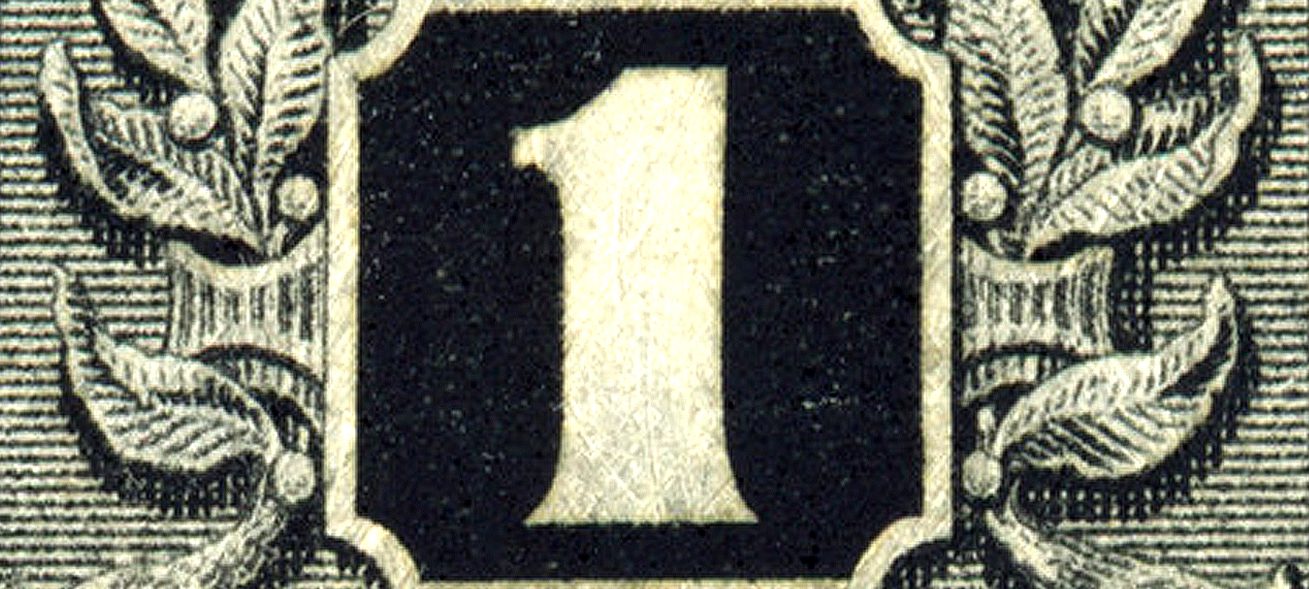
On March 31, 1951, Postal Note stamps were discontinued after just six years of use.

On March 30, 1867, US Secretary of State William Seward purchased Alaska from Russia in what many at the time called “Seward’s Folly.”
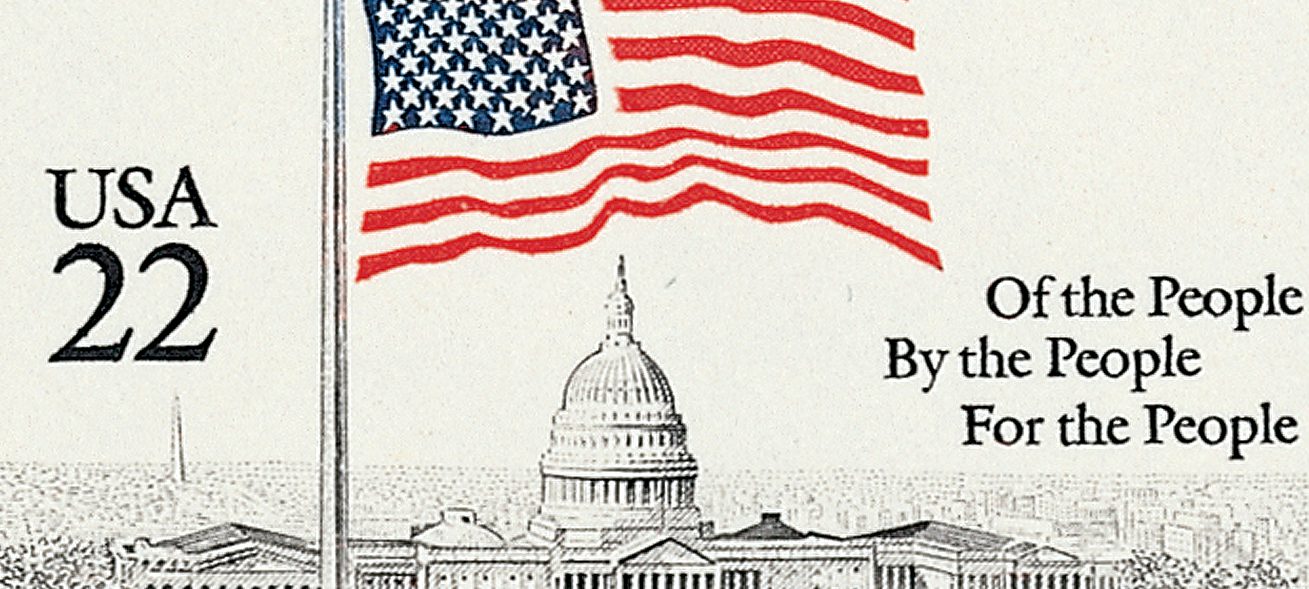
On March 29, 1985, the USPS issued its first definitive booklet stamp in the larger commemorative size. It was created for use in vending machines and to test the popularity of the format.

On March 28, 1885, the Salvation Army was formally established in the United States, 20 years after the original organization was founded in London.
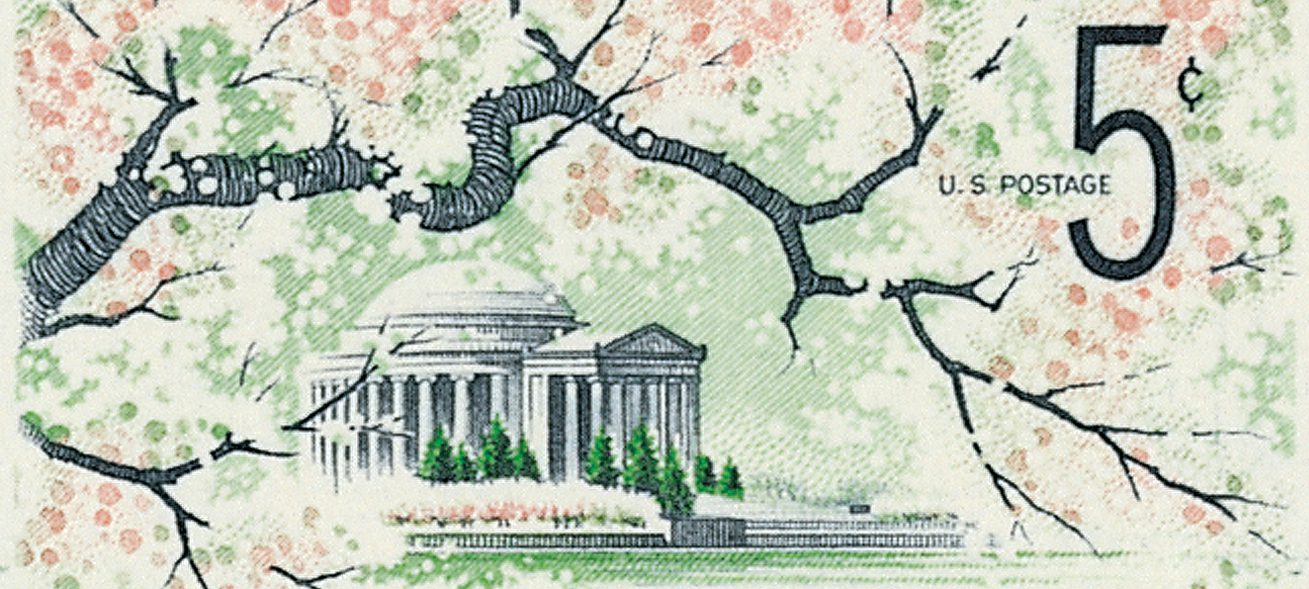
On March 27, 1912, US First Lady Helen Taft and wife of the Japanese ambassador Viscountess Chinda Iwa planted two Yoshina cherry trees on the northern bank of the Potomac River. The plantings were in celebration of the Japanese gift of 3,020 cherry trees to the US government.

On March 26, 1827, legendary composer and pianist Ludwig van Beethoven died in Vienna, Austria. One of the most well-known figures in Western music, his compositions are among the most performed in the classical music genre.