Work Begins on the Berlin Wall
When the Nazis were defeated in World War II, Germany was divided into two countries. Shortly after midnight on August 13, 1961, East German soldiers laid barbed wire and bricks, creating the Berlin Wall.


When the Nazis were defeated in World War II, Germany was divided into two countries. Shortly after midnight on August 13, 1961, East German soldiers laid barbed wire and bricks, creating the Berlin Wall.

On August 12, 1960, Echo I, the world’s first passive communications satellite, was placed in orbit around the Earth. The goal was to send radio signals into space from one location, bounce them off the satellite, and receive them at another location.

Artist Martin Johnson Heade was born on August 11, 1819, in Lumberville, Pennsylvania. Heade had the longest career and possibly the most varied body of work of any American painter of the nineteenth century.
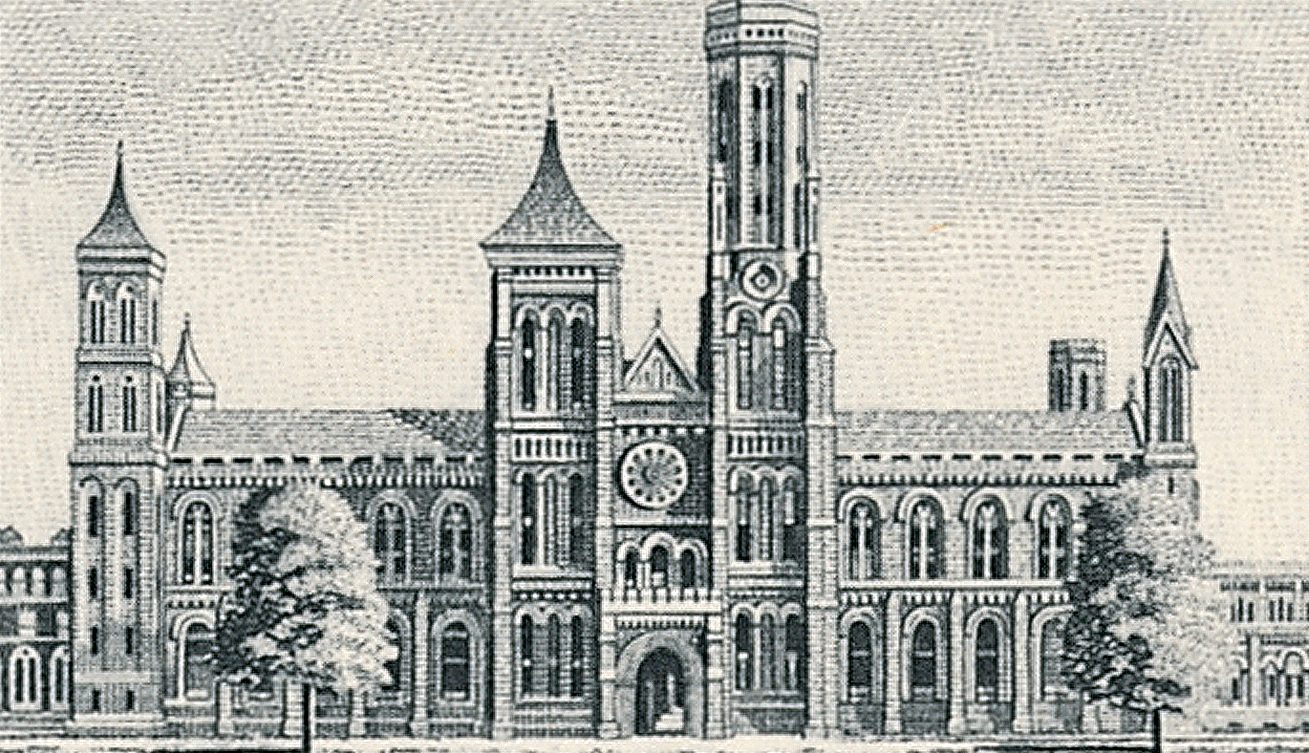
After a decade of debates, the Smithsonian Institution was established on August 10, 1846. Nicknamed “the nation’s attic,” it houses more than 154 million items and is the world’s largest museum, education, and research complex.

On August 9, 1854, transcendentalist writer Henry David Thoreau published his most famous work – Walden. It was based on the two years he spent contemplating Transcendentalist philosophy at Walden Pond, Massachusetts.

On August 8, 1929, the Graf Zeppelin departed the airfield in Lakehurst, New Jersey, to return 21 days later. The popularity of this trip created “Zeppelin Mania” and inspired several later flights.

Ralph Johnson Bunche was born on August 7, 1904, in Detroit, Michigan.

On August 6, 1777, American troops under General Nicholas Herkimer claimed victory at the Battle of Oriskany. The battle sparked a war between the British’s Native American allies and prevented them from reaching Albany.

On August 5, 1914, the first electric traffic light was installed in Cleveland, Ohio. It was considered revolutionary at the time, and was soon followed by similar systems in cities around the country.