Birth of Ogden Nash
Ogden Nash was born on August 19, 1902, in Rye, New York. Having written over 500 poems during his life, Nash is considered America’s best-known humorous poet.


Ogden Nash was born on August 19, 1902, in Rye, New York. Having written over 500 poems during his life, Nash is considered America’s best-known humorous poet.

On August 18, 1587, Virginia Dare was born on Roanoke Island in present-day North Carolina, becoming the first English child known to have been born in North America. Just three years later, her grandfather returned to find Virginia, her parents, and the other colonists gone, creating the mystery now known as the Lost Colony of Roanoke.
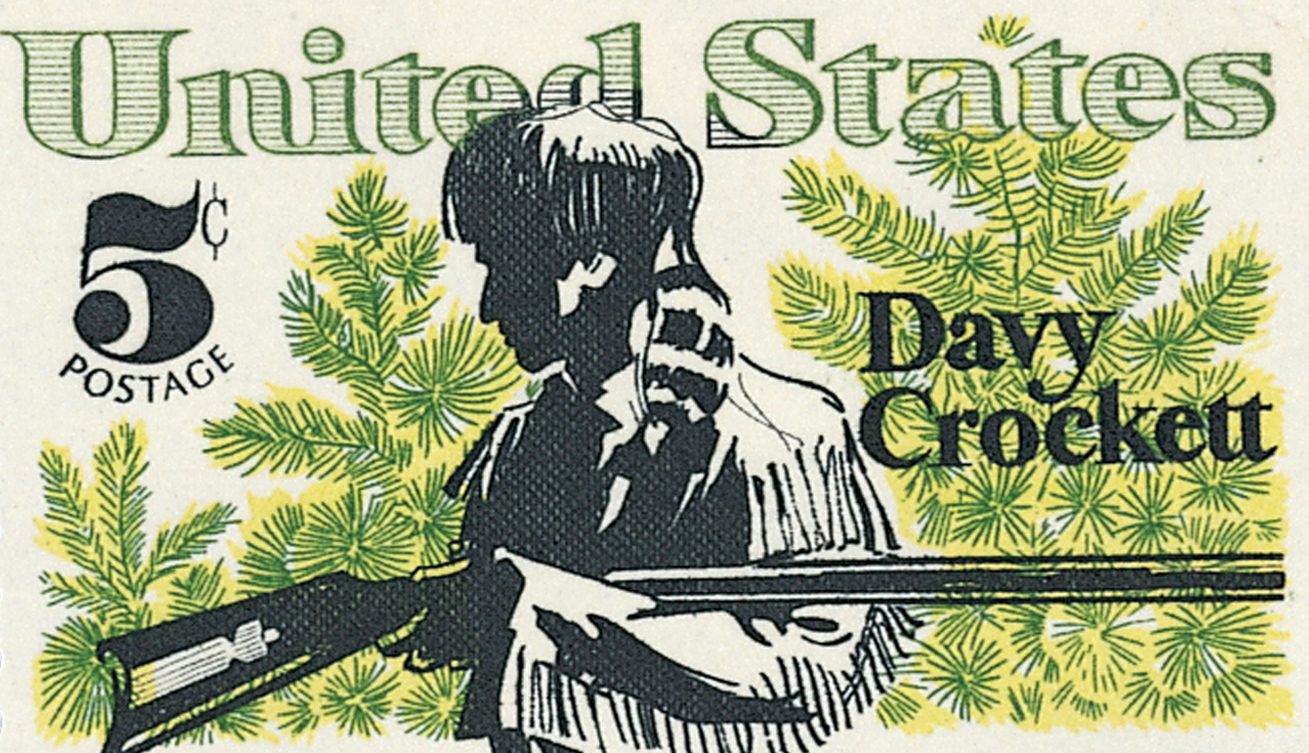
David “Davy” Crockett was born on August 17, 1786 in Greene County, North Carolina (though it is now part of Tennessee). Dubbed the King of the Wild Frontier, Crockett was a folk hero, politician, frontiersman, and soldier.
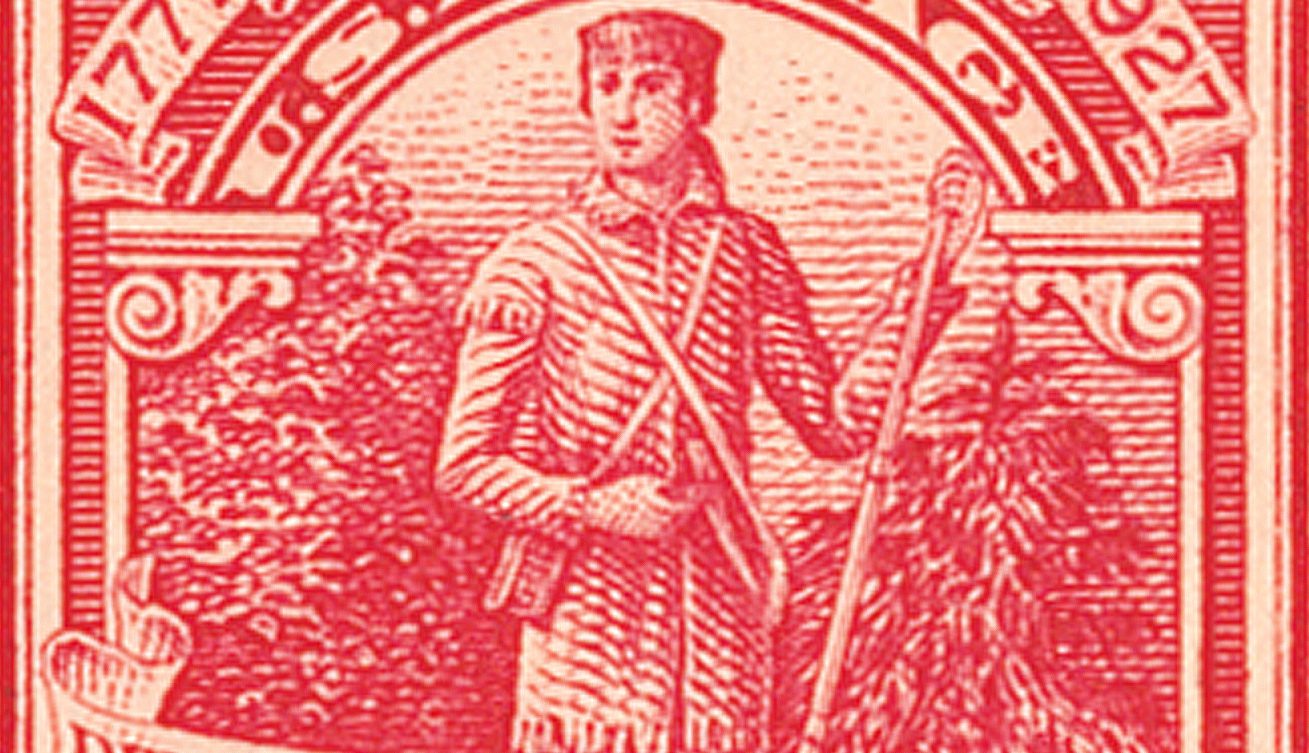
On August 16, 1777, American troops won the Battle of Bennington—even though most of the fighting took place across the border near Walloomsac, New York. The victory denied British General John Burgoyne badly needed supplies and cost his army hundreds of men at a critical point in the Saratoga campaign.
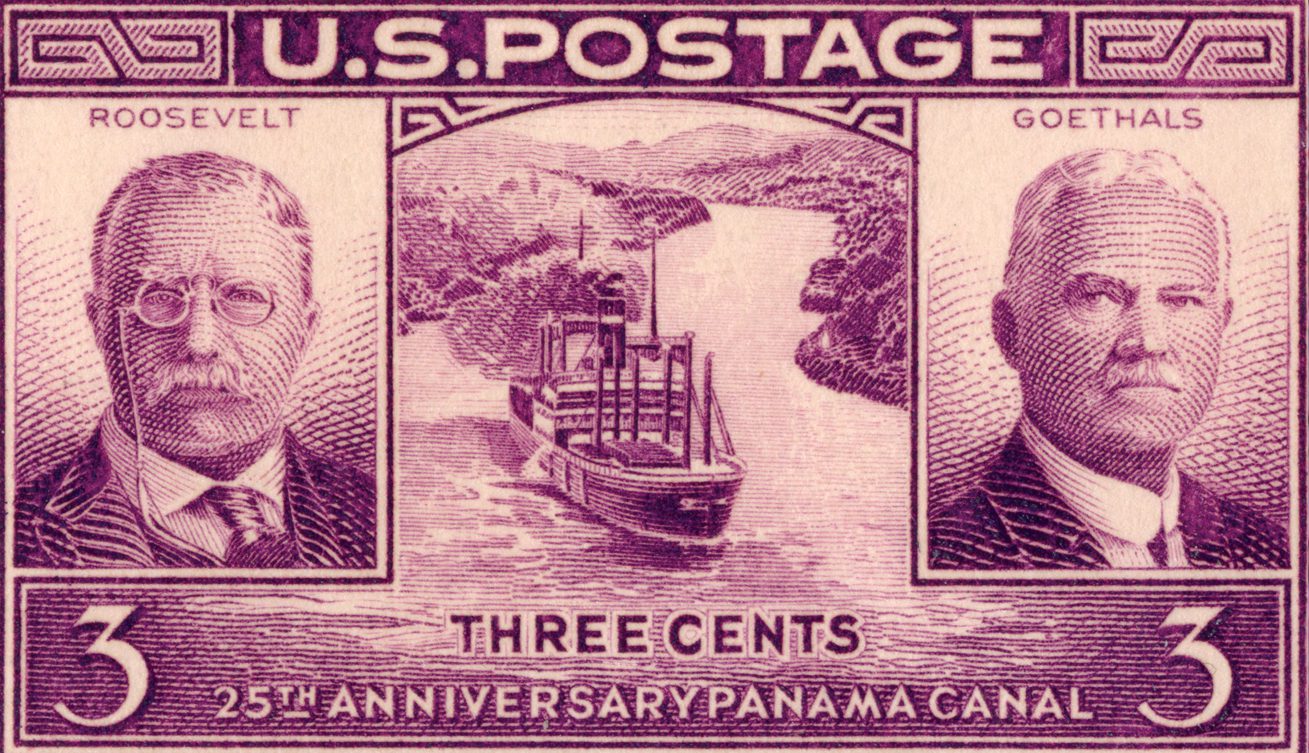
After a decade of construction, the Panama Canal opened to traffic on August 15, 1914. Dubbed one of the seven wonders of the modern world, the canal helped to significantly cut down on the travel time between the Atlantic and Pacific Oceans.

On August 14, 1935, President Franklin D. Roosevelt signed the Social Security Act into law. Created amid the economic insecurity of the Great Depression, the law established retirement insurance while also providing federal support for unemployment compensation and assistance to vulnerable Americans.
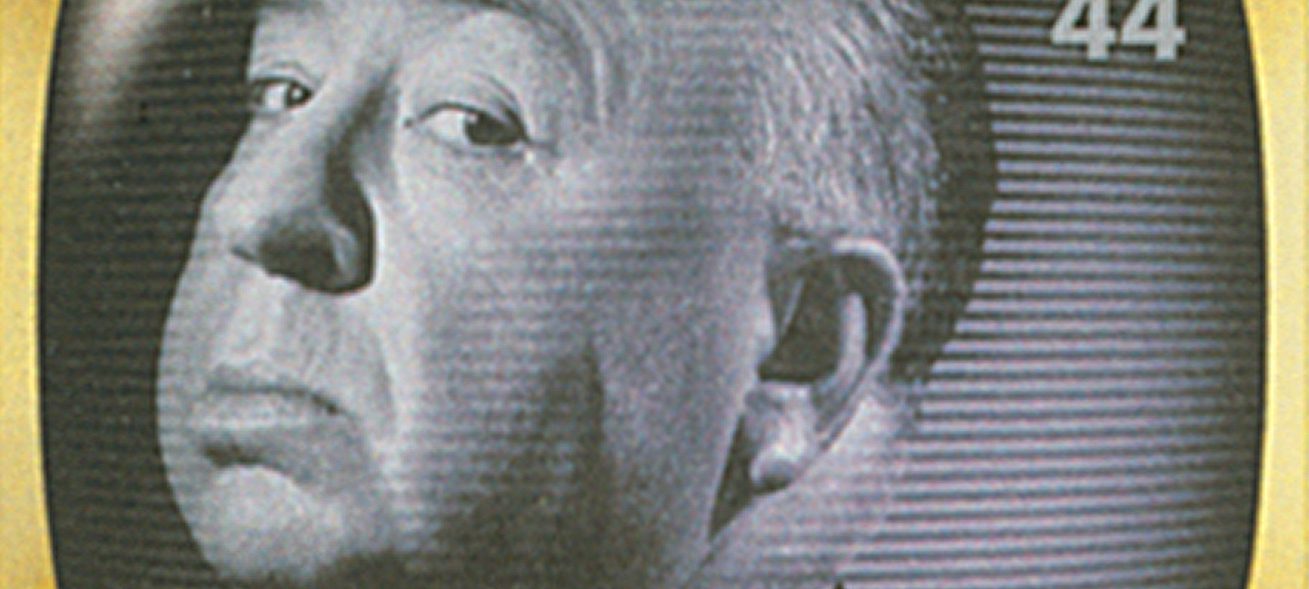
Alfred Joseph Hitchcock, later known as Sir Alfred Hitchcock, was born on August 13, 1899, in Leytonstone, Essex, England. Over the next eight decades, the son of a London greengrocer became the “Master of Suspense,” directing films such as Psycho, Rear Window, Vertigo, and The Birds.
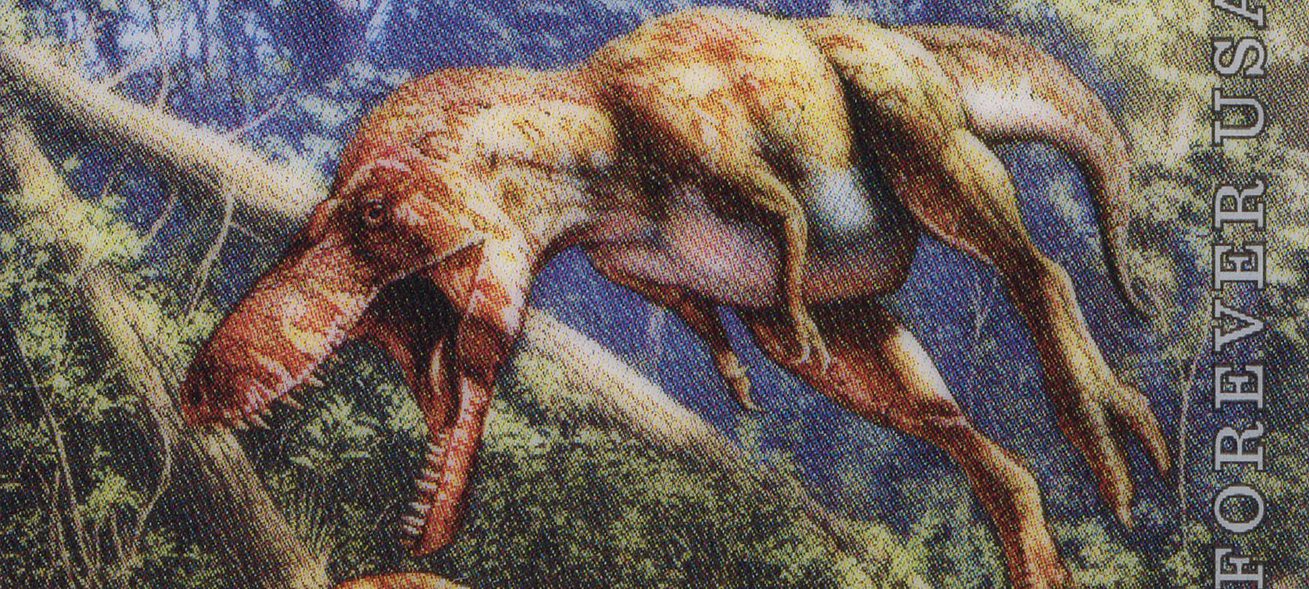
While searching for fossils in South Dakota, fossil hunter Sue Hendrickson made a colossal discovery on August 12, 1990. Bones protruding from an eroded bluff proved to be part of an exceptionally complete Tyrannosaurus rex, soon known simply as Sue.
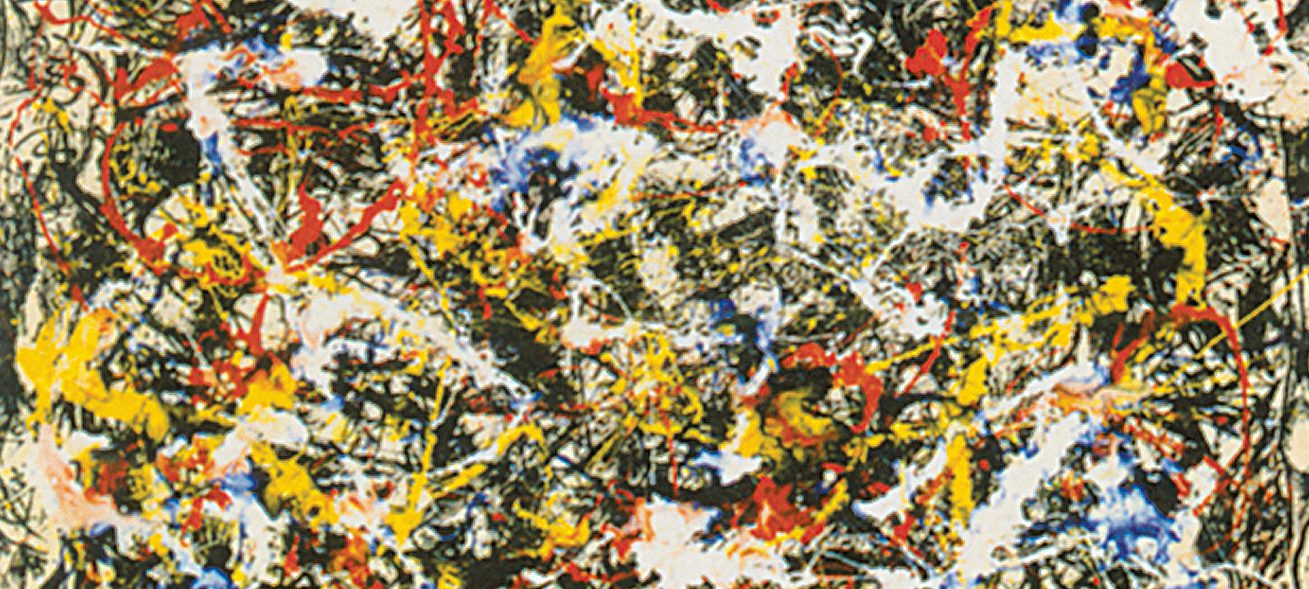
Jackson Pollock died on August 11, 1956, in Springs, New York, at age 44, after a career that had made his unconventional painting methods famous far beyond the art world. In less than two decades, he moved from Depression-era government art projects to the center of the emerging Abstract Expressionist movement.