
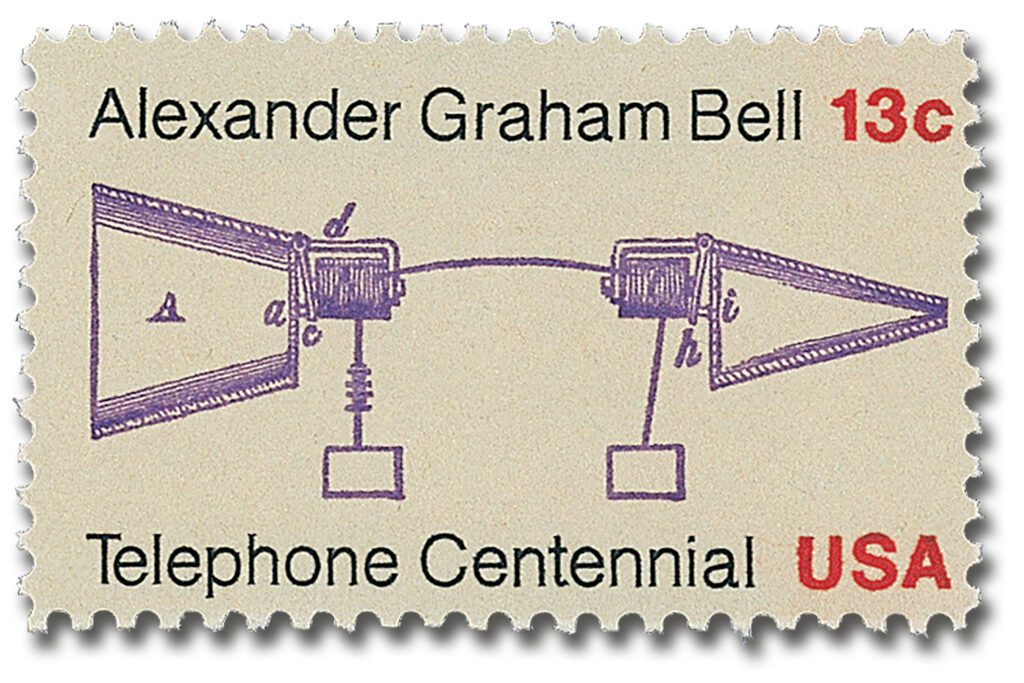
On March 27, 1884, the first long-distance telephone call between New York and Boston proved that voices could travel hundreds of miles over a wire. That single connection helped shift the telephone from a local novelty into a system capable of linking entire regions.
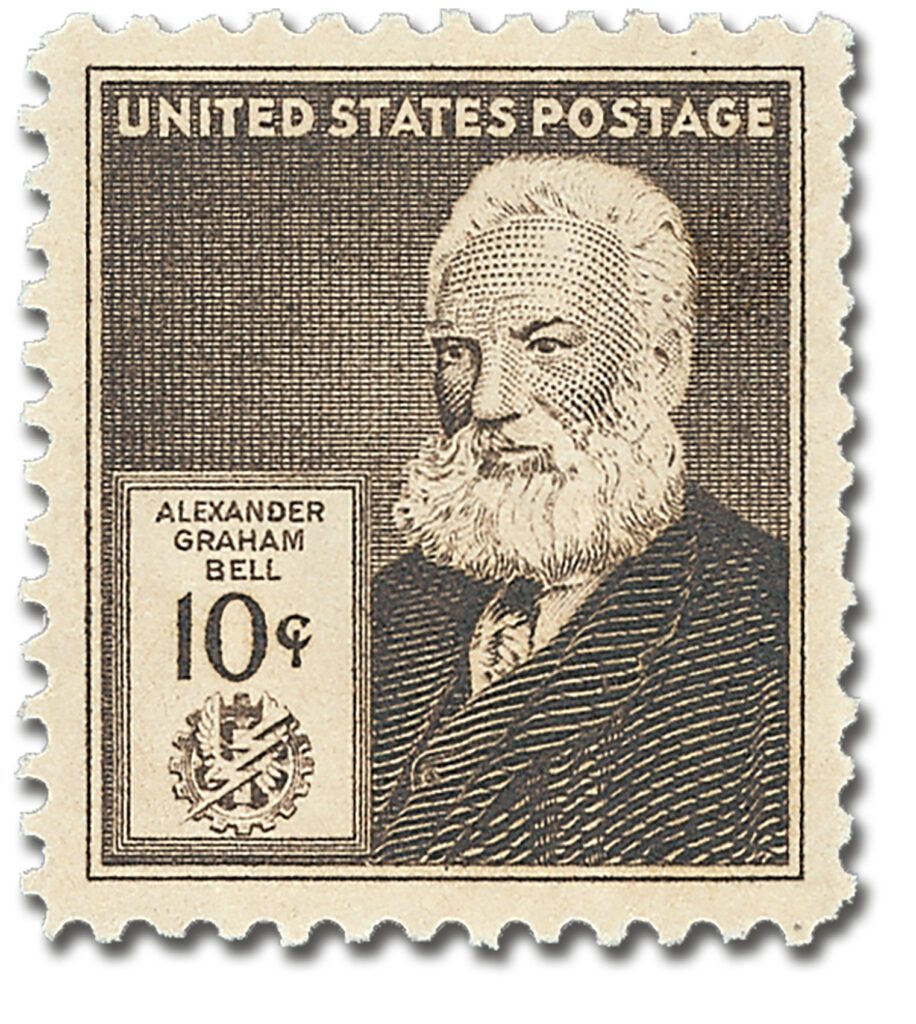
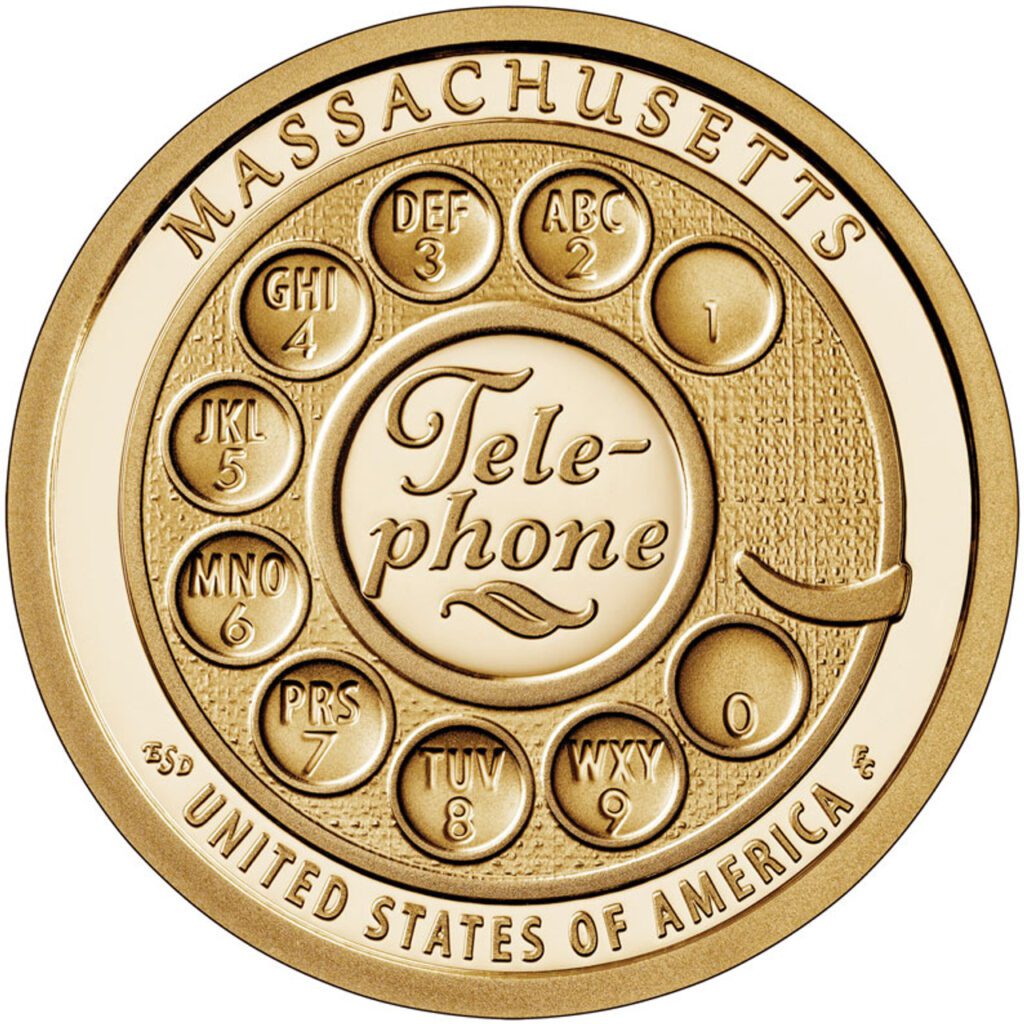
The story began just eight years earlier. In March 1876, Alexander Graham Bell received a patent for his telephone, a device that could convert sound into electrical signals and back again. On March 10, 1876, he made his first successful call to his assistant, Thomas Watson, famously saying, “Mr. Watson—come here—I want to see you.” The message traveled only a short distance, but it demonstrated that speech could be transmitted clearly through wires.
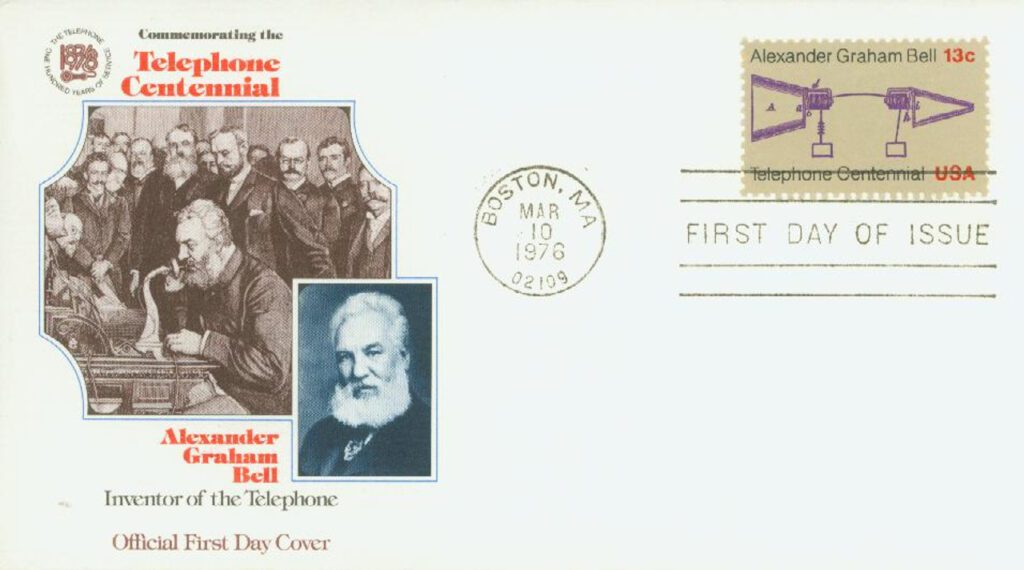
Bell quickly began promoting his invention. In June 1876, he presented the telephone at the Centennial Exposition in Philadelphia. Visitors, including scientists and investors, were impressed by the device’s ability to carry the human voice. Newspapers reported on the demonstration, helping spread awareness of the telephone across the country. Still, most early users saw it as a tool for short distances, useful within a single building or between nearby locations.
Later that summer, Bell expanded the range of his invention. In August 1876, he made one of the first two-way long-distance calls between Brantford and Paris, Ontario, a distance of about six miles. While modest by later standards, it showed that the technology could go beyond a single room or street. Even so, the idea of connecting major cities remained uncertain.
In the early 1880s, the Bell Telephone Company began exploring that possibility. Engineers proposed building a line between New York and Boston, two major commercial centers about 235 miles apart. The project required new materials and methods. Earlier telephone lines often used iron wire, which weakened signals over distance. For the New York–Boston line, engineers chose copper wire, which conducted electricity more efficiently and allowed clearer transmission.
The project was expensive and risky. The estimated cost was about $70,000, a large sum at the time. Some company officials doubted the value of the effort. One reportedly said he would not accept the line even as a gift. There were also technical challenges. Signals weakened as they traveled, and there was no electronic amplification yet. Engineers had to carefully design the line to reduce loss and interference.
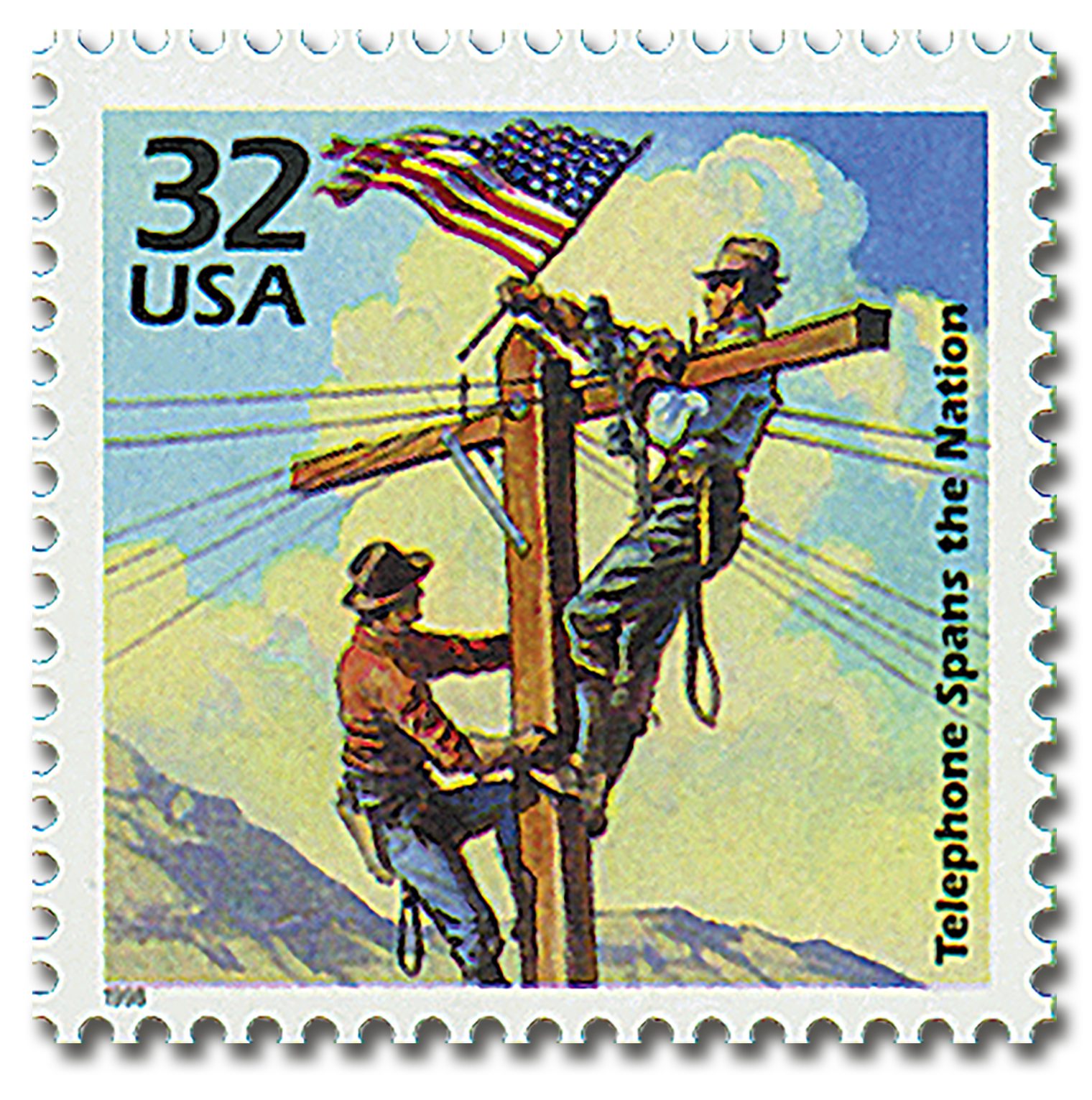
Despite these concerns, construction moved forward. Crews strung hundreds of miles of copper wire across poles and through varied terrain. Each section had to be connected and tested. On March 27, 1884, the final coil of wire was put in place. Soon after, the first official call was completed between New York and Boston. The voices carried clearly enough to prove the concept.
The success of that call changed how people viewed the telephone. It showed that communication was no longer limited by city boundaries. Businesses could coordinate across states. News could travel faster. Families separated by distance could stay in touch more easily. The telephone began to take on a new role as a tool for regional and eventually national connection.
Progress continued quickly. In 1892, a line was completed between New York and Chicago, spanning about 950 miles. This required further improvements in materials and circuit design to maintain signal quality. By the early 20th century, engineers introduced loading coils and other innovations that strengthened long-distance transmission.
In 1915, a major milestone was reached when the first transcontinental telephone line connected New York and San Francisco, a distance of about 3,600 miles. On January 25, 1915, a ceremonial call marked the opening. Alexander Graham Bell, in New York, spoke once again to Thomas Watson, who was in San Francisco. Their exchange echoed their first call nearly 39 years earlier, but this time across an entire continent.
Later that same year, another breakthrough followed. A radiotelephone system transmitted voice signals across the Atlantic Ocean, linking Virginia to Paris. Unlike wired calls, this used radio waves to carry the signal over open water. It demonstrated that long-distance communication could extend beyond land-based lines.
| FREE printable This Day in History album pages Download a PDF of today’s article. Get a binder or other supplies to create your This Day in History album. |
Discover what else happened on This Day in History.
It jus occurred to me that company called “Pacific Bell†came from Alexander Graham Bell ??
Wow ? I learned something new again. Thank you.
I remember Ma Bell very well. Then she sponsored Baby Bells. Quite a force in the development of communication.
Stamps are exciting. They bring news of America’s growth and ingenuity. Who Ray for stamps.