Happy Birthday Babe Ruth
George Herman “Babe” Ruth was born on February 6, 1895, in Baltimore, Maryland. One of the sports world’s most famous players, he set and broke numerous records during his career and is a legend of baseball.


George Herman “Babe” Ruth was born on February 6, 1895, in Baltimore, Maryland. One of the sports world’s most famous players, he set and broke numerous records during his career and is a legend of baseball.
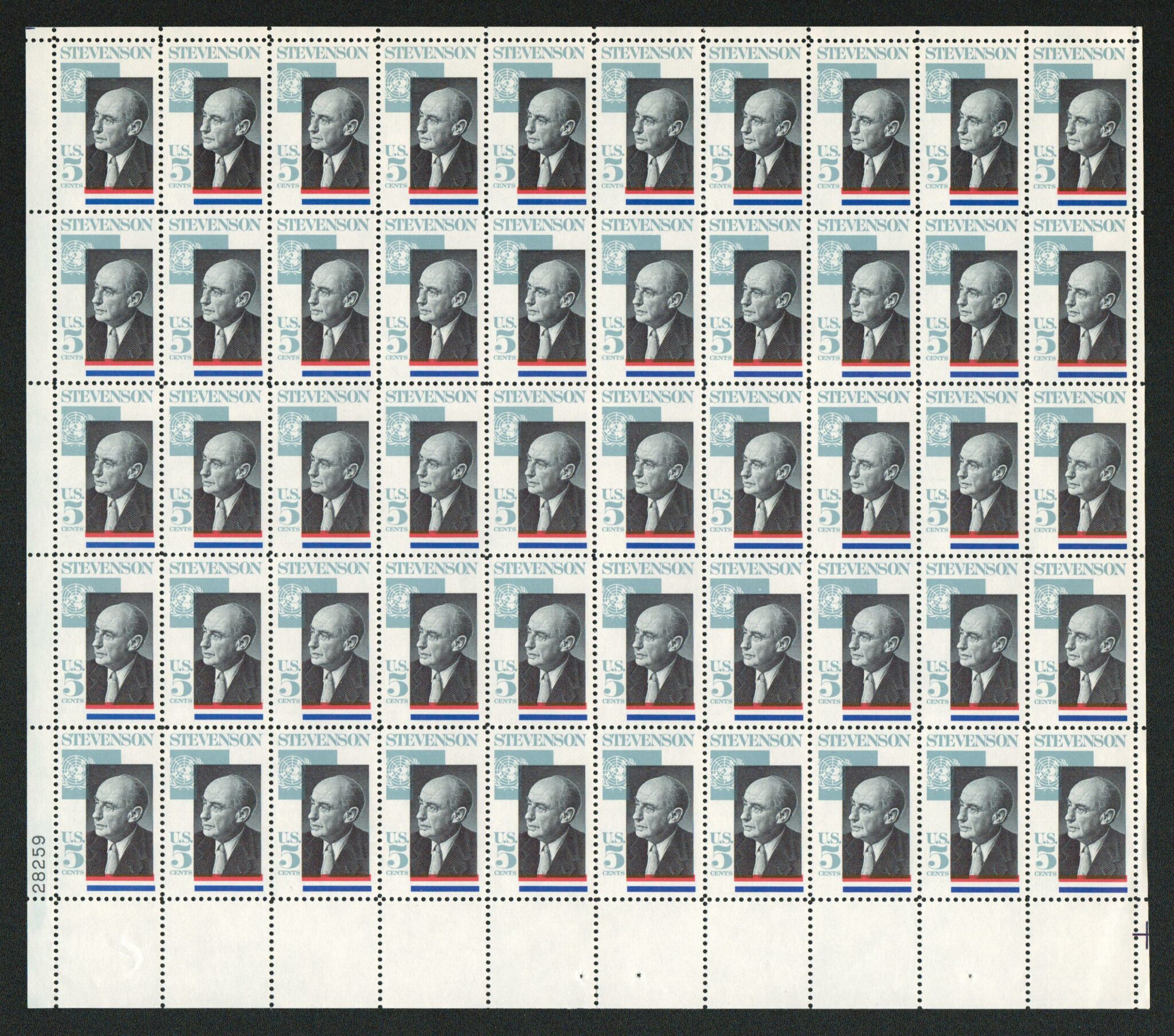
Politician Adlai Stevenson II was born on February 5, 1900, in Los Angeles, California. He was a popular governor of Illinois and US ambassador to the United Nations.

Aviation pioneer Charles Augustus Lindbergh was born on February 4, 1902, in Detroit, Michigan. He was the first person to fly solo non-stop across the Atlantic Ocean and helped to promote and expand aviation and airmail.

Newspaper publisher Horace Greeley was born on February 3, 1811, in Amherst, New Hampshire. His newspapers championed a number of causes, including abolition, temperance, railroads, and westward expansion.
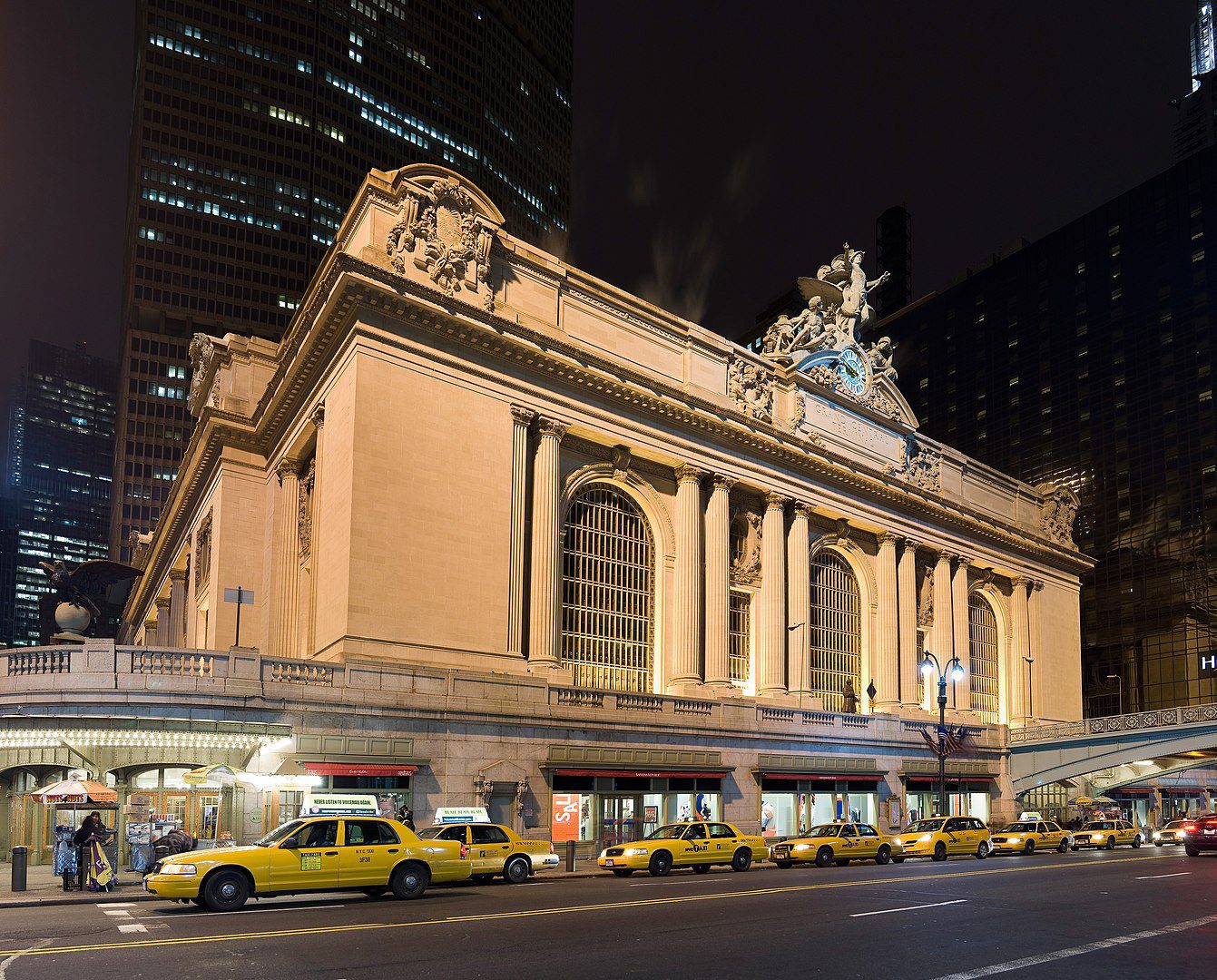
At 12:01 a.m. on February 2, 1913, Grand Central Terminal officially opened in New York City. Today it’s the third busiest train station in North America and has more platforms than any other in the world, with 44.

On February 1, 1942, Voice of America provided its first international broadcast. It provided important news and entertainment throughout the war and is still in operation today.
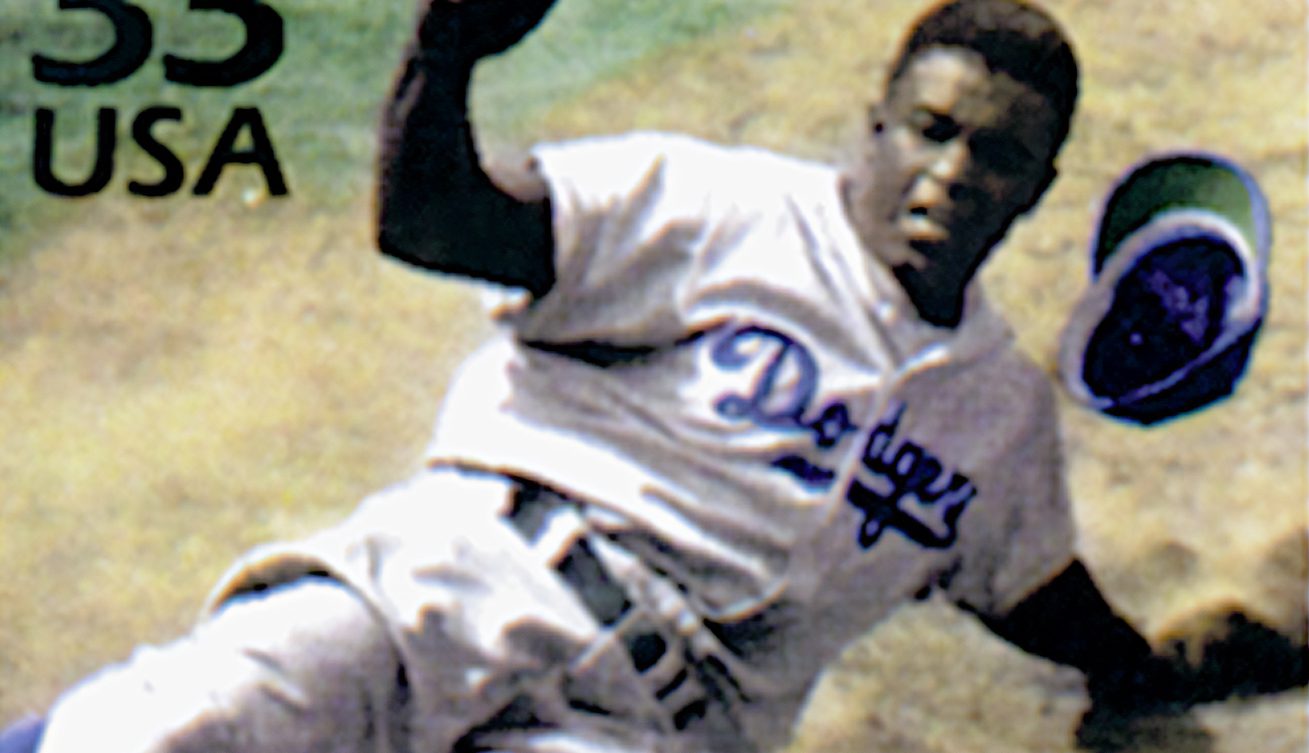
Baseball legend Jackie Robinson, who was born on January 31, 1919, in Cairo, Georgia. He was the first African American baseball player in the major leagues and had an impressive decade-long career that earned respect and admiration.
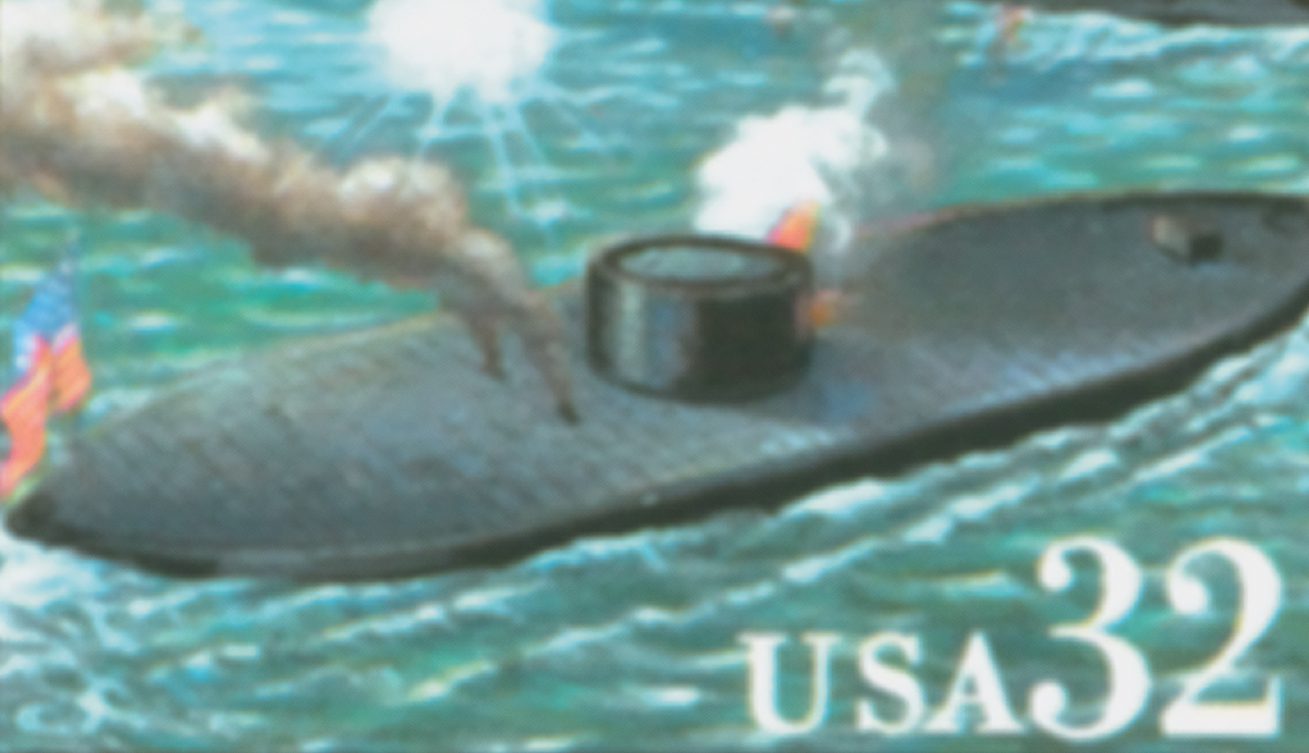
On January 30, 1975, the USS Monitor National Marine Sanctuary was established off the coast of North Carolina. It was America’s first national marine sanctuary created under the Marine Protection, Research, and Sanctuaries Act, passed three years earlier.
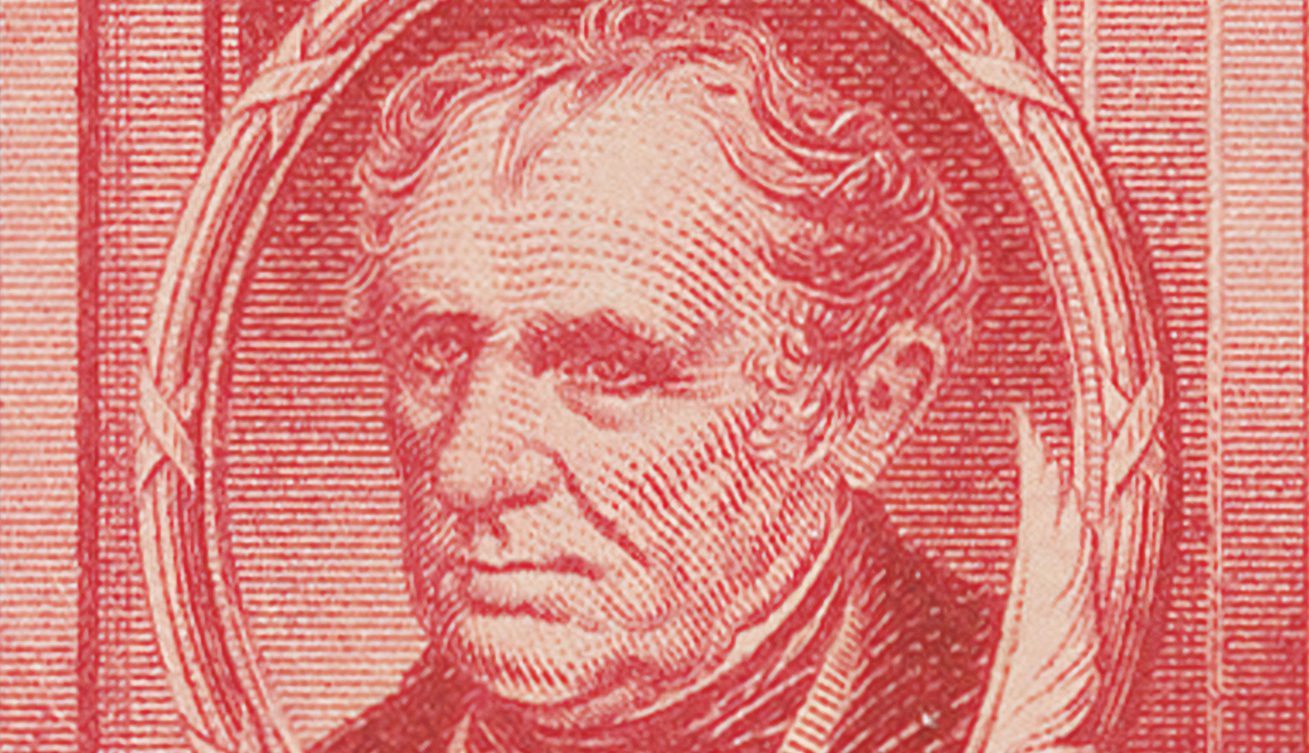
On January 29, 1940, the US Post Office Department issued the first stamps in the Famous Americans Series. It honors 35 Americans from 7 professions based on recommendations submitted by the public.