Birth of Everett Dirksen
Statesman Everett McKinley Dirksen was born on January 4, 1896, in Pekin, Illinois. He later emerged as a central figure in shaping bipartisan legislation in the US Senate.
On January 5, 1972, President Richard Nixon signed legislation authorizing the creation of America’s first space shuttle, the “world’s first reusable spacecraft.”
Statesman Everett McKinley Dirksen was born on January 4, 1896, in Pekin, Illinois. He later emerged as a central figure in shaping bipartisan legislation in the US Senate.
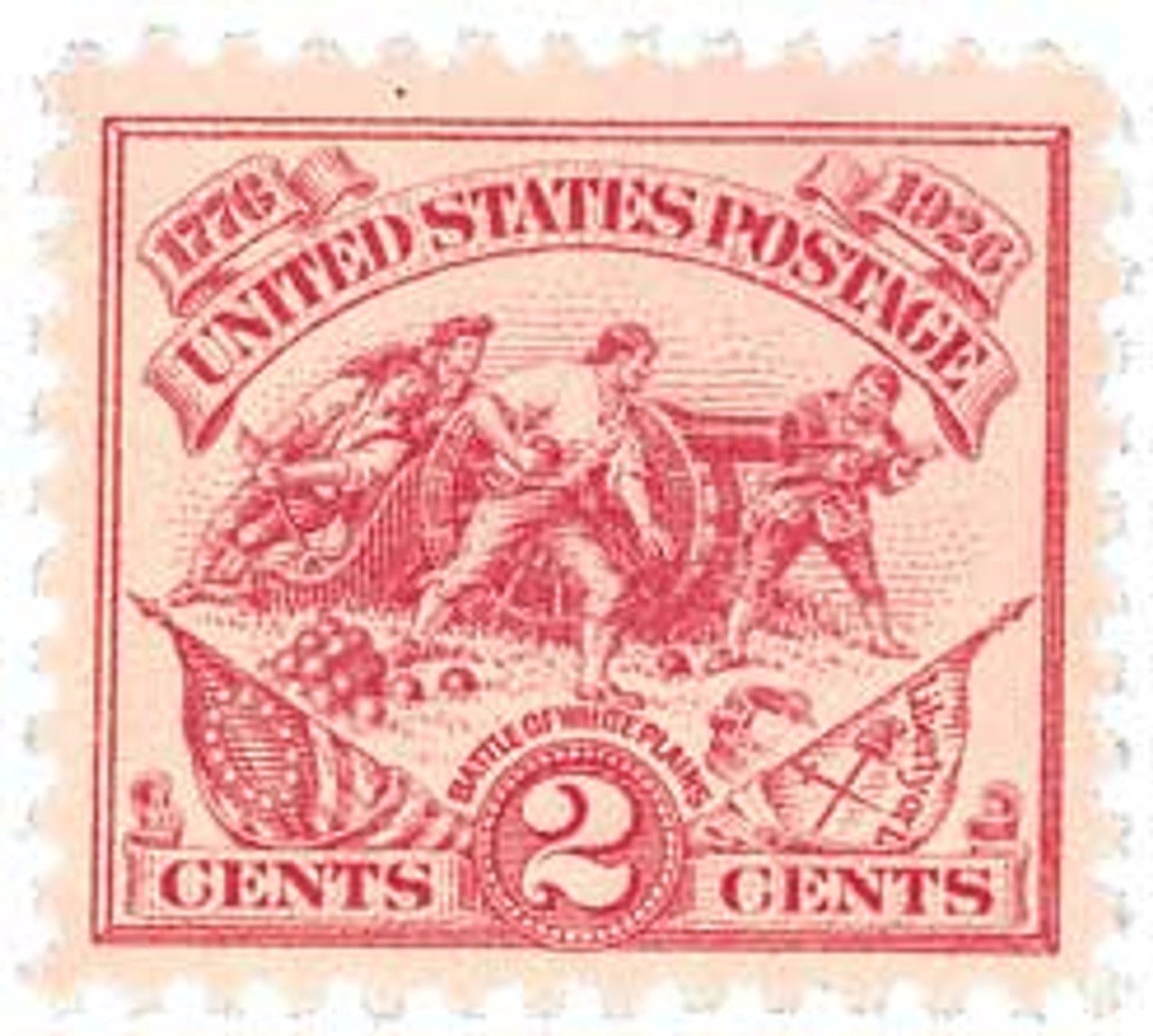
On January 3, 1777, General George Washington earned one of the most important victories of the American Revolutionary War at the Battle of Princeton in New Jersey. Although small in size compared to later battles, the victory came at a critical moment when the Continental Army was struggling, and it helped change the course of the war by restoring American confidence and weakening British control in the region.
Oscar Devereaux Micheaux was born on January 2, 1884, in Metropolis, Illinois—and he would grow up to change American film forever. As an author, director, and producer, Micheaux became a pioneering voice in early cinema, creating films that challenged racial stereotypes and told powerful Black stories at a time when few such voices were allowed on screen.
On January 1, 1856, the United States Post Office made a change that permanently transformed how Americans sent mail. Beginning on that date, all domestic letters were required to be prepaid using postage stamps. Although the Post Office had first begun selling stamps on July 1, 1847, their use had remained optional for nearly ten years. By making stamps compulsory, the federal government created a more efficient, reliable, and modern postal system suited to a rapidly growing nation.
On October 11, 1968, NASA launched Apollo 7, the first crewed mission of the Apollo program. The success of Apollo 7 would prove to be a crucial turning point, restoring faith in NASA’s ability to send humans safely to the Moon.
On July 26, 1971, Apollo 15 was launched, bringing the fourth American crew to the Moon’s surface. Apollo 15 would become the first of three extended missions to the moon, known as K missions. The mission was more focused on science than previous landings had been. It also marked the first use of the lunar rover.
On June 29, 1995, the US Space Shuttle Atlantis docked the Russian space station Mir for the first time. The mission, STS-71, was the third in the US/Russian Shuttle-Mir program. It began on June 27, 1995, when the Atlantis launched from Kennedy Space Center in Florida. This was the 100th US human space launch from Cape Canaveral.
On February 20, 1962, John Glenn became the first American to orbit the Earth aboard his Friendship 7 capsule.
On January 5, 1933, America’s 30th President, Calvin Coolidge, died suddenly of a heart attack. He’d led the nation through the notable economic growth of the Roaring Twenties.
On January 5, 1933, the four-year construction of the Golden Gate Bridge began in San Francisco Bay. It was the longest suspension bridge in the world at the time and has been called a “Wonder of the World” structure.
Botanist and inventor George Washington Carver died on January 5, 1943, in Tuskegee, Alabama. Carver worked to help poor Southern farmers and is most famous for developing more than 300 uses for peanuts, earning the nickname, “Peanut Man.”
Stephen Decatur Jr. was born on January 5, 1779, in Sinepuxent, Maryland. The youngest man in the navy to reach the rank of captain, Decatur was a hero of the War of 1812 and the Barbary Wars.
Love history?
Subscribe to get This Day in History stories straight to your inbox every day!