
Mystic Stamp Learning Center
Every stamp has a story. Explore the history, learn the hobby, and get your questions answered.
Top Stories and Guides
-
Pokémon Stamps: Gotta Catch ’Em All
-
The Legendary Graf Zeppelin
-
Oliver Hazard Perry and the Battle of Lake Erie
-
Wildlife on Stamps: Small Canvases, Big Stories
-
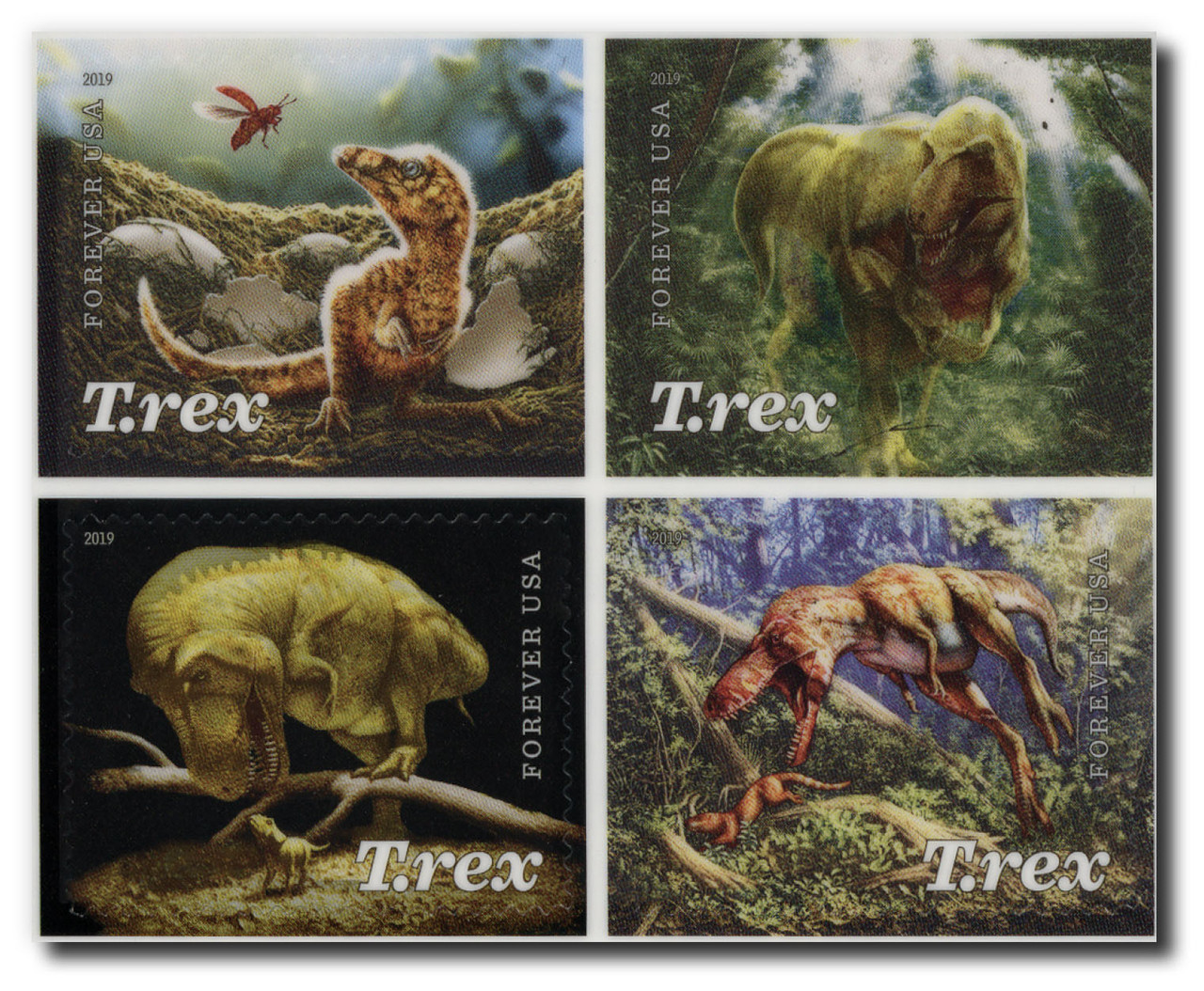
Dinosaurs Come to Life on Stamps
-
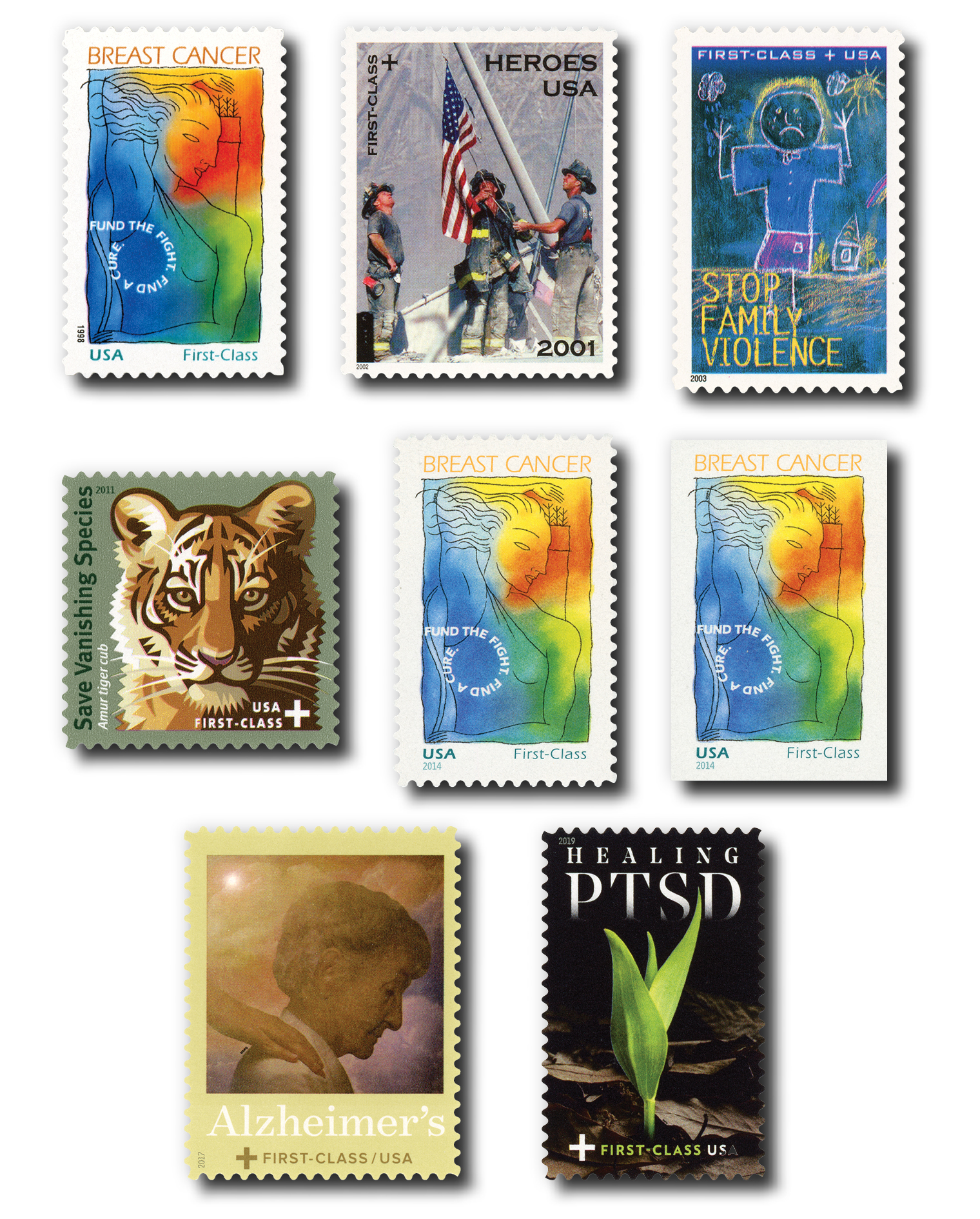
Semipostals: Stamps With a Cause
-
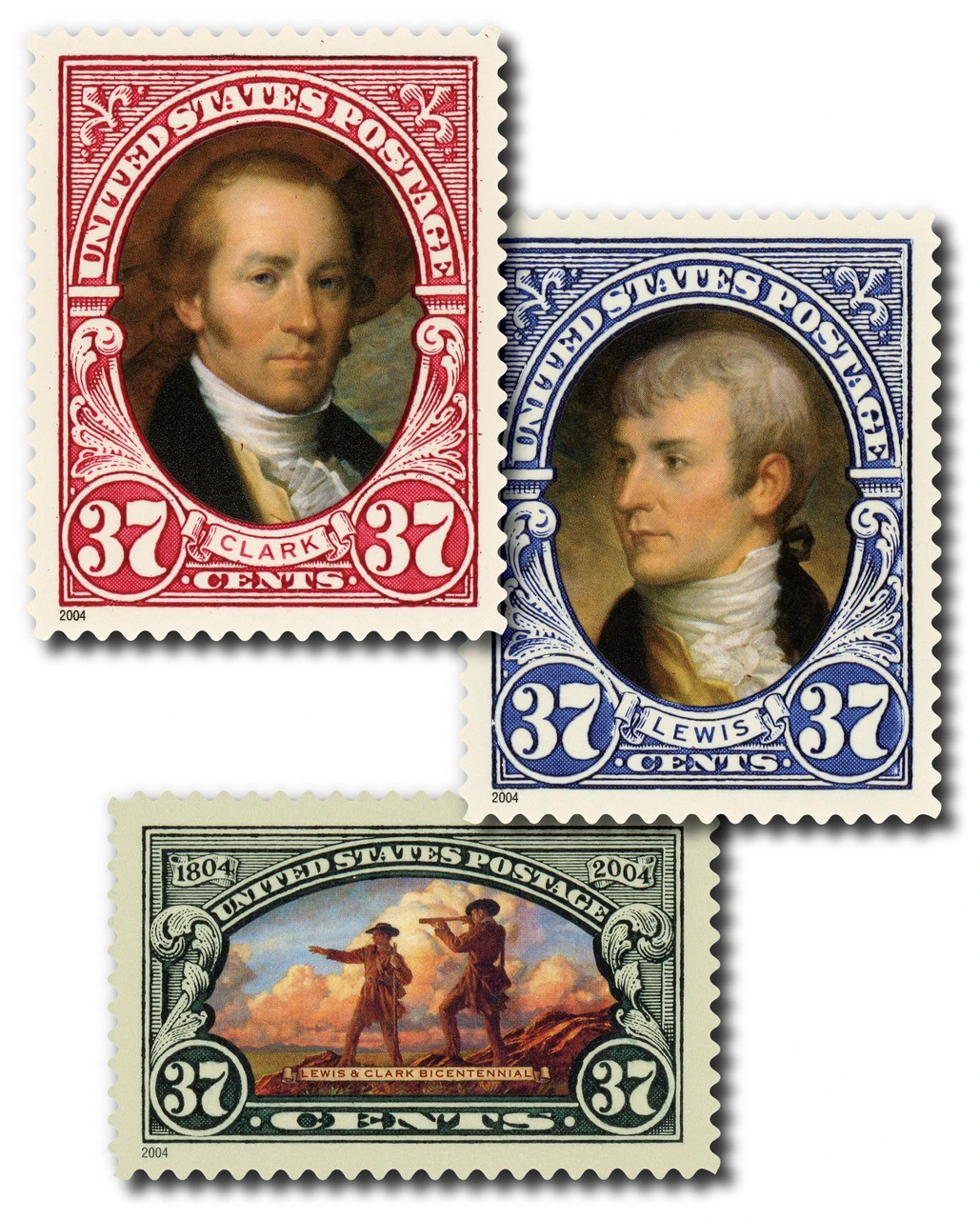
The Journey That Opened the American West
-
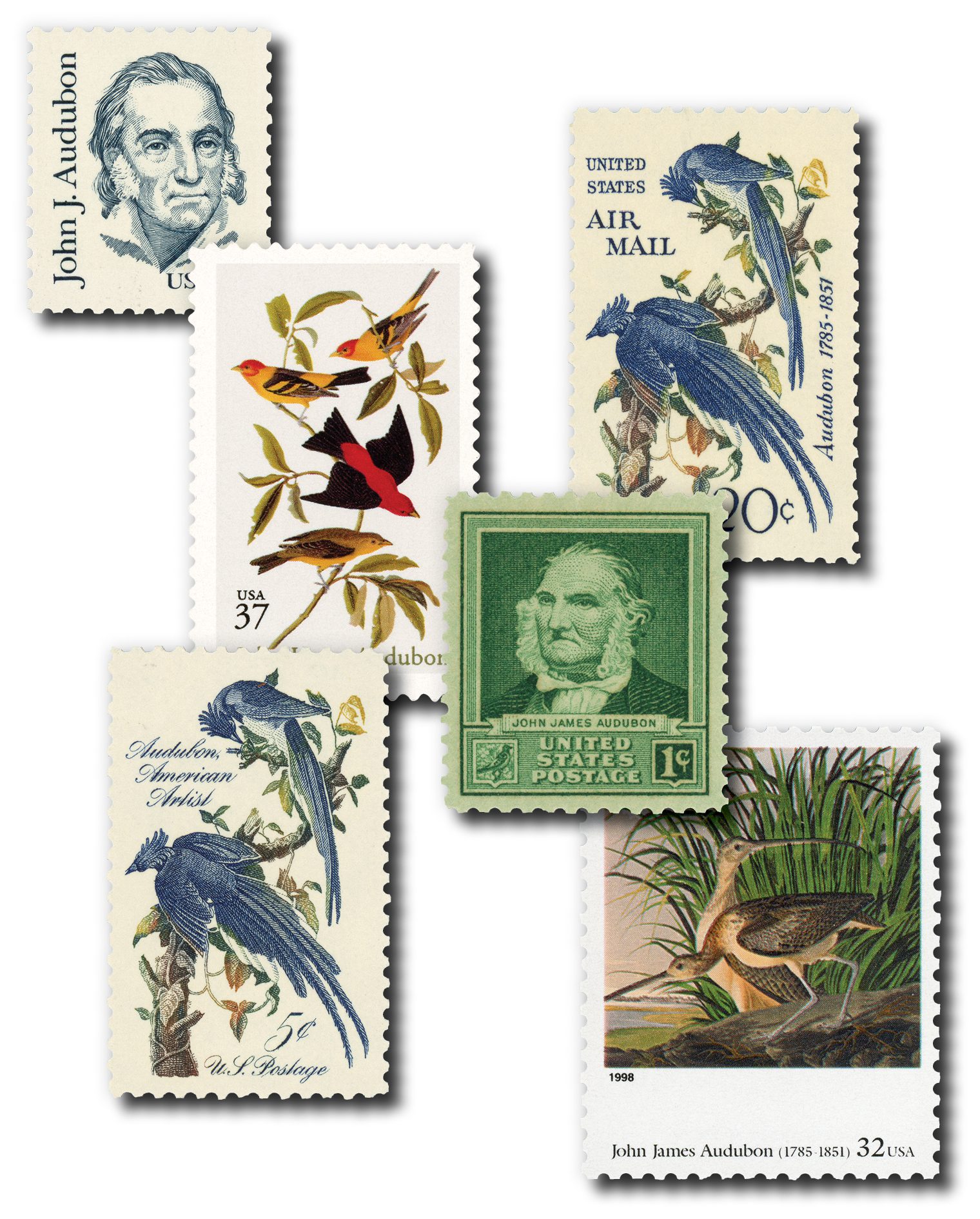
Discover the Beauty of Bird Stamps and the Legacy of John James Audubon
New to Collecting? Start Here!

Stamp Collecting News
-
August 24, 2026
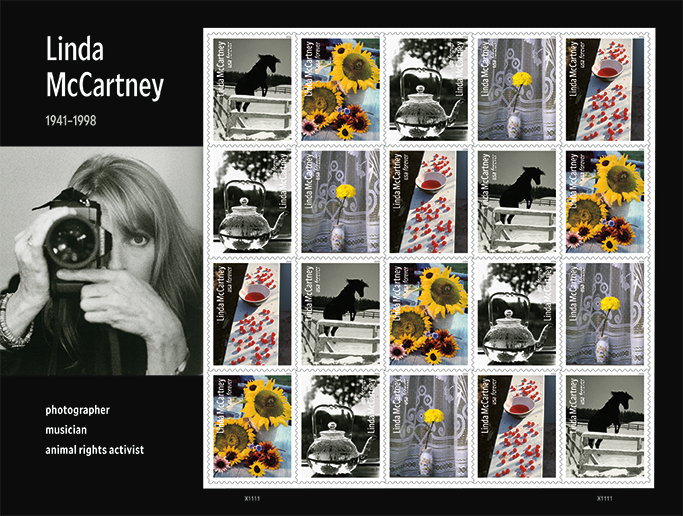
Postal Service to Honor Photographer and Activist Linda McCartney
The US Postal Service will commemorate the art and life of Linda McCartney (1941–1998), a pioneering photographer and animal rights… -
June 29, 2026
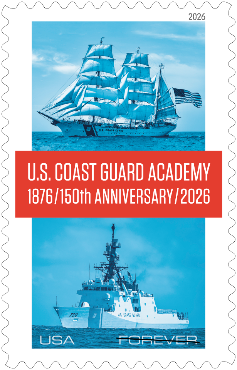
USPS Announces Additional Stamps for 2026
The US Postal Service announced on June 29 several new stamp issues to be released later in this year. These… -
May 24, 2026
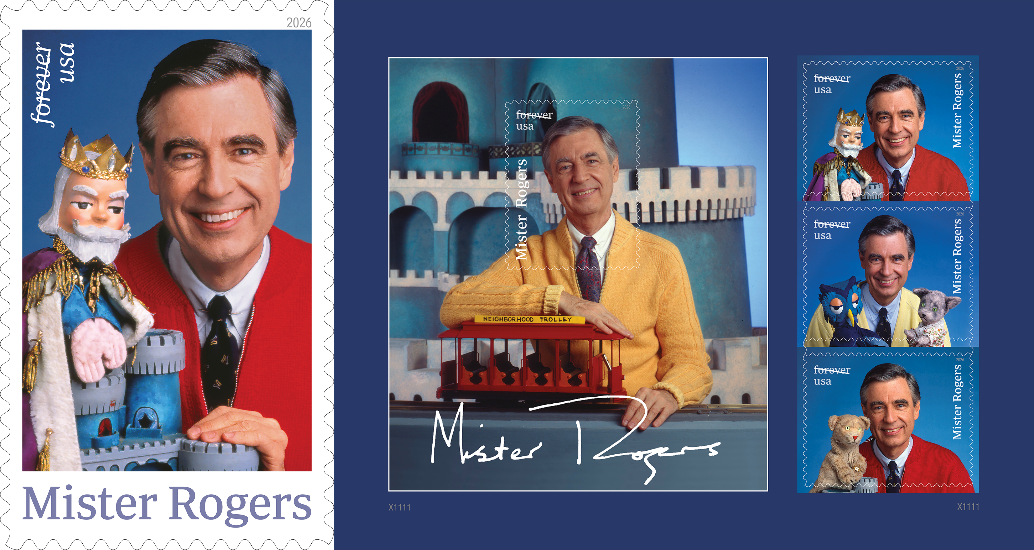
Welcome Back to the Neighborhood, Mister Rogers
Sunday, May 24, at the Boston 2026 World Exposition, the Postal Service announced the winner of its Stamp Encore contest:… -
May 12, 2026
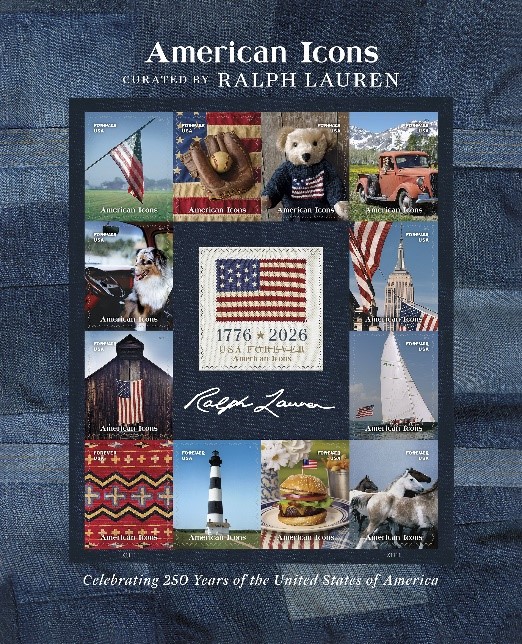
U.S. Postal Service to Honor Nation’s 250th Anniversary With American Icons Stamps Curated by Ralph Lauren
The US Postal Service (USPS) announced on May 12th that it will honor the nation’s 250th anniversary with the release… -
May 1, 2026
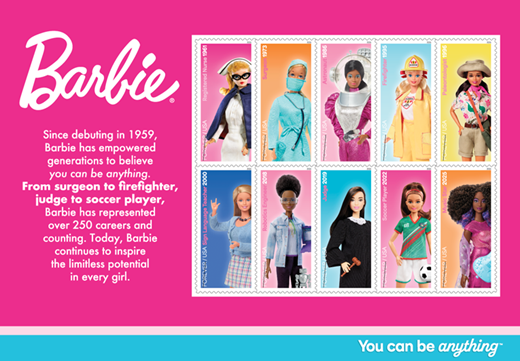
Barbie To Be Celebrated With New Stamps
Barbie commemorative stamps will be released on July 11, during the 2026 National Barbie Doll Collectors Convention in Austin, TX…. -
March 31, 2026
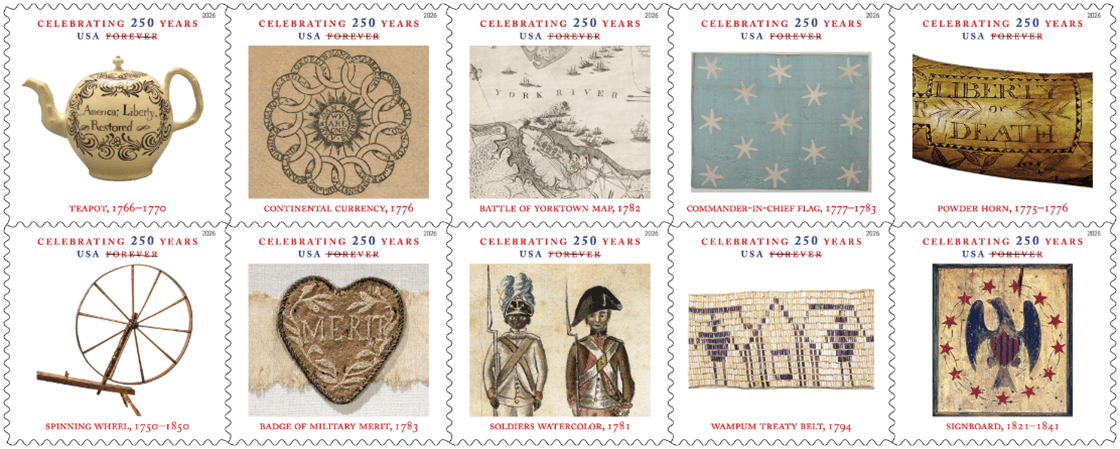
USPS Announces Stamp Issues for World Stamp Show
The US Postal Service announced on March 31 the stamp issues that will be premiered at the Boston 2026 World Exposition,…
-
October 24, 2026
Birth of Sonny Terry
Born on October 24, 1911, Saunders Terrell became Sonny Terry, a blues harmonica player known for making his instrument sound like trains, hounds, and other voices. After childhood accidents left him blind, he built a career that took him from local churches and dance halls to Carnegie Hall and concert stages around the world.
