

On January 20, 1961, John F. Kennedy took the oath of office on a cold Washington day, while the nation witnessed something entirely new at a presidential inauguration. Standing beside the youthful new president was Robert Frost, America’s most famous living poet, marking the first time poetry became part of the inaugural ceremony.
John F. Kennedy’s inauguration symbolized change. At just 43 years old, Kennedy was the youngest elected president in US history, and his victory signaled a generational shift in leadership. The ceremony took place during the tense years of the Cold War, when Americans were deeply concerned about nuclear weapons, communism, and the country’s role in the world. Kennedy’s inaugural address would become one of the most famous speeches ever delivered by an American president, remembered especially for the line, “Ask not what your country can do for you—ask what you can do for your country.” Yet another historic moment unfolded that day, one that blended politics with art in a way never seen before.

For the first time, a poet was invited to take part in a presidential inauguration. Robert Frost, then 86 years old, was already a literary legend. He had won four Pulitzer Prizes and was widely admired for poems that explored rural life, nature, and American identity. Kennedy admired Frost not only for his poetry but also for what he represented: a deep connection between culture, history, and national values. By inviting Frost, Kennedy sent a clear message that art and intellect had an important place in public life.
Frost planned to read a poem he had written specifically for the occasion, titled “Dedication.” However, the bitter cold and bright sunlight caused problems. The glare made it difficult for Frost to see the typed pages, and the wind flipped the paper in his hands. Rather than struggle through the new poem, Frost chose to recite one he knew by heart, “The Gift Outright.” This poem reflected on America’s early history and the idea of the nation fully committing itself to its own identity. The moment was unplanned, but it became one of the most memorable parts of the ceremony.


The choice of “The Gift Outright” carried powerful meaning. The poem speaks about America’s land and the long process of truly owning and understanding it. Lines about dedication and commitment echoed the themes Kennedy would emphasize in his speech: responsibility, service, and sacrifice. Even though Frost could not read the poem he had prepared, his recitation fit the spirit of the day and underscored the connection between America’s past and its future.
Kennedy’s decision to include Frost was part of a broader vision. He believed that the arts mattered in shaping a strong and thoughtful society. During his presidency, Kennedy often spoke about the importance of writers, artists, and thinkers. He later hosted events at the White House celebrating poets, musicians, and scholars, famously calling the gathering of artists one of the greatest collections of talent ever assembled there—except when Thomas Jefferson dined alone. The inauguration set the tone for this cultural respect.
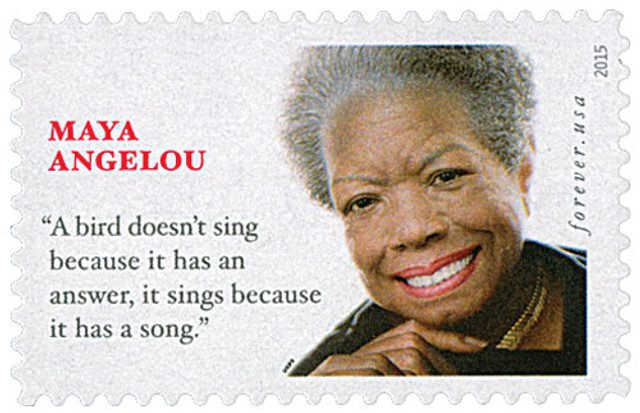
The presence of poetry at the inauguration also changed expectations for future ceremonies. While not every inauguration has included a poet, Frost’s appearance opened the door for literature to play a role in national events. In 1977, Jimmy Carter invited James Dickey, marking a return to poetry after a long gap. Bill Clinton later featured poets twice, with Maya Angelou in 1993 and Miller Williams in 1997, both of whom spoke to themes of history, hope, and national unity. In 2009, Barack Obama invited Elizabeth Alexander, and in 2013 Richard Blanco read at his second inauguration. In 2021, 22-year-old Amanda Gorman read at Joe Biden’s inauguration, showing how the tradition that began with Robert Frost continues to give voice to America’s values through poetry.
Click here to watch Frost read his poem at JFK’s inauguration.
Click here to view “Dedication” and click here to read “The Gift Outright.”
| FREE printable This Day in History album pages Download a PDF of today’s article. Get a binder or other supplies to create your This Day in History album. |
Discover what else happened on This Day in History.