
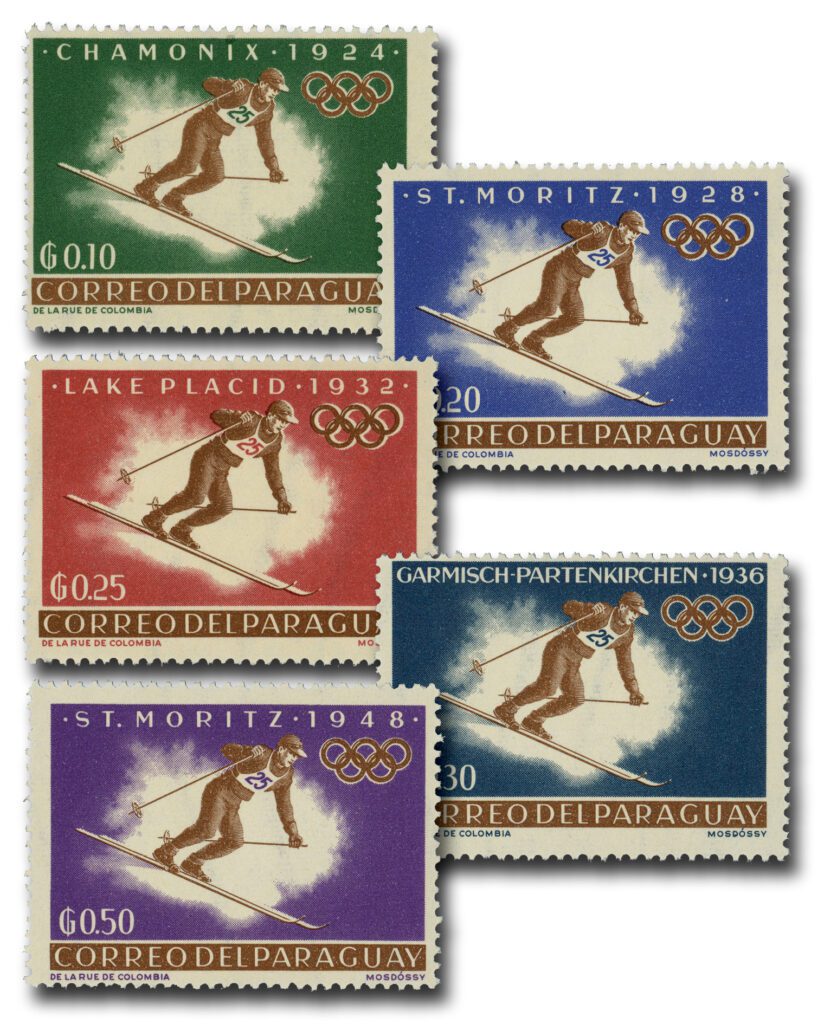
On January 25, 1924, the first-ever Winter Olympic Games opened in Chamonix, France, bringing together athletes from across the globe to compete on snow and ice. These historic games laid the foundation for a new Olympic tradition, showcasing winter sports in a way never done before.
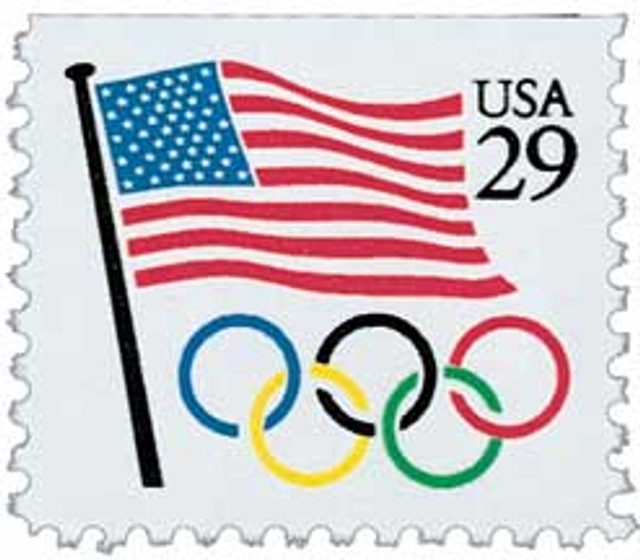
The idea for the Winter Olympics emerged from the growing popularity of winter sports in Europe and North America in the early 20th century. The International Olympic Committee (IOC) had recognized that ice skating and skiing events were increasingly popular, but these competitions had previously been included only sporadically in the Summer Olympics. In 1924, the IOC officially decided to host a separate winter festival of sport, originally called “International Winter Sports Week,” which later retroactively became known as the first Winter Olympics.
Chamonix, located in the French Alps, was chosen as the host city, offering natural terrain for skiing, bobsledding, and other outdoor events. The games lasted from January 25 to February 5, 1924, featuring 258 athletes—247 men and 11 women—representing 16 nations. These nations included the United States, Norway, Sweden, Finland, France, Switzerland, Canada, Great Britain, Czechoslovakia, and Austria, among others.
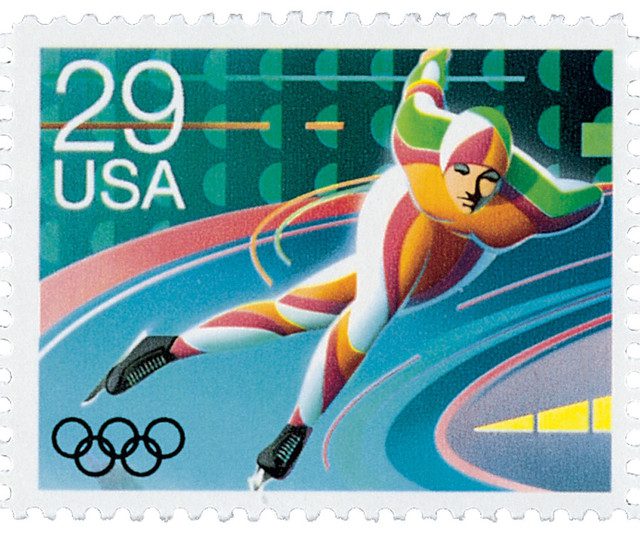
A total of 16 events across six sports were contested: bobsleigh, curling, ice hockey, figure skating, speed skating, and Nordic skiing, which included cross-country skiing, ski jumping, and Nordic combined. Some of these events are no longer part of the Olympic program; for instance, the four-man bobsled event had slightly different formats, and the 18 km cross-country race was unique to these early games.
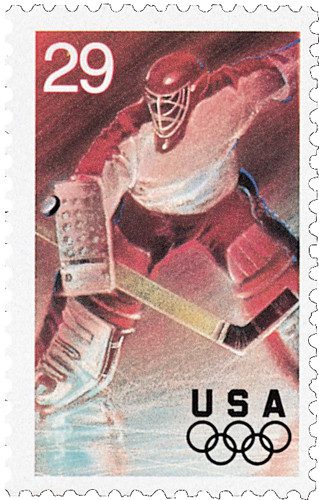
Norway dominated many of the Nordic skiing events, particularly through the efforts of Thorleif Haug, who won three gold medals in cross-country skiing and Nordic combined. Haug’s story took an unusual twist decades later: a clerical error in the ski jumping results meant that the bronze medal had been mistakenly awarded to Haug instead of Anders Haugen of the United States. The mistake was discovered in 1974, and in Oslo, Haug’s daughter presented the correct bronze medal to the then-86-year-old Haugen, almost 50 years after the original competition.
Regrettably for the host nation, of France, their team failed to win a single gold medal, finishing only with three bronze medals. This was the first time in modern Olympic history that the host country did not take home a gold. Meanwhile, the United States and Norway emerged as the top performers, with Norway leading the overall medal count, taking nine golds, four silvers, and five bronzes.
The games also included unique competitions that have since been modified or removed. For example, military patrol—a precursor to the modern biathlon—was part of the program, combining cross-country skiing and rifle shooting. Curling, which returned to the Winter Olympics decades later, was included in 1924 but then disappeared from the official program until 1998. Figure skating events featured both men’s and women’s singles, along with pairs skating, which drew considerable public attention due to the elegance and precision of the athletes.
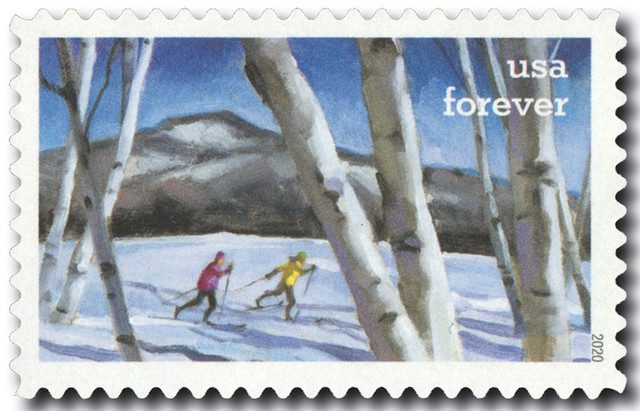
Ice hockey was another standout, with Canada dominating the tournament. The Canadian team, consisting largely of university students, showcased a level of skill and speed that set the standard for future Olympic competitions. Bobsledding events also captured the imagination of spectators, who marveled at the daring and teamwork required to navigate icy tracks at high speed.
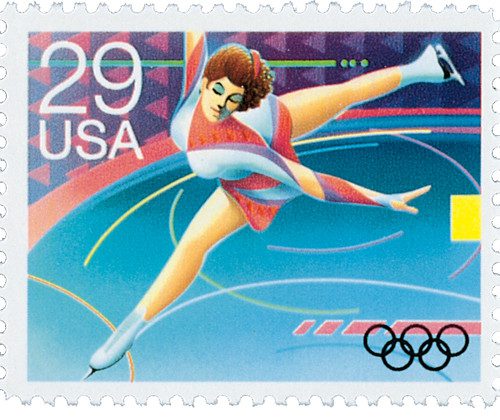
Over the years, the Winter Olympic Games have evolved significantly. Initially, like the 1924 Chamonix Games, the Winter and Summer Olympics were held in the same year, every four years. This changed in 1994, when the IOC decided to stagger the events so that the Winter and Summer Games would alternate every two years, giving each set of athletes its own spotlight and helping winter sports gain more global attention. Today, the Winter Olympics feature more than 100 events, thousands of athletes, and over 90 participating nations.
Click here for more Olympics stamps.
Click here for photos and more about the 1924 Winter Olympics.
| FREE printable This Day in History album pages Download a PDF of today’s article. Get a binder or other supplies to create your This Day in History album. |
Discover what else happened on This Day in History.