
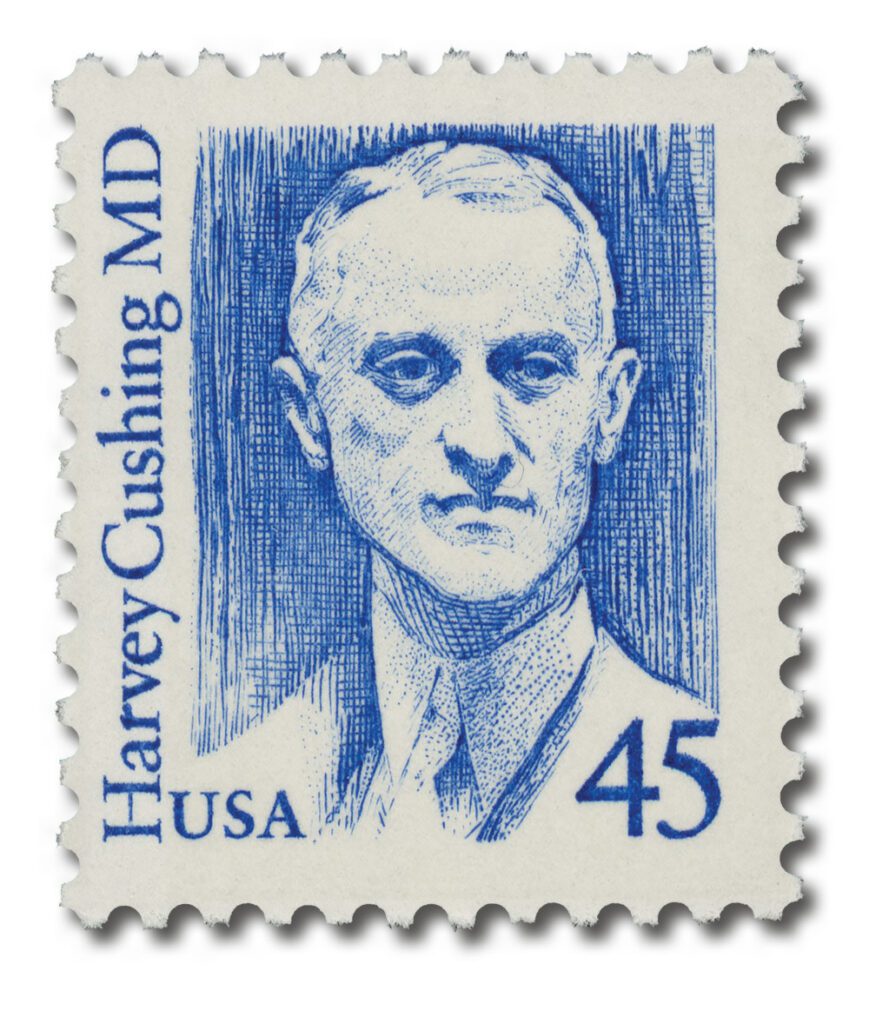
On April 8, 1869, Harvey Cushing was born in Cleveland, Ohio. Cushing would transform brain surgery from a desperate last resort into a disciplined medical science. His careful methods and insistence on precision helped turn survival in the operating room from chance into expectation.
Cushing was born into a long line of physicians. His father and grandfather were both doctors, and medicine was a familiar part of daily life. Cushing attended Yale University, where he earned his undergraduate degree in 1891. He then entered Harvard Medical School, graduating in 1895. During his training, he showed a strong interest in surgery and a willingness to adopt new techniques that others were slow to accept.
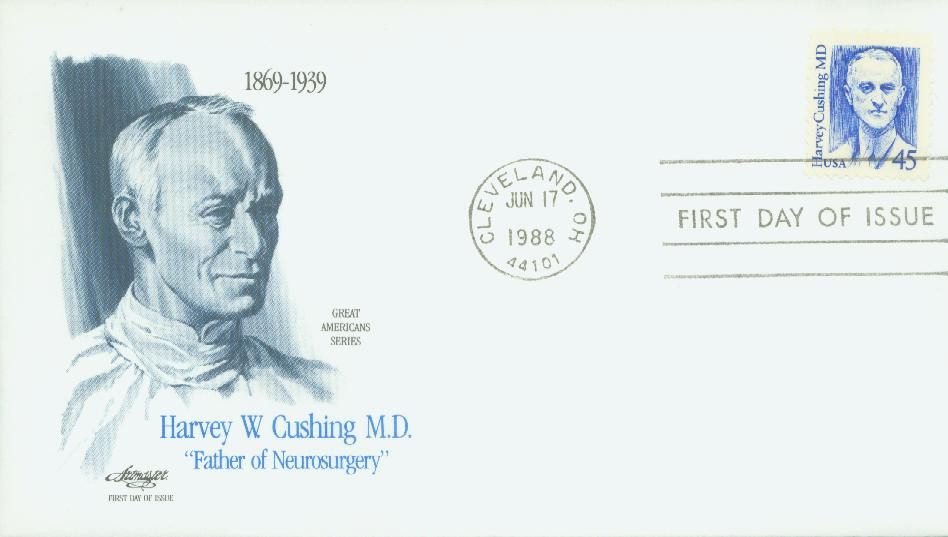
After medical school, Cushing trained at Johns Hopkins Hospital in Baltimore under the renowned surgeon William Halsted. Hopkins was one of the leading centers of medical innovation in the United States. There, Cushing learned strict surgical discipline. Halsted emphasized sterile technique, careful handling of tissue, and precise control of bleeding. These principles became central to Cushing’s own work.
At the time, brain surgery was extremely dangerous. Many patients died during or shortly after operations, often from blood loss or infection. Surgeons had limited understanding of the brain’s structure and function. Cushing set out to change that. He focused on improving surgical methods step by step, rather than relying on bold but risky procedures.
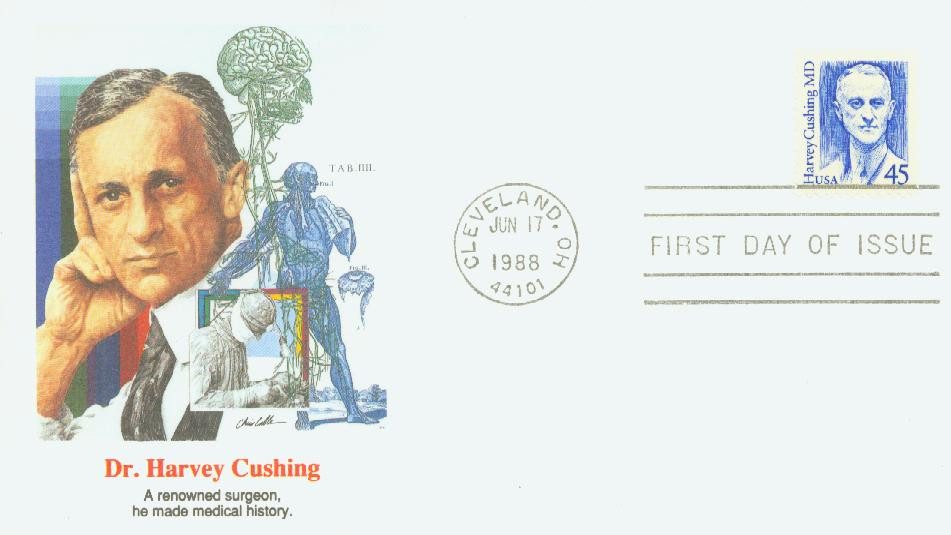
One of his most important contributions was his attention to controlling bleeding during brain operations. Even small amounts of blood could obscure the surgical field and lead to fatal complications. Cushing refined techniques to minimize blood loss. He also helped introduce the routine use of blood pressure monitoring during surgery, working with colleagues to improve anesthesia practices. These changes allowed surgeons to better understand a patient’s condition during an operation.
Cushing became known for his detailed record-keeping. He carefully documented each case, including symptoms, surgical findings, and outcomes. He also made precise drawings of tumors and brain structures. These records allowed him to identify patterns and improve his techniques over time. His work helped establish neurosurgery as a specialized field, separate from general surgery.
In 1912, Cushing published a major study on tumors of the pituitary gland, a small but important organ at the base of the brain. His research clarified how these tumors affected the body, including growth disorders and hormonal imbalances. One condition he described became known as Cushing’s disease, caused by excess production of cortisol due to a pituitary tumor. His findings provided a clear link between the brain and the endocrine system.
During World War I, Cushing served as a surgeon with the US Army Medical Corps. He treated soldiers with severe head injuries, often working under difficult conditions. His experience in wartime further improved his surgical methods, especially in dealing with trauma and infections. He also helped train other surgeons, spreading his techniques beyond the United States.
After the war, Cushing continued his work at Harvard and later at Yale. He trained a generation of surgeons who carried his methods into hospitals across the country. His influence extended beyond the operating room. He emphasized the importance of patient care, careful diagnosis, and long-term follow-up. These practices became standard in modern medicine.
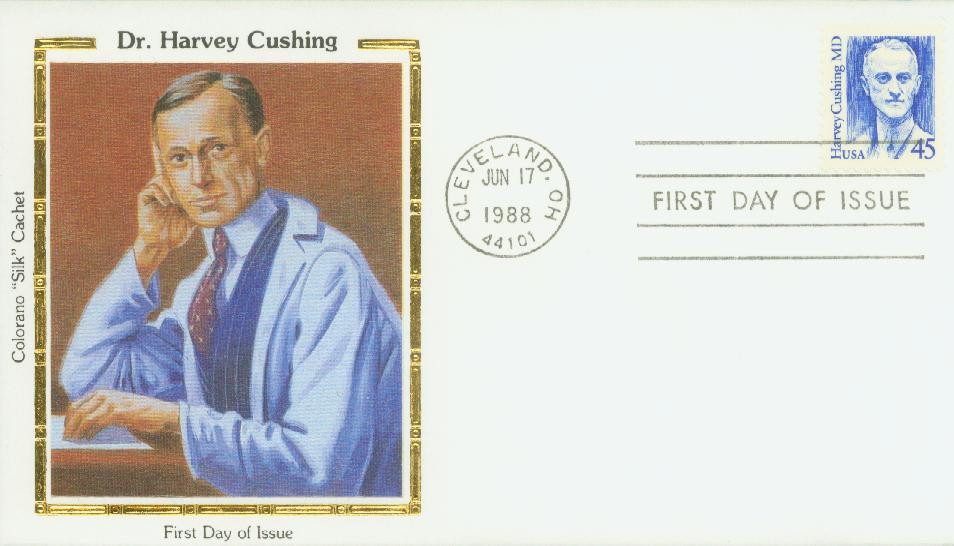
Cushing was also a skilled writer and historian. He wrote a biography of Sir William Osler, one of the most respected physicians of his time. The book won the Pulitzer Prize in 1926. His writing reflected the same attention to detail that defined his surgical work.
By the time of his death in 1939, Harvey Cushing had performed thousands of brain operations. Mortality rates for these procedures had dropped significantly compared to earlier decades. What had once been considered nearly impossible became a recognized and increasingly successful area of medicine.
| FREE printable This Day in History album pages Download a PDF of today’s article. Get a binder or other supplies to create your This Day in History album. |
Discover what else happened on This Day in History.