
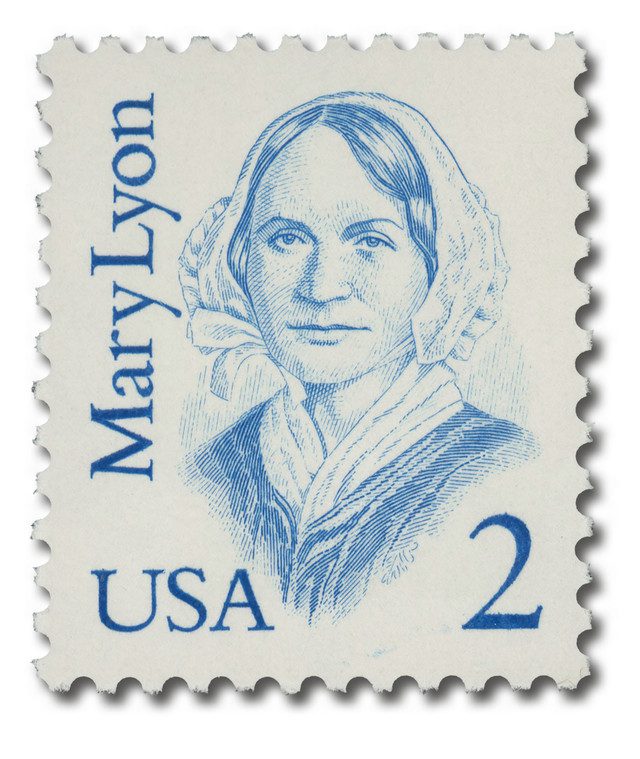
On February 28, 1797, Mary Lyon was born in Buckland, Massachusetts. From a modest New England farm, she would go on to found one of the first institutions in the United States devoted to the higher education of women.
Mary Lyon grew up in a large farming family in western Massachusetts. Her father, Aaron Lyon, died when she was five years old. After his death, the family struggled financially. Mary helped with farm work. She learned to cook, sew, and manage household tasks. Schooling was limited. Rural children often attended classes only a few months each year. Even so, Mary showed strong ability in mathematics and science.
Education for girls in the early 1800s was basic. Most female academies focused on manners, needlework, and simple reading. Advanced subjects such as algebra, chemistry, and philosophy were usually reserved for men. Lyon believed this was wrong. As a teenager, she saved money from teaching in local schools. She used her earnings to continue her studies.
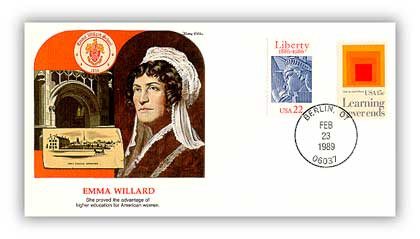
In 1817, she enrolled at Sanderson Academy in Ashfield, Massachusetts. Later, she studied at two important female schools: Byfield Female Seminary and Adams Female Academy. There she worked closely with educator Emma Willard, who supported expanded academic programs for women. Lyon also collaborated with Zilpah Grant, another leader in female education. These experiences shaped her vision for a new kind of school.
By her early 30s, Lyon had become a respected teacher and administrator. She helped improve the curriculum at Ipswich Female Seminary in Massachusetts. She insisted that women should study subjects equal in rigor to those taught at men’s colleges. Students at her schools studied geometry, logic, chemistry, botany, and moral philosophy. Laboratory work was included. Lyon believed hands-on science strengthened critical thinking.
Mary Lyon also focused on cost. Many female academies were expensive and served wealthy families. Lyon wanted education to be affordable for daughters of farmers and ministers. To achieve this, she developed a practical plan. Students would perform domestic labor such as cooking and cleaning. This reduced operating expenses. Tuition could then remain lower than at most schools.
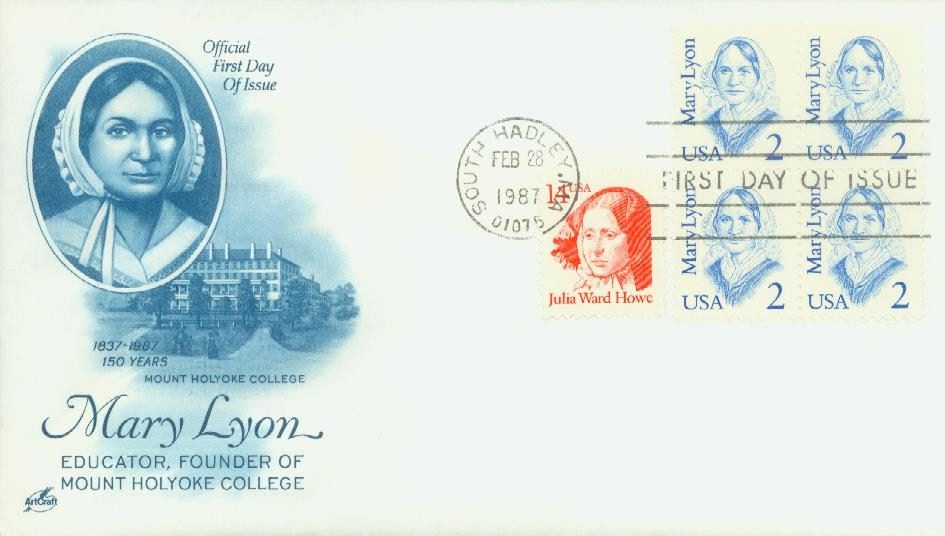
After years of fundraising, Lyon’s vision became reality. In 1837, she opened Mount Holyoke Female Seminary in South Hadley, Massachusetts. The school admitted 80 students in its first class. Each student paid about $60 per year for tuition, room, and board. That figure was significantly lower than similar institutions.
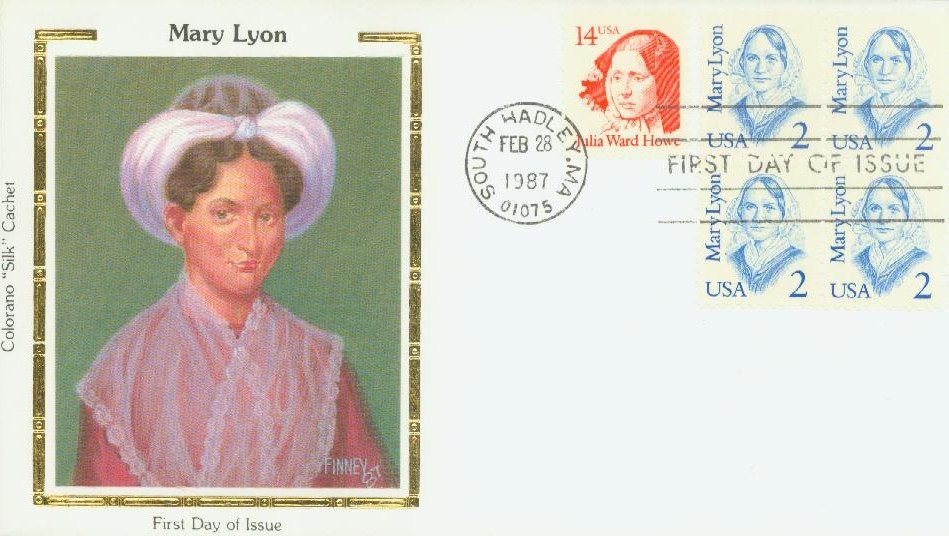
Mount Holyoke’s curriculum was demanding. Students followed a fixed course of study. They attended lectures, completed written assignments, and took examinations. Science classes included laboratory experiments in chemistry and natural philosophy. Lyon herself often taught chemistry. She used demonstrations to explain complex ideas. The seminary required regular study hours and structured daily schedules.

Religious faith also played a central role. Lyon was deeply influenced by the Protestant revival movement of her time. Students attended chapel services and participated in prayer meetings. However, academic standards remained high. The school did not limit intellectual study in favor of religious instruction. Instead, Lyon believed faith and scholarship could support each other.

Mary Lyon’s model influenced women’s education across the United States. Mount Holyoke later became Mount Holyoke College in 1893. It is recognized as the first of the Seven Sisters colleges, a group of elite women’s institutions founded in the nineteenth century. Lyon’s structure of affordable tuition, academic rigor, and student labor was copied by other schools.
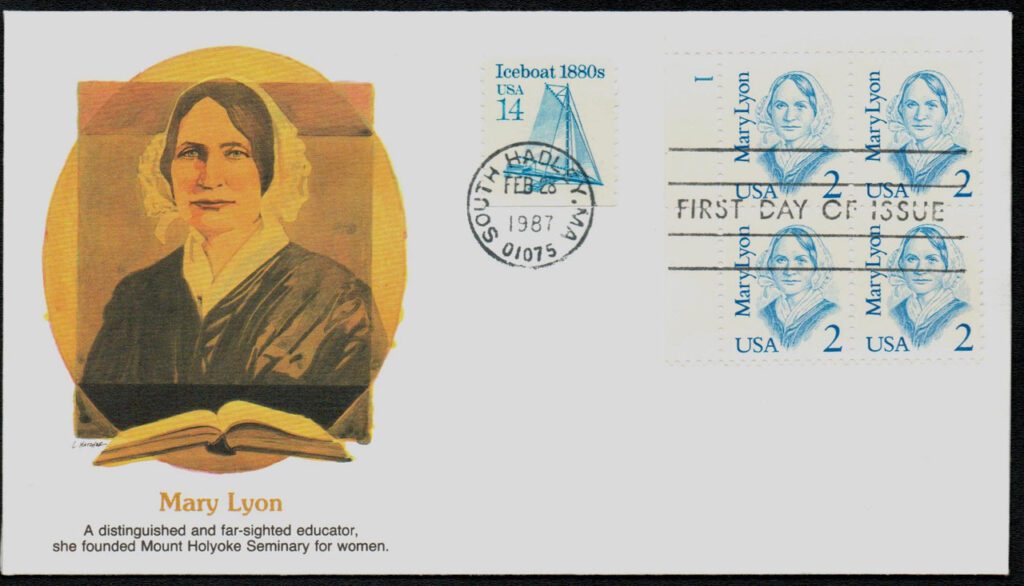
Lyon served as principal of Mount Holyoke until her death. She remained active in teaching and administration. In 1849, a tuberculosis outbreak spread through the seminary. Lyon cared for sick students personally. She contracted the disease and died on March 5, 1849, at age 52.
Lyon’s impact continued long after her death. By the mid-nineteenth century, thousands of women had graduated from Mount Holyoke. Many became teachers, missionaries, and reformers. They carried Lyon’s standards of discipline and scholarship into new communities.
| FREE printable This Day in History album pages Download a PDF of today’s article. Get a binder or other supplies to create your This Day in History album. |
Discover what else happened on This Day in History.
Wonderful article about beginning of institutional education for women. Unfortunately, during WWII women didn’t get credit for their math skills.