
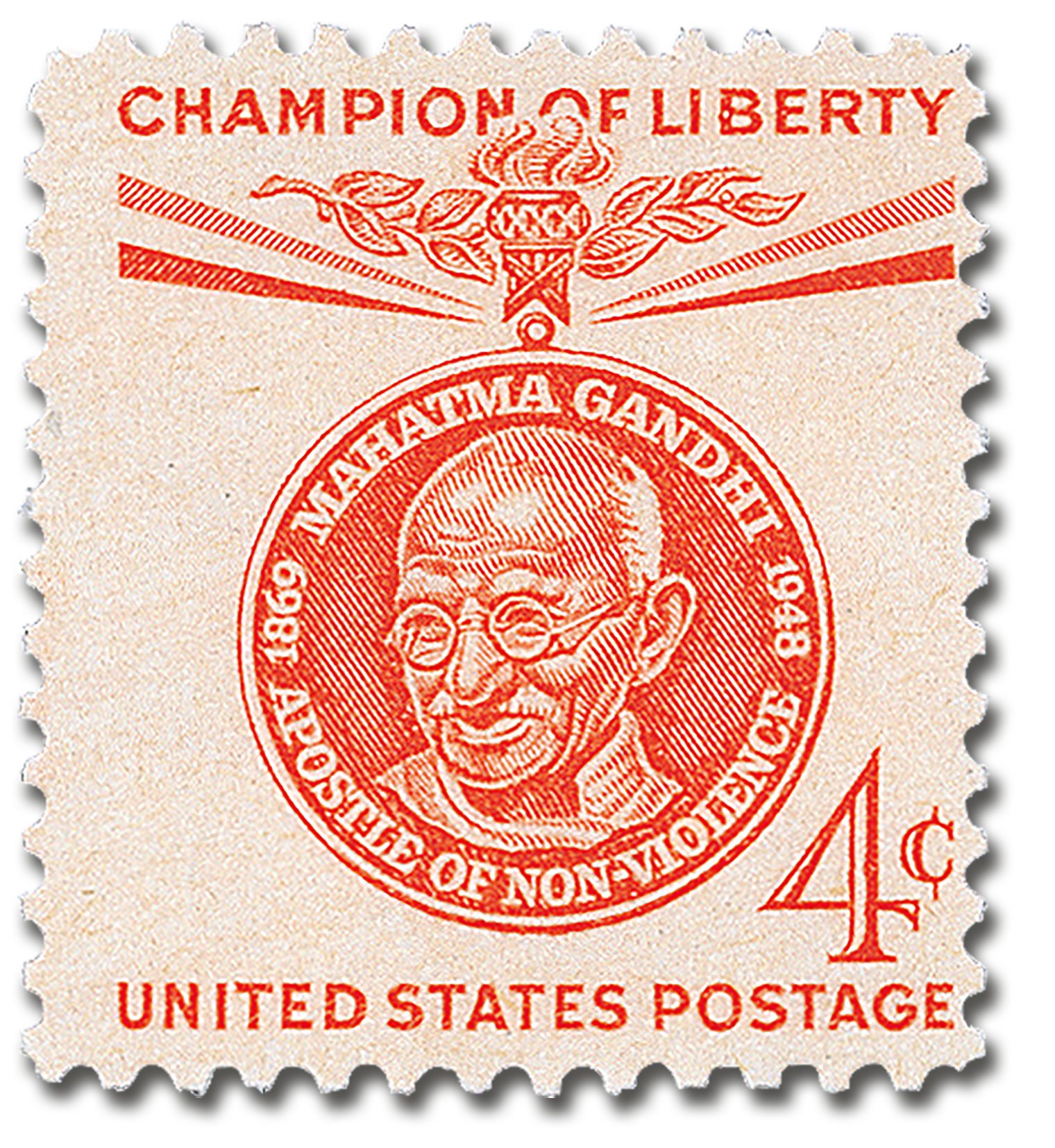
On March 12, 1930, Mahatma Gandhi began a 240-mile march to the sea to protest British control of India’s salt supply. The simple act of picking up a handful of salt would ignite nationwide civil disobedience and draw the world’s attention to India’s struggle for independence.
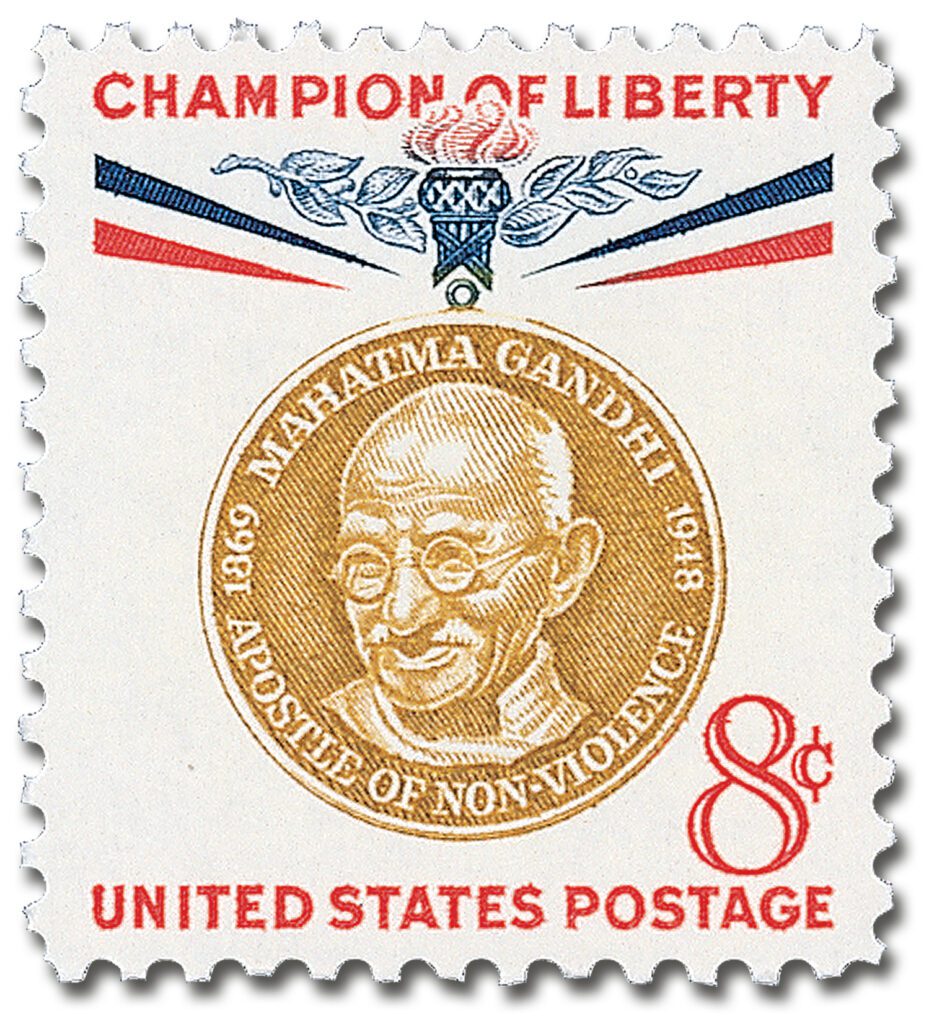
Britain’s Salt Act of 1882 banned Indians from collecting or selling salt, an essential part of their diet. Instead, they were required to buy salt from the British government, which held a monopoly on the product and imposed a heavy tax. The tax fell hardest on the poor, but it affected nearly every Indian household. Gandhi chose salt as the focus of protest because it was something every person needed, regardless of wealth or social status.
Gandhi had discovered his calling in the 1890s while living in South Africa. There he developed his philosophy of nonviolent resistance. Gandhi believed civil disobedience could expose injustice by forcing authorities to confront peaceful opposition willing to endure hardship. In 1906 he launched his first campaign of civil resistance, which he called Satyagraha, meaning “truth and firmness.” The protests challenged discriminatory laws against Indians. Gandhi and hundreds of followers were arrested and briefly imprisoned, but the movement helped secure concessions such as recognition of Hindu marriages and the removal of certain taxes.

Gandhi later emerged as a leading figure in the Indian independence movement. He encouraged Indians to withdraw support from British institutions by refusing government jobs, boycotting British goods, and avoiding colonial schools and courts. He also promoted self-reliance, symbolized by the spinning wheel he used to make his own cloth. The spinning wheel became a powerful symbol of Indian independence and resistance to British economic control.


In 1930 Gandhi turned his attention to the Salt Laws. On March 2 he wrote to Viceroy Lord Irwin, informing him that he intended to break the salt laws in ten days. On March 12 Gandhi and a small group of followers left their religious retreat at Sabarmati Ashram. They began a 24-day, 240-mile march toward the Arabian Sea. Gandhi spoke to large crowds along the route, urging Indians to peacefully resist British rule. Each day the procession grew as more people joined the march. International journalists followed the march closely, and daily newspaper reports carried Gandhi’s protest to readers around the world.
When Gandhi and his followers reached the coastal village of Dandi on April 5, thousands had gathered to witness the act of protest. The next morning, Gandhi walked to the beach and picked up a lump of natural salt left by evaporated seawater. With that simple gesture, he openly violated British law.
The act sparked a nationwide movement. Across India, people began making or collecting their own salt in defiance of the law. Millions joined demonstrations, boycotts, and strikes. British authorities responded with mass arrests. More than 60,000 people were jailed, including Gandhi himself. In May, protesters attempting to raid a government salt works were brutally beaten by police. Reports of the violence spread internationally and generated sympathy for the Indian independence movement.

Gandhi was released from prison in January 1931 and soon met with the viceroy to negotiate a temporary halt to the protests. Later that year he traveled to London to participate in a conference discussing India’s political future, though the talks made little progress. Gandhi continued advocating for independence for the rest of his life. India finally gained independence from Britain in 1947, though Gandhi did not live long to see the new nation’s future unfold. In January 1948, he was assassinated by a Hindu nationalist.
| FREE printable This Day in History album pages Download a PDF of today’s article. Get a binder or other supplies to create your This Day in History album. |
Discover what else happened on This Day in History.
The sad history of great Britain.
I really enjoy these articles! This one was great.
These stamp history info is very cool and interesting.
It was Gandhi’s “peaceful” methods that influenced Martin Luther King Jr. Two of the greatest 20th century leaders who sadly meant an assassins bullet. If they would have lived one can only dream about how much better our world be.