
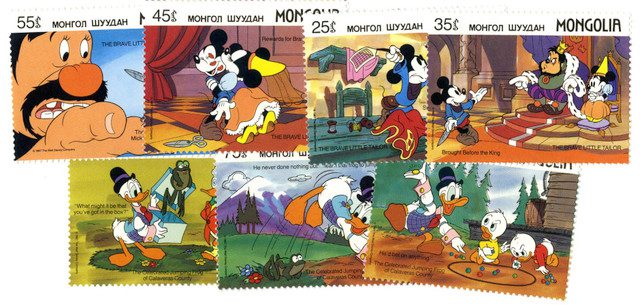
On December 20, 1812, Jacob and Wilhelm Grimm published the first volume of Children’s and Household Tales, a collection that would later become famous around the world as Grimm’s Fairy Tales. What began as a scholarly project to preserve German folklore soon grew into one of the most influential books in literary history.
Jacob and Wilhelm Grimm were born in Germany in the late 1700s and were trained as scholars, not children’s authors. They were deeply interested in language, history, and national identity. At the time, Germany was not yet a unified country, and many thinkers believed that shared stories and traditions could help preserve a common cultural heritage. The brothers were inspired by Romantic-era ideas that valued folk culture, oral storytelling, and the voices of ordinary people. Rather than inventing new tales, the Grimms set out to collect stories that had been passed down by word of mouth for generations.
The brothers gathered their stories from a wide range of sources. Some came directly from peasants and villagers, while others were told by middle-class friends, neighbors, and educated women who had learned the tales in childhood. One important contributor was Dorothea Viehmann, a gifted storyteller who shared many tales from the oral tradition. The Grimms carefully wrote down these stories, often comparing different versions of the same tale before choosing how to present them.
The first 1812 volume contained 86 stories, many of which are still well known today. Among them were early versions of “Hansel and Gretel,” “Rapunzel,” and “The Frog King,” which later became famous as “The Frog Prince.” These stories were darker and more violent than the versions many readers know today. Punishments were harsh, dangers were real, and happy endings were not guaranteed. The Grimms believed that these elements reflected the true nature of the old folk tales and should be preserved.
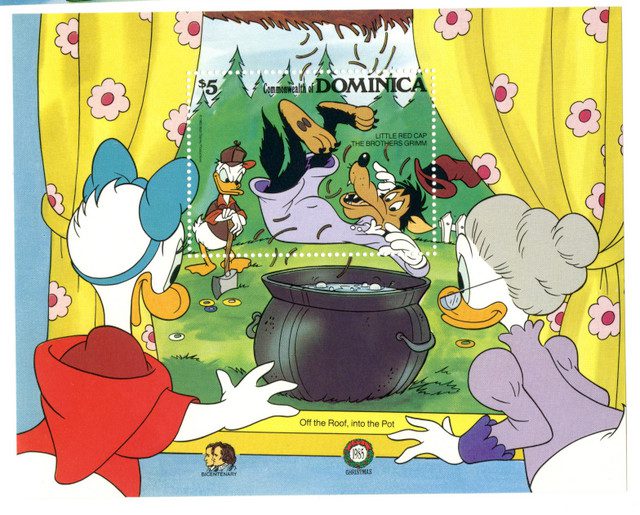
In addition to famous stories, the collection included many lesser-known tales. Stories such as “The Juniper Tree,” a grim and emotional tale involving family betrayal, and “The Six Swans,” about siblings transformed by magic, showed the wide range of themes in folk storytelling. Other tales focused on clever tricksters, talking animals, or moral lessons about honesty, kindness, and hard work. Together, the stories painted a vivid picture of the hopes, fears, and values of everyday people.
Although the book later became associated with children, the first edition was not especially intended for young readers. Critics soon pointed out that some tales were too frightening or inappropriate for families. In response, the Grimms revised later editions. Over time, they softened language, removed sexual references, emphasized Christian morals, and added clearer lessons. As a result, the stories gradually became more suitable for children while still retaining their dramatic power.

The success of Children’s and Household Tales led the brothers to continue expanding their work. A second volume was published in 1815, and several revised editions followed over the next decades. The final major edition, released in 1857, contained 211 fairy tales, along with additional legends in separate collections. While the Grimms did not “write” most of these stories themselves, they shaped them through careful editing, comparison, and revision, creating versions that became the standard for generations.
Beyond fairy tales, Jacob and Wilhelm Grimm made major contributions to scholarship. They worked on German legends, folk poetry, and even a massive German dictionary. Still, it is Grimm’s Fairy Tales that remains their most lasting achievement. The stories have been translated into hundreds of languages and adapted into books, films, ballets, and animated movies.
More than two centuries after their first publication in 1812, the tales collected by the Brothers Grimm continue to enchant readers. Their work preserved voices from the past and transformed simple folk stories into timeless classics that still shape how the world understands fairy tales today.
Click here to read English translations of these tales online.
| FREE printable This Day in History album pages Download a PDF of today’s article. Get a binder or other supplies to create your This Day in History album. |
Discover what else happened on This Day in History.
Yes it’s amazing how brutal things could be 200 years ago. Of course the stories were not condoning the actions for the most part, but occasionally did stir up a revenge feeling against the perpetrator.
Still I’m glad re cleaned them up