The Story of America’s Duck Stamps
Migratory Bird Hunting and Conservation stamps, more commonly known as “Duck” stamps, have been a cornerstone of American conservation since their debut in 1934. The program was born out of…

Even more info about collecting US stamps!
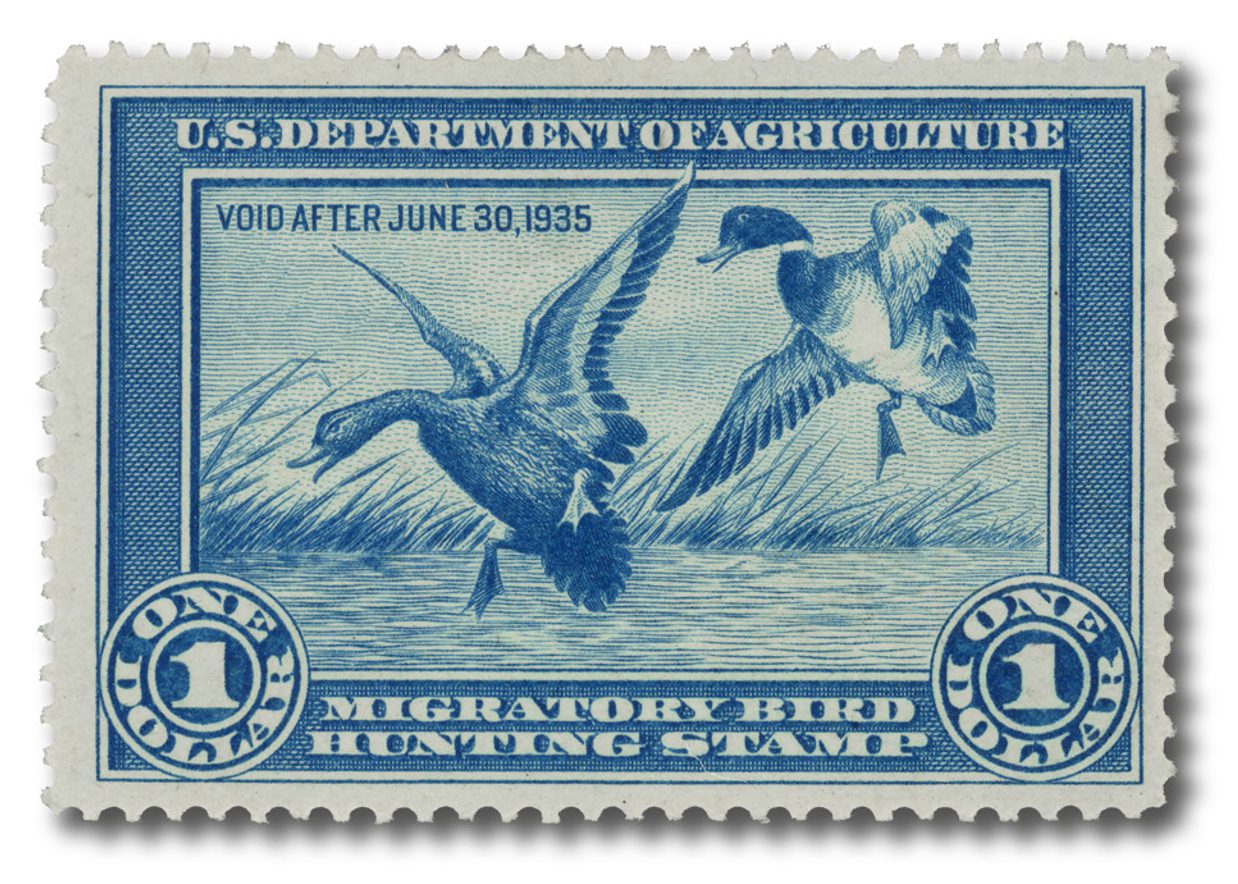
Migratory Bird Hunting and Conservation stamps, more commonly known as “Duck” stamps, have been a cornerstone of American conservation since their debut in 1934. The program was born out of…
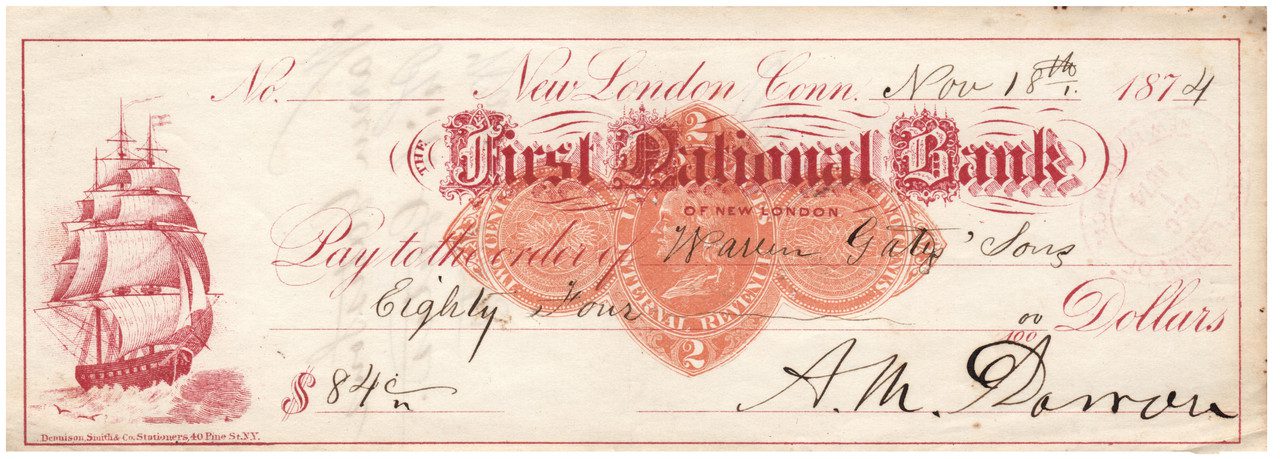
Congress passed the Revenue Act of 1862 to raise money for the Civil War. This new act put a 2¢ tax on bank checks. While most paid the tax by affixing a 2¢ stamp to the check, Congress also authorized Revenue Stamped Paper where the stamp is printed right on the check, like this…
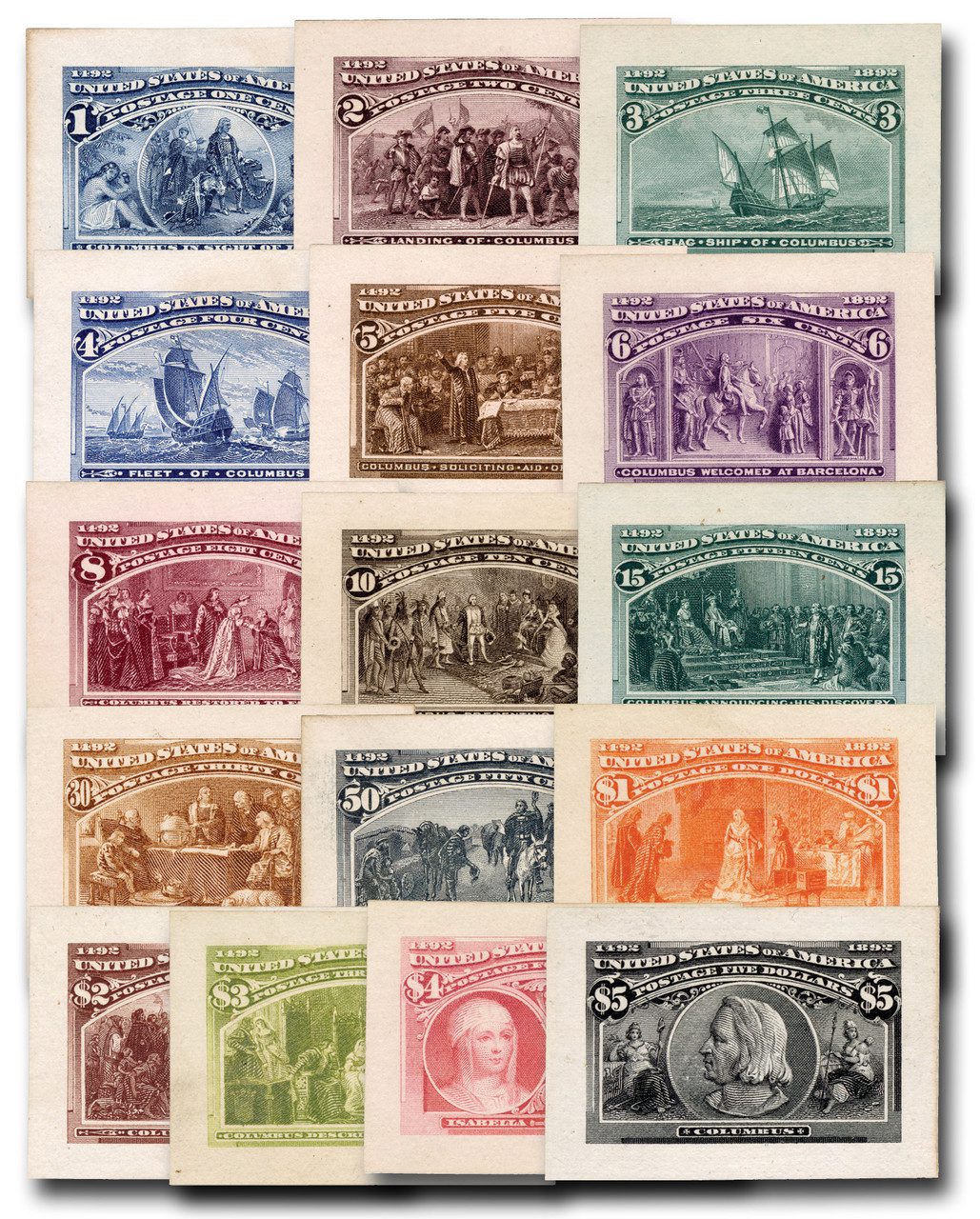
Roosevelt small die proofs are impression proofs of US postage stamps, painstakingly prepared by the Bureau of Engraving & Printing in the early 20th century. These proofs were bound into deluxe presentation albums, unofficially called “Roosevelt Albums” due to their distribution during Theodore Roosevelt’s presidency.
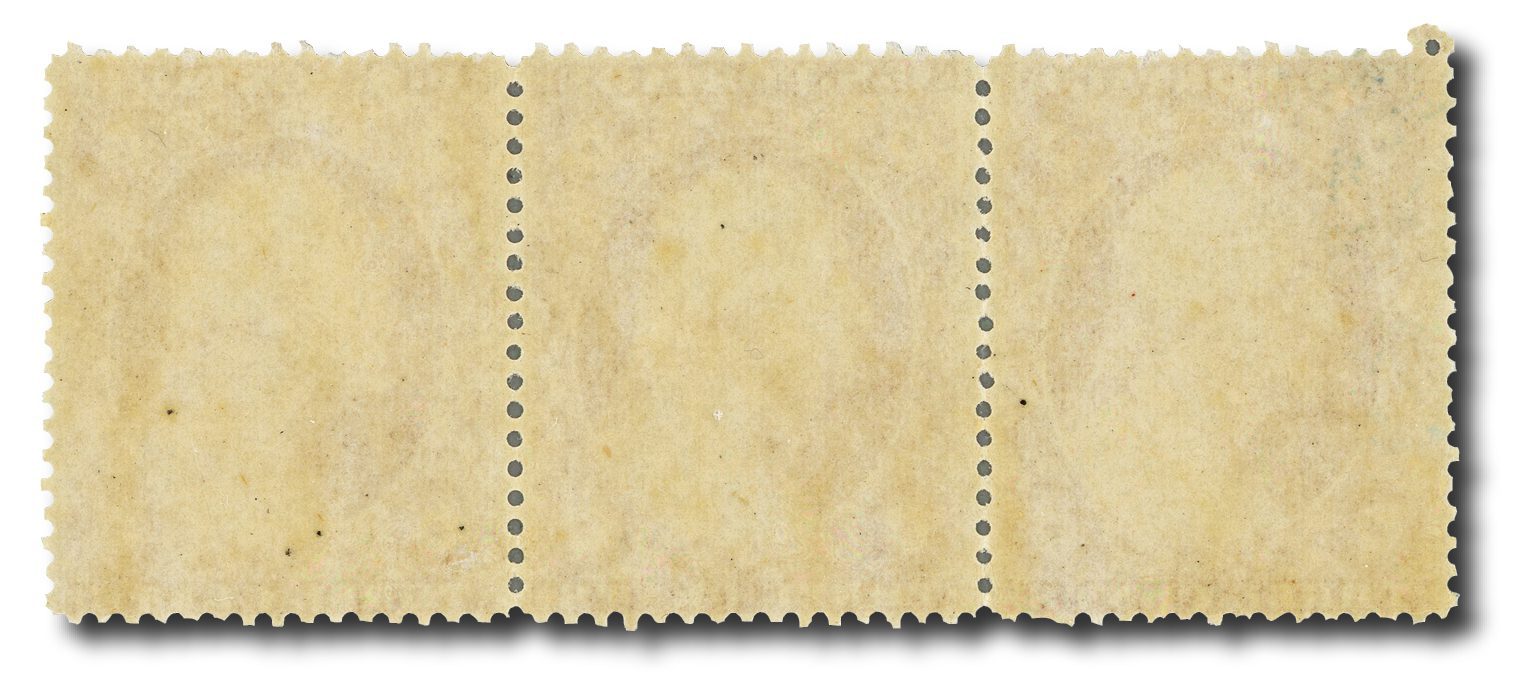
When collectors and dealers use the phrase “original gum”, they are referring to the adhesive coating applied to the back of a postage stamp at the time of its production, before the stamp was ever used.
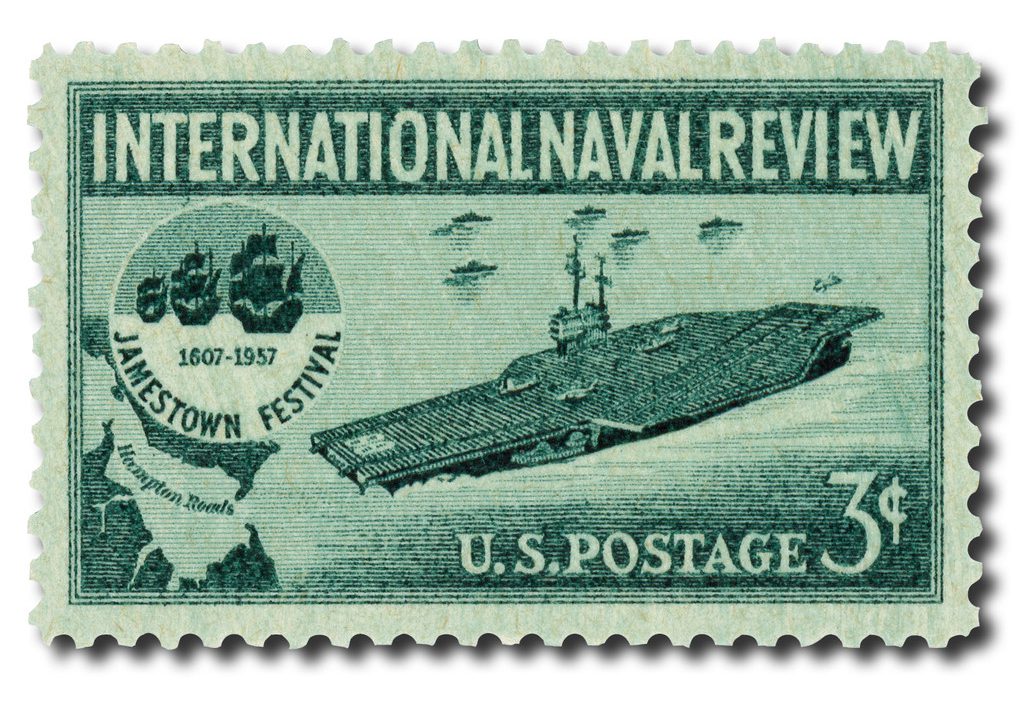
Professional Stamp Experts (PSE) is a leading company in the field of stamp authentication and grading. SE uses a standardized grading system to evaluate the quality and appearance of US stamps.
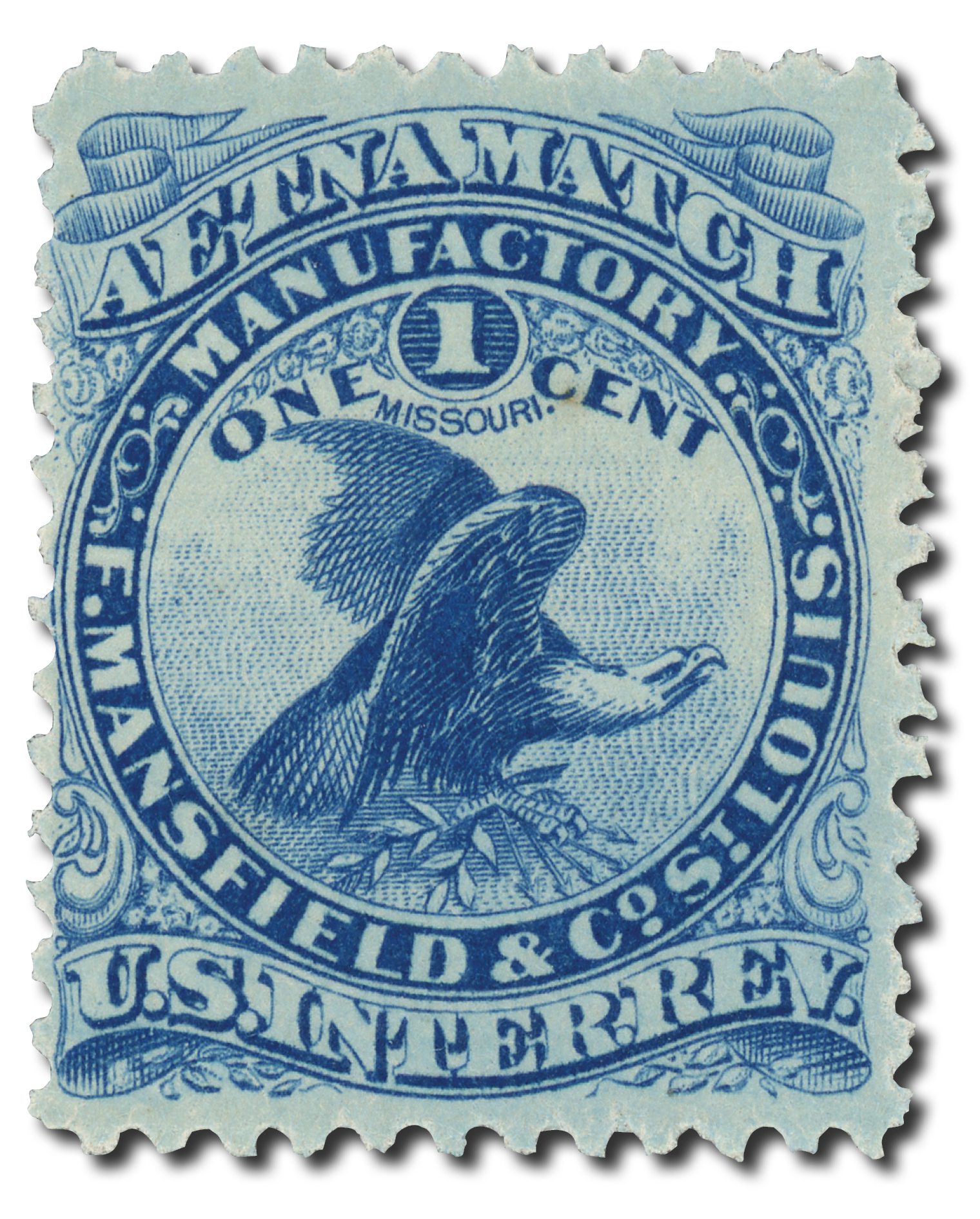
Private Die Proprietary stamps are a special class of Revenue stamps. Unlike standard government-issued Revenue stamps, these were custom-designed and printed for individual companies, typically manufacturers of matches, medicines, perfumes, playing cards, and other proprietary goods.
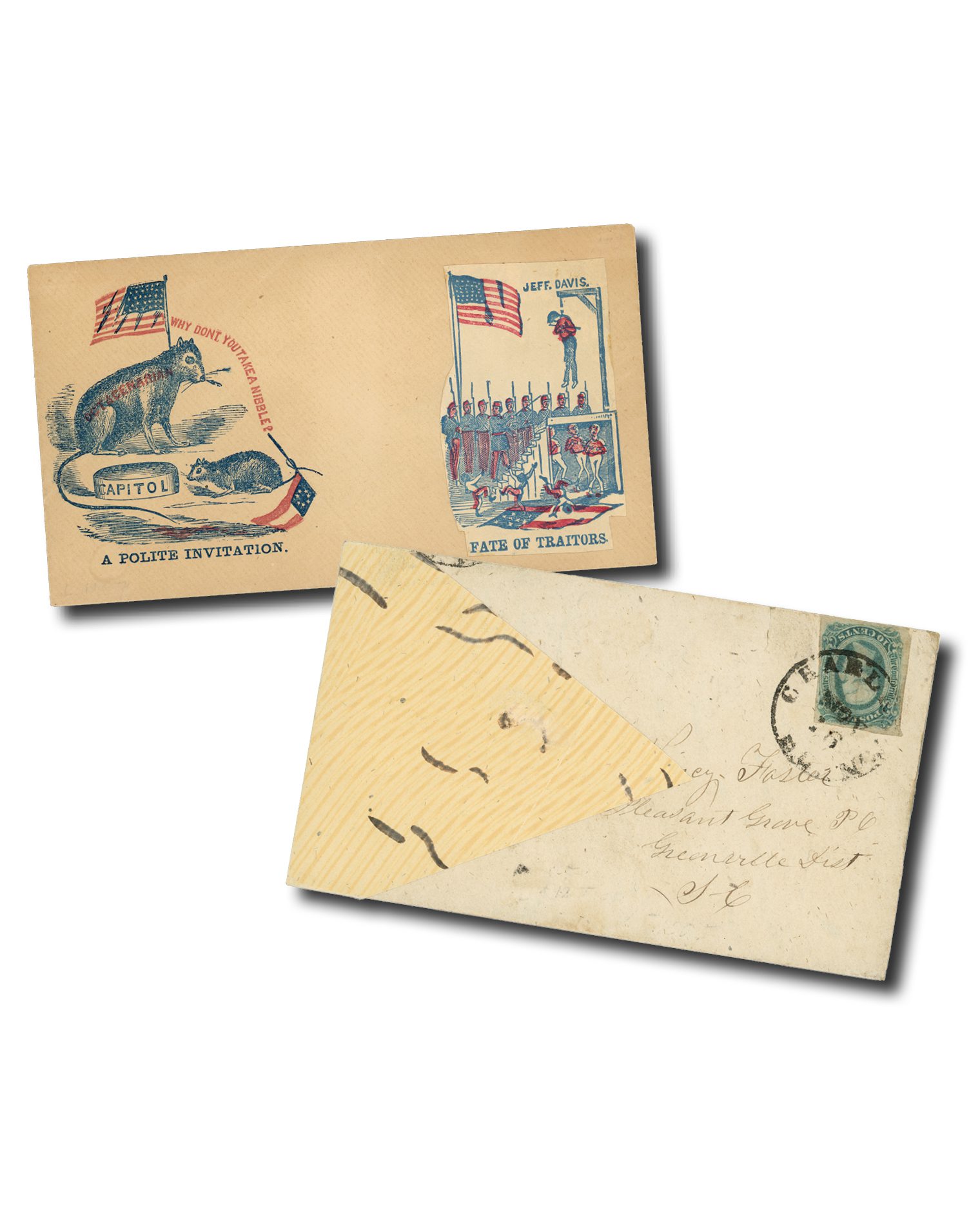
The American Civil War was not only a conflict of armies but also a clash of cultures and resources. Among the most poignant and collectible artifacts from this era are adversity covers and patriotic covers.
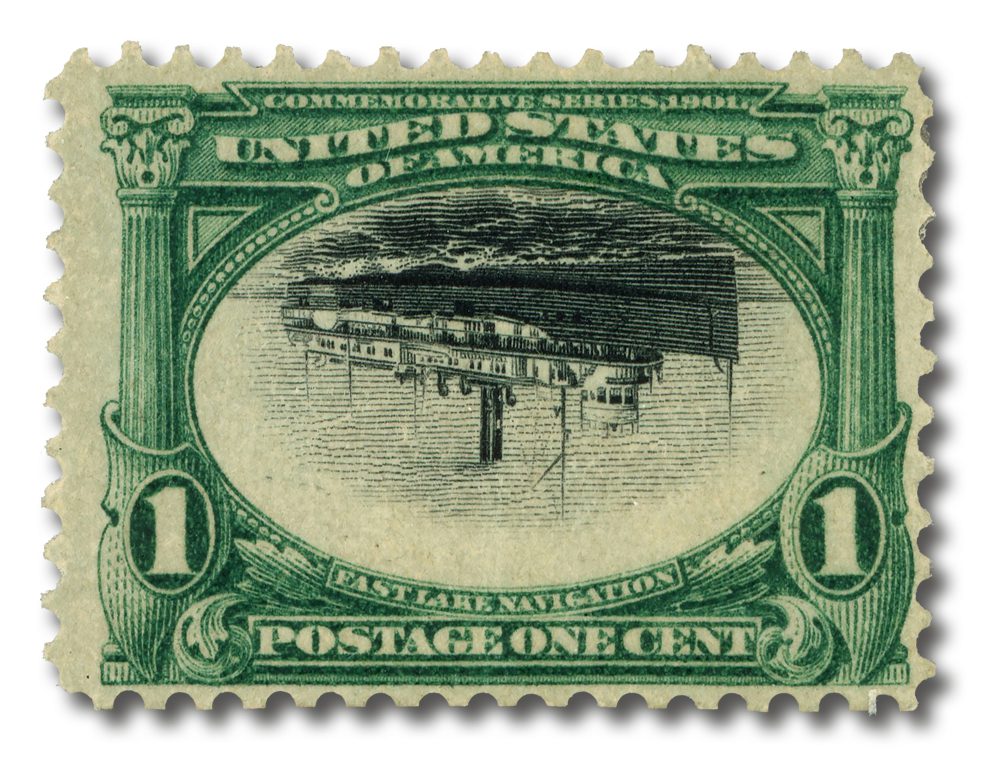
The Pan-American Inverts are among the most storied and coveted errors in US philately. They capture both the drama of early 20th-century printing and the excitement of the Pan-American Exposition of 1901.
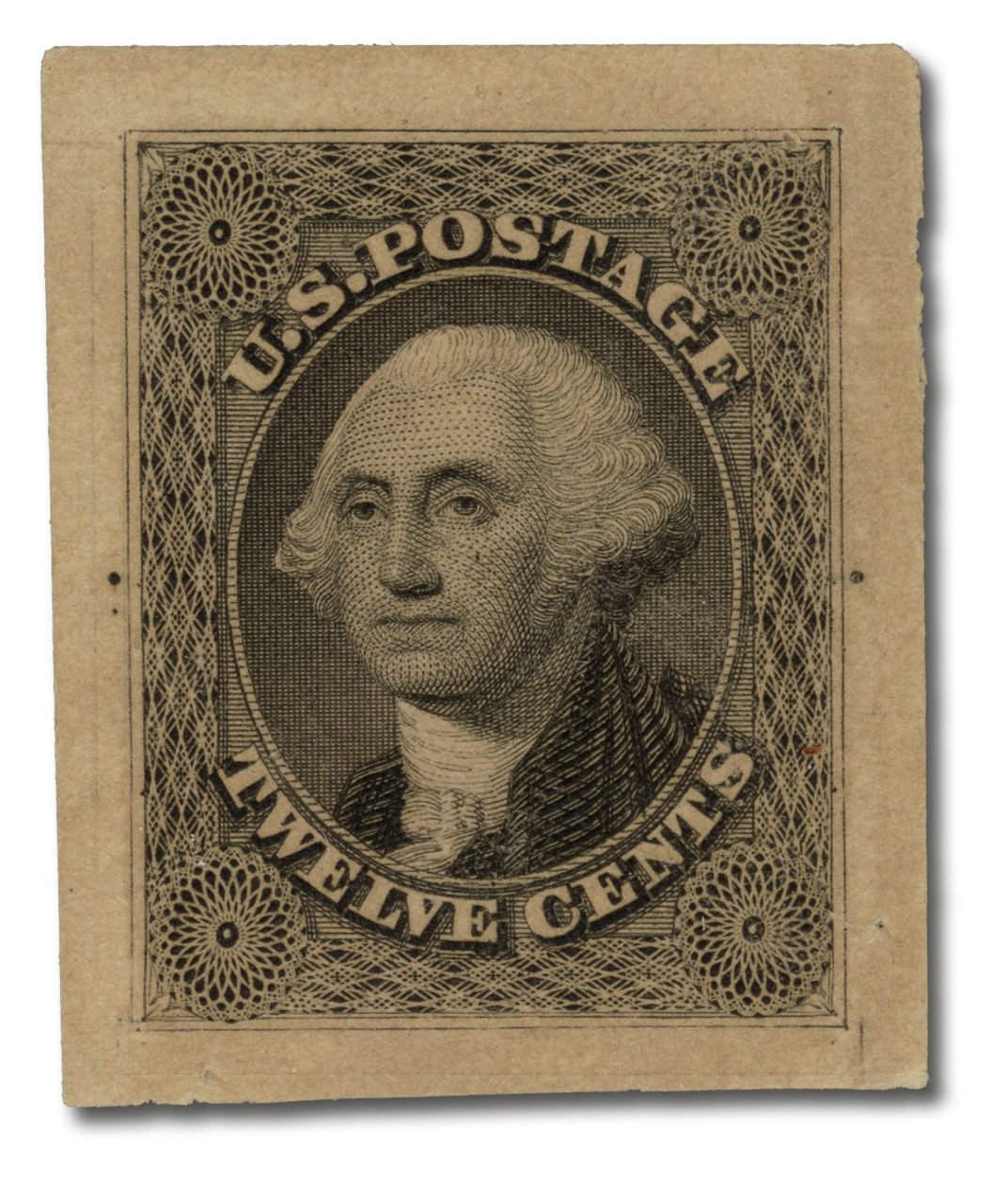
Proofs are stamp impressions that the printers make usually before the stamps go to press to show to postal officials for final approval of the stamp design, color, and printing quality.