
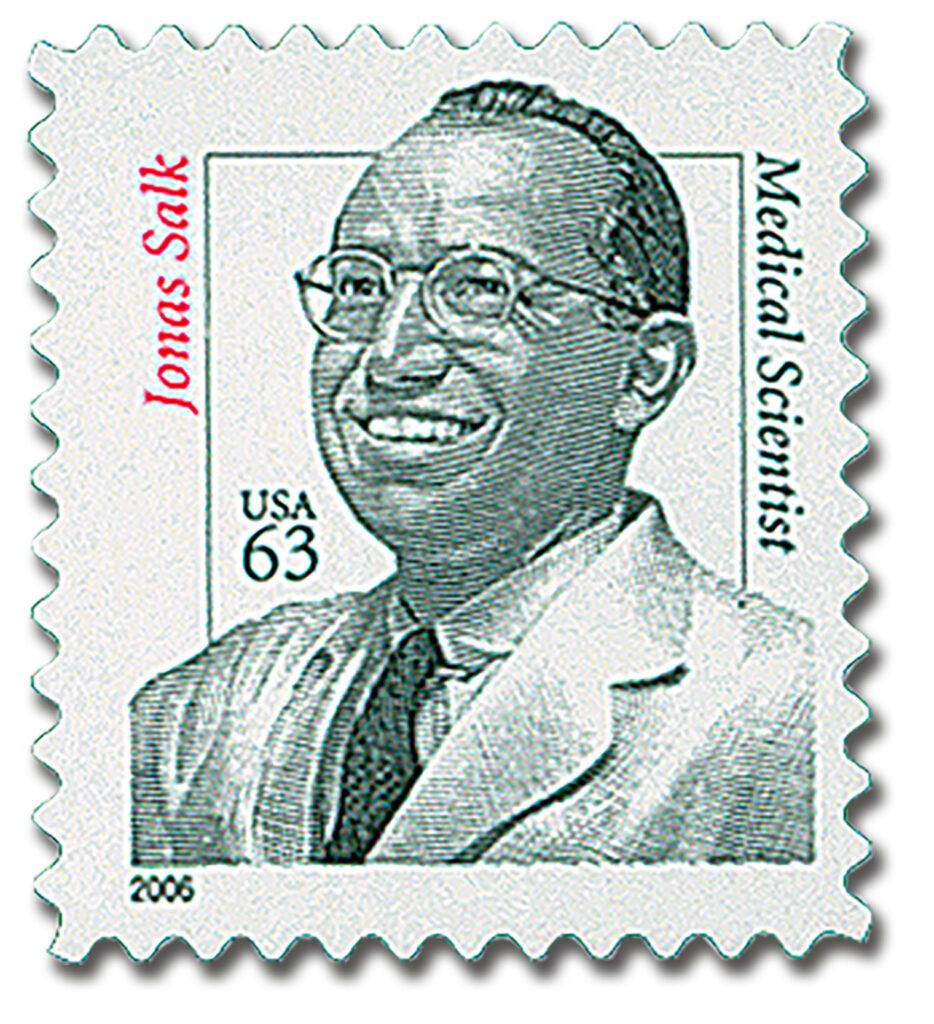
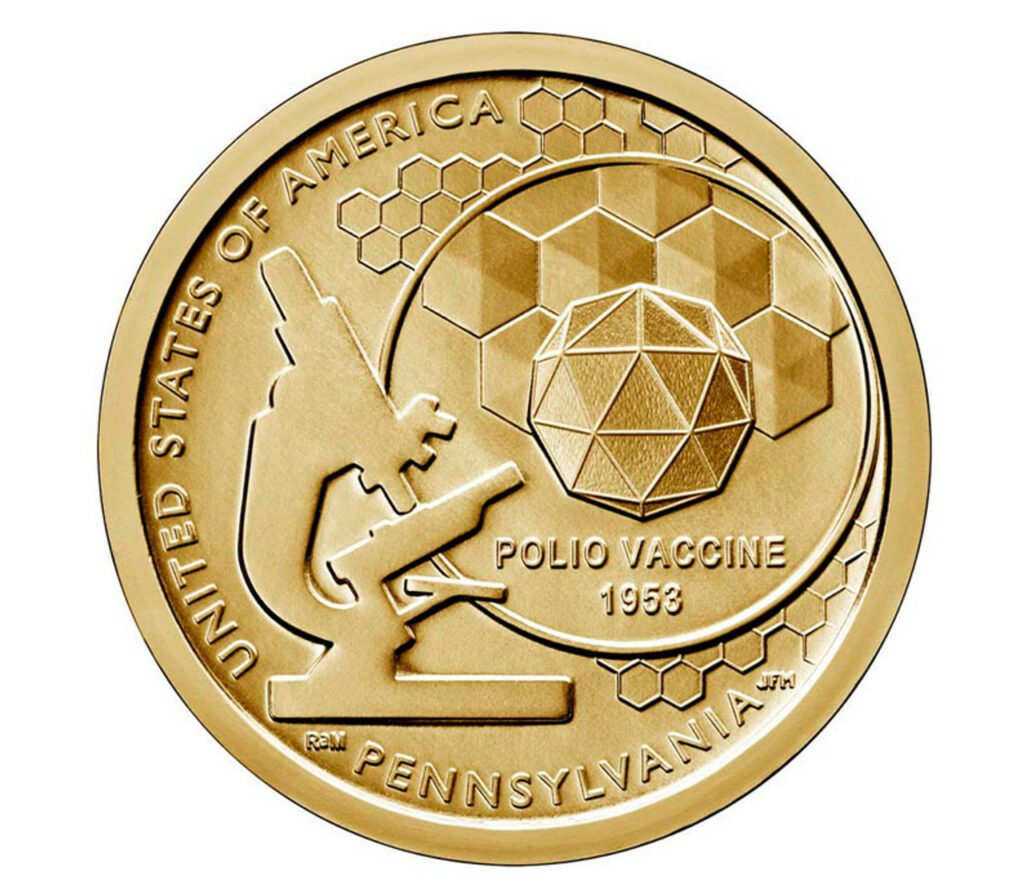
On March 26, 1953, Dr. Jonas Salk announced the first successful polio vaccine, offering hope against one of the most feared diseases of the 20th century. That moment now anchors National Science Appreciation Day, a modern observance that highlights how careful research and tested discoveries can change lives.
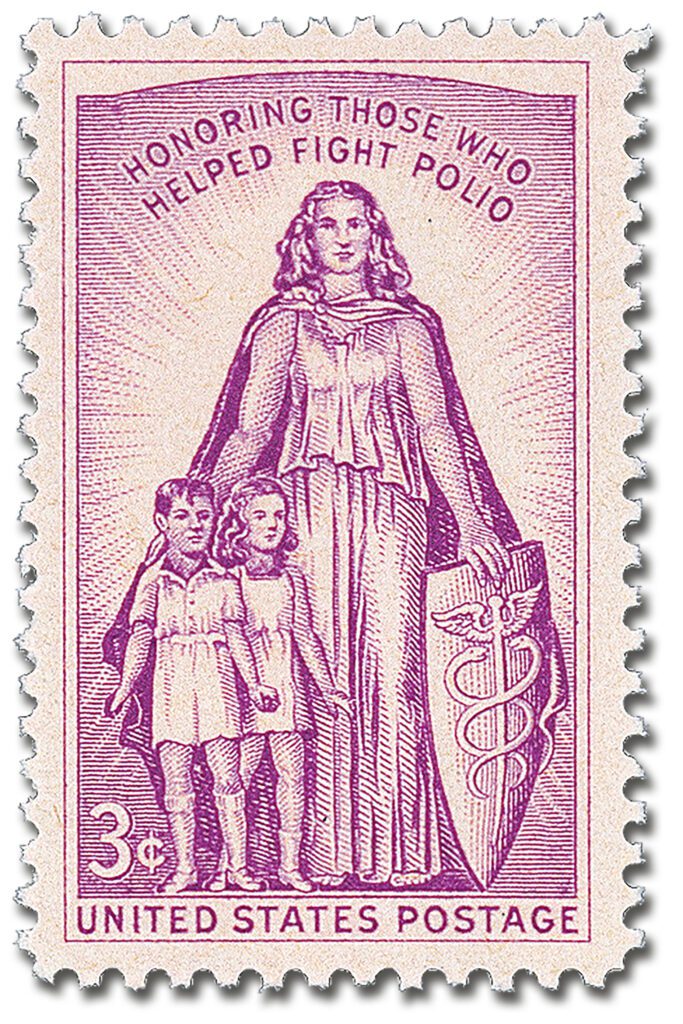
In the early 1900s, poliomyelitis—commonly called polio—spread in recurring outbreaks across the United States and other countries. The disease attacked the nervous system and could cause permanent paralysis within hours. Children were especially vulnerable. During the worst outbreaks in the late 1940s and early 1950s, tens of thousands of Americans were infected each year. In 1952 alone, the United States recorded more than 57,000 cases, including over 21,000 cases of paralytic polio. Hospitals filled with patients who could not breathe on their own, many of them placed in large mechanical respirators known as “iron lungs.”

Efforts to stop the disease became a national priority. The National Foundation for Infantile Paralysis, later known as the March of Dimes, raised millions of dollars through small public donations. That funding supported research across the country, including the work of Dr. Jonas Salk at the University of Pittsburgh. Salk took a different approach from some other researchers. Instead of using a weakened live virus, he focused on an “inactivated” virus—one that had been killed but could still trigger an immune response.

By the early 1950s, Salk and his team had developed a vaccine that showed promise in laboratory testing and small human trials. On March 26, 1953, Salk appeared on national radio and announced that his vaccine had been tested and appeared safe and effective. It was a careful statement, but it marked a turning point. For the first time, there was clear evidence that polio could be prevented.
The next step was a massive field trial to confirm the vaccine’s effectiveness. In 1954, more than 1.8 million children across the United States participated in what became one of the largest medical experiments in history. These children were often called “Polio Pioneers.” The trial was carefully designed, with some children receiving the vaccine and others receiving a placebo. Researchers tracked the results over many months.
On April 12, 1955, the results were announced: the Salk vaccine was safe, effective, and about 80 to 90 percent successful in preventing paralytic polio. The response was immediate. Church bells rang in cities across the country. Schools paused for announcements. Within hours, vaccination programs began on a national scale.
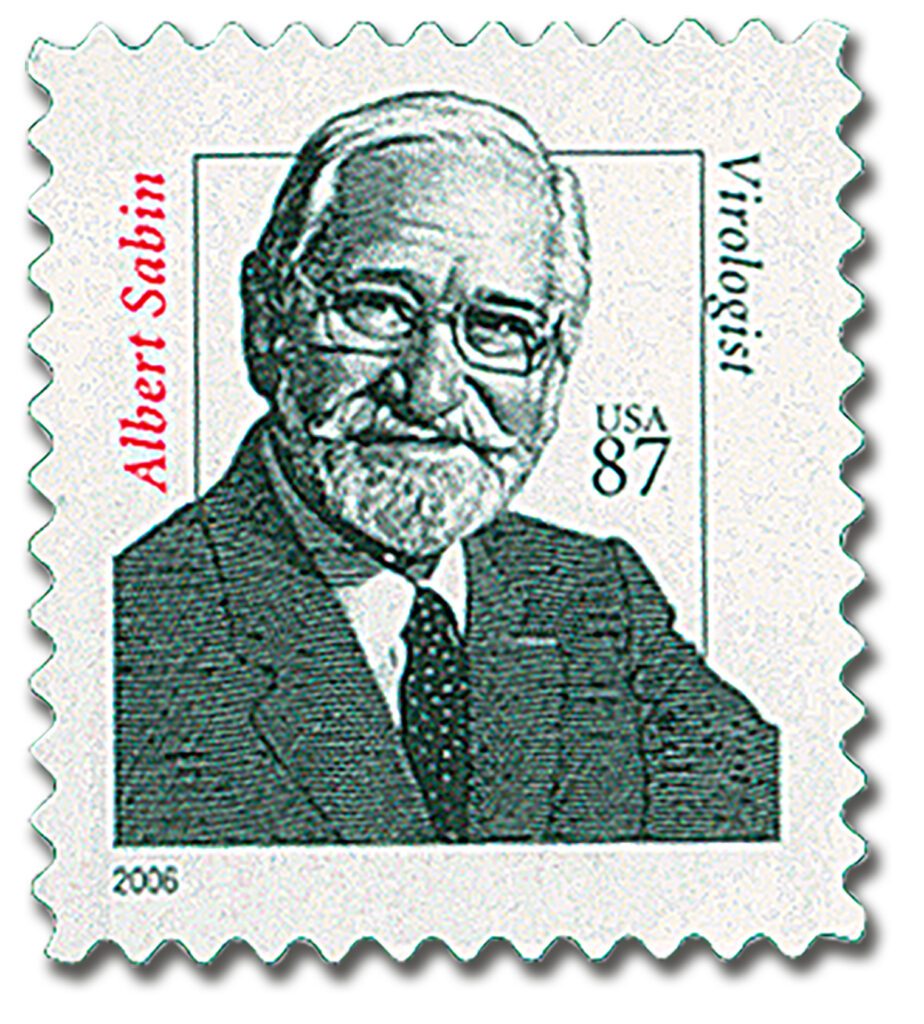
The impact was measurable within a few years. Polio cases in the United States dropped sharply. By the early 1960s, annual cases had fallen from tens of thousands to just a few hundred. The introduction of the oral polio vaccine by Albert Sabin later in the decade helped expand immunization efforts worldwide. Today, polio has been eliminated in most countries, and global eradication efforts continue.
Salk himself became a widely respected figure, not only for the vaccine but for his decision not to patent it. When asked who owned the patent, he replied, “The people, I would say. There is no patent. Could you patent the sun?” That choice helped ensure the vaccine could be produced widely and distributed quickly.
Nearly seventy years after Salk’s announcement, March 26 has taken on new meaning as National Science Appreciation Day. The observance was founded in 2022 to recognize the role of science in everyday life and to highlight the importance of research, experimentation, and evidence-based discovery. Organizers selected the date to connect directly to Salk’s announcement, a clear example of science addressing a real and urgent problem.
Since its founding, National Science Appreciation Day has gained support at the state level, with multiple governors issuing official proclamations recognizing the day. Schools, museums, and science organizations have also taken part. Activities often include classroom experiments, public lectures, science fairs, and community demonstrations designed to make scientific concepts accessible and engaging.
The day also encourages individuals to reflect on how science affects daily life. This can be as simple as learning about the history behind a common medical treatment, visiting a local science center, or supporting organizations that fund research. Teachers often use the day to highlight scientists whose work had lasting impact, including figures like Salk, whose vaccine changed the course of public health.
National Science Appreciation Day connects past achievement with present understanding. It uses a specific historical moment to remind people that scientific progress depends on careful work, tested ideas, and public support.
Click here for more Science-themed stamps.
| FREE printable This Day in History album pages Download a PDF of today’s article. Get a binder or other supplies to create your This Day in History album. |
Discover what else happened on This Day in History.