
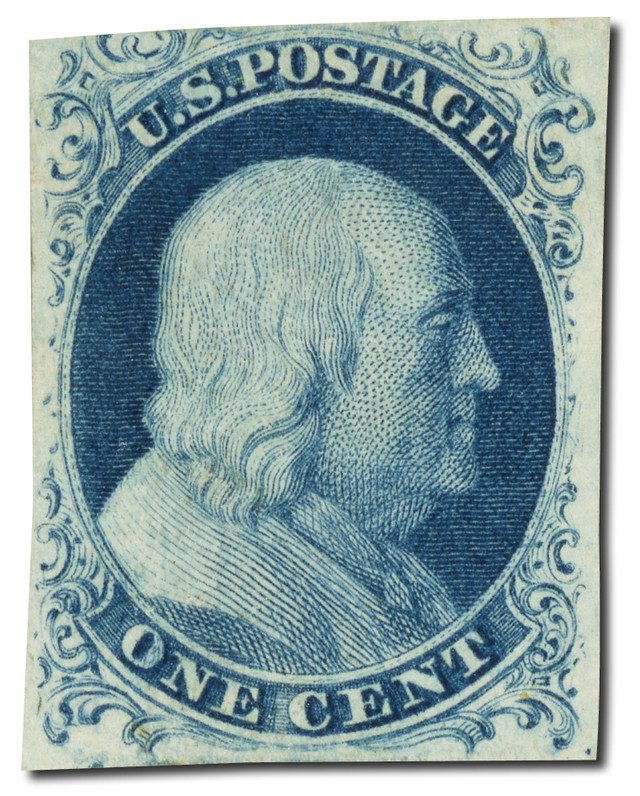
On January 1, 1856, the United States Post Office made a change that permanently transformed how Americans sent mail. Beginning on that date, all domestic letters were required to be prepaid using postage stamps. Although the Post Office had first begun selling stamps on July 1, 1847, their use had remained optional for nearly ten years. By making stamps compulsory, the federal government created a more efficient, reliable, and modern postal system suited to a rapidly growing nation.
Before postage stamps existed, mailing a letter in the United States was often inconvenient and confusing. Postage was usually paid by the recipient rather than the sender. The cost depended on distance traveled and the number of sheets in the letter. This system caused frequent problems. Recipients sometimes refused to accept letters to avoid paying the fee, leaving post offices with undelivered and unpaid mail. Postal clerks also had to calculate postage by hand, which slowed service and increased errors.

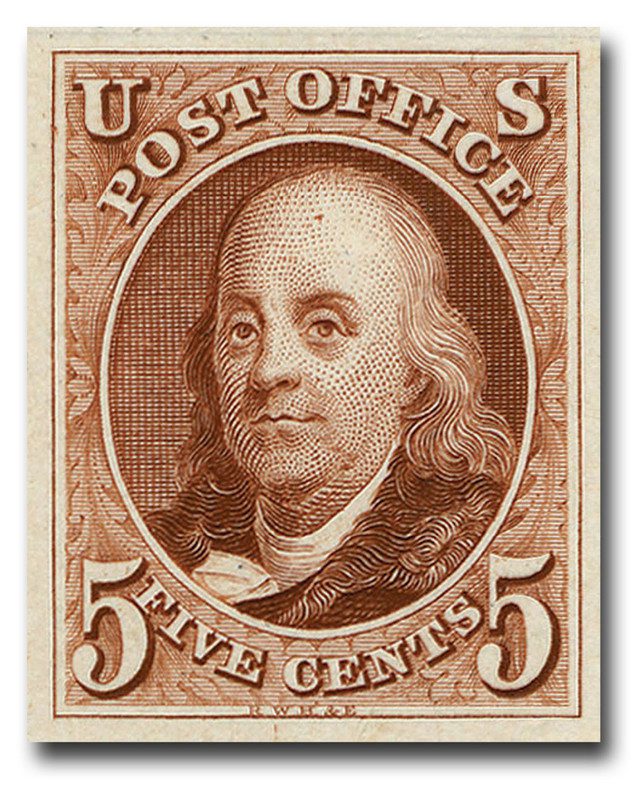
The introduction of postage stamps in 1847 offered a potential solution. The first US stamps allowed senders to prepay postage, making mailing simpler and more predictable. At the time, rates were determined by the weight and distance the letter was mailed. Letters mailed 300 miles or less were 5¢ per half ounce; while those mailed over 300 miles were 10¢ per half ounce. The 5¢ rate served several purposes: the registration of valuable letters, and the shore-to-ship rate for some foreign countries. Two 5¢ stamps were sometimes used to pay the postage for letters traveling over 3,000 miles after 1855.
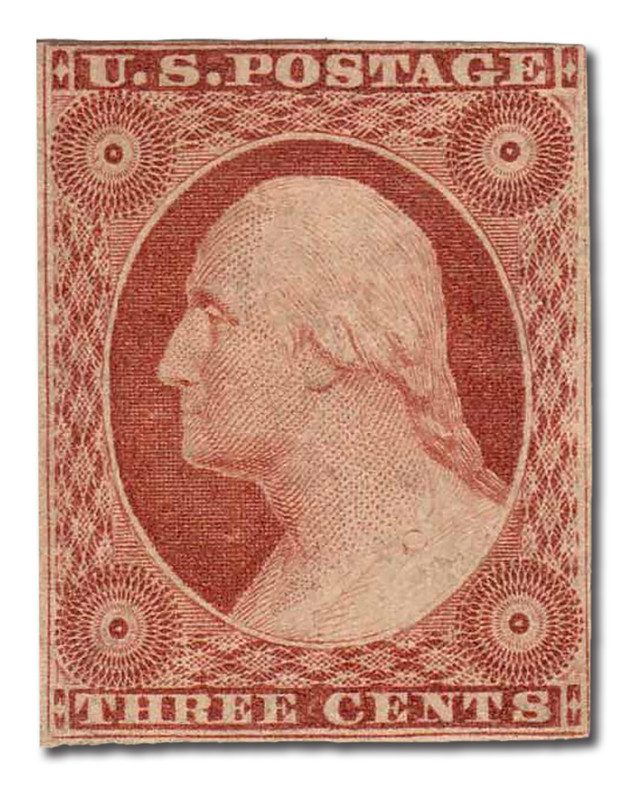
America’s first postage stamps remained in use until 1851. Then on March 3, 1851, Congress reduced postal rates. These new rates created a need for new denominations. The 1¢ stamp was used on all mail up to 3 ounces and on “drop letters” which were mailed to the same town. The single letter rate, based on a half-ounce, was changed to 3¢ for mail not over 3,000 miles. Mail exceeding this distance was lowered to 6¢ and two of the new 3c stamps could be used to pay postage to the West Coast. Letters sent to or from a foreign country over 2,500 miles cost 20¢ and foreign mail under 2,500 miles cost 10¢.
The first stamps issued to meet these new rates were issued on July 1, 1851. Prepayment was still optional. If postage was paid by the addressee upon receipt, the rate was higher. Due to increased collect rates, the use of postage stamps was greatly stimulated. The cheaper rates were attractive to Americans, too.
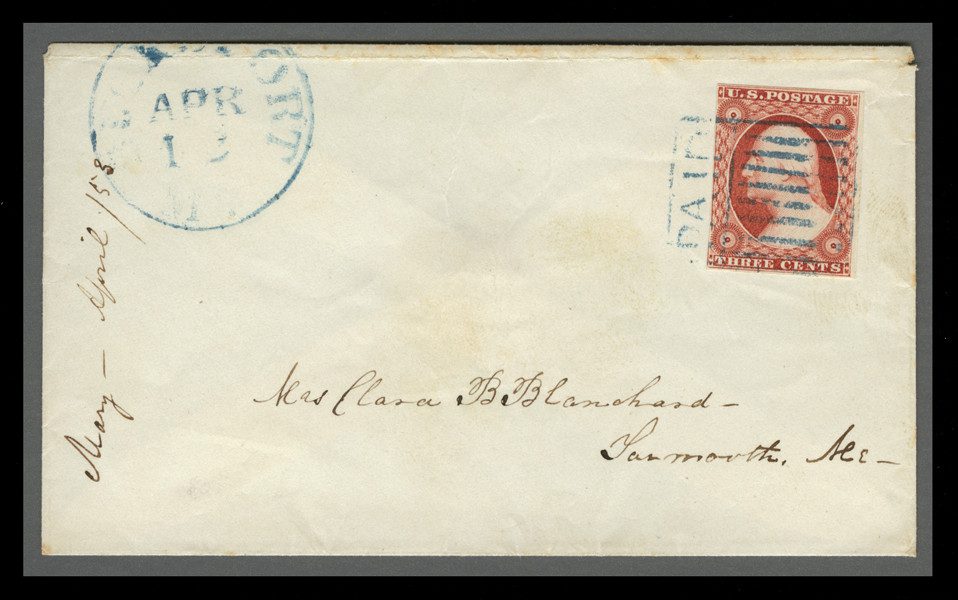
However, because stamp use was optional, many people continued using the older system. Letters without stamps were still accepted, and recipients were often expected to pay upon delivery. As a result, the postal system remained inconsistent and inefficient. By the mid-1800s, the United States was growing rapidly. New states were entering the Union, railroads expanded transportation networks, and more Americans relied on the mail for business, newspapers, and personal communication. Optional stamp use was no longer effective for a nation spread across thousands of miles. Postal officials recognized that a uniform system was necessary to keep mail moving efficiently and fairly.
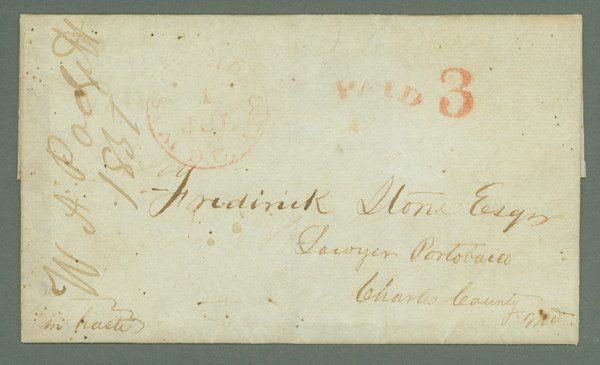
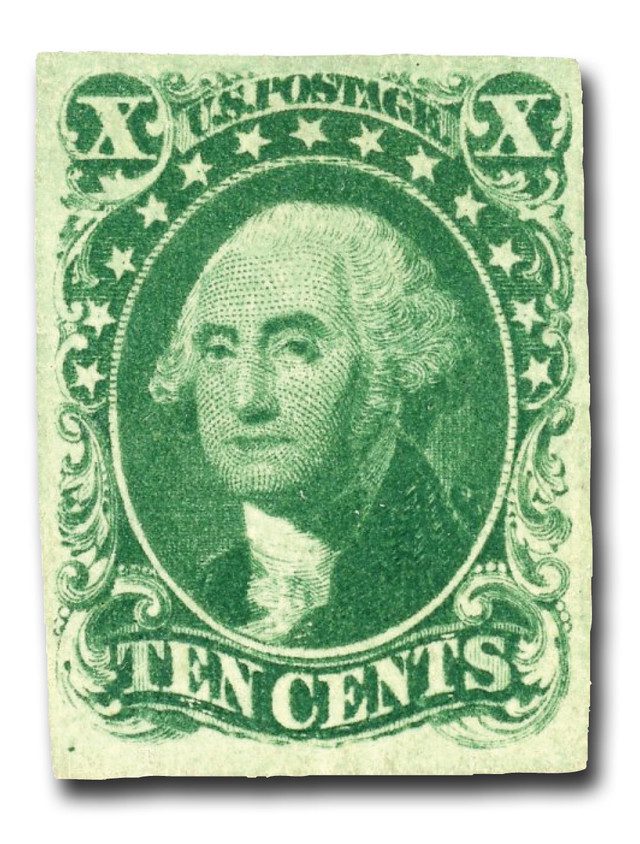
This need for reform led to a major decision. On January 1, 1856, the Post Office required that nearly all domestic mail be prepaid using postage stamps. From that point forward, unstamped letters were no longer accepted for standard delivery. The requirement marked the moment when prepaid postage became the rule rather than the exception, creating a clear and consistent system nationwide.
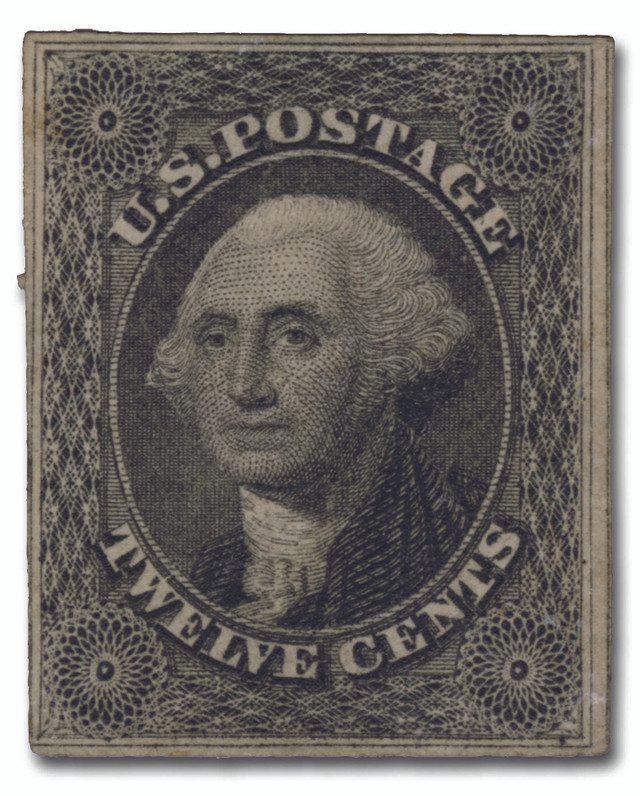
Once stamp use became mandatory, the benefits were immediate. Postal clerks no longer needed to calculate postage or collect money from recipients. A stamp clearly showed that the sender had already paid the correct amount. This saved time, reduced disputes, and sped up mail delivery. It also made the system fairer, since recipients were no longer surprised by unexpected charges when letters arrived.
Compulsory prepayment also improved the Post Office’s finances. Fewer letters went unpaid or undelivered, and postal revenue became more predictable. This financial stability helped support the expansion of mail routes and improvements in transportation, including rail and steamship delivery. Over time, these improvements helped connect distant regions of the country more closely.
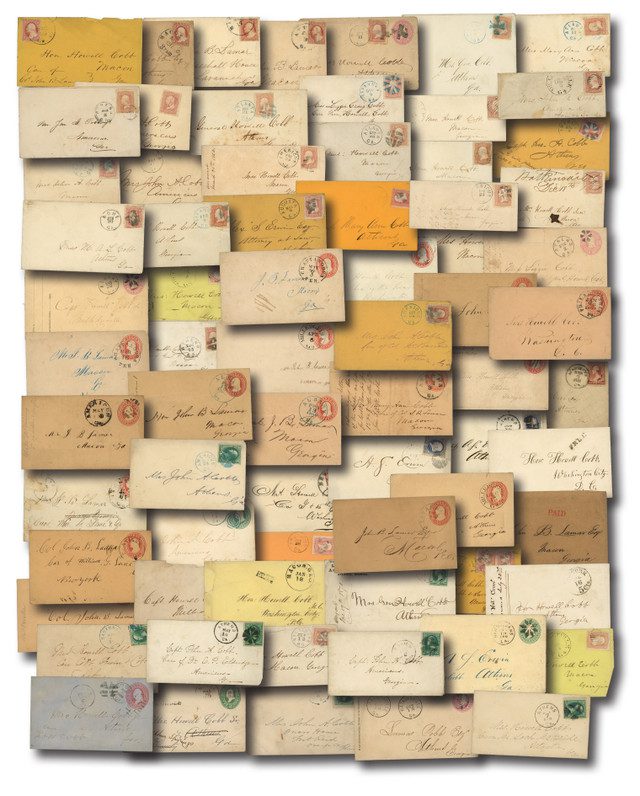
The 1856 requirement also changed how Americans viewed postage stamps. Stamps became a normal and expected part of daily life. By adopting compulsory stamp use, the United States aligned itself with modern postal systems elsewhere in the world. Great Britain had demonstrated the success of prepaid postage with the introduction of the Penny Black in 1840. The US decision confirmed its commitment to efficiency, reliability, and nationwide communication.
Click here for more classic US stamps from this era – explore the subtle differences in color and design that can make a big difference!
Click here for more neat old covers.
| FREE printable This Day in History album pages Download a PDF of today’s article. Get a binder or other supplies to create your This Day in History album. |
Discover what else happened on This Day in History.