China Resistance Stamp
On July 7, 1942, the United States issued its first stamp with foreign characters as part of the design. The stamp honored China’s fight against Japan and used a small design detail to show a larger wartime friendship.

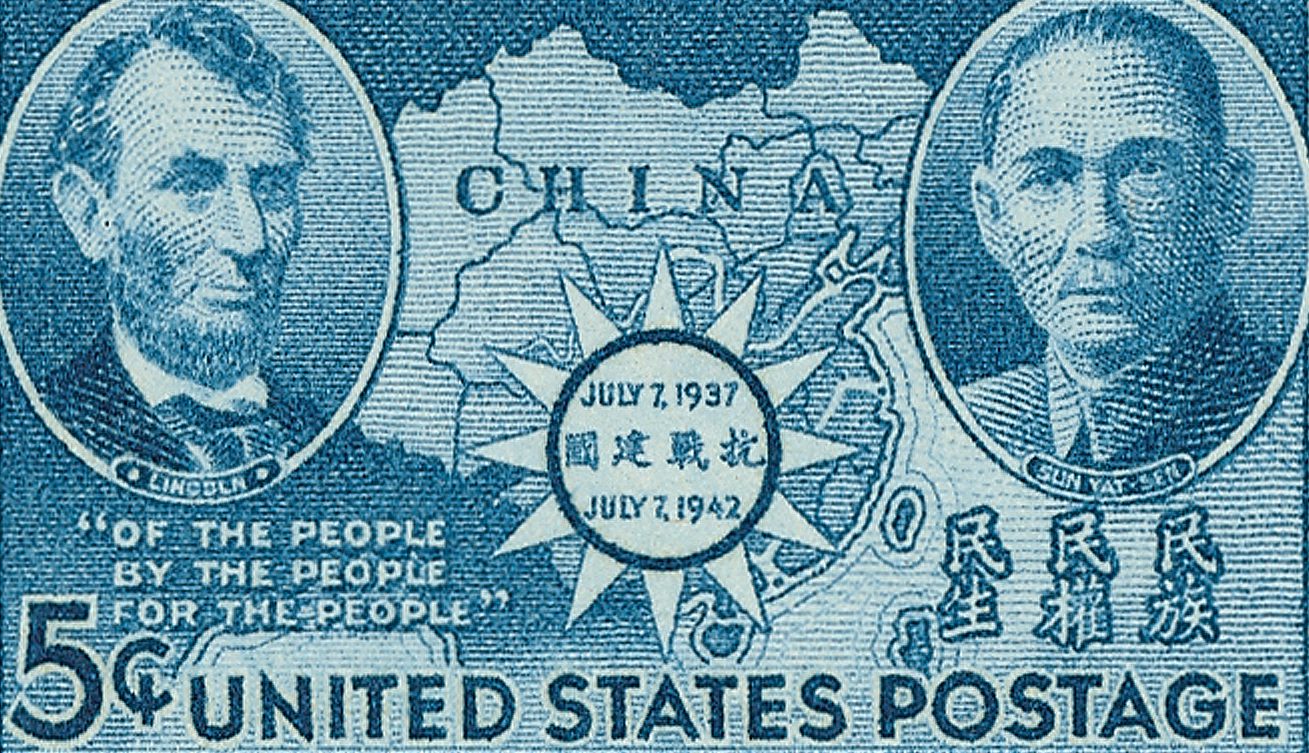
On July 7, 1942, the United States issued its first stamp with foreign characters as part of the design. The stamp honored China’s fight against Japan and used a small design detail to show a larger wartime friendship.
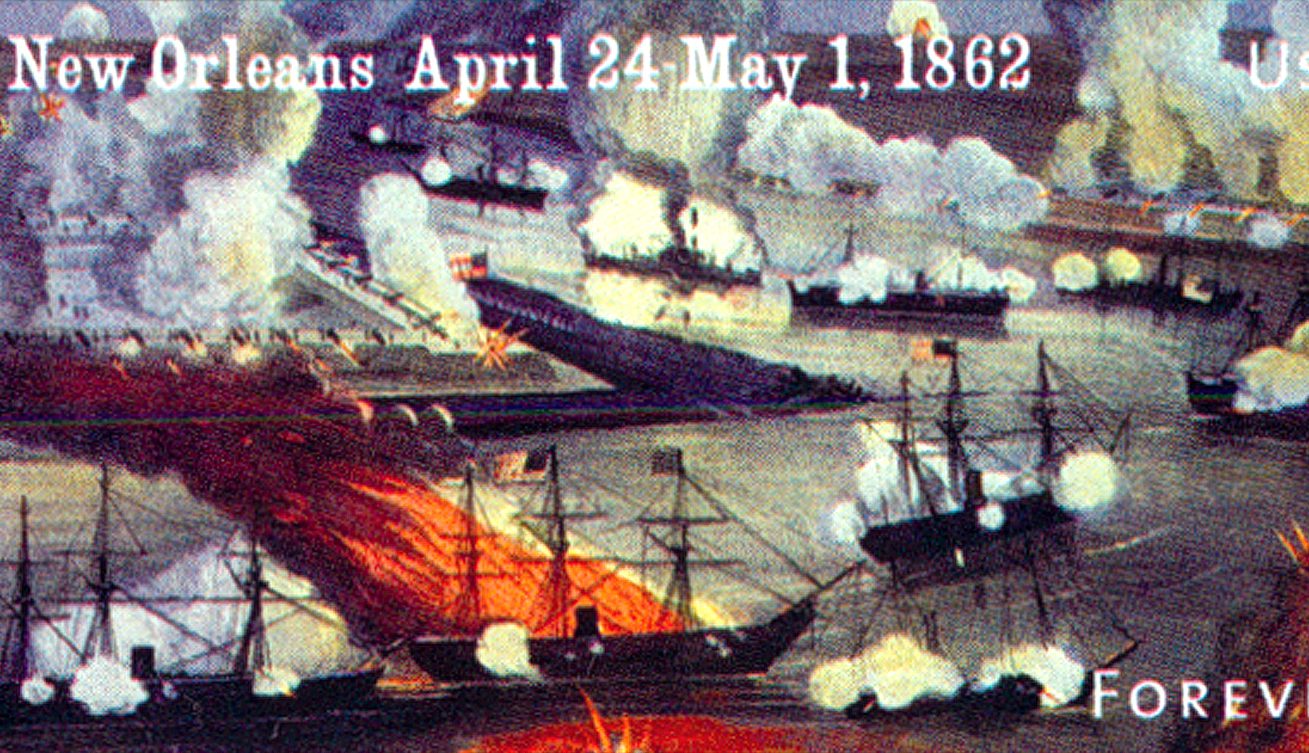
On May 3, 1861, General-in-Chief Winfield Scott presented a strategy to defeat the Confederacy with limited bloodshed. Later nicknamed the “Anaconda Plan,” it aimed to squeeze the South through blockade and control of its rivers rather than by one dramatic battle.
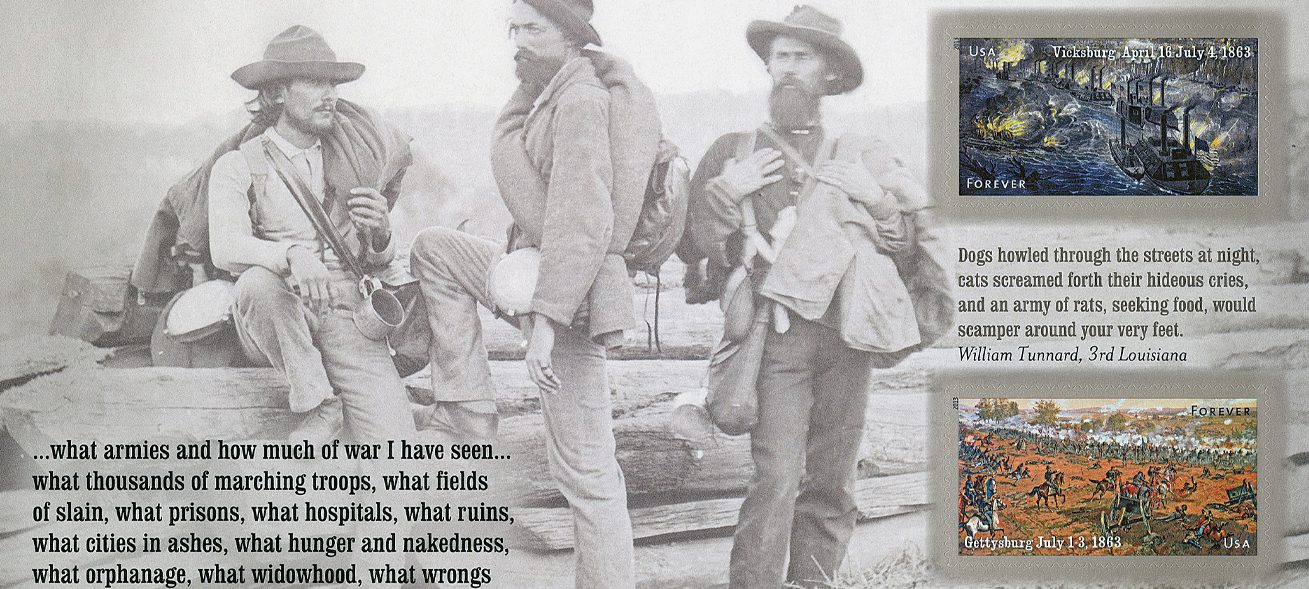
On January 15, 1896, America lost one of its most influential visual storytellers—Mathew Brady. Known as the father of American war photography, Brady brought the distant battlefields of the Civil War into the public eye, using his camera to reveal the real cost of conflict in a way words never could.

On November 26, 1789, Americans celebrated Thanksgiving for the first time under a presidential proclamation. Although people in the colonies had held harvest celebrations of thanks since the 1600s, the idea of a single, nationwide holiday did not yet exist. For more than two centuries, different communities held their own thanksgiving observances at various times of the year, often tied to local harvests, military victories, or special religious moments. It would take national leadership—and eventually the influence of several presidents—to turn Thanksgiving into the unified holiday we know today.

On July 1, 1862, President Abraham Lincoln signed the Revenue Act of 1862 into law, to help fund the Civil War. Revenue stamps remained in use off an on for a century, paying the tax on a wide variety of items.
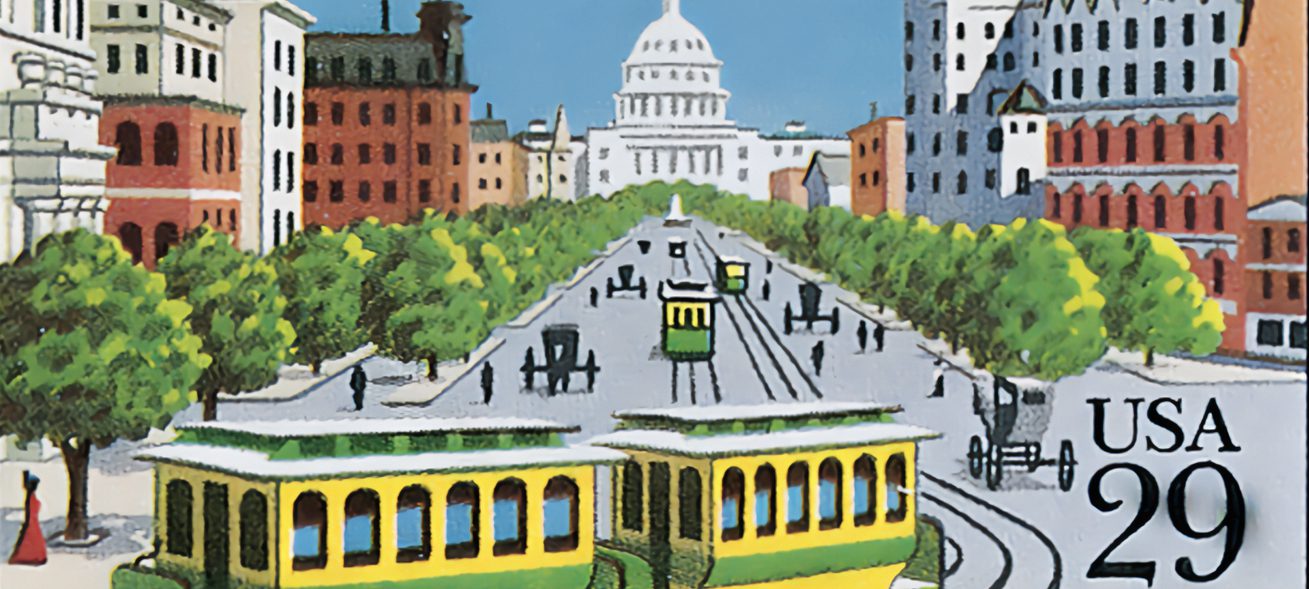
On April 16, 1862, President Abraham Lincoln signed the District of Columbia Compensated Emancipation Act. The act freed over 3,100 people enslaved in the US capital nine months before the Emancipation Proclamation would free all enslaved people in the US.

On July 12, 1862, President Abraham Lincoln signed legislation creating a Medal of Honor to be awarded to members of the Army. Of the more than 3,500 medals of honor awarded since then, 1,520 were for Civil War service.

On March 30, 1908, the US Post Office issued an imperforate 5¢ Lincoln stamp that nearly went unnoticed by collectors. It was never intended for public sale and could have been lost to time if not for a group of quick-acting collectors.

On December 2, 1863, the Statue of Freedom was placed atop the US Capitol to a 35-gun salute. The ceremony was held in the midst of the Civil War – President Lincoln had insisted the Capitol be completed as a symbol of American unity.