Rhode Island Becomes 13th State
On May 29, 1790, Rhode Island became the last of the original 13 colonies to ratify the US Constitution. The vote was close, but it brought the smallest state into the new nation as the 13th state.
General John Leonard “Birdie” Hines was born on May 21, 1868, in White Sulphur Springs, West Virginia. During World War I, Hines successively commanded a regiment, brigade, division, and corps in combat. He was the first person to do that since the Civil War.
On May 18, 1863, the key Siege of Vicksburg began. The fight for this Mississippi River stronghold became one of the longest and most demanding Union operations of the Civil War.
On May 3, 1861, General-in-Chief Winfield Scott presented a strategy to defeat the Confederacy with limited bloodshed. Later nicknamed the “Anaconda Plan,” it aimed to squeeze the South through blockade and control of its rivers rather than by one dramatic battle.
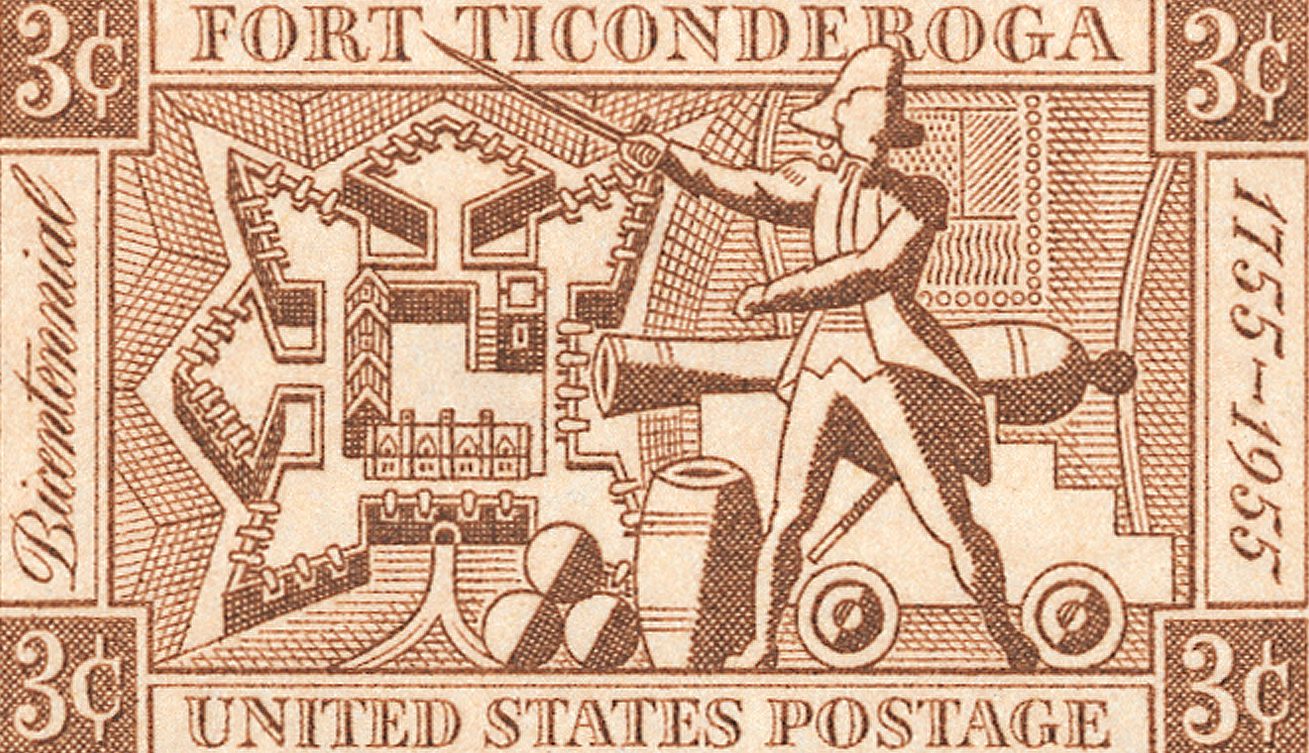
On April 18, 1783, General George Washington issued a proclamation announcing the end of hostilities in the American Revolutionary War. After eight years of fighting, the Continental Army was finally told to stand down, though the path to peace had already been set in motion months earlier.
On April 17, 1897, playwright and novelist Thornton Wilder was born in Madison, Wisconsin. Over the next several decades, he would become one of America’s most respected writers, known for works that explored everyday life with unusual clarity and structure.
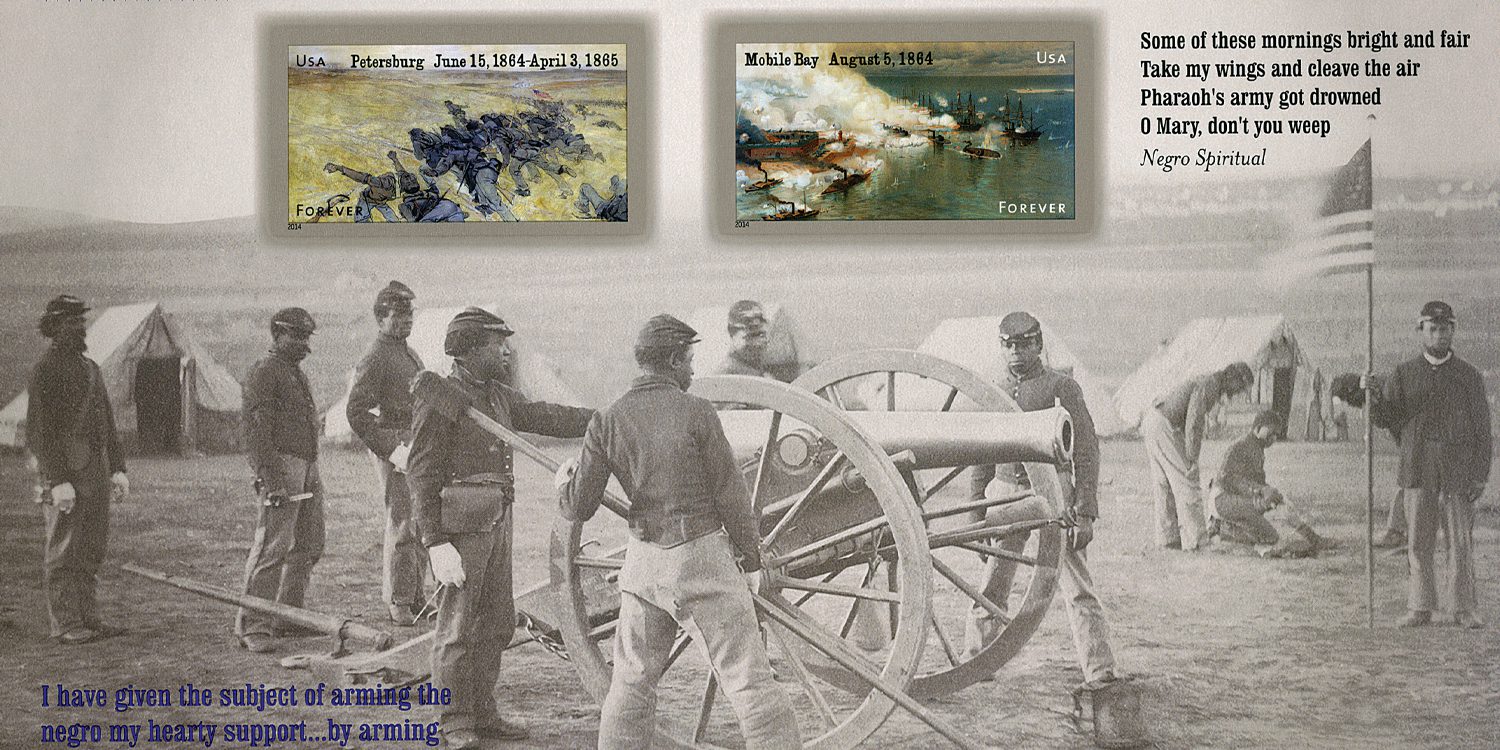
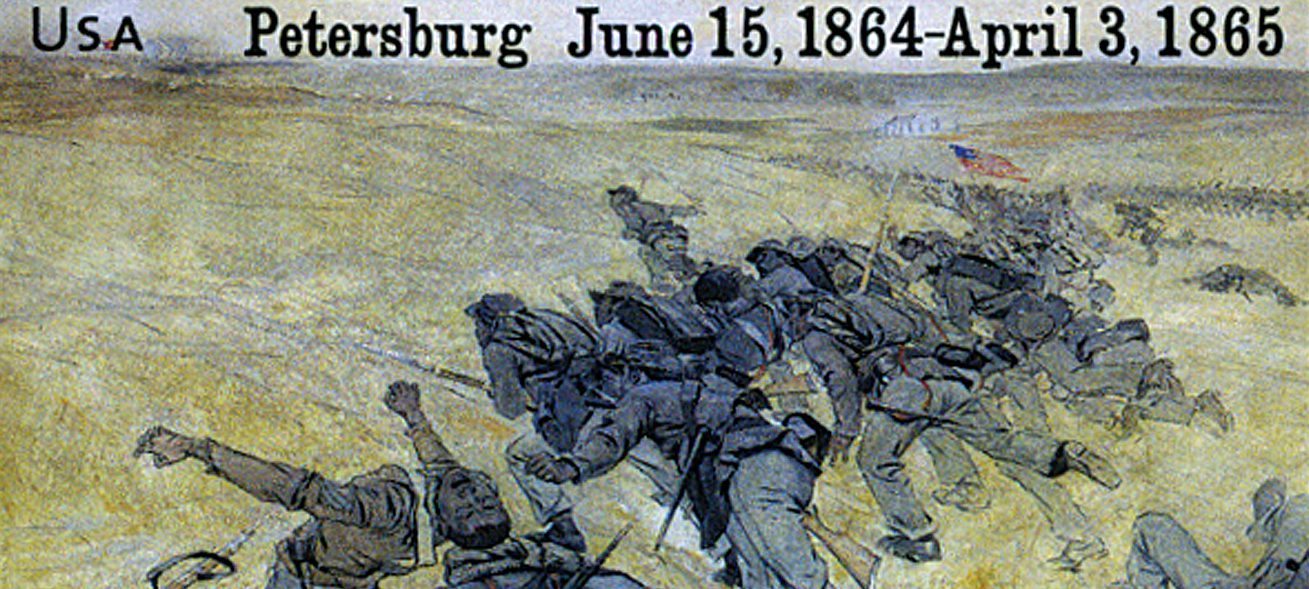
On April 3, 1865, Union forces entered Richmond, Virginia, the capital of the Confederacy, following their breakthrough at Petersburg. The fall of the city marked the collapse of the South’s political center and signaled that the Civil War’s end was close at hand.
On March 24, 1958, Elvis Presley stepped away from the spotlight and into a US Army uniform. At the peak of his fame, the nation’s biggest rock and roll star chose to serve like any other draftee.
On March 21, 1891, General Joseph E. Johnston—who had served both the United States and the Confederacy—died after a final act of respect for a former enemy. His life traced the divided loyalties of the Civil War, and even in death, it reflected a measure of reconciliation between North and South.