Battle of San Jacinto
On April 21, 1836, Texan soldiers led a swift attack on an unsuspecting Mexican force at the Battle of San Jacinto. It was the final, decisive battle of the Texas Revolution.

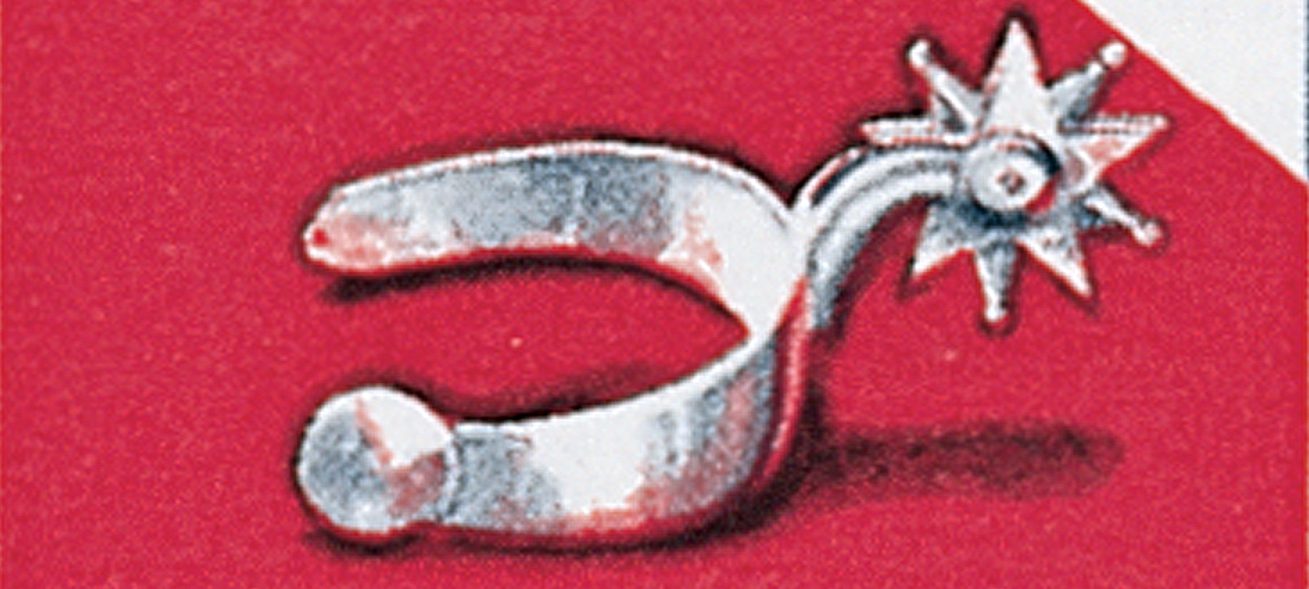
On April 21, 1836, Texan soldiers led a swift attack on an unsuspecting Mexican force at the Battle of San Jacinto. It was the final, decisive battle of the Texas Revolution.
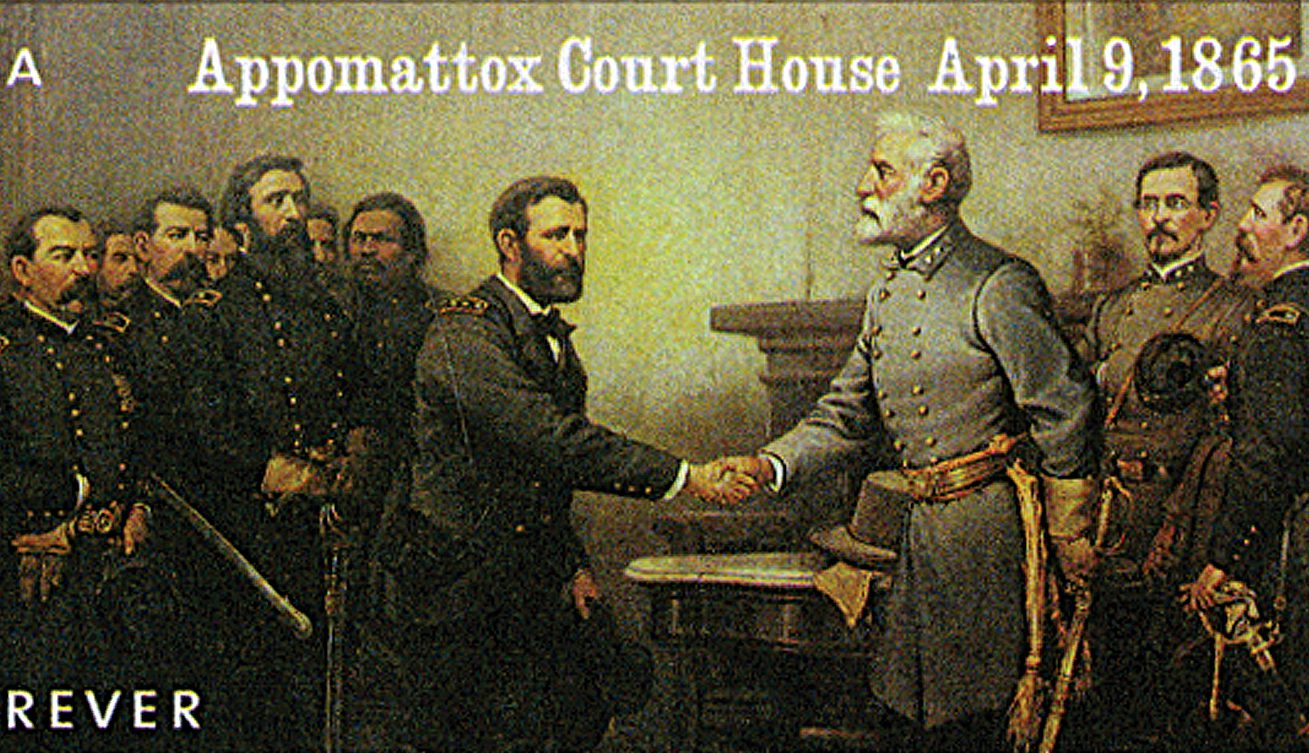
On April 9, 1865, Robert E. Lee surrendered his Army of Northern Virginia to Ulysses S. Grant, effectively ending the Civil War. The respect both men showed toward each other led the surrender to be called “The Gentlemen’s Agreement.”

On April 8, 1918, Charlie Chaplin and Douglas Fairbanks held a war bond drive on Wall Street to bolster support for the war effort.

On April 4, 1925, the US Post Office issued the first three stamps in a multi-year series honoring important events and people from the American Revolution. The stamps were issued for the sesquicentennial (150th) anniversary of the Revolution.
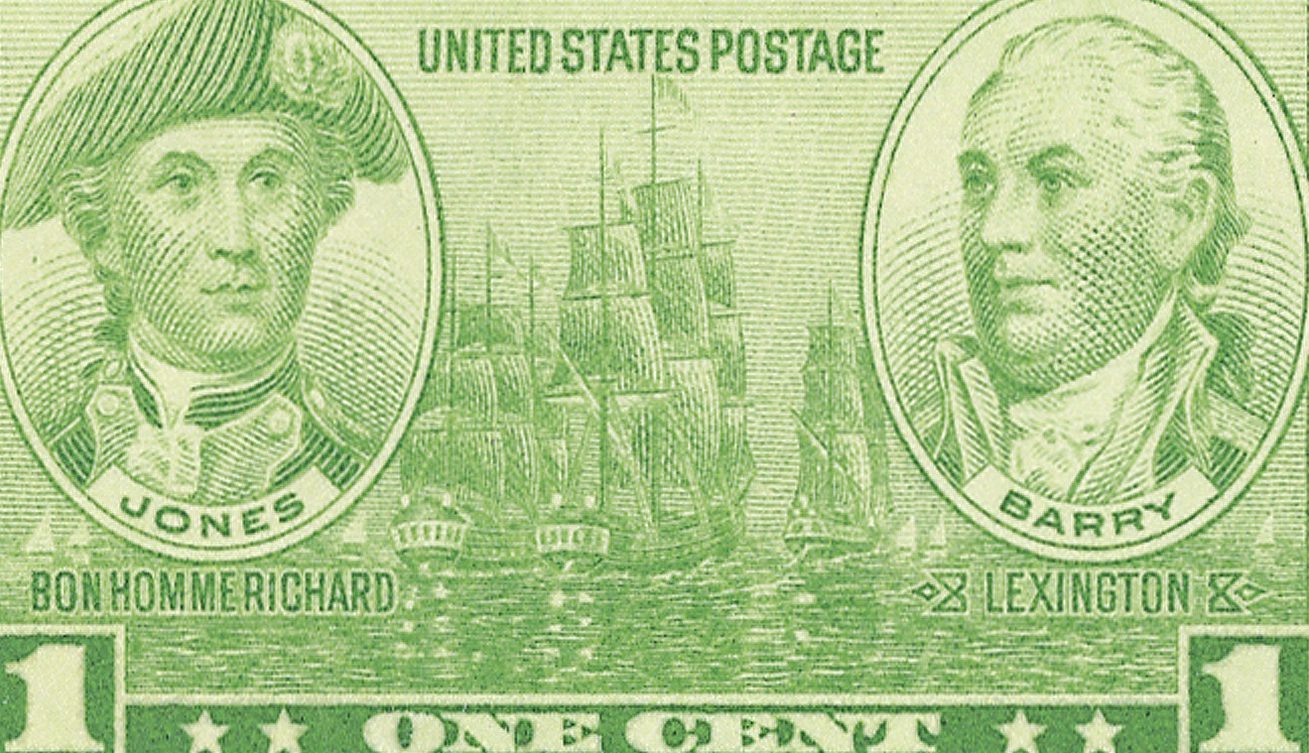
Naval officer John Barry was born on March 25, 1745, in Tacumshane, Ireland. A hero of the Revolutionary War, he’s been called the “Father of the American Navy.”

Joseph Warren Stilwell was born on March 19, 1883 in Palatka, Florida. “Uncle Joe” served and led with distinction during World War I and II, earning some of the military’s highest honors.
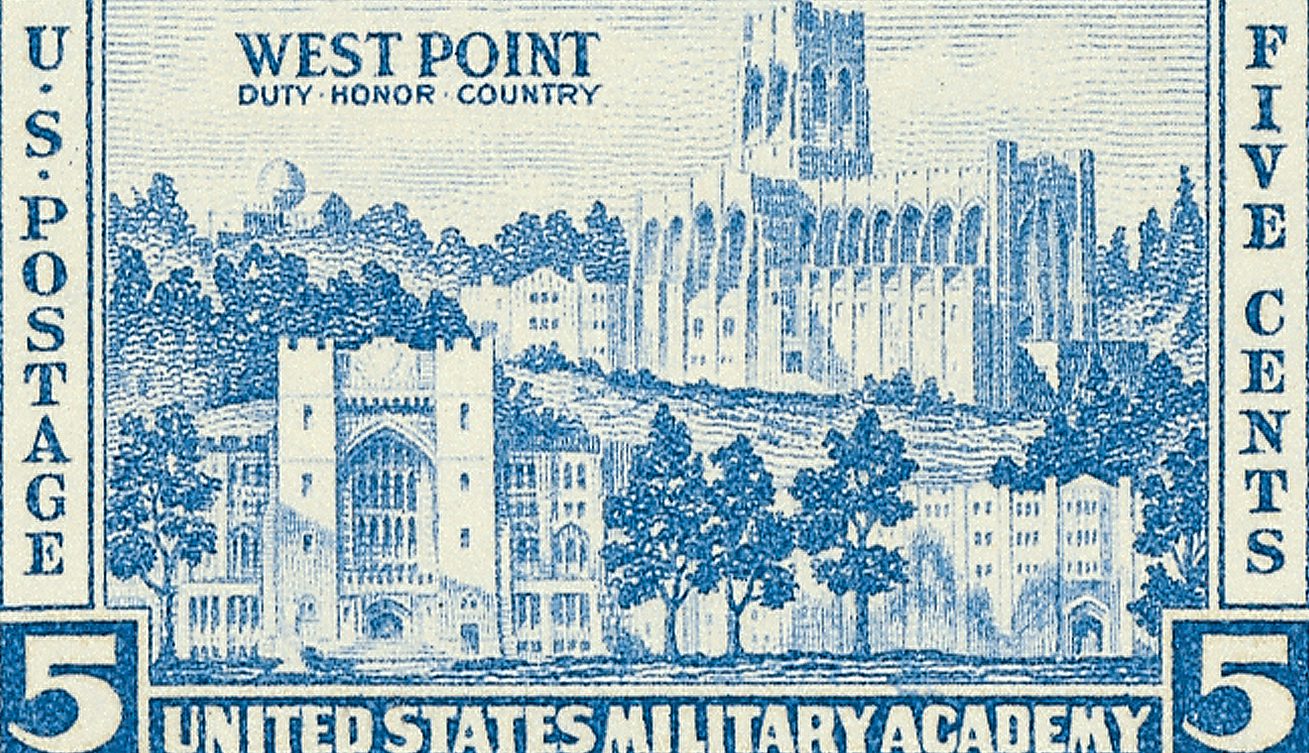
On March 16, 1802, the Military Academy at West Point was founded. America’s oldest military academy, West Point prepared some of our most accomplished Army officers for service.
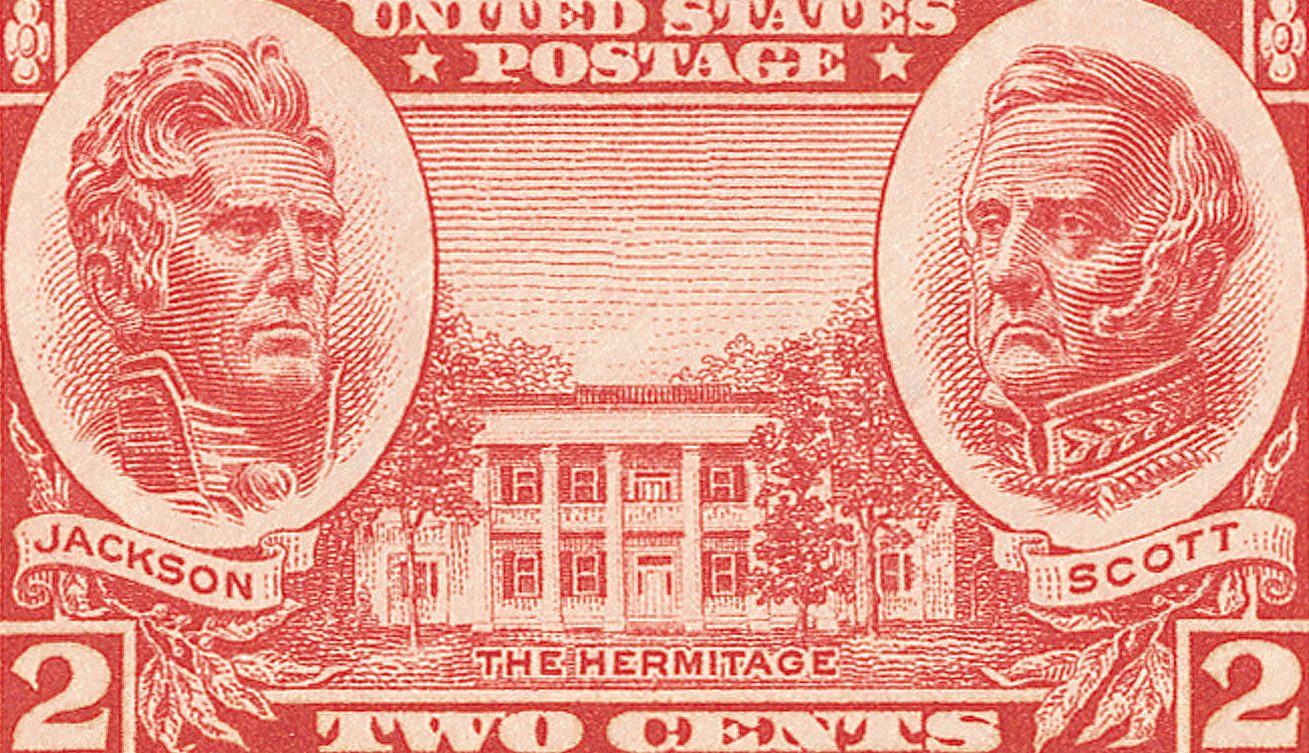
On March 9, 1847, the US launched its first large-scale amphibious assault during the Siege of Veracruz. This notable battle of the Mexican-American War set the stage for the capture of Mexico City.
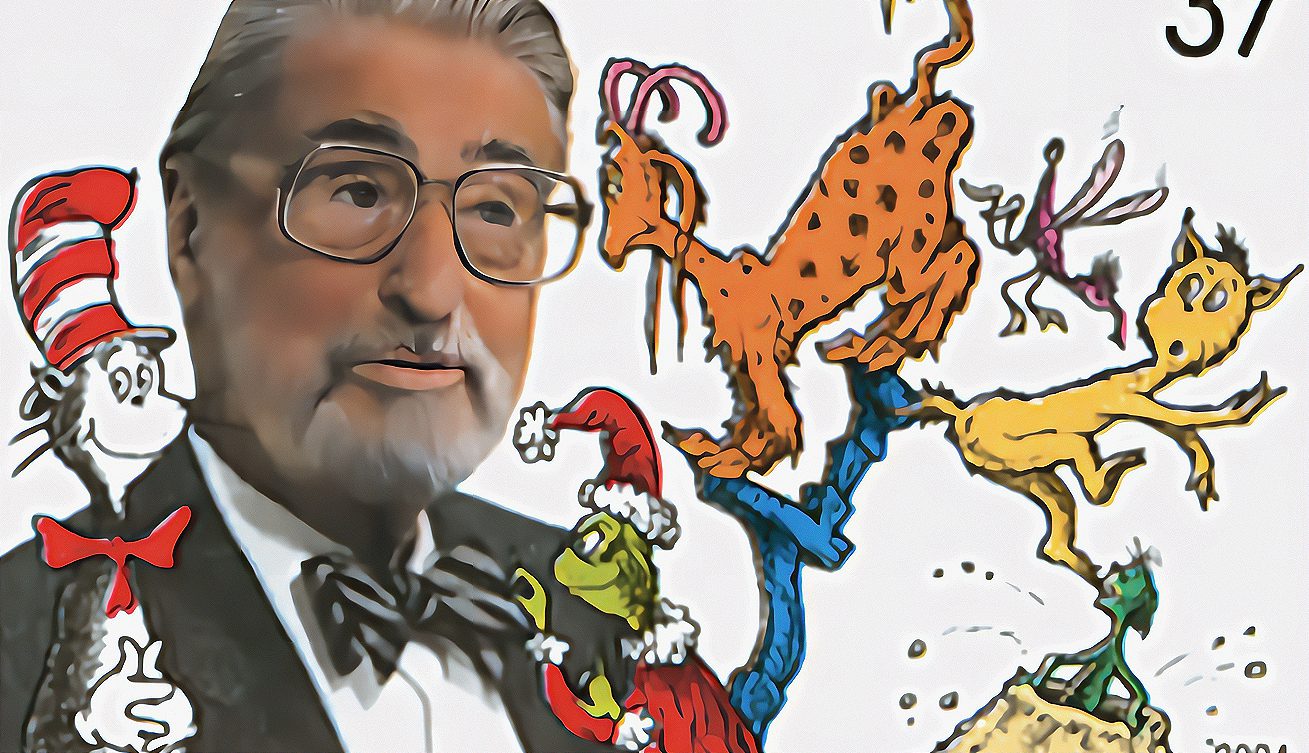
Theodor Seuss Geisel was born on March 2, 1904, in Springfield, Massachusetts. Better known as Dr. Seuss, he created some of America’s most popular children’s books and memorable characters still beloved today.