Birth of Rosa Parks
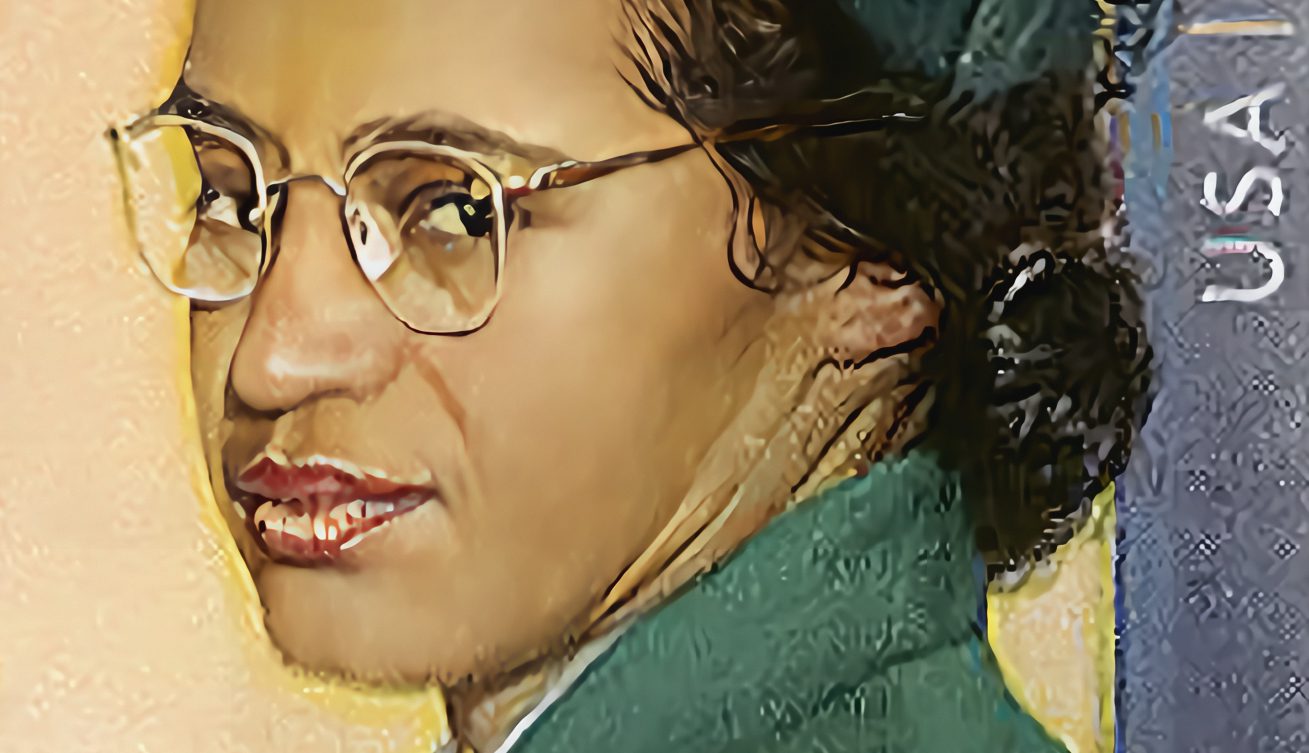
Rosa Louise McCauley Parks was born on February 4, 1913, in Tuskegee, Alabama. Her quiet resolve and careful preparation would later place her at the center of one of the most important civil rights protests in American history.
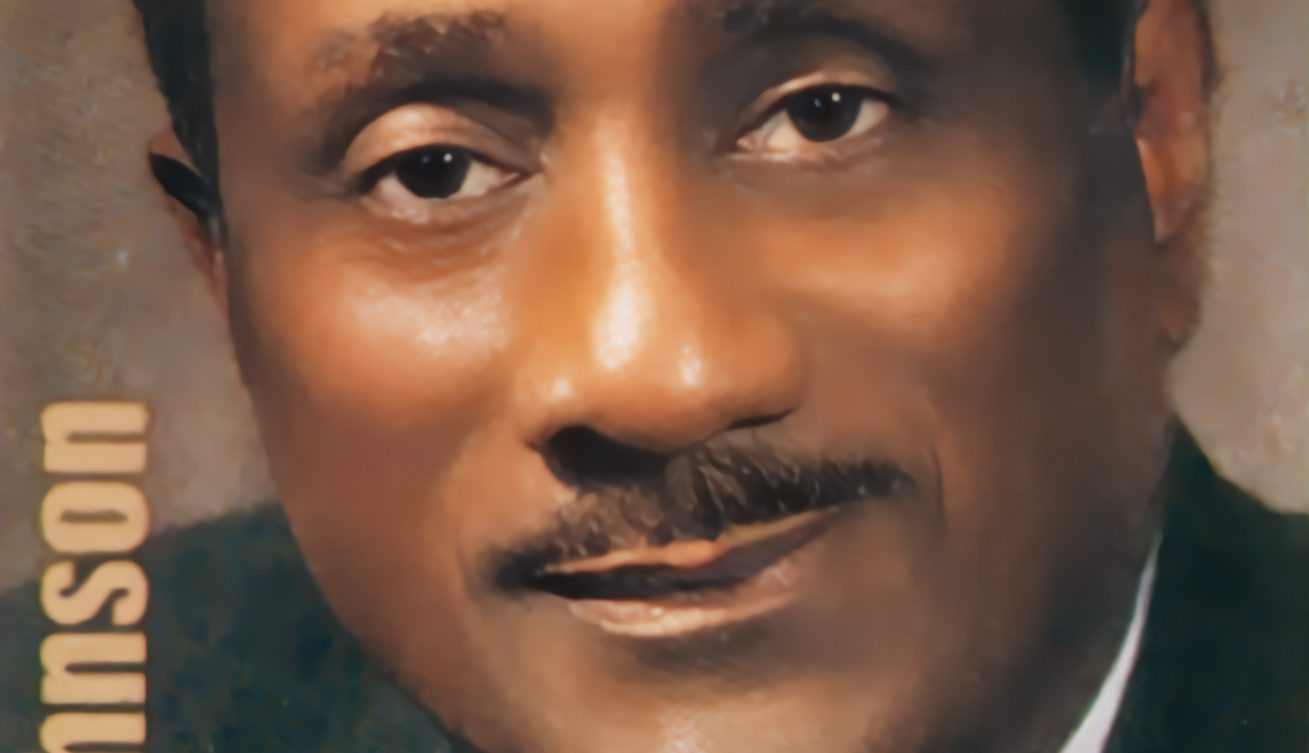
Born on January 19, 1918, in Arkansas City, Arkansas, John Harold Johnson rose from poverty and segregation to become one of the most influential publishers in American history. With vision and determination, he built a media empire that reshaped how African Americans saw themselves—and how the nation saw them.
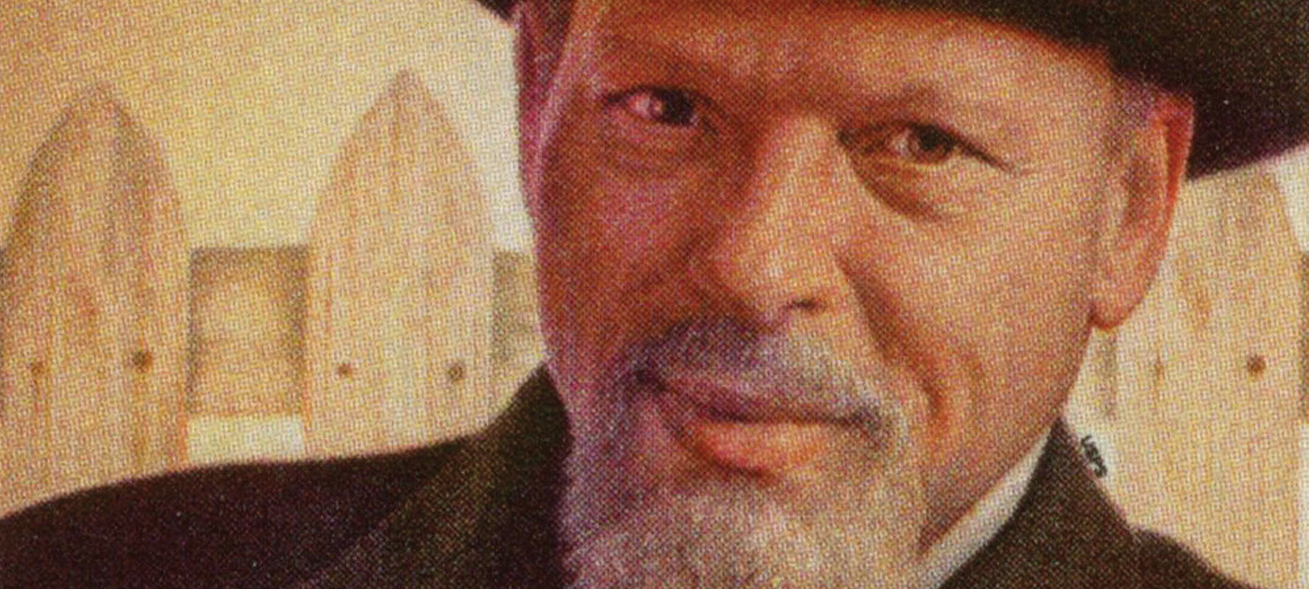
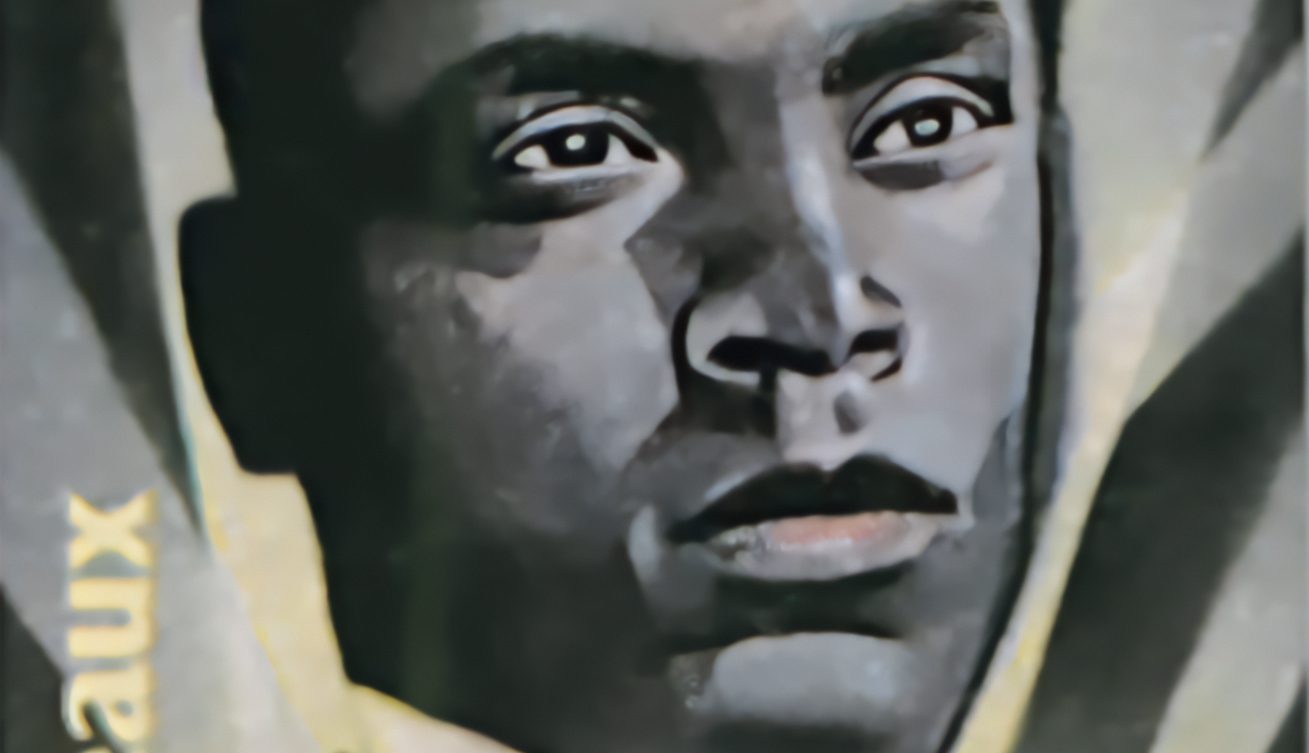
Oscar Devereaux Micheaux was born on January 2, 1884, in Metropolis, Illinois—and he would grow up to change American film forever. As an author, director, and producer, Micheaux became a pioneering voice in early cinema, creating films that challenged racial stereotypes and told powerful Black stories at a time when few such voices were allowed on screen.
Shirley Anita St. Hill Chisholm was born on November 30, 1924, in New York City. The first Black woman elected to Congress and the first Black woman to seek a major party’s presidential nomination, Chisholm built her career on courage, independence, and a fearless commitment to justice.
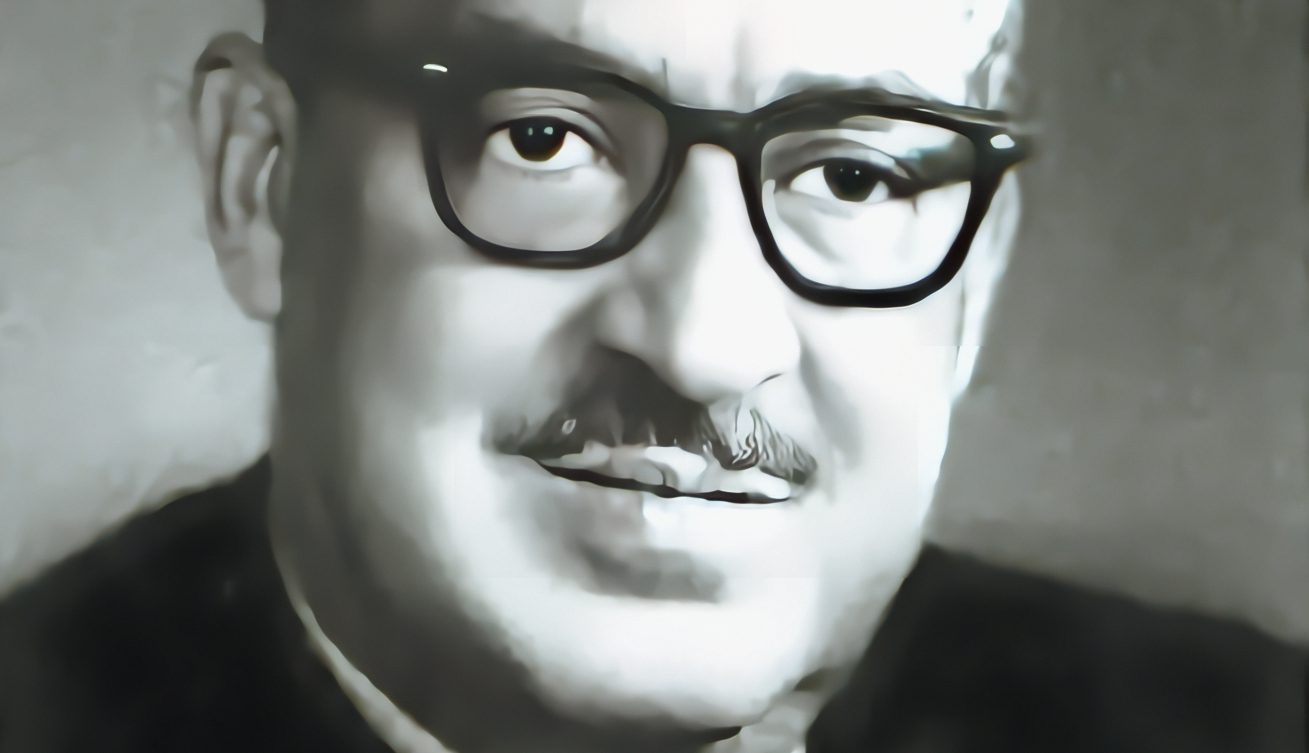
Dr. William Boyd Allison Davis, born on October 14, 1902, in Washington, DC, was a scholar who devoted his life to breaking down the barriers of race, class, and inequality in education. At a time when few African Americans were given a platform in the nation’s top universities, Davis used his voice and intellect to challenge the systems that defined how—and for whom—education worked in America. His pioneering research changed the way educators and policymakers viewed learning, fairness, and opportunity.
Fannie Lou Hamer was born on October 6, 1917, in Montgomery County, Mississippi. The youngest of 20 children in a family of sharecroppers, Hamer grew up in poverty but would later rise to become one of the most important voices of the civil rights movement. With her powerful speeches, unshakable courage, and belief in equality, she helped transform the struggle for voting rights in the United States.
On July 14, 1943, President Franklin D. Roosevelt committed $30,000 toward a monument to botanist and inventor George Washington Carver.
Poet, author, and teacher Gwendolyn Brooks was born on June 7, 1917, in Topeka, Kansas. The poet laureate of Illinois, she was the first Black American writer to win the Pulitzer Prize for Poetry.
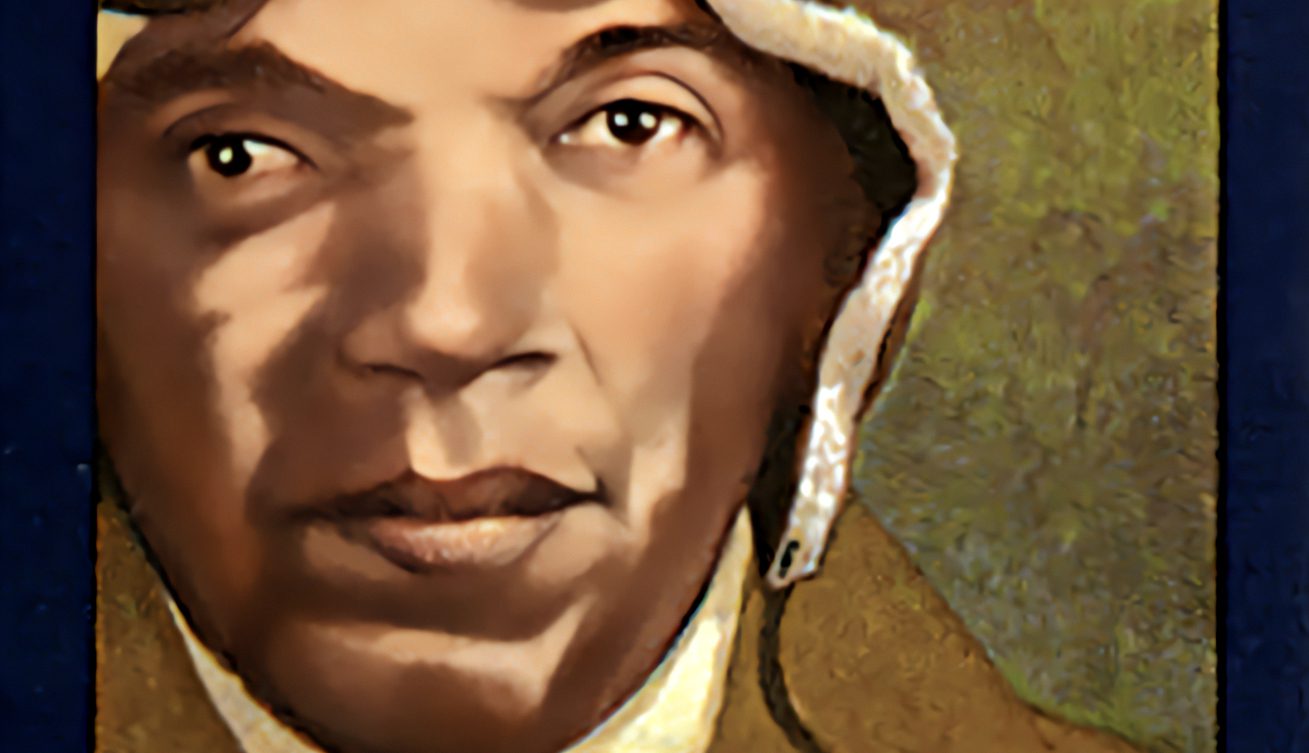
On June 2, 1863, Harriet Tubman helped lead a daring Union raid on South Carolina’s Combahee Ferry. The raid succeeded in capturing supplies, damaging Confederate defenses, and freeing over 750 people.